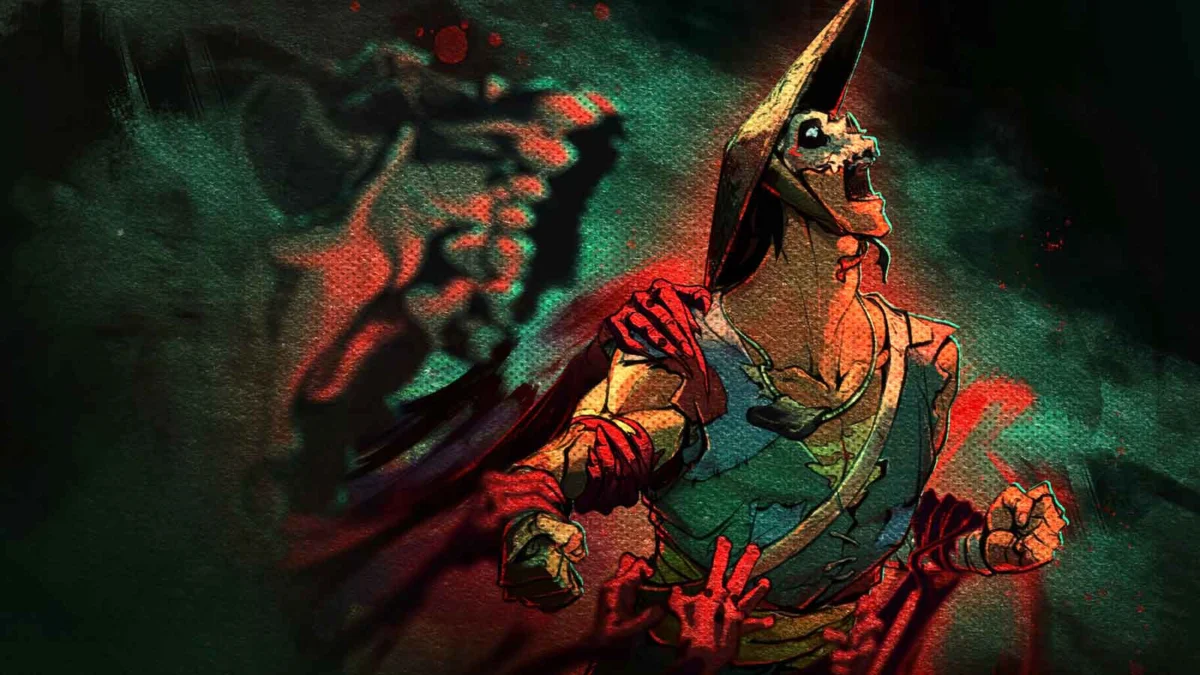
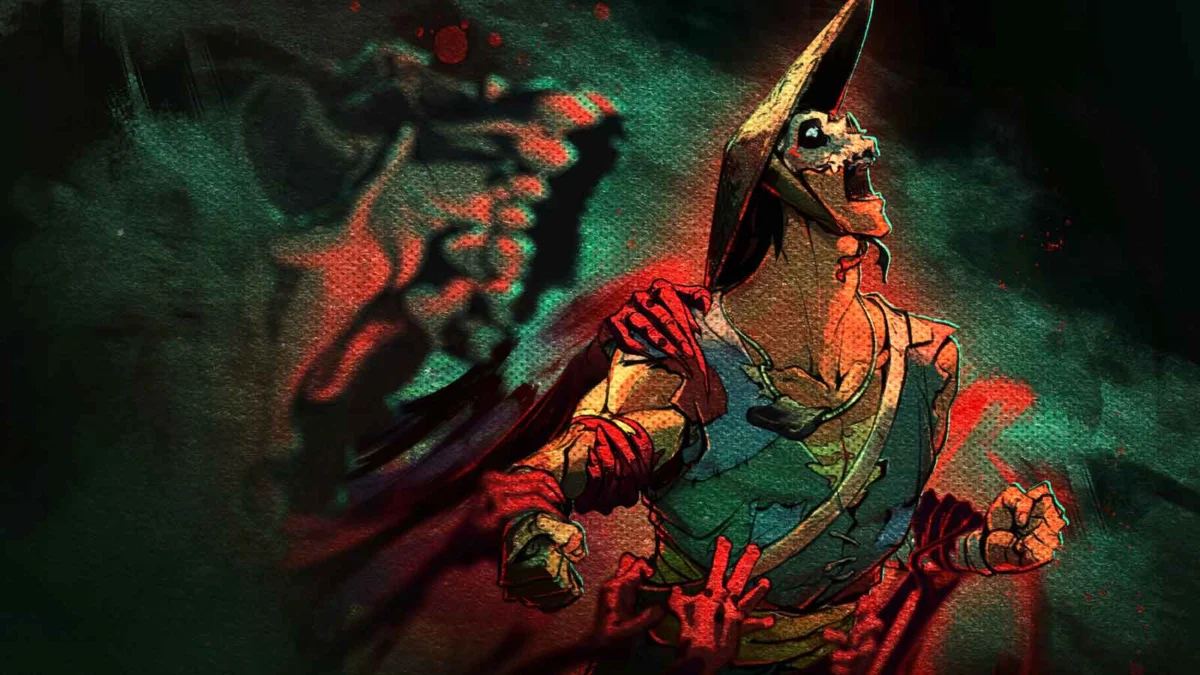
Panji Tengkorak: A Shadow Falls on Indonesia’s Animated Ambition Amidst Unrest and Global Giants
Jakarta, Indonesia – The highly anticipated animated feature, Panji Tengkorak, has reportedly faced a disheartening reception at the Indonesian box office, struggling to capture audience attention since its premiere on August 28, 2025. Despite emerging during a period of burgeoning local animation, the film, directed by Daryl Wilson and produced by Falcon Pictures and Kumata Animation Studio, garnered fewer than 17,000 viewers in its first three days, leading to its premature withdrawal from cinemas well before a month had passed. This swift exit positions Panji Tengkorak as a poignant case study in the complex dynamics of the Indonesian film industry, grappling with fierce competition and unforeseen external challenges.
The film’s anemic performance stands in stark contrast to the varied fortunes of other domestic animated productions. While Jumbo soared to critical and commercial success, delighting audiences across the archipelago, Merah Putih: One for All faced a decidedly negative public response. Panji Tengkorak now joins the ranks of films that, despite their artistic merit or cultural significance, have struggled to find their footing in a market increasingly influenced by global blockbusters and local socio-political realities.
The Unraveling: Box Office Struggles and External Pressures
The swift decline of Panji Tengkorak‘s theatrical run can be attributed to a confluence of unfortunate circumstances, creating a perfect storm that diverted potential audiences away from cinemas.
A. Disappointing Debut Amidst High Hopes
The initial box office figures for Panji Tengkorak were undeniably bleak. A mere 5,700 viewers on its opening day nationwide, as reported by Cinepolis, foreshadowed the struggle ahead. This figure, climbing only to 17,000 within three days, indicates a critical lack of traction from the outset. For a film based on a legendary Indonesian comic character and aiming to contribute to the local animation boom, such numbers were a severe blow, particularly when compared to the runaway success of Jumbo. The industry had hoped Panji Tengkorak could further solidify the growing confidence in Indonesian animation, but its performance instead highlighted persistent vulnerabilities.
B. A Confluence of Unfortunate Events
The release of Panji Tengkorak was uniquely challenged by two significant external factors, both beyond the control of its creators.
Nationwide Civil Unrest: The Shadow of Demonstrations
The film’s theatrical debut coincided with widespread, large-scale demonstrations across Indonesia. These protests, fueled by public discontent against perceived arbitrary actions by the Dewan Perwakilan Rakyat (DPR), created a climate of instability and apprehension. Public spaces, including shopping malls and entertainment venues, often become less frequented during such periods. The tragic loss of life, such as the widely reported death of Affan Kurniawan, who was reportedly struck by a Brimob armored vehicle during the protests, underscored the gravity of the situation. In such a tense environment, the public’s priorities shifted from leisure activities to political engagement and personal safety, significantly impacting cinema attendance. For many, the cinema simply ceased to be a safe or desirable destination during a period of national unrest.
The "Demon Slayer" Phenomenon: A Global Juggernaut
Compounding the domestic challenges was the simultaneous release of the Japanese animated action epic, Demon Slayer: Infinity Castle. This highly anticipated foreign film proved to be an overwhelming competitor, demonstrating the immense power of established global franchises in the Indonesian market. On its opening day (August 15), Demon Slayer captivated over 461,000 viewers and soared to an astonishing 2.2 million viewers within just three days. These figures far surpassed the initial achievements of even Jumbo, the local animation success story, and dwarfed Panji Tengkorak‘s viewership. Even by August 28, the day Panji Tengkorak premiered, Demon Slayer continued to draw massive crowds, effectively monopolizing the animation audience. The sheer marketing might, pre-existing fan base, and global appeal of Demon Slayer created an insurmountable barrier for a nascent local production.
C. A First-Hand Account of Empty Seats
The discrepancy between public perception and actual cinema attendance was strikingly evident, as detailed by an early viewer’s personal experience. Weeks before its release, buzz around Panji Tengkorak from Falcon Pictures had reached the reviewer, sparking curiosity not out of patriotic duty or nostalgia, but from an innate interest in the anti-hero archetype, kindled by a father’s fond recollections of Hans Jaladara’s original work. The reviewer, despite not being familiar with the various incarnations of Panji Tengkorak (comics from 1968, re-prints in 1985 and 1996, film adaptations in 1971 and 1983, or TV series in 1995-1996), was drawn by the allure of a unique Indonesian animated action film.
Attending the premiere day screening at Summarecon Mall Kelapa Gading in Jakarta Utara at 6:30 PM, the reviewer initially observed long queues at ticket counters, suggesting high demand. However, this illusion of popularity quickly shattered upon entering the cinema hall. What was expected to be a bustling screening for a film with national aspirations turned out to be an almost solitary experience. In a hall designed to accommodate over 150 patrons, only 18 individuals, including the reviewer, were present after the film began. This stark reality check highlighted the film’s struggle to translate general interest into actual ticket sales, even on its opening day, and underscored the scale of the box office challenge it faced.
Deconstructing the Anti-Hero: Panji Tengkorak’s Narrative Core
Beyond the box office figures, Panji Tengkorak offers a rich narrative and stylistic discourse, providing valuable insights into the ambitions and challenges of Indonesian animation. The film’s core strength lies in its adaptation of a classic Indonesian anti-hero, a character type that resonates with contemporary storytelling trends.
A. Legacy of a Legend: A Father’s Tale
The reviewer’s journey into the world of Panji Tengkorak began not with the original comics or previous adaptations, but through a father’s nostalgic retelling. Hans Jaladara’s Panji Tengkorak, first appearing as a comic in 1968, is a cornerstone of Indonesian popular culture, an enduring saga that has transcended mediums, from print to screen. This intergenerational transmission of cultural memory underscores the deep-rooted impact of such characters. For the current generation, unaware of Panji’s previous iterations, the animated film presented an opportunity to reconnect with a foundational figure of Indonesian folklore, albeit through a modern lens. The allure of the anti-hero, a figure often morally ambiguous yet compelling, was the primary draw.
B. The Dark Path of Vengeance: Panji’s Origin Story
The film largely adheres to the established narrative of Hans Jaladara, centering on Panji’s relentless pursuit of vengeance for the murder of his beloved, Murni. Set in a mythical ancient Nusantara, the story unfolds against a backdrop of powerful kingdoms and formidable martial arts academies, where power struggles are often resolved through combat. Panji, the sole disciple of Nagamas, a feared master of dark magic, finds himself embroiled in intricate conflicts involving former allies like Bramantya and the antagonistic Lembugiri. The murder of Murni and his master’s demise push Panji to embrace the forbidden arts, seeking immortality and invincibility, though his heart remains "dead" due to his profound loss. The 118-minute runtime (as per credits) necessitates a concise adaptation, curated by writers Theo Arnoldy and Agung Prasetiarso to resonate with modern audiences while preserving the essence of Jaladara’s vision.
C. An Anti-Hero for the Modern Age
Panji’s character is the film’s undeniable anchor. He embodies the classic anti-hero archetype: apathetic, cynical, morally ambiguous, selfish, and driven by personal motivations rather than altruistic ideals. His primary goal is not to save the world but to escape his own imposed immortality and, fundamentally, to exact revenge. This portrayal aligns seamlessly with a global trend in superhero and action films, where characters like Marvel’s Thunderbolts or Fox’s Deadpool have captivated audiences with their complex, often flawed, moral compasses. For millennials and Gen-Z, Panji’s personality is not alien; it offers a refreshing alternative to traditional, unequivocally heroic figures, presenting a more nuanced perspective on heroism within the superhero genre.
The director, Daryl Wilson, deserves commendation for largely maintaining Panji’s anti-hero integrity throughout the film. Scenes depicting Panji’s indifference to villagers being robbed or his unwavering, selfish pursuit of revenge effectively solidify his character. However, a noticeable narrative shift towards the film’s conclusion, where Panji inexplicably spares Bramantya—a character implicated in the attack on Panji’s village and Murni’s death—feels incongruous. This sudden surge of "conscience" seems forced, potentially undermining the very anti-heroic values that define Panji and raising questions about character consistency, especially if a sequel is planned.
D. Narrative Compromises and Missed Opportunities
While the story is generally easy to follow, split between Panji’s origin and his subsequent battles, moments of tedium do surface, particularly in the middle section. A more significant misstep, however, lies in the film’s soundtrack. The recurring use of the song "Bunga Terakhir" is not only repetitive but often jarring, undermining rather than enhancing the emotional tone of critical scenes. Despite featuring the powerful vocal talents of Iwan Fals and Isyana Saraswati, the song’s seemingly arbitrary placement represents a missed opportunity to leverage music for mood-setting, akin to the effective use of soundtrack in films like Sore.
The Power of Whispers: Gossip as a Narrative Catalyst
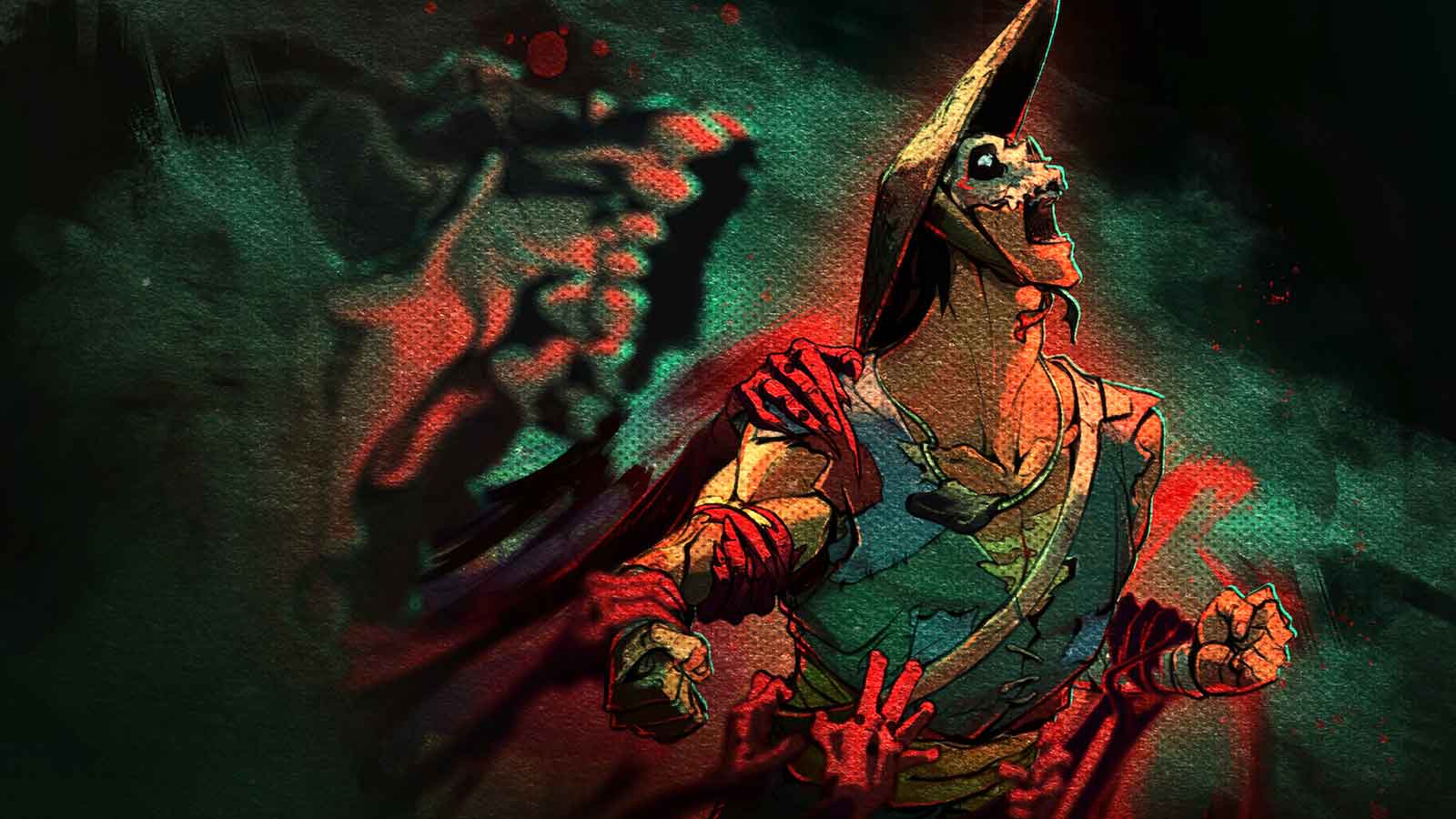
Perhaps one of the most compelling and unexpectedly rich elements of Panji Tengkorak is its subtle yet significant integration of "gossip" as a narrative device. Far from mere filler, these moments of shared rumors and speculative storytelling prove vital in cementing Panji’s enigmatic status and grounding the fantastical narrative in a relatable cultural context.
A. Kuwuk, The Unsung Chronicler
The film features two particularly impactful segments centered around gossip. The first involves Kuwuk, a self-proclaimed soldier, recounting his harrowing encounter with Kalawereng to fellow villagers at a warung makan (eatery). Later, Kuwuk again emerges as the purveyor of news, spreading tales of a mysterious pendekar (martial artist) from the "kidul" (south). Kuwuk is depicted as a cowardly, verbose character, often fleeing danger, yet his role in disseminating information is crucial. While some critiques dismissed Kuwuk as superfluous, his function as a chronicler of Panji’s legend is, in fact, pivotal.
B. Echoes of Resistance and Political Production
The portrayal of gossip in Panji Tengkorak resonates deeply with anthropological and sociological studies. James C. Scott’s seminal work, Weapons of the Weak: Everyday Forms of Peasant Resistance (1985), highlights gossip as a prominent and tactical form of "everyday resistance" within dominant systems. For marginalized groups, gossip can subtly undermine authority, tarnish reputations, and even offer a degree of protection from direct punishment. Its democratic nature means it’s also employed by the powerful to maintain their positions and delegitimize opponents.
More recently, Niko Besnier’s Gossip and The Everyday Production of Politics (2009), based on his studies of Tuvalu society, argues that gossip is as vital as formal hearings or customary laws. It serves as a potent medium for constructing and dismantling hierarchies, deepening the political engagement of citizens by bringing intimate matters into public discourse. Besnier’s work also illuminates the dynamic interplay of presence and absence in gossip, demonstrating how its content and target are carefully calculated. Kuwuk’s selective storytelling, freely sharing his accounts when among common folk but curtailing them in the presence of other soldiers, exemplifies this nuanced agency, allowing diverse interpretations while maintaining a singular core intent.
C. The Resonance of Oral Tradition
In the context of Panji Tengkorak, gossip serves as a critical bridge, allowing the audience to engage with Panji’s almost spectral presence. As a figure who often appears and disappears like a phantom, word-of-mouth becomes the primary mode through which his legend is constructed and amplified. This narrative choice holds particular resonance for Indonesian society, where oral traditions and the ubiquitous nature of "gosip" (gossip) profoundly shape social interactions and public opinion, for better or worse. The embellishments and variations inherent in oral storytelling, as demonstrated by Kuwuk, add a rich, anthropological layer, showcasing human agency in the co-creation of meaning. Meanings are fluid, constantly reshaped until personal experience solidifies them.
D. A Call for More Whispers
This insightful integration of gossip is a commendable aspect that grounds Panji Tengkorak in a distinct Indonesian reality, preventing it from becoming a mere imitation of global animation trends. It underscores the importance of infusing local narratives with authentic cultural specificities. The reviewer suggests that further development of this element, perhaps through more explicit or implicit gossip sequences, could have enriched the audience’s perspective on Panji. It is precisely these culturally resonant details that make a film compelling. Therefore, like Kuwuk, perhaps we should continue to "gossip" about the pendekar from Kidul, Panji Tengkorak, hoping it garners the attention and appreciation it deserves.
The Quest for an Indonesian Animated Identity
The journey of Panji Tengkorak inevitably leads to broader questions concerning the identity and future trajectory of Indonesian animation. The industry faces the fundamental challenge of defining its unique voice amidst the dominant influences of Western, Japanese, and even regional animation powerhouses.
A. Charting the Local Landscape
Indonesia’s animation landscape is a vibrant tapestry, marked by diverse attempts to establish a distinctive style and narrative approach. Films like Battle of Surabaya (often compared to Studio Ghibli’s aesthetic), Knight Kris, Si Juki The Movie: Panitia Hari Akhir (which shows potential for a truly unique visual language, akin to India’s Amar Chitra Katha or Brazil’s O Menino e o Mundo), and TV series such as Adit Sopo Jarwo and Nussa (which bear superficial resemblances to Malaysia’s Upin Ipin), all represent crucial milestones. Each production grapples with its own set of creative and technical considerations in finding a distinct mode and style, navigating the delicate balance between inspiration and originality.
B. The 2D vs. 3D Discourse
Panji Tengkorak‘s choice of 2D animation, in contrast to the commercially successful 3D animation of Jumbo, is a notable decision. This distinction is not about one form being inherently superior, but about the unique complexities and advantages each offers. Historically, Indonesian culture has embraced various modes of artistic expression, from 2D wayang kulit (shadow puppets) to 3D wayang golek (rod puppets) and even live-action wayang orang (human theater). Each form carries its own narrative possibilities, dictated by creative preference, textual suitability, thematic concerns, artistic objectives, and crucially, the availability of technology, access, and resources. In this context, Panji Tengkorak‘s 2D approach can be seen as a strategic choice, allowing it greater creative freedom and potentially shielding it from direct, often unfair, comparisons with other Indonesian 3D animations like Jumbo.
C. Negotiating Influence: The Avatar Parallel
The visual style of Panji Tengkorak has frequently been associated with Avatar: The Last Airbender, a comparison even acknowledged by its voice actors, including Nurra Datau (Murni) and Denny Sumargo (Panji). While this initial association might provoke concerns about a lack of originality, it can also be viewed as a pragmatic negotiation of influence. Avatar: The Last Airbender itself is noteworthy for its diverse, "people of color" character representation and its skillful appropriation of cultural elements from China, Japan, Tibet, and India. This makes its 2D style a highly suitable template for depicting the diverse anatomies and facial features of Indonesian characters, offering a visually familiar and empathetic experience for local audiences.
Furthermore, Panji Tengkorak admirably strives to imbue its animation with a distinct "Indonesian-ness." This commitment extends beyond the narrative to the visual vocabulary itself. The film meticulously crafts characters that feel authentically Nusantara – familiar, relatable, and reflective of local physiognomy. This is further enhanced by the detailed depiction of indigenous material culture, architecture, traditional attire, and everyday activities, such as the aforementioned gossip. In several instances, the visual detail and sharpness in Panji Tengkorak even surpass those found in Avatar: The Last Airbender, a testament to the dedication of the 250 creators who devoted a year to this production.
D. Beyond Imitation: Towards a Decolonized Aesthetic
Despite these commendable efforts, a deeper aspiration persists for Indonesian animation: the development of a fundamental "Southern world perspective." This entails grounding narratives, rationales, and artistic choices in indigenous viewpoints, avoiding the trap of seeing Indonesia solely through a Western, exoticized, or tourist-oriented lens. The goal is to cultivate an aesthetic that is truly decolonized, vernacular, and serves as an agent for self-representation rather than mere imitation. By consciously shaping its aesthetic identity, Indonesian animation can move beyond derivative styles, fostering a unique visual language that authentically articulates its rich cultural heritage. This vision, though ambitious, is crucial for the long-term health and global recognition of the industry.
Conclusion: A Missed Opportunity, A Lingering Hope
Panji Tengkorak represents a complex and vital chapter in the ongoing narrative of Indonesian animation. Its unfortunate box office performance, a result of both overwhelming external competition and profound socio-political circumstances, overshadows its narrative strengths and artistic aspirations. The film’s bold embrace of an anti-hero, its rootedness in a rich cultural legacy, and its unique deployment of narrative elements like gossip, all speak to a significant potential that, for now, remains largely unrealized.
The valiant efforts of its 250 creators, who meticulously crafted a visually rich depiction of Nusantara, are commendable. Yet, the film’s struggles underscore the formidable challenges facing local productions in a globalized entertainment market. While Panji Tengkorak may have left cinemas prematurely, its journey sparks crucial conversations about the future direction of Indonesian animation – a future that demands a deeper commitment to decolonizing aesthetics, fostering vernacular storytelling, and prioritizing a distinct Southern world perspective. Only then can Indonesian animated films truly resonate both at home and on the global stage, embodying an authentic and powerful agency of self-representation. The tale of Panji Tengkorak is a reminder that even when the lights dim early, the whispers of potential and the hope for a unique voice continue to echo.
Film Credits:
Panji Tengkorak | 2025 | Durasi: 118 menit | Sutradara: Daryl Wilson | Penulis: Theo Arnoldy, Hans Djaladara, Agung Prasetiarso | Produksi: Falcon Pictures, Kumata Animation Studio | Negara: Indonesia | Pengisi Suara: Denny Sumargo, Donny Damara, Cok Simbara, Aghniny Haque, Tanta Ginting, Aisha Nurra Datau, Donny Alamsyah, Pritt Timothy, Revaldo, Candra Mukti