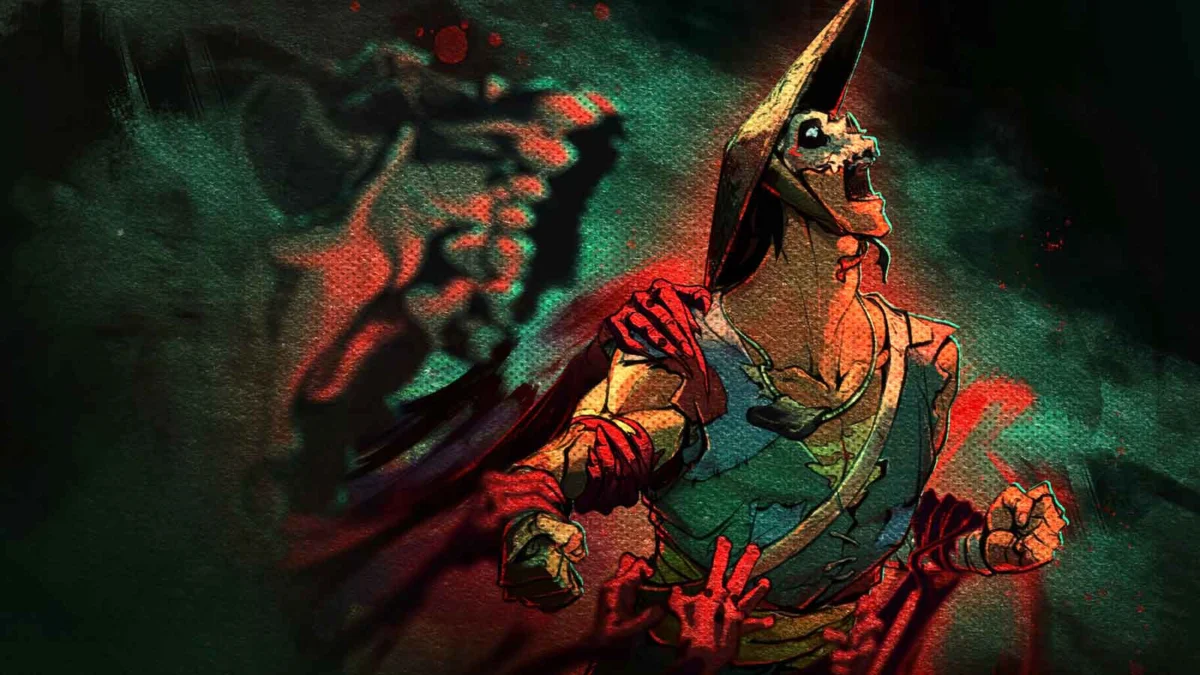
The Ghost of the Box Office: Why Panji Tengkorak Faded into the Shadows of Indonesian Cinema
In the landscape of contemporary Indonesian animation, few projects carried the weight of cultural heritage and industry expectation quite like Panji Tengkorak. Directed by Daryl Wilson and produced by Falcon Pictures, the film—an ambitious revival of Hans Jaladara’s iconic 1968 comic book legend—was meant to be a cornerstone of a burgeoning animation ecosystem. Yet, when it hit theaters on August 28, 2025, the reception was hauntingly quiet.
Within three days of its release, the film drew fewer than 17,000 spectators. By the time it was unceremoniously pulled from cinema listings, it hadn’t even completed a full month of exhibition. In an era where local animation is experiencing a renaissance—marked by the box-office success of films like Jumbo and the polarizing but highly visible Merah Putih: One for All—Panji Tengkorak’s premature exit stands as a cautionary tale about timing, competition, and the evolving tastes of the Indonesian audience.
The Perfect Storm: Factors Behind the Underperformance
The failure of Panji Tengkorak to gain traction cannot be attributed to a single cause; rather, it was a convergence of unfortunate external circumstances that effectively stifled its momentum from day one.
The Shadow of Social Unrest
The film’s theatrical debut coincided with a period of intense national volatility. As the film premiered, Indonesia was gripped by massive protests against the perceived corruption and overreach of the House of Representatives (DPR). The national mood was somber and focused on the streets rather than the multiplexes. The atmosphere turned tragic when activist Affan Kurniawan lost his life during the unrest, an event that further galvanized public attention away from entertainment and toward the political crisis. In such a climate, a fictional hero’s journey—no matter how well-crafted—struggled to compete with the visceral reality of the nation’s political struggle.
The Goliath from Japan
If the political landscape was the first blow, the second was the sheer dominance of international competition. August 2025 saw the arrival of Demon Slayer: Infinity Castle, a juggernaut of global animation. On its opening day of August 15, the Japanese feature drew over 461,000 viewers, quickly ballooning to 2.2 million in its first three days. By the time Panji Tengkorak arrived on the 28th, the multiplexes were already saturated, and audiences had largely exhausted their leisure budgets on the high-octane spectacle of the Demon Slayer franchise.
A Legacy Reimagined: The Anti-Hero Persona
For many, Panji Tengkorak was not just a movie; it was a ghost from the past. First introduced in the 1968 comic, the character had been adapted into films in 1971 and 1983, and a television series in the mid-90s. For the younger generation, however, the name carried little weight until their parents began sharing stories of the legendary swordsman.
The film follows the traditional narrative arc: Panji, a man seeking vengeance for the murder of his beloved, Murni, navigates a world of dark arts and feudal power struggles. The film’s screenwriters, Theo Arnoldy and Agung Prasetiarso, condensed the sprawling lore into a 94-minute runtime, focusing heavily on Panji’s status as an anti-hero.
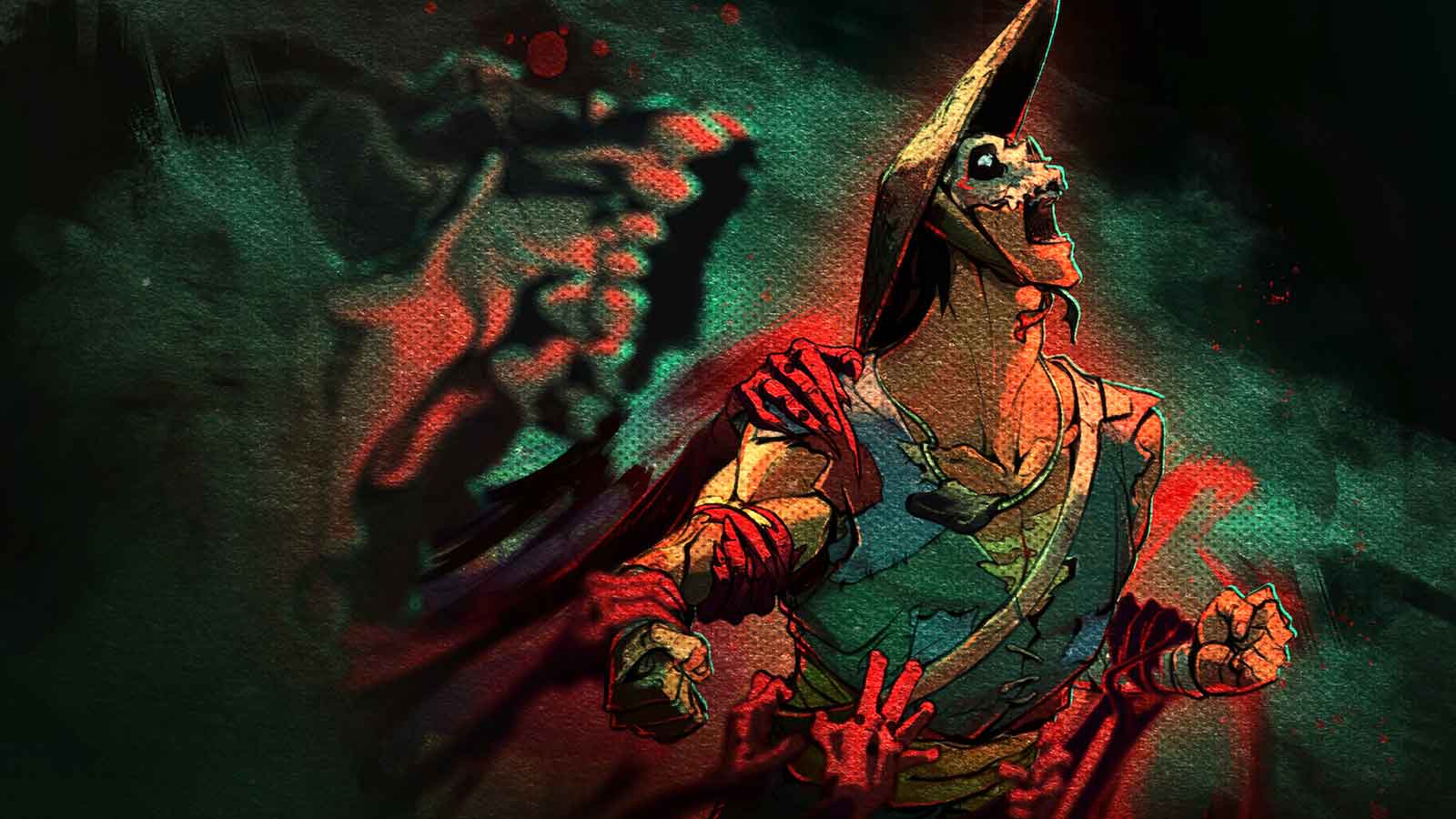
Unlike the classic "white-hat" heroes, Panji is defined by his apathy, his moral ambiguity, and his self-serving motivations. He doesn’t fight for the kingdom; he fights to escape the curse of immortality granted to him by his master’s dark scriptures. While this characterization aligns with modern cinematic trends—reminiscent of Marvel’s Deadpool or the Thunderbolts—it faced internal creative hurdles. Critics have pointed out that the decision to force a "conscience" upon Panji toward the final act felt like a betrayal of his established coldness, potentially diluting the impact of his character arc for future sequels.
The Cultural Significance of "Gosip" (Gossip)
One of the most intriguing, yet often overlooked, elements of Panji Tengkorak is its brilliant use of "gosip" (gossip) as a narrative device. Through the character of Kuwuk—a cowardly soldier who survives by his wits and his tongue—the film embeds a deeply authentic layer of Indonesian sociology.
In the film, Kuwuk acts as the primary conduit of information, spreading rumors about the "swordsman from the South." While some reviewers dismissed these scenes as filler, they are, in fact, a masterclass in "everyday resistance." Drawing on the theories of James C. Scott in Weapons of the Weak, the film portrays gossip not as idle chatter, but as a tactical tool for the powerless to manage reputations and challenge dominant figures. In the context of Indonesian culture, where oral traditions and the "grapevine" dictate social status, the inclusion of these segments makes the film feel profoundly grounded in reality. It serves as a reminder that stories aren’t just told by those in power; they are crafted, embellished, and sustained by the common folk in the warungs (food stalls) of the archipelago.
Analyzing the State of Indonesian Animation
The underperformance of Panji Tengkorak forces a broader, uncomfortable question: How does Indonesia define its own animation identity?
The Search for a Signature Style
For decades, the industry has looked toward the West (Disney) or Japan (Studio Ghibli) for validation. Battle of Surabaya was often compared to Ghibli, while local hits like Nussa or Adit Sopo Jarwo drew comparisons to Malaysia’s Upin & Ipin. Panji Tengkorak took a different path by choosing a 2D animation style. While 3D is currently the industry favorite, 2D allows for a specific, fluid aesthetic that avoids the "uncanny valley" trap that often plagues lower-budget 3D projects.
The directors and voice cast, including Denny Sumargo and Nurra Datau, have openly associated the film’s visual style with Avatar: The Last Airbender. While this comparison helped audiences visualize the product, it also sparked a debate about the difficulty of creating an "original" Indonesian visual language. Is it possible to decolonize our aesthetics? The film succeeds in embedding "Indonesian-ness" through its architecture, costumes, and the aforementioned use of social discourse, but it leaves the viewer yearning for a more radical departure from global templates.
Production and Technical Merit
It is important to highlight that Panji Tengkorak was a massive technical undertaking, involving over 250 creators who dedicated a year to the project. The animation detail, particularly in the action sequences, often exceeds that of the international standards it is being compared to. The tragedy lies in the fact that such technical prowess was buried under the weight of poor release timing and a lack of aggressive, audience-targeted marketing.
Implications for the Future
The "failure" of Panji Tengkorak at the box office is not necessarily a reflection of the film’s quality, but rather a symptom of an immature distribution ecosystem. To build a sustainable animation industry, the following steps are critical:
- Strategic Scheduling: Studios must coordinate better with national events to ensure that major releases are not suffocated by political unrest or massive international blockbusters.
- Cultural Authenticity: As seen with the "gosip" elements, the audience responds to content that feels inherently Indonesian. Moving forward, creators should lean into these nuances rather than trying to mimic Western or Eastern genre tropes.
- Institutional Support: The government and private exhibitors must provide better support for local animation, potentially through dedicated screens or longer exhibition windows for high-quality local productions.
Panji Tengkorak may not have conquered the box office, but it has left behind a roadmap for what works and what doesn’t. The "short-lived" nature of its theatrical run is a call to action for the industry. If we are to see more of the "Short-lived" hero from the South, the industry must learn to nurture these projects with as much care as the 250 artists who brought the legend to life. As the film fades from memory, it remains a "what if" moment—a reminder that in the competitive world of cinema, even the most legendary ghosts need a bit of help to haunt the screens of the public for more than just a few weeks.