The Gacha Phenomenon: How Japan’s Tiny Plastic Treasures Conquered the World
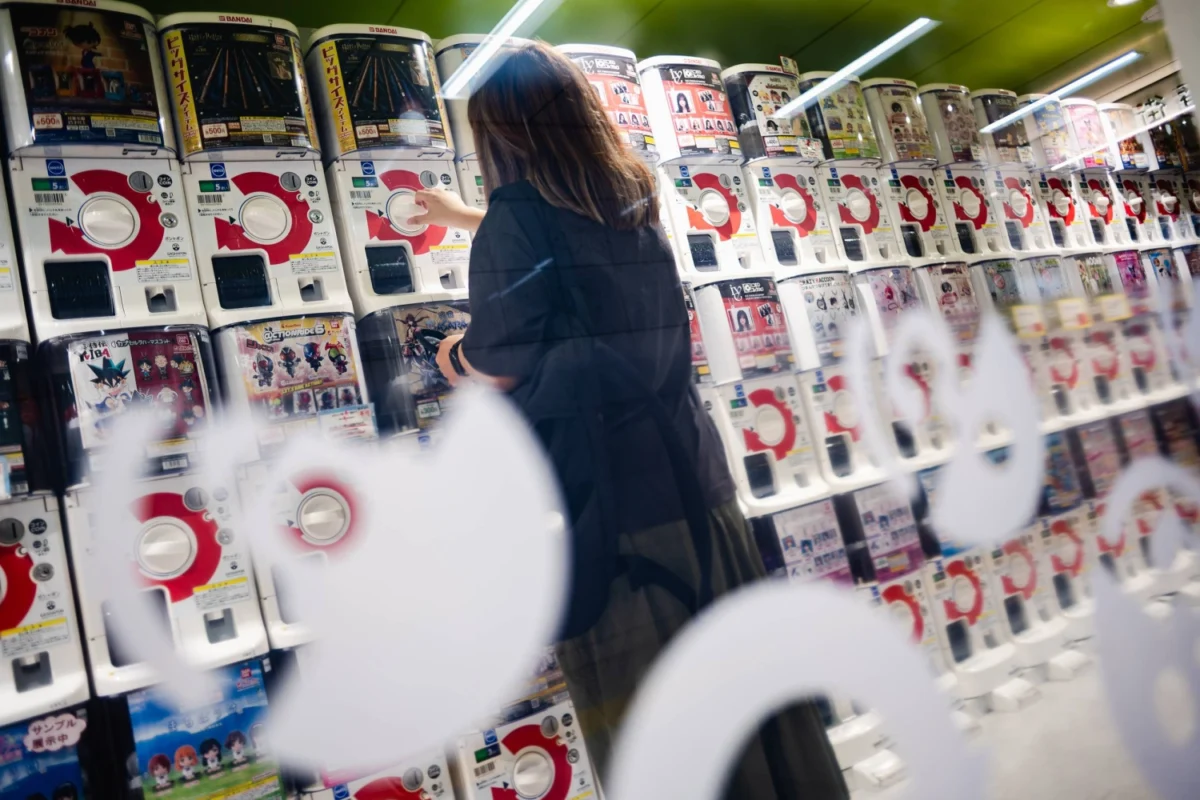
In the bustling neon-lit corridors of Tokyo’s Akihabara district, or the quiet, sterile corners of a suburban supermarket, a familiar rhythmic sound echoes: gacha-gacha… pon! It is the sound of a mechanical ritual that has become a staple of Japanese culture. For over 60 years, the humble capsule toy—known colloquially as gashapon—has evolved from a novelty import into a multi-billion-yen industry that transcends age, demographic, and socioeconomic status.
What began as a simple coin-operated mechanism dispensing cheap trinkets has transformed into a sophisticated ecosystem of collectibles, pop-culture branding, and high-stakes social currency. Today, gacha represents more than just a toy; it is a manifestation of Japan’s unique "kawaii" culture and a testament to the enduring appeal of analog tactile experiences in an increasingly digital world.
The Mechanics of Joy: What is Gashapon?
At its core, the gashapon experience is defined by its simplicity. A customer deposits a 500-yen coin, twists a knob, and waits for the mechanical sound—the "gacha" of the crank and the "pon" of the plastic sphere hitting the collection bin. The contents are a mystery, creating a moment of anticipation that is, for many, the true product being sold.
The term itself is onomatopoeic, derived from the sound of the machine’s operation. While "gashapon" is a trademarked term by Bandai, it has become the generic moniker for all such capsule toys in Japan. Variations like "gacha-gacha" or simply "gacha" are used interchangeably, reflecting the ubiquity of the machines in daily life.
A Chronological Evolution: From Pennies to Premium Collectibles
The Early Days (1960s–1970s)
The concept of the capsule toy arrived in Japan from the United States in the mid-1960s. Early machines were largely seen as inexpensive entertainment for children, often placed outside candy stores or neighborhood grocery outlets. The items inside were simple—small rubber erasers, cheap plastic rings, or stickers—costing as little as 10 or 20 yen.
The Era of Diversification (1980s–1990s)
The 1980s saw a massive shift in the industry as manufacturers realized the potential for licensed characters. When iconic anime and manga figures began appearing in capsules, the target demographic expanded from small children to teenagers and young adults. This era marked the birth of the "collector’s mentality" regarding capsule toys.
The High-End Revolution (2000s–Present)
As the quality of molding and design improved, so did the price point. The introduction of 500-yen machines signaled a move toward premium products. Today, these aren’t just toys; they are highly detailed miniature sculptures. From hyper-realistic replicas of Japanese street food to miniature architectural models of iconic Tokyo landmarks, the sophistication of these items has turned them into legitimate works of art.
Supporting Data: The Economic Engine of the Gacha Industry
The growth of the gashapon market is nothing short of exponential. Recent industry reports suggest that the Japanese capsule toy market has surged to record valuations, consistently outperforming other segments of the toy industry.
- Market Penetration: There are estimated to be over 700,000 gashapon machines operating across Japan. These machines are not just found in toy stores; they are strategically placed in train stations, airport terminals, and even high-end department stores.
- The 500-Yen Shift: While 100-yen and 200-yen machines still exist, the industry has aggressively shifted toward 500-yen units. This pricing strategy has allowed manufacturers to invest in higher-quality plastics, more complex painting techniques, and intricate assembly processes.
- Tourism Impact: For international travelers, gashapon shops have become "must-visit" attractions. Dedicated stores featuring thousands of machines, such as the Gashapon Department Store in Sunshine City, Ikebukuro, attract millions of visitors annually, cementing the toys as a souvenir of choice for the modern tourist.
The Language of the Gacha: A Social Currency
The rise of the gashapon has fundamentally altered the social lexicon of Japan. To "be into" something is a standard conversation starter, but in the context of gacha, it carries a specific nuance.

Asking a friend, "Saikin nani ni hamatteru?" (What are you into recently?) frequently elicits the response, "Gacha ni hamatteru" (I’m obsessed with/hooked on capsule toys). This phrase captures the compulsive, often addictive nature of the hobby. The thrill of the "pull"—the possibility of receiving a rare item versus a common one—mirrors the mechanics of modern digital gaming. This cross-pollination of vocabulary, where the term "gacha" is now used to describe the "loot box" mechanics in video games, underscores how deep the concept has penetrated the Japanese psyche.
Official Perspectives and Industry Strategy
Major manufacturers like Bandai, Takara Tomy, and Kaiyodo have transitioned from mere toy makers to lifestyle brands. Their strategies involve:
- Exclusivity and Series: By releasing toys in "waves" or series, companies ensure that collectors return to the machines repeatedly to complete their sets.
- Targeted Demographics: Modern machines are no longer aimed solely at children. They are designed for "salarymen" looking for stress relief, adult collectors seeking nostalgia, and international tourists looking for unique, small-scale Japanese culture.
- Sustainability Efforts: In response to environmental concerns, some manufacturers have begun experimenting with biodegradable plastics and recycling programs for the empty capsules, aiming to mitigate the ecological footprint of millions of discarded plastic spheres.
Implications: The Future of the Physical Toy
As the world pivots toward digital experiences and augmented reality, one might assume the physical gashapon machine would lose its relevance. However, the exact opposite has occurred. The gashapon offers a sensory experience that digital media cannot replicate: the tactile weight of the coin, the mechanical resistance of the knob, and the physical possession of a tangible object.
The "Analog" Resistance
The enduring popularity of gashapon serves as a case study for the "analog renaissance." In a world of infinite digital content, the limited, physical nature of the capsule toy provides a grounding, real-world connection. It is a "micro-moment" of joy that is easily accessible and deeply personal.
Cultural Diplomacy
The global export of the gashapon model is a form of cultural soft power. As these machines begin to appear in shopping malls from Paris to New York, they serve as ambassadors of Japanese aesthetic sensibilities. They teach global audiences about the Japanese appreciation for the "miniature," the "detailed," and the "unexpected."
Conclusion: A Small Joy with a Big Footprint
The gashapon is more than just a toy in a plastic ball; it is a cultural phenomenon that bridges the gap between the past and the future. It has survived the advent of the internet, the rise of mobile gaming, and the changing tastes of multiple generations.
Whether it is the thrill of the chase, the appreciation for the artistry, or simply the satisfaction of that familiar "pon" sound, the gashapon remains a vital part of the Japanese experience. As we look forward, it is clear that as long as there is a desire for affordable, collectible, and surprising small-scale wonders, the gacha machines of Japan will continue to spin, click, and delight, one coin at a time.
The next time you find yourself in the heart of Tokyo, take a moment to listen. Beneath the roar of the city, you will hear it—the heartbeat of a multi-billion-yen industry, waiting for your next 500-yen coin.