The Auteur’s Unlikely Pivot: John Early and the Subversive Brilliance of Maddie’s Secret
For years, John Early has occupied a singular space in the American comedic landscape. Whether he is dissecting the minutiae of millennial neurosis, channeling his legendary fervor as a Toni Collette superfan, or delivering razor-sharp performances in acclaimed television projects, Early has consistently proven himself to be a master of the "cringe-worthy" and the profoundly human. Yet, at the most recent Toronto International Film Festival, the comedian unveiled a dimension of his artistry that few anticipated: the mantle of the auteur.
His directorial debut, Maddie’s Secret, is not merely a vanity project; it is a meticulously crafted, genre-defying experiment that synthesizes the absurd, the tragic, and the deeply sincere. As the film gears up for its wide release on June 19, the cultural conversation surrounding it suggests that Early has successfully navigated the treacherous waters between camp parody and genuine cinematic resonance.
The Genesis of an Auteur: From Stage to Screen
The path to Maddie’s Secret was not a linear progression, but rather a culmination of Early’s lifelong obsession with the "high-low" divide in pop culture. During his formative years in the comedy scene, Early developed a reputation for his ability to identify the precise intersection where sincerity meets the grotesque.
Early’s directorial approach draws heavily from an eclectic, almost dizzying array of influences. In conversation, he points toward the hyper-stylized melodrama of 1990s made-for-TV movies, the pulsating, neon-drenched erotic thrillers of the late 20th century, and the biting, almost sadistic satire of Paul Verhoeven’s Showgirls. Yet, beneath the aesthetic layers—which include nods to the jarring, unpolished nature of early internet viral videos and the moralizing, slightly condescending tone of mid-aughts public service announcements (PSAs)—lies a core of startling emotional vulnerability.
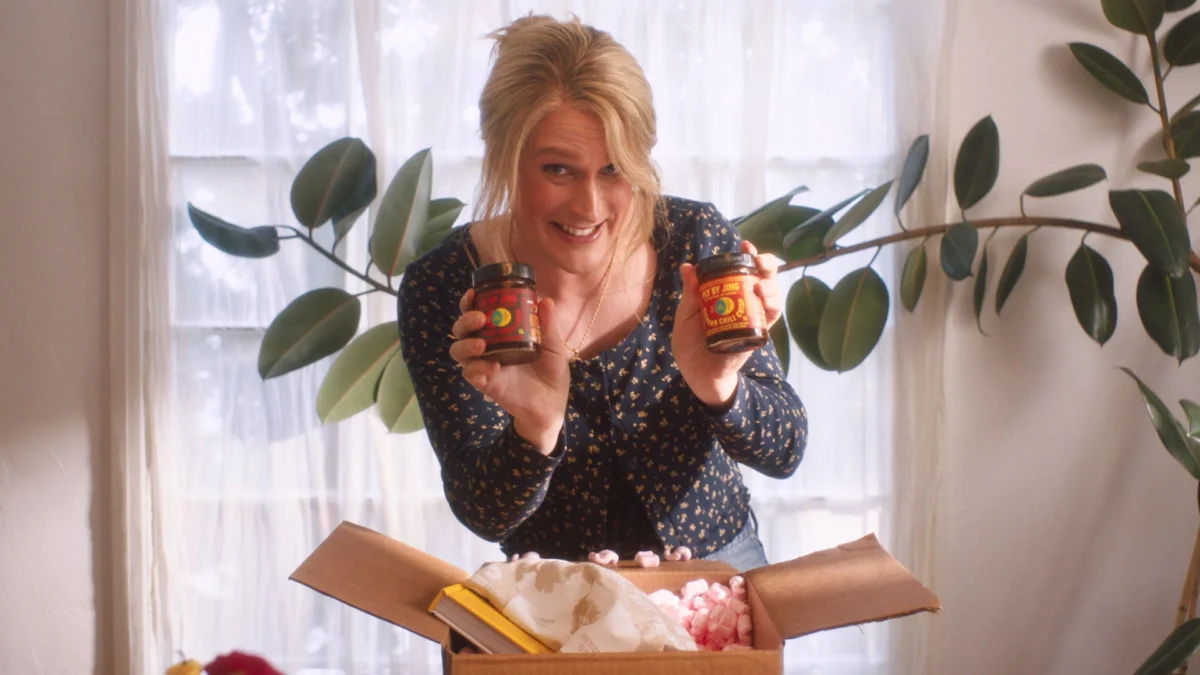
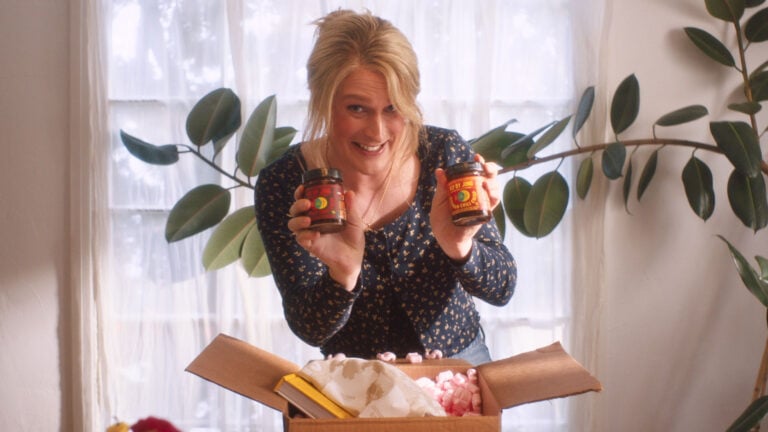
The project began to take shape as a desire to explore the performative nature of the "Influencer Age." By casting himself as the titular Maddie, a food influencer whose public persona stands in stark contrast to her private struggle with bulimia, Early utilized the medium of film to interrogate the very tools he uses to connect with his own audience.
A Chronology of the Craft
The production of Maddie’s Secret was marked by a rigorous commitment to tone. Early began the development phase in late 2023, seeking to create a visual language that felt like a "fever dream of the collective unconscious."
- Pre-Production (Winter 2023–Spring 2024): Early spent months deconstructing the cinematography of daytime soaps and erotic thrillers, working closely with his production design team to ensure that the lighting felt both artificial and deeply invasive.
- Principal Photography (Summer 2024): Filmed over the course of six weeks, the shoot was characterized by a high-intensity, improvisational energy. Early, acting as both lead and director, often maintained the character of Maddie even when behind the monitor, a method he claims helped him maintain the "fragile, performative shell" the character required.
- The Toronto Premiere (September 2024): The film’s debut at TIFF sent ripples through the independent film community. Critics were initially confused, then captivated, by the film’s tonal shifts—moving from slapstick comedy to harrowing psychological drama within a single sequence.
- Post-Production (Winter 2024–Spring 2025): The edit proved to be the most vital stage, as Early and his editors worked to balance the satire with the film’s more earnest, empathetic moments, ensuring the audience didn’t lose sight of the character’s pain amidst the stylistic flourishes.
High-Low Culture: The Anatomy of the Aesthetic
What distinguishes Maddie’s Secret from typical parodies is its lack of cynicism. While the film is undeniably funny, it treats its protagonist with a level of care that is rare in contemporary satire.
The "high-low" cultural touchstones are deployed not to mock the source material, but to highlight the absurdity of the modern human condition. For instance, the use of erotic thriller tropes serves as a metaphor for the way social media platforms sexualize and commodify the female body, particularly in the context of food and consumption. By juxtaposing the clinical, cold aesthetic of a PSA with the chaotic, messy reality of an eating disorder, Early forces the viewer to confront the failures of contemporary wellness culture.
"The intention was never to make a joke out of the struggle," Early noted during a recent press briefing. "The intention was to use the language of the ‘fake’—the TV movie, the influencer post, the thriller—to show how difficult it is to be a real person when you’re constantly being asked to be a product."
Official Responses and Critical Reception
Since its festival run, the film has garnered significant attention from both the mainstream press and the independent circuit. Film Comment, in its Summer 2026 issue, identifies the film as a "landmark in the new wave of creator-driven satire."
"Early has pulled off a feat that is often attempted but rarely successful," writes one critic. "He has made a film that understands the language of the internet so perfectly that it transcends it."
While some conservative critics have argued that the film’s subject matter is handled with "disconcerting flippancy," the prevailing consensus among peers and industry insiders is that the film serves as a courageous expansion of Early’s range. The choice to cast himself in the lead role has been particularly praised; it avoids the "gaze" of an outsider and instead offers an internal, almost claustrophobic look at the subject.
The Implications of a New Direction
The success of Maddie’s Secret raises questions about the future of comedy-led filmmaking. For decades, the transition from comedian to filmmaker was often relegated to the realm of the "vehicle"—films designed solely to showcase the star’s persona. Early, however, has opted for a "director-first" approach, where the persona is subsumed by the vision.
This shift has several implications for the industry:
- The Democratization of Auteurism: By utilizing the aesthetic of low-budget, "trashy" cinema, Early has demonstrated that an auteurist vision does not require an astronomical budget, but rather a distinct, coherent point of view.
- The Re-Evaluation of Camp: Maddie’s Secret suggests that camp is no longer just a defensive posture; it is a viable vehicle for sincere, heavy, and complex storytelling.
- The Future of the "Influencer" Narrative: As more creators move from social media to narrative film, Early’s work provides a blueprint for how to critique the digital landscape without falling into the trap of didacticism.
Conclusion: A Conversation Continued
As Maddie’s Secret prepares for its June 19 theatrical release, the buzz surrounding the film shows no sign of abating. It is a rare work that can simultaneously satisfy the desire for campy entertainment and the need for a deeper, more uncomfortable engagement with the way we live now.
For those looking to peel back the layers of Early’s directorial debut even further, Film Comment will soon be releasing an exclusive, in-depth second part of its conversation with the filmmaker. In this upcoming segment, Early discusses the technical challenges of the film’s most surreal sequences and the personal revelations he experienced while writing the script.
Whether Maddie’s Secret marks the beginning of a long directorial career for John Early or remains a singular, crystalline experiment, one thing is clear: the landscape of independent cinema has been irrevocably altered by his foray into the medium. He has proven that the most profound truths are often found in the most ridiculous places—if one only has the audacity to look.