The Silver Screen and the Ballot Box: Analyzing Film Policy in the 2024 Indonesian Election
Cinema is never merely a form of entertainment; it is an inherently political act. From the initial spark of imagination to the complex machinery of production and the final act of exhibition, the film industry intersects with the most strategic sectors of public life. It touches upon freedom of expression, the allocation of national resources, and the fulfillment of basic human needs. While idealists might view cinema as a pure expression of human creativity facilitated by technology, the reality is far more grounded. It is shaped by regulation—a force that determines whether a film remains a fragile idea or evolves into a cultural pillar. As Indonesia approached the 2024 General Election, the intersection of political ambition and the film industry became a focal point for those concerned with the country’s cultural future.
The Political Stakes of Creative Industry
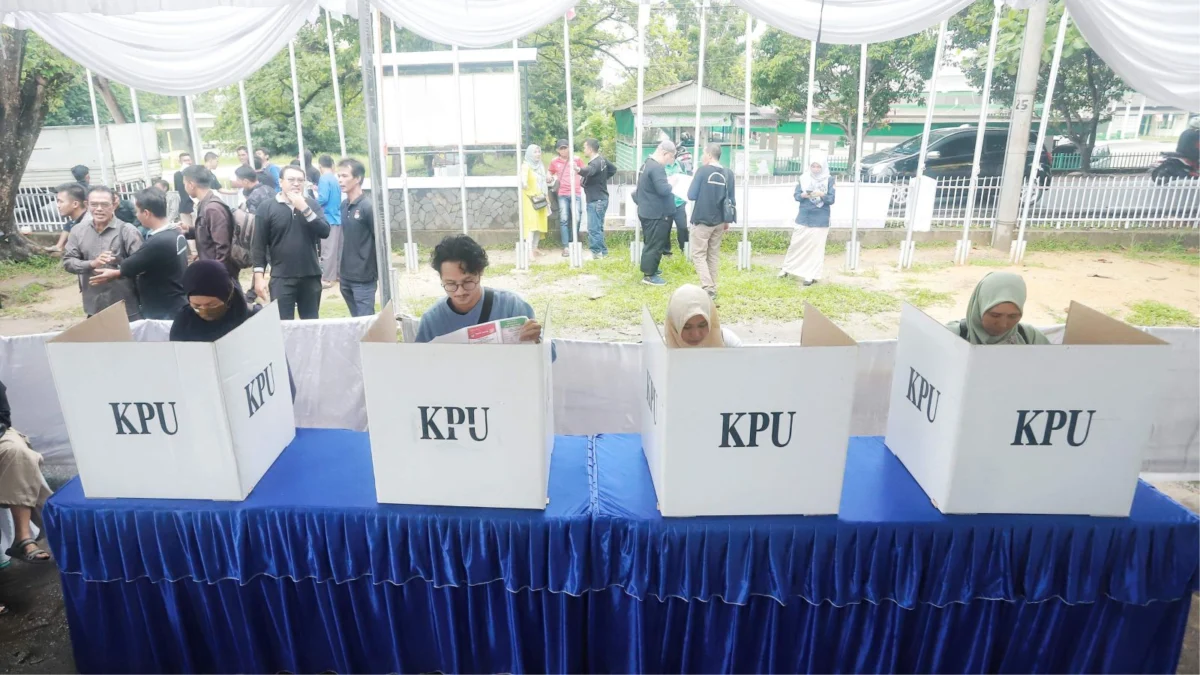
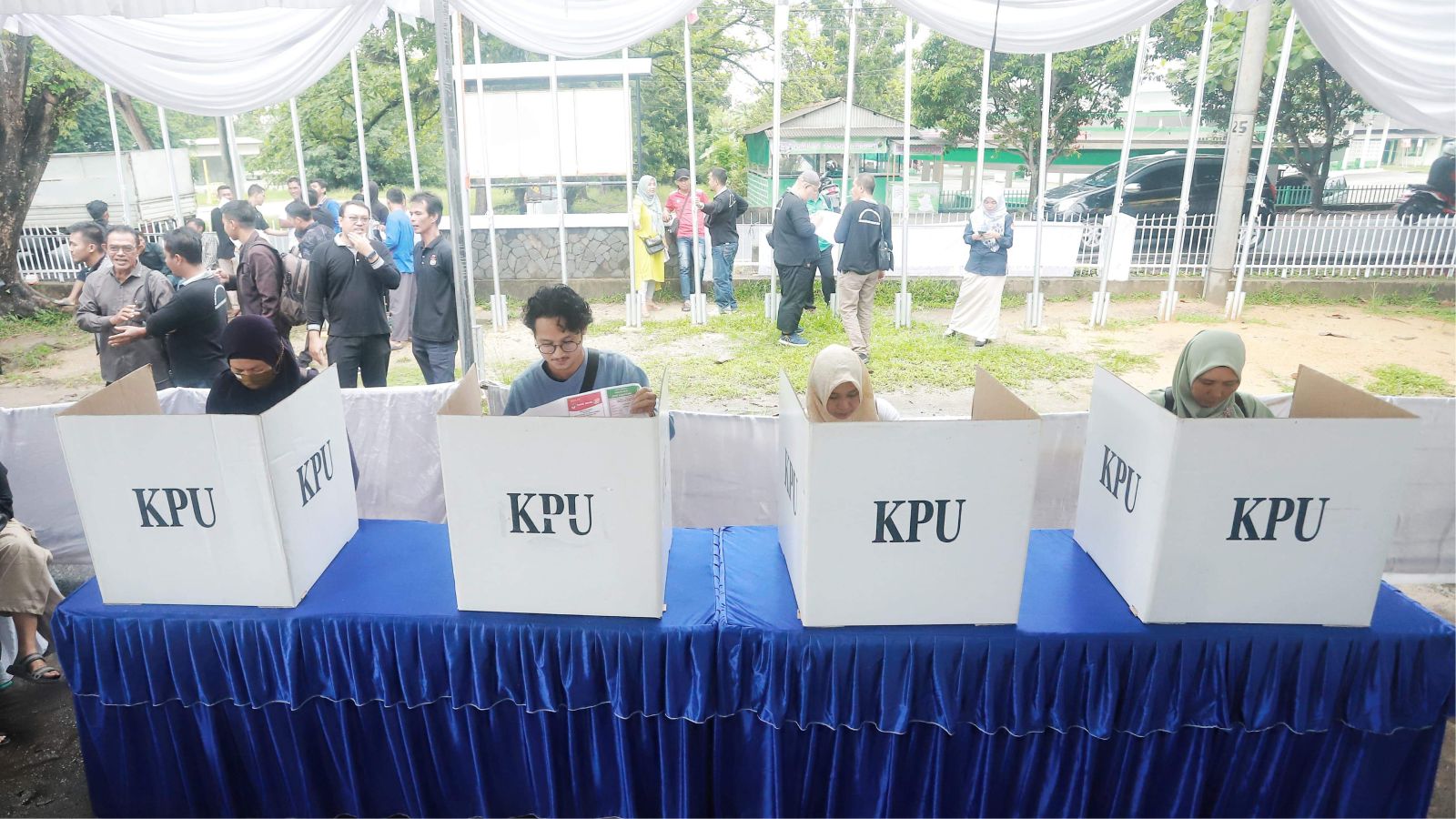
With the General Elections Commission (KPU) projecting that 107 million voters—roughly 55% of the total electorate—fall within the 17–40 age bracket, the creative sector has moved from the periphery to the center of campaign rhetoric. This demographic is both the primary producer and consumer of creative content, and the film industry sits at the heart of this demographic’s interests.
Over the past decade, the landscape of Indonesian cinema has undergone tectonic shifts. We have witnessed the massive growth of streaming services, the professionalization of certain departments, and a renewed, albeit inconsistent, effort by the state to foster cultural development. However, many systemic problems remain static, trapping workers in a cycle of precarious employment. This article serves as a critical examination of the agendas presented by the three presidential candidate pairs, grounded in data from the Indonesian Film Appreciation program and industry analysis.
The Crisis of Welfare: A Precarious Workforce
At the core of the Indonesian film industry lies a paradox: while the industry produces high-profile, profitable films, the workers behind the scenes often operate in a state of chronic vulnerability.

The Informal Trap
The vast majority of film production roles are informal. Unlike sectors protected by rigid labor laws, the film industry operates on a project-based system where contract security, social benefits, and fixed working hours are often nonexistent. The "Mari Syuting Sehat" (Let’s Shoot Healthy) campaign has long advocated for a 14-hour workday—including a one-hour buffer for set cleanup—yet even this standard is frequently violated.
When measured against the Indonesian Labor Law (UU Ketenagakerjaan), which mandates a 7–8 hour workday or 40 hours per week, the "normal" film production schedule is far from healthy. While the Job Creation Law (UU Cipta Kerja) and Government Regulation (PP) No. 35 of 2021 provide frameworks for overtime, they are rarely implemented in a way that protects the individual worker, often serving as a tool for employers to maximize output at the cost of the crew’s health.

The Turnover Dilemma
The lack of standardized operating procedures—covering occupational health, safety, and sexual harassment prevention—has contributed to an alarming 64% turnover rate among film workers, according to the Indonesian Film Board (BPI). Many professionals, burnt out by the lack of career trajectory and unstable income, simply abandon the industry, leading to a critical "brain drain" of experienced talent.
Regulatory Gaps and the Need for Integration
The current legislative framework, anchored by the 2009 Film Law (UU Perfilman), is woefully outdated. While the law classifies film as a medium for "culture, education, and entertainment," it fails to address the realities of modern trade, digital investment, and international cultural diplomacy.

In the last decade, two ministries have held primary responsibility: the Ministry of Education, Culture, Research, and Technology (Kemendikbudristek) and the Ministry of Tourism and Creative Economy (Kemenparekraf). While both have launched initiatives—such as the "Dana Indonesiana" for cultural preservation and "Akatara" for production funding—their efforts often run in parallel, lacking a unified strategic vision.
The Educational Disconnect
The disconnect between formal education and the industry is stark. With at least 21 universities and 63 vocational schools (SMK) offering film production programs, the country is producing a steady stream of graduates who frequently find themselves unable to enter the workforce. The curriculum often fails to mirror the rapid evolution of industry practices, and the lack of professional-academic partnerships risks creating a generation of "educated unemployed."

Distribution Bottlenecks and Market Disparity
Indonesia’s infrastructure for film exhibition remains severely underdeveloped. With only 2,145 screens serving 115 cities/regencies, the vast majority of the population—particularly outside the island of Java—is starved of access to cinema. This creates a "bottleneck" where even films that secure production funding struggle to find a venue to reach the public.
The Role of Alternative Screens
The burden of exhibition often falls on independent film communities, local cultural centers, and festivals. These entities operate largely on social capital and volunteerism, with 70% of these exhibitors not even charging for tickets. While they provide a vital "second life" to films that have exited the commercial circuit, they are perpetually one financial crisis away from folding. Government support for these spaces remains incidental and material-based, failing to address the structural need for a sustainable independent exhibition network.

Freedom of Expression and the Changing Face of Censorship
A healthy film industry requires an environment where diverse ideas can flourish. As noted by film analyst Adrian Jonathan Pasaribu, the diversity of a nation’s cinema is a direct indicator of its democratic health.
Historically, censorship in Indonesia was "vertical"—state-driven, top-down suppression of content deemed threatening to national interests. In the post-reform era, this has shifted toward "horizontal" censorship. Today, the pressure often comes from civil society groups, religious organizations, or local authorities, who use moral or religious sentiments to harass filmmakers and intimidate venue owners. The 2019 protests against the film Kucumbu Tubuh Indahku serve as a chilling reminder that even a government-approved film can be effectively banned by public pressure and the lack of state protection for the right to exhibit.

Analyzing the 2024 Candidate Agendas
As the election progressed, it became clear that none of the candidate pairs possessed a comprehensive, industry-specific roadmap. Instead, the film industry was subsumed under broad headers like "Creative Economy" or "Cultural Preservation."
Pair 01 (Anies-Muhaimin): The Five-Stage Roadmap
Anies Baswedan offered the most detailed engagement with the industry through his "Five Stages of Advancing Indonesian Cinema" proposal. His plan emphasizes talent development, production support, and, notably, the formation of film workers’ unions—a first in national political discourse. However, critics point out a distance between his campaign promises and his record as Minister of Education (2014–2016), which focused heavily on infrastructure (Pusbangfilm) rather than structural labor reform.

Pair 02 (Prabowo-Gibran): Preservation and Economic Growth
The Prabowo-Gibran agenda focuses on the "revitalization of cultural centers" and "people’s cinemas." Their platform explicitly links cinema to the creative economy’s potential to create jobs. While they pledge to uphold the 2017 Law on Cultural Advancement, the details remain abstract. Their focus on digital startups and cooperatives suggests a top-down economic approach that may not fully account for the unique, non-commodity nature of film production.
Pair 03 (Ganjar-Mahfud): The "Safe and Comfortable" Artist
The Ganjar-Mahfud platform prioritizes the welfare of artists through their "Seniman Aman dan Nyaman" (Safe and Comfortable Artist) program. They emphasize the role of creative cooperatives and intellectual property protection. Ganjar’s experience with the "Hetero Space" creative hubs in Central Java provides a tangible reference point for his promise to build creative infrastructure, yet like the other candidates, his national-level strategy for cinema remains largely reliant on existing bureaucratic frameworks.

Implications: A Call for Structural Change
The 2024 election cycle highlighted a systemic failure: while the state extracts taxes from the film industry—at every level, from individual salaries to ticket surcharges—it lacks a corresponding commitment to the industry’s long-term health.
The candidates’ focus on "building physical centers" and "revitalizing buildings" reflects a traditional, tangible view of progress that ignores the immaterial, structural needs of the industry: labor protection, intellectual property reform, and the creation of a sustainable, independent exhibition ecosystem.

Ultimately, the election results may change the personnel in power, but the fundamental struggle of the Indonesian film worker remains. The industry needs more than just a grand opening of a new cultural building; it requires a state that recognizes the film industry as a strategic cultural asset, one that requires protection from the whims of moral panics and the exploitation of unchecked, informal labor markets. The promises made on the campaign trail are fleeting, but the demand for a fair, diverse, and sustainable cinematic ecosystem is an eternal necessity for a maturing democracy.