Dispatches from the Croisette: A Deep Dive into the Cannes 2026 Competition
The 79th Cannes Film Festival is currently in full swing, transforming the French Riviera into the global epicenter of cinephilia. As the Film Comment team navigates the bustling Palais des Festivals, the atmosphere on the Croisette is electric, marked by a slate of premieres that are already shaping the discourse of the 2026 awards season. From the return of established auteurs to the emergence of bold new visions, this year’s competition is as intellectually rigorous as it is visually arresting.
In the latest episode of the Film Comment podcast, editor Devika Girish joins critics Öykü Sofuoğlu and Inney Prakash—the latter a programmer for the Asia Society—to dissect three of the most provocative films to have graced the screen thus far: the Esiri brothers’ Clarissa, Hirokazu Kore-eda’s Sheep in the Box, and Na Hong-jin’s Hope.
The State of the Festival: A Landscape of Auteurs
Cannes 2026 has been defined by a distinct "return to form" for the titans of international cinema. The festival’s official selection boasts a powerhouse roster, including the latest works from Pedro Almodóvar, Valeska Grisebach, James Gray, and Paweł Pawlikowski.
For the Film Comment editorial team, the objective is clear: to cut through the industry white noise and provide a critical framework for the films that matter. Beyond the daily dispatches and high-profile interviews, the publication has unveiled its signature "Cannes Critics’ Grid," a barometer that has become an essential tool for tracking the critical consensus as the jury deliberations loom closer.
Chronology of the Debated Premieres
The recent Film Comment podcast episode breaks down three distinct entries that have sparked significant conversation among the festival’s accredited press.
1. Clarissa: The Lagos Modernity
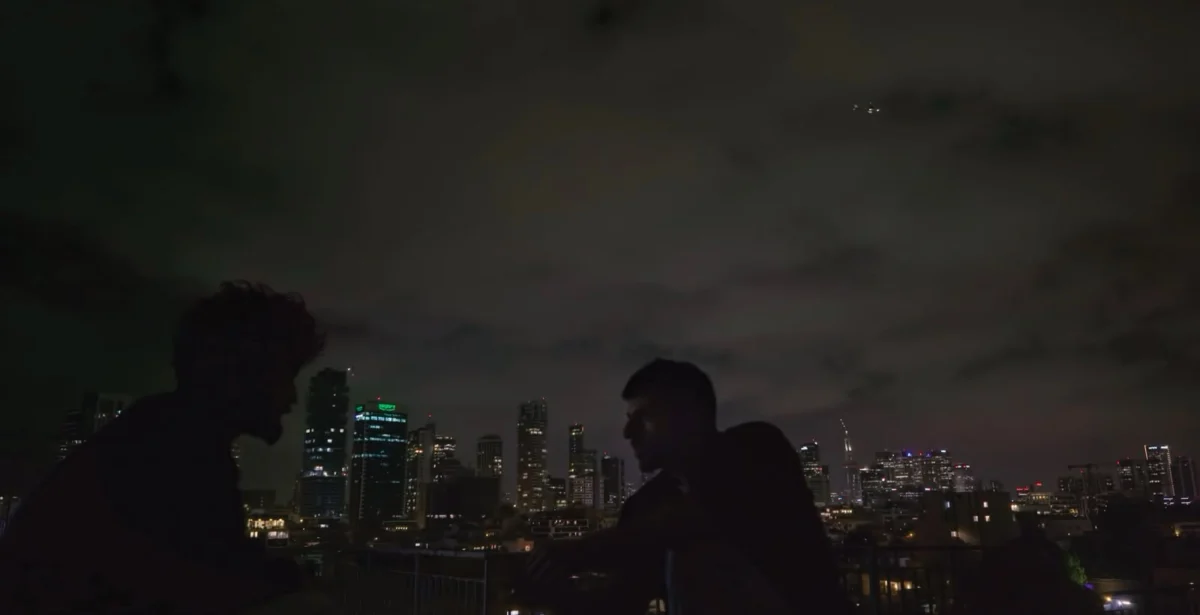
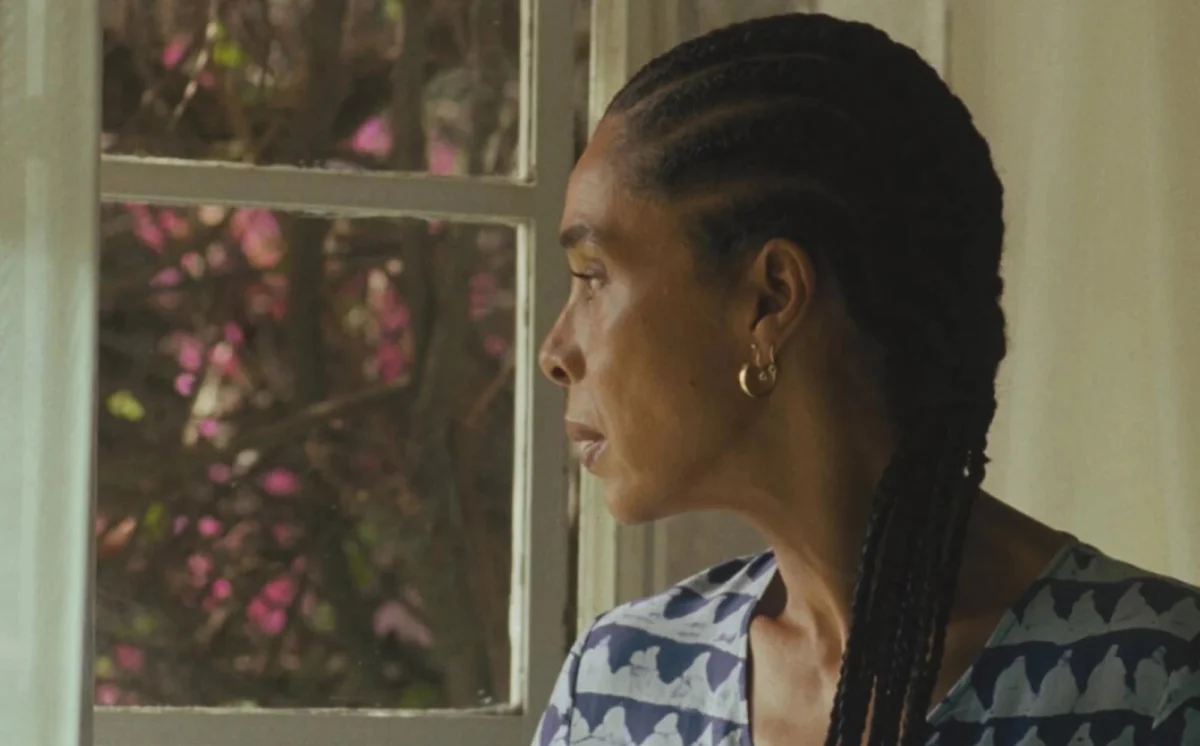
At the 3:18 mark of the podcast, the conversation turns to Arie and Chuko Esiri’s Clarissa. A daring, contemporary reimagining of Virginia Woolf’s Mrs. Dalloway, the film transposes the stream-of-consciousness narrative to the vibrant, chaotic backdrop of modern-day Lagos. The Esiri brothers, known for their atmospheric command of urban environments, manage to capture the pulse of a city in flux. Sofuoğlu and Prakash discuss how the film interrogates the concept of "the party" and the internal lives of the elite in a post-colonial urban center, marking a significant departure from standard literary adaptations.
2. Sheep in the Box: The AI Parable
At 18:50, the focus shifts to Hirokazu Kore-eda’s Sheep in the Box. Known for his humanist studies of family dynamics, Kore-eda takes a sharp, satirical turn here. The film serves as a chilling parable regarding the proliferation of artificial intelligence. In a world where machines are increasingly tasked with curating human experience, Kore-eda poses fundamental questions about the erosion of the individual soul. The panel debates whether this marks a "cynical" evolution in the filmmaker’s oeuvre or a necessary warning for the digital age.
3. Hope: High-Throttle Genre
Concluding the discussion at 33:09, the critics analyze Na Hong-jin’s Hope. A departure from the contemplative pacing of the previous two films, Hope is described as a "high-throttle monster movie." Na, a master of South Korean genre cinema, returns to form with a film that utilizes the horror aesthetic to explore the anxieties of the contemporary psyche. The panel explores how Na’s kinetic visual language elevates the "creature feature" into a profound statement on existential dread.
Supporting Data: The Critical Consensus
The "Cannes Critics’ Grid" is more than a simple scorecard; it represents a cross-section of global critical reception. While the festival continues to be a commercial marketplace, the critical reaction to these three films provides a window into the evolving tastes of the industry.
- Clarissa: Praised for its bold formal experimentation, though some critics remain divided on its fidelity to Woolf’s original text.
- Sheep in the Box: Currently holding one of the highest "intellectual engagement" scores on the grid, with critics citing it as a defining film of the 2026 AI-themed wave of cinema.
- Hope: Widely regarded as the most visceral experience of the festival, though its genre-heavy narrative has polarized those looking for more traditional "Cannes-style" dramas.
Official Responses and Industry Reception
The reception at the Grand Théâtre Lumière has been nothing short of rapturous. Following the premiere of Clarissa, the Esiri brothers were met with a prolonged standing ovation, a testament to the international appetite for African-led narratives that operate on a grand, literary scale.
Hirokazu Kore-eda, addressing a press conference shortly after the screening of Sheep in the Box, noted that his shift toward technological themes was "inevitable." He remarked, "When the lines between the human heart and the machine’s output become blurred, the filmmaker has no choice but to ask who is really holding the camera."
Na Hong-jin’s Hope has generated a different kind of buzz, with major streaming platforms and distributors reportedly engaged in a bidding war. The film’s ability to combine high-concept horror with emotional stakes has made it the "must-see" title for attendees hoping for a shock to the system.
Implications for the 2026 Season
The themes presented in these three films—post-colonial identity, the ethics of AI, and the nature of human fear—are likely to define the cinematic discourse for the remainder of the year.
For the industry, these films signal a move away from the "pandemic-era" introspective chamber dramas. We are seeing a return to large-scale, high-concept, and culturally specific storytelling that demands the scale of the cinema screen. The success of these films at Cannes will undoubtedly dictate the acquisition strategies for studios moving into the fall festival circuit in Venice and Toronto.
Furthermore, the Film Comment podcast highlights the role of the critic as an essential mediator. In an era of algorithm-driven content, the ability to debate, dissect, and place these films within a broader historical context is more vital than ever. The critical reception at Cannes is the first step in canonizing these films, and the discussions taking place in the podcast are the opening salvos of a much longer, more robust debate.
The Future of Film Comment
As the festival progresses, Film Comment continues to solidify its role as the primary venue for in-depth film analysis. The Summer 2026 issue of the magazine, which features further writing on these titles, will provide the definitive retrospective on the event.
For readers and listeners, the message is clear: the cinema is not dead; it is merely evolving. Through platforms like the Film Comment podcast, the audience is invited not just to watch, but to engage. By subscribing to the Film Comment Letter, cinephiles gain access to the kind of rigorous, thoughtful, and professional critique that the festival environment demands.
As the jury prepares to deliberate on the Palme d’Or, the eyes of the world remain fixed on the Croisette. Whether it is the subtle, poetic turns of Clarissa, the digital unease of Sheep in the Box, or the relentless intensity of Hope, the 2026 Cannes Film Festival is proving to be a watershed moment for world cinema.
Stay tuned to Film Comment as we continue our coverage, bringing you closer to the directors, the debates, and the films that are defining the future of the medium.