Beyond the Mistletoe: Why High-Profile Figures and Millions Worldwide Are Shunning the Christmas Season
While the global collective consciousness often associates the month of December with warmth, festive lights, family gatherings, and the joy of the holiday season, an increasingly visible segment of the population experiences a starkly different reality. For many, the relentless cheer of the Christmas season is not a source of comfort, but rather a catalyst for profound psychological stress, financial anxiety, and social alienation.
Far from being a universal period of joy, the year-end holidays have become a time of avoidance for individuals grappling with family disharmony, past trauma, social anxiety, and economic hardship. This phenomenon is not limited to the private sphere; several high-profile public figures have openly voiced their distaste for, or active avoidance of, traditional Christmas celebrations, shedding light on the complex socioeconomic and psychological dynamics that underpin the "holiday blues."
The Chronology of Festive Fatigue: How Christmas Became a High-Pressure Spectacle
To understand why a growing number of individuals—including celebrities with vast resources—choose to opt out of Christmas, it is essential to trace how the holiday evolved from a localized, community-centric observance into a high-pressure, hyper-commercialized global event.
[Late 19th Century] -----------------> [Mid-20th Century] -------------> [21st Century (Digital Era)]
Focus on community,                    Rise of corporate retail,         Social media amplifies comparison,
modest family gatherings,              mass marketing, and the           "perfect lifestyle" expectations,
and local religious traditions.        "ideal family" commercial standard. and acute financial pressure.
The Industrialization of Cheer
In the late 19th and early 20th centuries, the industrial revolution and the rise of department stores began reshaping Christmas into a consumer-driven holiday. Mass marketing established the expectation of gift-giving as a primary metric of affection and social standing.
The Mid-Century "Nuclear Family" Ideal
During the post-World War II era, advertising campaigns cemented the image of the perfect nuclear family gathered around a bountiful feast and a mountain of presents. This highly idealized, homogenous standard of happiness left little room for non-traditional families, estranged relatives, or those experiencing grief and economic hardship.
The Digital Era and Amplified Comparison
In the 21st century, the rise of social media platforms like Instagram and TikTok has intensified these pressures. The constant exposure to curated, aesthetically flawless holiday celebrations has created a phenomenon of "forced positivity." For those who do not possess the financial means, the physical health, or the harmonious family relationships depicted online, the holiday season serves as a painful annual reminder of what they lack, leading to conscious withdrawal and avoidance.
Supporting Data: The Psychological and Economic Realities of Holiday Stress
The decision to avoid Christmas is frequently grounded in measurable psychological and socioeconomic pressures. Quantitative research consistently reveals that the festive season triggers significant spikes in stress, anxiety, and depression across diverse demographics.
The Psychological Toll: "Holiday Blues" and Social Anxiety
According to data from the American Psychological Association (APA), approximately 38% of people report that their stress levels increase significantly during the holiday season. The primary drivers of this stress include:
- Time Poverty: The pressure to balance work, travel, holiday preparations, and social obligations leads to severe mental and physical exhaustion.
- Forced Socialization: For individuals dealing with social anxiety disorder (SAD) or general anxiety, the expectation to navigate crowded shopping centers, office parties, and large family gatherings can be deeply distressing.
- Grief and Estrangement: For those who have lost loved ones or are estranged from their families, the intense focus on togetherness can exacerbate feelings of loneliness and depression.
The Economic Burden of Gift-Giving and Travel
The financial strain of the holiday season is another major factor driving holiday avoidance. Retail surveys indicate that a substantial portion of holiday shoppers take on significant credit card debt to fund gifts, decorations, and travel.
For middle- and low-income households, the pressure to participate in consumerist traditions can lead to severe financial anxiety, prompting many to skip celebrations entirely to protect their financial well-being.
High-Profile Cases: Celebrities Who Reject the Festive Cheer
The pressure to conform to holiday traditions affects individuals across all social strata. A number of prominent public figures have publicly challenged the idealized narrative of Christmas, sharing their personal reasons for avoiding the festivities.
1. Miley Cyrus: Navigating Isolation Amidst the Festivities
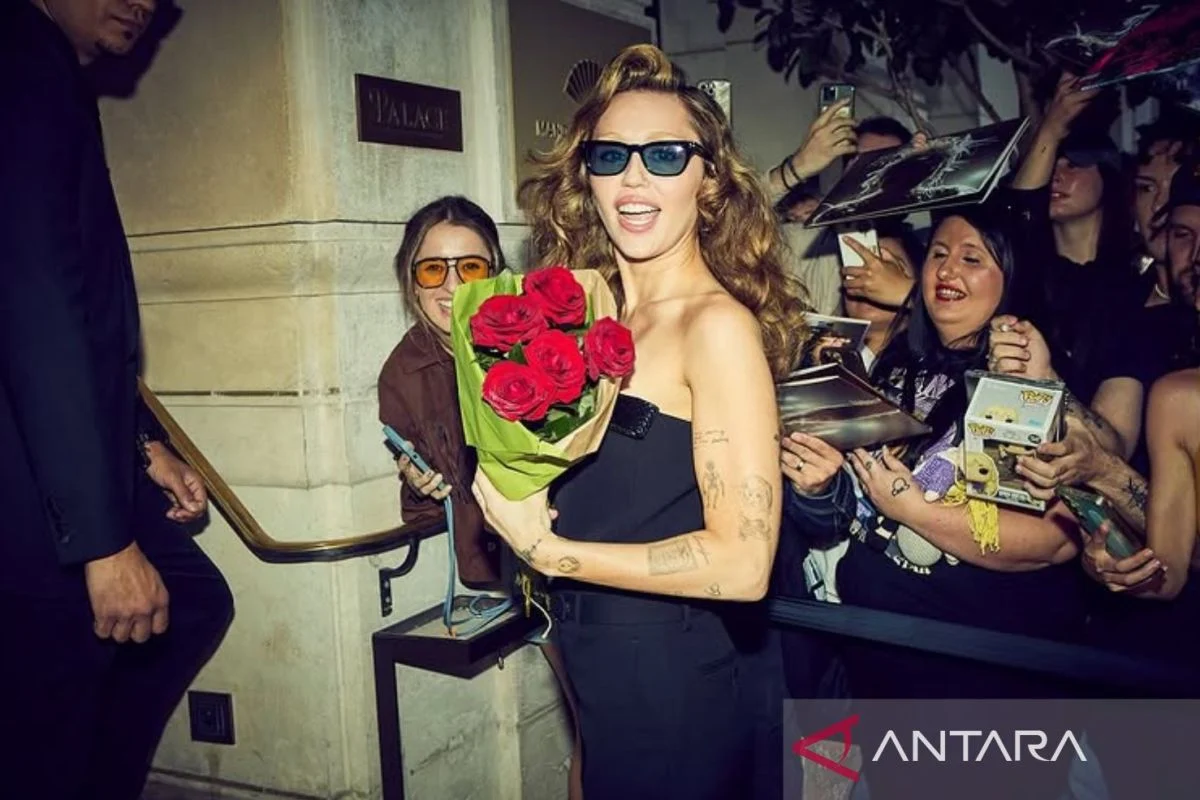
For multi-platinum singer-songwriter Miley Cyrus, the holiday season has historically been associated with feelings of deep-seated isolation. In 2019, Cyrus released "My Sad Christmas Song," a melancholic track that resonated with millions of listeners who feel alienated during the holidays.
Cyrus has openly discussed the irony of feeling profoundly lonely even when surrounded by a house full of family and friends. She has noted that high-pressure family gatherings often exacerbate underlying tensions, frequently culminating in arguments and forced apologies. Cyrus has characterized the intense commercialization and societal expectations of the period as a "waste of time and money," advocating instead for a more honest, low-pressure approach to the year-end holidays.
2. Marion Cotillard: An Early Rebellion Against Consumerism
Academy Award-winning French actress Marion Cotillard has long maintained a highly unconventional stance on Christmas, dating back to her childhood. The Inception star has revealed that she has never felt the traditional "Christmas spirit," viewing the holiday’s focus on material acquisition with skepticism from a very young age.
Cotillard recalled a pivotal childhood dispute with her mother, during which she flatly refused to accept Christmas presents. Her mother was deeply upset, struggling to understand why her daughter would reject gifts when other children had so little. Cotillard, however, remained firm in her philosophical stance, arguing that she did not need material goods to feel loved or content. Her lifelong avoidance of traditional gift-giving underscores a deeper critique of the holiday’s consumerist foundations.
3. Noel Gallagher: The Ultimate Cynic of Festive Boredom
Noel Gallagher, the legendary former songwriter and guitarist of the British rock band Oasis, is famously candid about his disdain for Christmas. In a supreme irony, the musician’s first name literally translates to "Christmas" in French—a fact that has not softened his cynical outlook on the holiday.
Gallagher has repeatedly labeled the entire festive season as an incredibly boring, nonsensical ordeal. Rather than participating in traditional holiday activities like baking cookies or hosting elaborate dinners, Gallagher has stated that he prefers to treat the day like any other, opting for simplicity—such as eating a large bag of chips—over manufactured holiday cheer. "Christmas is dreadfully boring," Gallagher remarked in interviews, criticizing the societal pressure to pretend that the holiday is a magical event.
4. Ozzy Osbourne: A Battle Against Addiction and Commercialism
For rock icon and Black Sabbath frontman Ozzy Osbourne, the Christmas season was historically a period of intense personal struggle. Osbourne has been highly vocal about his intense dislike for the holiday, pointing to its rampant commercialism and the immense pressure it places on individuals.
During his years of active substance abuse, Osbourne admitted to using alcohol as a coping mechanism to survive the holiday period, once famously purchasing a 28-gallon keg of beer to numb himself before Christmas Eve. Beyond his personal struggles with addiction—which are often triggered by the high-stress environment of the holidays—Osbourne has expressed deep frustration with the artificiality of the season, criticizing the societal expectation to buy expensive gifts and perform happiness on command.
Expert Responses: Psychological Frameworks for Holiday Avoidance
Mental health professionals and clinical psychologists have increasingly sought to normalize the choice to avoid or scale back Christmas celebrations. Rather than viewing holiday avoidance as a sign of pathology or hostility, experts frame it as a legitimate form of self-preservation and boundary-setting.
| Challenge | Psychological Impact | Recommended Coping Strategy |
|---|---|---|
| Toxic Positivity | Emotional suppression, guilt, and heightened anxiety. | Radical Acceptance: Acknowledge and validate negative emotions instead of forcing cheer. |
| Family Dysfunctional Dynamics | Triggering of past trauma, regression, and interpersonal conflict. | Boundary Setting: Establish strict limits on visit durations or politely decline invitations. |
| Financial Strain | Chronic stress, anxiety, and long-term financial vulnerability. | Alternative Celebrations: Shift focus to low-cost, experiential activities or opt-out entirely. |
Normalizing the "Holiday Blues"
Psychologists emphasize that the human brain does not automatically adjust its emotional state simply because the calendar reads December 25. The phenomenon of "toxic positivity"—the societal pressure to maintain a happy demeanor regardless of one’s actual emotional state—can be highly damaging. Therapists advise individuals to practice radical acceptance, allowing themselves to feel sad, tired, or indifferent during the holidays without experiencing guilt.
The Importance of Boundary Setting
For those who choose to interact with family but find the experience draining, mental health experts recommend establishing clear, non-negotiable boundaries. This can include:
- Limiting the duration of family visits.
- Declining to participate in sensitive or triggering conversations.
- Establishing financial limits on gift exchanges to mitigate economic anxiety.
Implications: The Shift Toward Mindful and Alternative Celebrations
The growing openness of celebrities and the public regarding their aversion to Christmas is driving a broader cultural shift. Society is gradually moving away from a rigid, one-size-fits-all model of holiday celebration toward a more inclusive, mindful approach to the winter season.
The Rise of Alternative Traditions
As the pressure to conform decreases, many are choosing to redefine the holidays on their own terms. This has led to the rise of alternative practices, such as:
- Solo Travel: Utilizing the holiday break to travel alone, focusing on personal rest and rejuvenation rather than social obligations.
- Volunteerism: Channeling the spirit of giving away from commercial consumerism and toward community service and helping marginalized populations.
- "Friendsgiving" and Chosen Family Gatherings: Celebrating with supportive peer networks rather than biological families, particularly among the LGBTQ+ community and those estranged from their relatives.
Redefining the Festive Season
Ultimately, the testimonies of figures like Miley Cyrus, Marion Cotillard, Noel Gallagher, and Ozzy Osbourne highlight a crucial societal truth: the holiday season is not a monolithic experience.
By dismantling the expectation of mandatory joy and consumerist excess, society opens the door to a more compassionate, realistic understanding of mental health, financial stability, and personal boundaries during the year-end holidays. Whether one chooses to celebrate with elaborate traditions, quiet reflection, or by bypassing the season entirely, the prioritization of mental well-being remains the most valuable gift of all.