From YouTube Roots to Prime Video Royalty: The Evolution of ‘Hazbin Hotel’
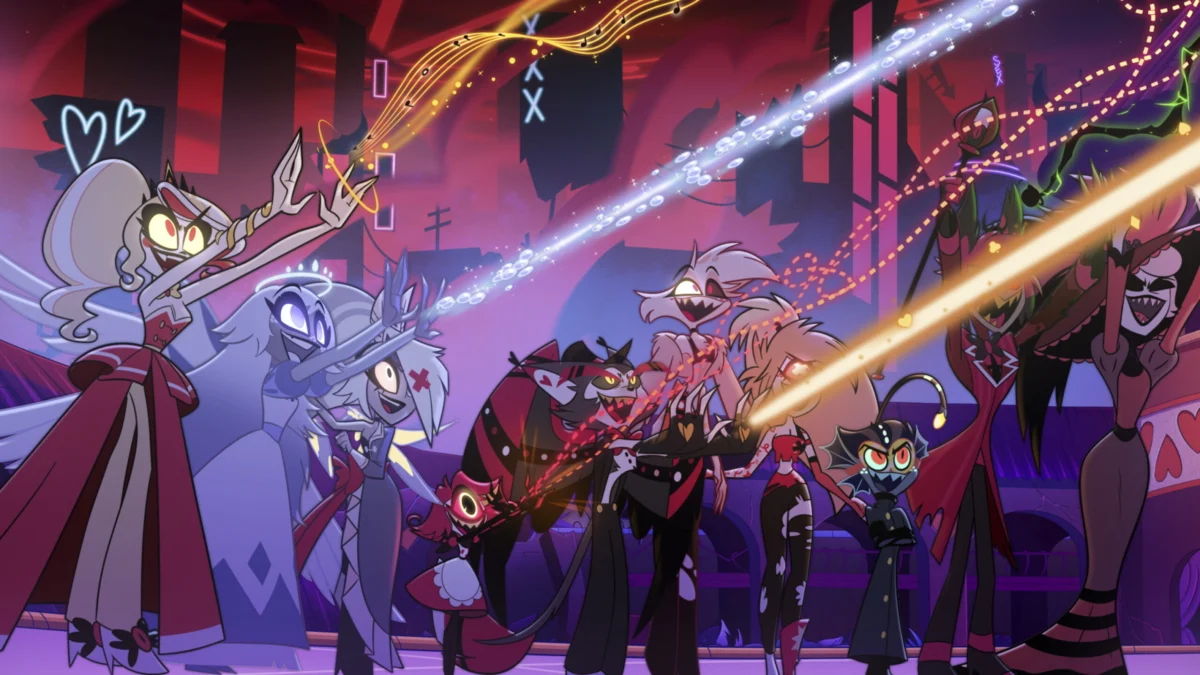
For any independent creator, the distance between a concept mapped out in the mind and the tangible, finished product on screen is vast. Bridging that gap requires not only creative vision but a staggering amount of logistical and financial support. For Vivienne Medrano, the mastermind behind the profane, profound, and musical animated sensation Hazbin Hotel, that journey has been a decade-long odyssey from a standalone pilot on YouTube to a four-season, high-budget commitment from Prime Video. With the conclusion of its second season, Hazbin Hotel has cemented itself as a cultural phenomenon, redefining what adult animation can achieve in the streaming era.
The Genesis of an Animated Empire
The story of Hazbin Hotel is a testament to the changing landscape of media production. Medrano’s independent studio, Spindlehorse Toons, initially introduced the world to Charlie Morningstar—the daughter of Lucifer attempting to rehabilitate souls in a hotel to save them from the annual purge of Hell—via a viral YouTube pilot. The grassroots success of the project caught the eye of industry giants, eventually leading to a partnership with A24 and Prime Video.
This transition from an indie project to a serialized streaming powerhouse was not without its growing pains. The show exists in a shared fictional universe with its sister series, Helluva Boss, which remains under the Spindlehorse banner. Balancing the specific, high-octane animation pipeline required for Hazbin—which involves a collaborative effort between Spindlehorse and Bento Box Entertainment—has been a process of iterative learning. As the series moves into its third and fourth seasons, the infrastructure supporting the animation has matured, allowing the visual ambition of the show to catch up with the scope of its narrative.
Chronology: From Digital Sketch to Global Hit
The trajectory of Hazbin Hotel is a roadmap for modern content creators. The early stages were defined by pure, unadulterated passion—an "edgy Tumblr OC" concept that Medrano developed in her youth. When the pilot debuted on YouTube, it wasn’t just a video; it was a rallying point for a community that found deep resonance in the show’s blend of gore, musical theater, and queer-positive narratives.

Following the success of the pilot, the partnership with A24 and Amazon’s Prime Video provided the stability required to scale. Season 1 was a high-wire act, proving that the concept could sustain a full television arc. By the time production began on Season 2, the team had found their rhythm. The show’s "curtain call" at the end of the second season—marked by a pivotal, cliffhanger phone call for Charlie—signals a shift in the show’s momentum. While Season 1 was about proving the viability of the premise, Season 2 was about deepening the emotional stakes and expanding the world-building, setting a new benchmark for the franchise.
Supporting Data: The Power of the Voice
One of the most compelling aspects of Hazbin Hotel is the creative feedback loop between its writing staff and its voice cast. Medrano emphasizes that while characters often start as archetypes, they evolve significantly once the actors step into the recording booth.
A quintessential example is the character of Lucifer Morningstar, voiced by Jeremy Jordan. Medrano’s initial vision for the Devil was a "zany," clean-cut, and overtly comedic figure, heavily influenced by the spectacle of The Greatest Showman. However, Jordan’s interpretation brought a layer of "vulgar, affectionately depressed" humanity to the character. This evolution forced the writing team to pivot, allowing them to lean into a more authentic, melancholic version of the character that resonated more deeply with the audience.
This collaborative "acting" process extends to the musical numbers as well. The songwriting process has shifted from an open-slate approach in the early days to a more curated effort. Medrano now identifies specific "wants" for her characters—such as the standout musical moment for the character Niffty (voiced by Kimiko Glenn)—and builds entire plot threads around those moments. This deliberate design ensures that songs serve the character’s emotional arc rather than simply acting as filler.

Official Perspectives: Navigating Tone and Style
In a recent interview with IndieWire, Medrano reflected on the challenges of maintaining the show’s identity as it grows in popularity. The "demonic blender" of influences—ranging from early 2000s Nickelodeon and Disney classics to gritty, modern adult animation—creates a unique tonal landscape.
"I am mindful that my style is inherently a lighter look," Medrano explained when asked about the show’s potential to go darker. She notes that while series like Invincible or Rick and Morty possess a visual language that complements extreme, disturbing violence, Hazbin Hotel maintains a "cartoony" edge. This distinction is crucial to the show’s success. It allows the series to tackle heavy, existential themes—redemption, morality, and systemic corruption—without losing the irreverent, musical-comedy DNA that drew viewers to it in the first place.
Medrano describes the show’s internal culture as one that takes the narrative "obscenely seriously" while remaining grounded in the fact that the creator herself does not. This duality is baked into the show’s DNA: it is a story about the end of the world and the potential for salvation, told through the lens of characters who are, at their core, flawed, funny, and deeply relatable.
Implications for the Industry
The success of Hazbin Hotel signals a broader shift in how media conglomerates value independent animation. By providing a platform for a creator who already built a massive, dedicated fanbase, Prime Video has tapped into a highly engaged audience that traditional marketing often fails to reach.

Furthermore, the show’s "nexus point" appeal—combining action, musical numbers, and explicit LGBTQ+ themes—has proven that there is a massive, underserved market for adult animation that isn’t afraid to be both earnest and vulgar. The "Huskerdust" shippers and the wider fandom have demonstrated that fans are not just passive consumers; they are active participants in the life of the show. Their engagement with the lore and the characters has created a feedback loop that forces the production to remain sharp and responsive.
Looking Toward the Future
As the series heads into its confirmed third and fourth seasons, the stakes are undeniably higher. The "curtain call" of Season 2 leaves the audience with more questions than answers, and the production team is already deep into the process of translating Medrano’s long-term vision into reality.
For the animation industry, Hazbin Hotel stands as a blueprint for the future. It proves that the "independent to industrial" pipeline is not just possible, but potentially the most effective way to produce high-quality, character-driven animation. As the show balances the increasing seriousness of its plot with the inherent, chaotic charm of its characters, one thing remains clear: Charlie Morningstar’s hotel has plenty of room for more growth, more music, and more redemption.
Ultimately, Hazbin Hotel is a triumph of persistence. It is a show that refused to compromise its unique, bizarre, and heartfelt identity, even as it was scaled up for a global audience. Whether it’s the nuanced voice acting, the meticulous song-writing, or the vibrant, demonic aesthetic, every element of the show is a reflection of a creator who knew exactly what she wanted to make—and who found the perfect, if unlikely, partners to help her build it.

Hazbin Hotel Season 2 is currently available for streaming on Prime Video, serving as a reminder that even in the deepest, darkest pits of Hell, there is always room for a catchy song and a little bit of hope.