The Emmy Aftermath: When Will TV’s Biggest Winners Return to Our Screens?
The Emmy Awards have historically served a dual purpose in the television ecosystem: they provide a definitive capstone to a completed viewing season while simultaneously acting as a high-profile launchpad for the next. As the glitter of the recent Emmy ceremonies settles, a familiar question occupies the minds of television enthusiasts and industry analysts alike: When will our favorite acclaimed programs actually return to television?
The television landscape in the streaming era is defined by extreme volatility in production schedules. While some Emmy-winning powerhouses are poised to return almost immediately, others demand a test of patience from viewers, with hiatuses stretching far into the horizon.
Main Facts: The Great Divide in Television Production Schedules
The modern television economy has created a distinct polarization regarding how quickly networks and streaming services can turn around prestige content. On one side of the spectrum, certain hit shows operate with a reliable, near-annual cadence, allowing audiences to dive back into familiar worlds mere weeks or months after taking home gold. Shows such as The Diplomat, Slow Horses, The Traitors, and Saturday Night Live exemplify this rapid-fire turnaround, rewarding their newly minted Emmy accolades with almost immediate visibility.
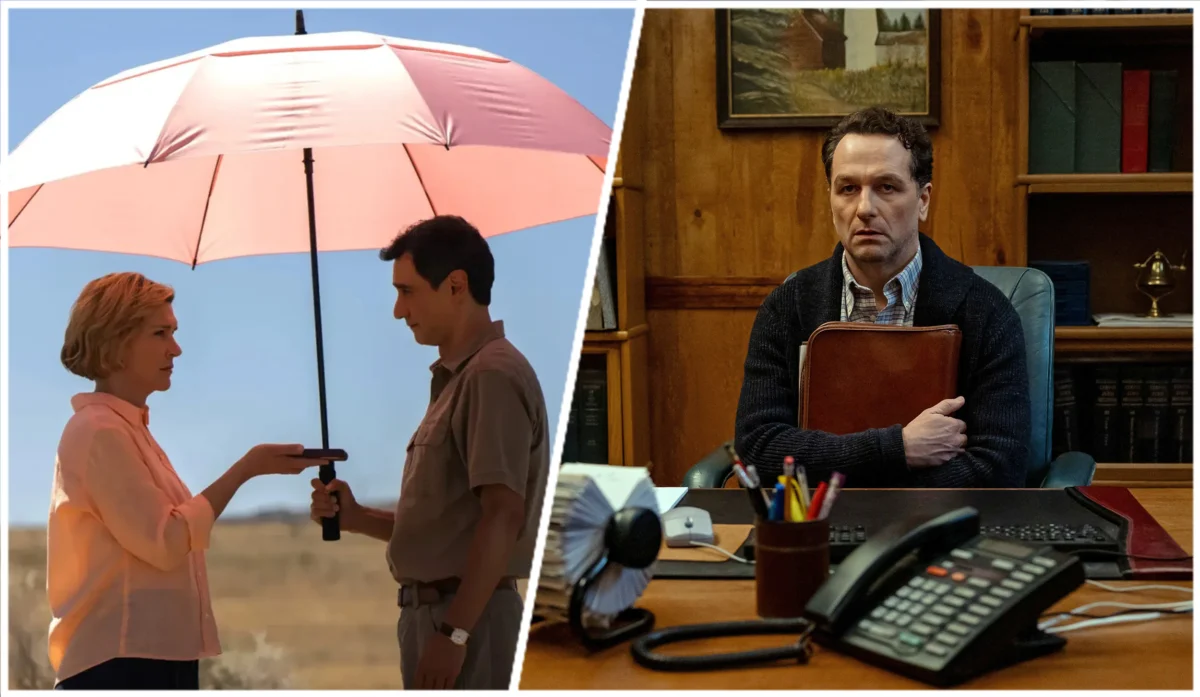
Conversely, the era of "peak TV" and high-concept streaming has entrenched the long hiatus as an industry standard. Shows that rely heavily on complex visual effects, intricate writing rooms, and cinematic world-building often require multi-year development cycles. For instance, high-profile winners like Pluribus and Widow’s Bay are still laboring away in the writing phases, with premiere dates pushed out to 2028 at the earliest.

Furthermore, the television landscape must also bid farewell to several beloved properties. This year’s Emmy winners circle included several series that officially closed their doors for good, leaving fans to mourn the permanent conclusions of critical darlings like Hacks, The Late Show With Stephen Colbert, Palm Royale, and Spider-Noir.
Chronology: The Fall 2026 and Early 2027 Return Calendar
For viewers eager to track the immediate future of television, a handful of recent Emmy winners are staging rapid comebacks through the final months of the year and into the early weeks of the next.
September to October 2026
- September 16 – Slow Horses (Season 6): Following its recent Emmy triumph for Best Drama Directing (awarded to Saul Metzstein), the espionage favorite returns to pick up right where it left off.
- September 17 – The Traitors: New Blood (Season 1): Fresh off a dominant showing at the Emmys—including wins for Best Competition Program and Best Reality Host for Alan Cumming—the franchise expands with New Blood, while the flagship series is slated to return for Season 5 in January.
- September 26 – Saturday Night Live (Season 52): Late-night television’s anchor continues its historic run, entering its 52nd season hot off a Best Makeup Emmy win.
- October 15 – The Diplomat (Season 4): Anchored by stellar performances and a recent Best Drama Supporting Actress win for Allison Janney, political thrills return to Netflix mid-fall.
Early 2027
- Early 2027 – The Studio (Season 2): Building on its sweeping 2025 comedy dominance—which included Best Comedy Series and Best Comedy Actor for Seth Rogen—the sophomore season eyes an early year release.
- Early 2027 – The Pitt (Season 3): Currently in active production, the medical drama is filming its third installment with an eye toward a winter or spring premiere, placing it squarely in the window to compete for the 2027 Emmys. Noah Wyle and the ensemble cast are racing against the clock to maintain their momentum following major wins for Best Drama Series and Best Drama Actor.
Supporting Data: The 2026–2027 Emmy Winner Return Matrix
While some dates are locked into the fall and winter calendar, many of television’s most heavily decorated properties remain without a definitive release date. The table below outlines the expected return timelines and recent accolades for top-tier Emmy winners:
| Show Title | Season | Expected Return | Notable Recent Emmy Wins |
|---|---|---|---|
| Slow Horses | Season 6 | September 16, 2026 | Best Drama Directing |
| The Traitors | Season 5 / New Blood | Sept. 17 / Jan. | Best Competition Program, Best Reality Host |
| Saturday Night Live | Season 52 | September 26, 2026 | Best Makeup |
| The Diplomat | Season 4 | October 15, 2026 | Best Drama Supporting Actress (Allison Janney) |
| The Studio | Season 2 | Early 2027 | Best Comedy Series, Best Comedy Actor (Seth Rogen) |
| The Pitt | Season 3 | Early 2027 | Best Drama Series, Best Drama Actor (Noah Wyle) |
| Bridgerton | Season 5 | To Be Announced | Best Character Voice-Over, Best Hairstyling |
| Fallout | Season 2 | To Be Announced | Best Costumes, Best Production Design |
| House of the Dragon | Season 4 | To Be Announced | Best Makeup |
| Love on the Spectrum | Season 5 | To Be Announced | Best Unstructured Reality, Casting, Editing |
| Margo’s Got Money Troubles | Season 2 | To Be Announced | Best Costumes, Hairstyling, Makeup |
| Pluribus | Season 2 | 2028 (Earliest) | Best Drama Actress (Rhea Seehorn), Writing |
| Severance | Season 3 | To Be Announced | Best Drama Actress, Supporting Actor |
| Shōgun | Season 2 | To Be Announced | Best Drama Series, Best Drama Actor |
| Task | Season 2 | To Be Announced | Best Drama Supporting Actor (Tom Pelphrey) |
| The White Lotus | Season 4 | To Be Announced | Best Main Title Theme Music |
| Widow’s Bay | Season 2 | 2028 (Earliest) | Best Comedy Series, Best Comedy Actor (Matthew Rhys) |
Official Responses and Industry Perspectives
The phenomenon of extended gaps between television seasons has prompted considerable commentary from creators, network executives, and the actors themselves. The sentiment across the board is that the nature of television production has fundamentally changed.

Cast members from complex series like The Pitt and Widow’s Bay have frequently noted during press rounds that the cinematic scale of modern television scripts requires a filmmaking approach rather than a traditional episodic assembly line. Sepideh Moafi and Noah Wyle, speaking on the rigorous production schedule of The Pitt, highlighted that maintaining high dramatic stakes while executing block-shooting schedules demands intensive physical and emotional investments from the crew.
Similarly, creators working within streaming environments have leaned into the "Stranger Things effect," acknowledging that audiences are increasingly willing to wait two or even three years between seasons if the final product maintains a high standard of quality. Showrunners for high-concept sci-fi and historical dramas like Pluribus and Shōgun have argued that rushing post-production and visual effects work actively harms the creative integrity of the medium, making the extended hiatus a necessary sacrifice for prestige television.
Implications: What Long Production Windows Mean for the Emmy Race
The widening gaps between television seasons carry profound implications for the broader entertainment industry, particularly regarding awards strategy and audience retention.
1. The Erosion of Serial Momentum
When a series takes a two-to-three-year hiatus between seasons, maintaining cultural saturation becomes a monumental challenge. While tentpole franchises like House of the Dragon or Severance possess built-in fanbases capable of weathering long pauses, smaller or mid-budget shows risk losing public discourse momentum in an oversaturated media ecosystem.

2. Shifting Awards Dynamics
The Emmys themselves are forced to adapt to a shifting playing field. With heavy-hitting dramas and comedies appearing biennially rather than annually, the competitive landscape fluctuates wildly year-to-year. A network might dominate one cycle only to be completely absent from the ballot the following year due to production gridlock. This structural rhythm benefits shows that can maintain a consistent, annual footprint—such as network stalwarts and reality competition juggernauts—while forcing prestige streaming dramas to campaign heavily on legacy momentum rather than fresh cultural resonance.
Ultimately, as the television industry navigates this era of extended production cycles, viewers must recalibrate their expectations. The gratification of an immediate season return is now a rare luxury, while the multi-year wait has become the definitive cost of admission for television’s highest-tier storytelling.