The Odyssey’s Mythic Triumph: How Christopher Nolan Conquered the Box Office Once Again
In an era where the theatrical landscape is increasingly dominated by sequels, prequels, and established intellectual property, Christopher Nolan has once again defied the odds—and the gods—with his latest cinematic achievement, The Odyssey. Defying conventional wisdom, the film transformed a 3,000-year-old foundational text of Western literature into a modern blockbuster juggernaut, delivering a sensational $124.5 million domestically and a staggering $264.1 million globally during its opening weekend.
The success of The Odyssey serves as a powerful testament to the unique magnetism of Christopher Nolan. Having cultivated a brand that prioritizes scale, technical precision, and intellectual depth, Nolan has solidified his status as one of the few directors in history whose name alone serves as a guarantee of quality for global audiences.
The Mythic Numbers: A Global Breakdown
The box office performance of The Odyssey is nothing short of historic. The film secured the largest global debut of Nolan’s storied career, eclipsing the previous benchmark set by 2012’s The Dark Knight Rises, which opened to $249 million (unadjusted for inflation).
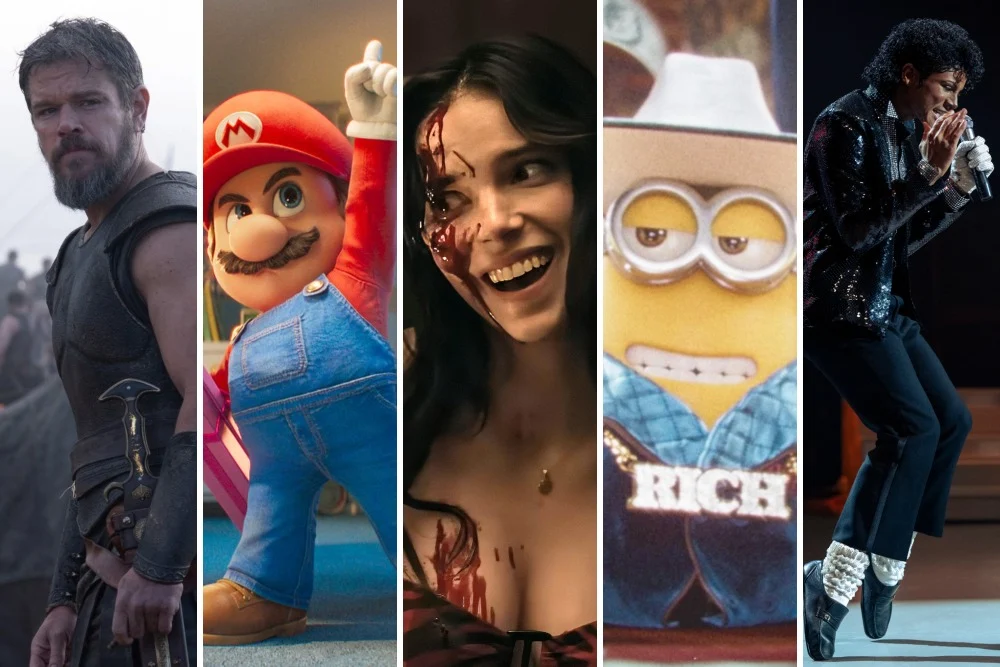
In the broader context of the 2026 release calendar, The Odyssey holds the position of the third-largest domestic and worldwide opening of the year. It follows only Toy Story 5—which debuted to $159 million domestically and $312 million globally—and The Super Mario Galaxy Movie, which raked in $131 million domestically and $372 million globally. While those titles benefit from the safety of long-standing, multi-generational franchises, The Odyssey relies entirely on the weight of its director and the curiosity of the public regarding a classical epic brought to life with unprecedented technological ambition.
David A. Gross, publisher of the industry-leading box office newsletter FranchiseRe, notes that the result is a validation of the "Nolan Brand." "This is a Christopher Nolan tour-de-force," Gross says. "Having directed 13 films, Nolan has become a unique and singular talent, with a loyal and enthusiastic following that crosses demographic lines."
Chronology of an Epic: From Page to Screen
The path to The Odyssey’s opening weekend was paved with years of meticulous planning and a strategic marketing rollout that treated the film not just as a movie, but as a cultural event.
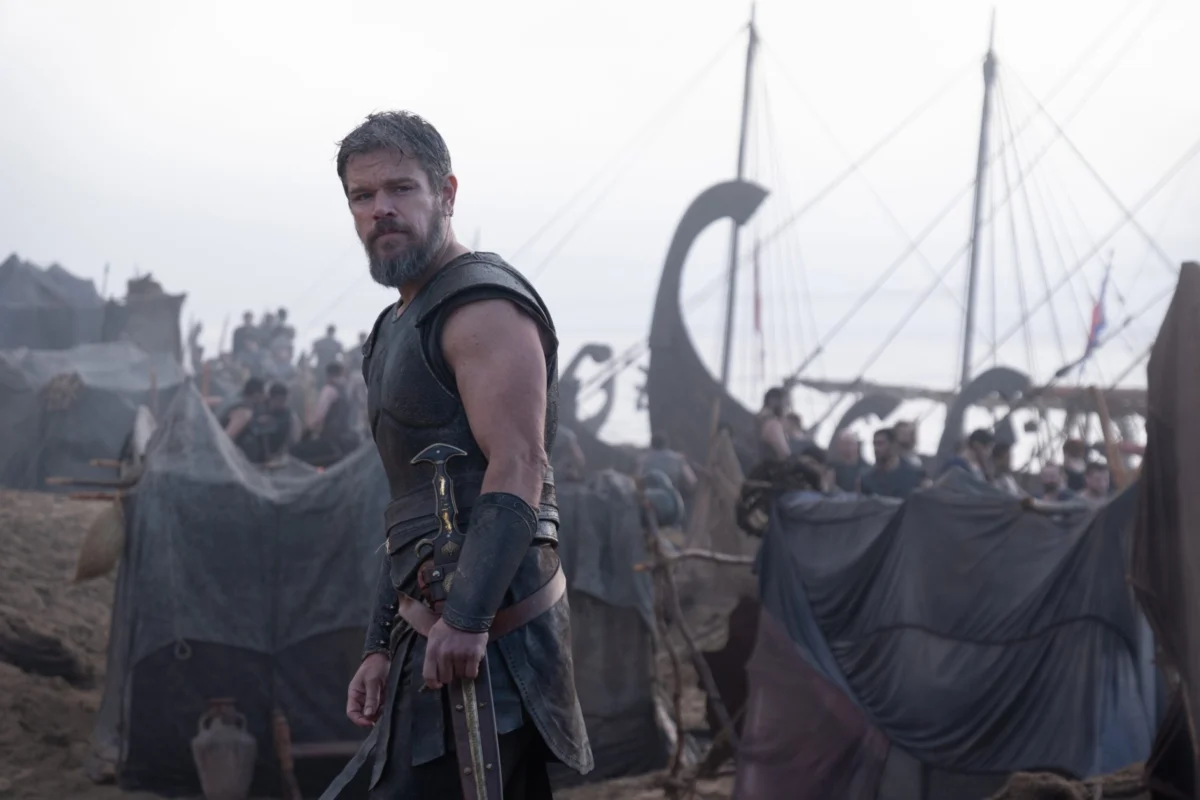
- Development and Production: Universal Pictures invested a staggering $250 million into the production of the film. The ambition was to adapt Homer’s epic—following King Odysseus’s harrowing, ten-year journey home from the Trojan War—with a level of realism and scale that felt grounded in the ancient world.
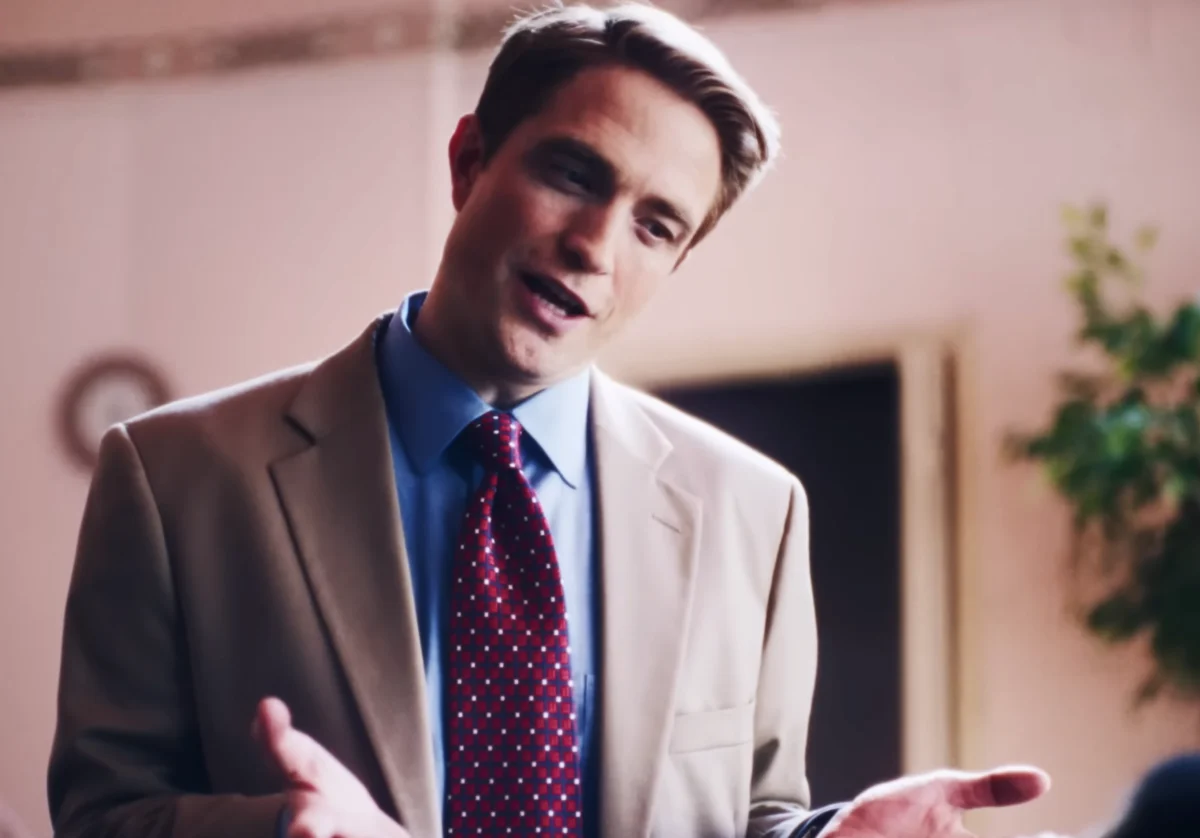
- The Casting Coup: The film features a "star-studded" ensemble that serves as a massive draw. Led by Matt Damon, the cast includes powerhouse performers such as Tom Holland, Anne Hathaway, Zendaya, Lupita Nyong’o, Robert Pattinson, Charlize Theron, John Leguizamo, and Jon Bernthal.
- The Marketing Strategy: Beginning last summer, Universal and Imax began an aggressive campaign to secure premium format bookings. By opening ticket sales an entire year in advance, the studio created an atmosphere of scarcity and urgency.
- The Prologue Tease: In December, audiences were treated to a six-minute prologue of The Odyssey attached to screenings of Sinners and One Battle After Another, effectively priming the pump for the eventual theatrical launch.
The Imax Factor: A Technological Odyssey
If the ensemble cast provided the star power, Imax provided the soul of the experience. Christopher Nolan has long been the industry’s most vocal advocate for the "Big Screen" experience, and with The Odyssey, he has pushed his obsession with fidelity to its absolute limit.
The Odyssey holds the distinction of being the first feature film shot entirely with Imax cameras. Previously, even in large-format productions, directors used Imax cameras for select action sequences due to the bulky and loud nature of the equipment. Nolan’s decision to commit fully to the format turned the film into a technical marvel.
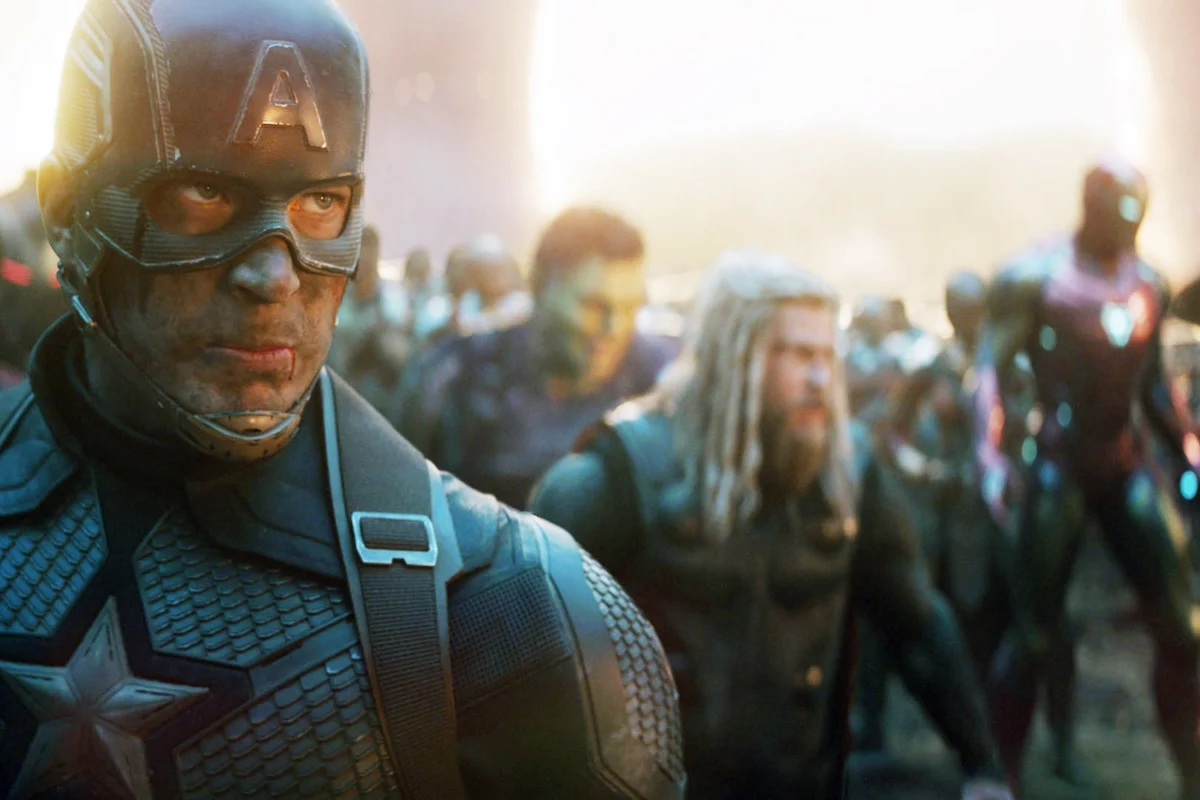
Imax accounted for $51.8 million—a staggering 23% of the film’s initial global ticket sales. This performance stands as the company’s biggest opening in like-for-like markets, even surpassing the monumental debut of Avengers: Endgame. The demand has been so intense that Imax has been forced to schedule 2 a.m. and 7 a.m. screenings to accommodate viewers, with many of the world’s 41 dedicated 70mm auditoriums reporting total sell-outs through August.
"If you don’t see The Odyssey in Imax, you aren’t seeing it in the way that Chris Nolan intended," said Imax CEO Richard Gelfond.
Audience Dynamics: Tapping the TikTok Generation
One of the most surprising metrics to emerge from the opening weekend is the age demographic of the audience. Despite the film being a "sword-and-sandal" epic, which might traditionally skew toward older, history-loving viewers, 50% of the audience fell between the ages of 18 and 34.
This indicates that Nolan’s appeal has successfully migrated to the Gen Z cohort. Industry analysts point to the "eventization" of cinema as the primary driver. By marketing the film as an experience that must be witnessed in a theater, Nolan has managed to bypass the streaming-first habits of younger viewers.
Shawn Robbins, director of movie analytics at Fandango, contrasts this with the performance of Steven Spielberg’s recent thriller, Disclosure Day. While Spielberg remains a titan of the industry, his recent work has skewed heavily toward older audiences (60% of the audience for Disclosure Day was over 35). Nolan’s ability to bridge the gap between cinephiles, casual moviegoers, and the younger generation is what allows The Odyssey to command such impressive figures.
Official Responses and Industry Implications
The industry reaction has been one of collective awe. Universal’s president of domestic distribution, Jim Orr, praised the resilience of the moviegoing public, particularly those who committed to the middle-of-the-night screenings just to catch the film in 70mm.
"We have showtimes in certain formats that are sold out for next weekend, the weekend after, and even mid-week," Orr said. "Nolan is one of the most trusted filmmakers ever, and audiences know he’s going to deliver something that you want to experience on the big screen."
The implications for Hollywood are profound. Following the success of The Odyssey, the "Nolan Model" will likely be studied by every major studio. This model is defined by:
- High-Budget Originality: Investing in grand concepts that aren’t necessarily part of a franchise.
- Premium Exclusivity: Forcing the conversation toward high-end formats like Imax and 70mm.
- The "A" Grade Standard: Ensuring the quality of the film matches the intensity of the marketing.
With a 95% Rotten Tomatoes score and an "A" grade on CinemaScore, The Odyssey is not just a commercial success; it is a critical one. The film proves that if the craft is elevated enough, the audience will follow—even if it means staying up until 2 a.m. to witness the journey of a king trying to find his way home.
As the "grand voyage" of The Odyssey continues, it is clear that Nolan has done more than just release a movie; he has redefined the ceiling for what a non-franchise film can achieve in the modern marketplace. For studios, the lesson is clear: give a visionary filmmaker the budget and the format, and they will build a temple that the public will be desperate to enter.