The Auditory Anatomy of ‘Plastic Beauty’: Analyzing the Soundtrack to Netflix’s Latest Japanese Drama
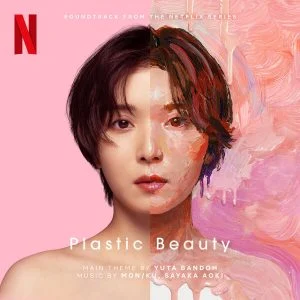
As Netflix continues its aggressive expansion into the Japanese scripted market, its latest original series, Plastic Beauty, has arrived with significant fanfare. Beyond the star-studded cast and its provocative exploration of the intersection between medical ethics and the cosmetic industry, the series distinguishes itself through a meticulously curated soundscape. Netflix Music has officially released the accompanying soundtrack, offering an immersive look at the sonic architecture that supports this intense, eight-part medical thriller.
The release features a collaborative musical effort, headlined by acclaimed composer Yuta Bandoh, alongside the evocative contributions of MON/KU and Sayaka Aoki. As the series premieres globally today, the soundtrack serves as a vital component in establishing the show’s tense, clinical, and emotionally charged atmosphere.
Main Facts: The Sound of Surgical Precision
The Plastic Beauty soundtrack is more than a simple collection of background cues; it is a multifaceted project that mirrors the narrative’s duality. Yuta Bandoh, known for his work on Look Back and Belle, provides the series’ tonal anchor with his haunting main theme. The remainder of the album is divided between the experimental, atmospheric textures of MON/KU and the more traditional, tension-driven compositions of Sayaka Aoki.
The soundtrack is currently available for streaming and digital download across all major music platforms, including Amazon. By blending Bandoh’s structural brilliance with MON/KU’s avant-garde electronic soundscapes and Aoki’s narrative-focused motifs, the album provides a sonic representation of the central conflict: a clash between the cold, objective requirements of emergency surgery and the subjective, often vain, pursuit of aesthetic perfection.
Chronology: The Development of the Plastic Beauty Universe
The journey of Plastic Beauty from script to screen has been characterized by a high-stakes production schedule. Directed by Yuki Saito and penned by screenwriter Junya Ikegami, the project was designed to be a definitive entry in the "medical drama" sub-genre, albeit with a dark, psychological twist.
The Inception
The series centers on two polar-opposite protagonists: a brilliant surgeon ousted from her hospital following a controversial emergency operation, and a high-profile celebrity cosmetic surgeon who champions the philosophy that physical beauty is a form of healing. The narrative conflict—a collision of medical values—required a score that could pivot instantly between the sterile, high-tension environment of an operating room and the superficial, glossy aesthetic of a private beauty clinic.
Composition and Scoring
The production team tapped Yuta Bandoh early in the process to establish the show’s "musical heartbeat." Bandoh, recognized for his ability to translate complex human emotions into instrumental landscapes, crafted the main theme to evoke a sense of unease and intellectual depth. Following the establishment of the theme, producers brought in MON/KU and Sayaka Aoki to populate the series’ 20-track sonic identity. MON/KU was tasked with the "dissonance" of the series—the psychological toll of beauty—while Aoki provided the "narrative glue," writing cues that highlight character beats and interpersonal tension.
Global Launch
Following months of post-production, Netflix officially greenlit the series for a simultaneous global premiere. The soundtrack release was strategically timed to coincide with the series’ debut, allowing viewers to engage with the music immediately after finishing an episode, thereby reinforcing the show’s themes and sustaining the audience’s interest in the narrative’s complex moral questions.
Supporting Data: An Analysis of the Tracklist
The structure of the soundtrack is an intentional narrative journey. The album spans 20 tracks, totaling nearly 90 minutes of music, which effectively acts as a companion to the eight-episode arc of the series.
The Bandoh Influence
The "Plastic Beauty Main Theme" (and its subsequent Intro edit) serves as the alpha and omega of the album. Yuta Bandoh’s work here is characteristically layered, utilizing minimalist piano chords underscored by subtle, pulsing synths that suggest the ticking of a clock or the rhythmic beeping of a heart monitor—a nod to the surgical setting.
The MON/KU Atmosphere
MON/KU’s contribution occupies the bulk of the album (tracks 2 through 13). Titles such as "Porcelain Addiction" (at a substantial 10:30 minutes) and "The Glitch in My Hands" suggest a focus on the psychological "disfigurement" or the obsessive nature of the characters. These tracks rely on ambient, granular synthesis and rhythmic pulses that feel intentionally "cold," mirroring the clinical nature of the cosmetic industry.
The Aoki Narrative
Sayaka Aoki (tracks 14 through 19) provides the emotional tether. Tracks like "A Doctor’s Duty" and "The Other Life" suggest a pivot toward the personal, human cost of the characters’ decisions. Aoki’s orchestration is more melodic, serving to remind the audience that despite the focus on "plastic" beauty, the characters are experiencing very real, often painful, human dilemmas.
Official Responses and Creative Vision
The creative team behind Plastic Beauty has spoken at length regarding the importance of the music in grounding the high-concept premise. In various production notes, director Yuki Saito highlighted that the series needed to avoid the clichés of traditional medical dramas.
"We didn’t want a soaring, heroic score," Saito noted in a recent production briefing. "The subject matter—the obsession with appearance versus the necessity of life-saving medicine—is fundamentally uncomfortable. We needed a sound that felt like the skin under a scalpel."
The decision to hire three different musical voices was a deliberate choice by the production team to emphasize the fractured nature of the protagonists’ worldviews. By separating the score into three distinct "styles," the viewers are subtly conditioned to recognize which character’s perspective they are seeing at any given moment. When the music shifts from the sharp, electronic tones of MON/KU to the more grounded, acoustic-leaning arrangements of Aoki, the audience intuitively understands that the narrative has shifted from the aesthetic to the ethical.
Implications: The Future of Netflix’s Japanese Content
The release of the Plastic Beauty soundtrack is a clear indicator of Netflix’s long-term strategy in the Japanese market. By investing in high-quality, original compositions rather than relying solely on licensed pop music, Netflix is elevating the "prestige" value of its international originals.
Setting a New Standard
This approach mirrors the success of other globally acclaimed series where the soundtrack became a character in its own right. By providing the full tracklist and ensuring its availability on all major streaming services, Netflix is treating this series as a cultural event rather than just content.
The Medical Drama Evolution
Plastic Beauty arrives at a time when audiences are increasingly cynical about the influence of social media and the "Instagram-filter" culture. By tackling these issues through the lens of a medical drama, the series is positioned to start a broader conversation about the commodification of the human body. The music, which oscillates between beauty and "glitch," reinforces this critique. It asks the listener—and by extension, the viewer—to look past the surface and consider the "raw" state of the human condition.
A Global Audience
With a cast that includes heavyweights like Mayu Matsuoka and Riisa Naka, the series has strong domestic appeal, but the inclusion of such a sophisticated, experimental score makes it highly exportable. Music is a universal language; even for viewers who may be unfamiliar with the nuances of the Japanese medical system, the soundtrack provides an emotional roadmap that transcends linguistic barriers.
Conclusion
Plastic Beauty is a bold, ambitious entry into the pantheon of Netflix’s original programming. Its success will likely be measured not only by its viewership numbers but by its ability to leave a lasting cultural footprint. The soundtrack, with its intricate balance of clinical coldness and human fragility, is essential to that mission.
As audiences dive into the eight episodes, they will be treated to a soundscape that is as complex and challenging as the surgery the characters perform. Yuta Bandoh, MON/KU, and Sayaka Aoki have crafted more than just background noise; they have created a visceral, audible anatomy of a modern crisis. Whether you are a fan of experimental electronic music or a devotee of high-stakes television drama, the Plastic Beauty soundtrack offers a compelling, if occasionally unsettling, auditory experience that demands to be heard.
The series is now streaming globally on Netflix, and the soundtrack is available for those who wish to revisit the tension of the operating room at their own pace. As the lines between medicine and vanity continue to blur, Plastic Beauty ensures that the debate is set to a hauntingly beautiful, and deeply thought-provoking, tempo.