From Kendall to Brooklyn: The Rise, Reality, and Reign of Fashion’s Nepo-Model Vanguard
Main Facts: The Nepotism Wave Reshaping Modern Runways
As New York Fashion Week sweeps through Manhattan with its characteristic whirlwind of flashbulbs, frantic backstage fittings, and front-row spectacles, a familiar yet ever-evolving phenomenon continues to dominate conversations: the rise of the celebrity offspring. From Kendall Jenner to Brooklyn Beckham, the descendants of Hollywood icons, rock legends, and supermodel royalty are stepping out from the long shadows of their famous parents to forge independent paths in the high-stakes world of fashion modeling.
This new crop of models represents a fundamental shift in how talent is scouted and marketed in the digital age. While the phrase "following in the family business" has applied to generations of actors, musicians, and politicians, the fashion industry has witnessed an unprecedented acceleration of this trend. Armed with Instagram-ready genes and immediate access to global audiences numbering in the millions, these young creatives command attention before they even step onto a runway.

Yet, reducing their success purely to lineage overlooks the grueling realities of the modern fashion grind. While a famous surname undoubtedly provides a coveted foot in the door—offering networking opportunities and introductory meetings that ordinary aspirants can only dream of—surviving and thriving in the industry requires a unique blend of personal branding, professional endurance, and undeniable visual currency. Today’s nepo-models are not merely coasting on their parents’ coattails; they are putting in long hours on set, navigating intense public scrutiny, and building self-sustaining commercial empires.
Chronology: The Evolution of Celebrity Offspring in Fashion
The intersection of celebrity lineage and high fashion is not entirely new, but the mechanisms of how these careers are built have transformed dramatically over the past few decades.

The Pre-Digital Era: Pedigree and Privacy
In the decades preceding the internet, famous children occasionally crossed over into modeling, though their trajectories were typically measured and distinct from their parents’ primary domains. Icons like Isabella Rossellini (daughter of Ingrid Bergman and Roberto Rossellini) and Anjelica Huston (daughter of John Huston) brought cinematic gravitas to the pages of Vogue. However, their entry into the industry relied heavily on traditional editorial casting directors, print portfolios, and a degree of mystique that kept personal lives shielded from daily public consumption.
The Social Media Inflection Point (2010–2015)
The landscape shifted irrevocably in the early 2010s with the advent of social media platforms, most notably Instagram. Suddenly, traditional gatekeepers—casting directors, magazine editors, and agency heads—shared power with consumer metrics. Kendall Jenner’s emergence onto the scene in 2014 marked a watershed moment. Rather than climbing the traditional ladder of local test shoots and humble showroom castings, Jenner entered the industry with a ready-made global audience. Her presence signaled to luxury houses that digital following translated directly into brand awareness and retail sales.

The Modern Multi-Hyphenate Era (2016–Present)
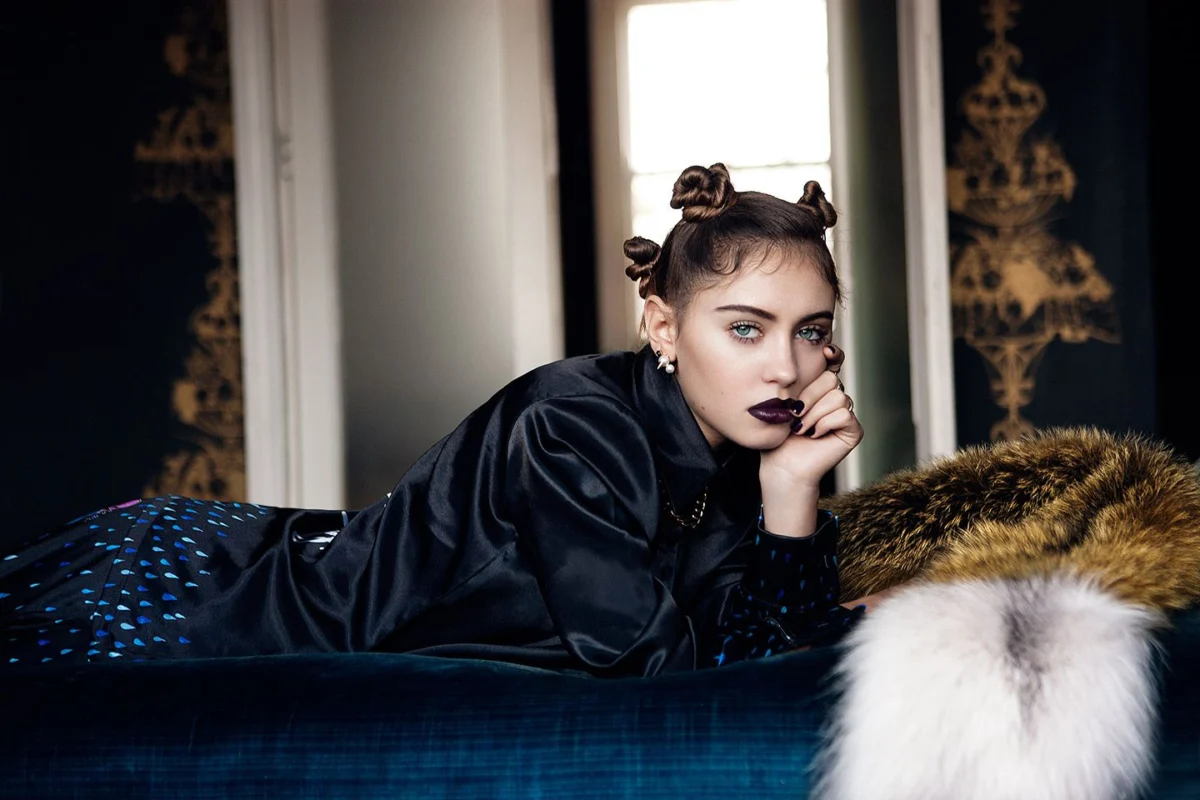
By the late 2010s and into the 2020s, the floodgates opened. A new wave of genetically blessed heirs—including Kaia Gerber (daughter of Cindy Crawford), Iris Law (daughter of Jude Law and Sadie Frost), and Brooklyn Beckham—began populating runways, campaigns, and magazine covers. Crucially, this era redefined what it meant to be a model. Many of these figures fluidly transition between modeling, photography, design, and digital content creation, utilizing their famous surnames as an umbrella brand rather than a singular vocational focus.
Supporting Data: The Economics of Influence and Aesthetics
To understand the dominance of celebrity offspring in contemporary modeling, one must examine the intersection of digital economics and traditional fashion marketing.

The Currency of Reach
In the current fashion economy, a model’s value is frequently calculated not just by their physical versatility on the runway, but by their "media impact value" (MIV). According to data analytics firms tracking fashion week engagement, posts featuring high-profile celebrity offspring routinely generate millions of impressions within hours of a show.
- Digital Footprint: Unlike traditional models who must build their social capital from scratch, contemporary nepo-models often launch their careers with follower counts in the high six or seven figures.
- Conversion Rates: Luxury brands increasingly view these models as direct-to-consumer marketing channels. A campaign featuring a recognized celebrity child frequently correlates with immediate spikes in e-commerce traffic and social media engagement for the collaborating label.
The Genetic Lottery and Portfolio Diversity
Beyond metrics, the physical attributes of this cohort have been carefully curated by a combination of heritage and modern wellness culture. Raised in environments with access to elite nutritionists, private trainers, and professional stylists from childhood, these individuals often possess the polished, symmetrical aesthetics that luxury houses demand.

However, this standardization has sparked ongoing industry debates regarding socioeconomic homogeneity on the runway. Critics point out that while the fashion industry has made strides in body positivity and racial diversity, the persistent prominence of ultra-privileged insiders can create a barrier to entry for working-class talent without institutional connections.
Official Responses and Industry Perspectives: Privilege vs. Merit
The discourse surrounding nepotism in modeling has elicited candid commentary from designers, casting directors, and the models themselves. The tension between inherited privilege and personal work ethic remains a central theme in profiles and interviews across the fashion sector.

Acknowledging the Head Start
Many celebrity offspring have openly addressed the advantages of their upbringing. In various interviews, models like Kaia Gerber have acknowledged that their famous lineage opened doors that might have otherwise remained firmly closed. Having a supermodel mother like Cindy Crawford not only provides genetic predisposition but also offers an invaluable masterclass in navigating the psychological pressures of the industry, handling the press, and understanding set etiquette.
The Defense of Work Ethic
Conversely, industry veterans and defenders of these young stars argue that privilege alone cannot sustain a career in a notoriously fickle business. A famous last name might secure an initial meeting, but it cannot force a photographer to book a second shoot if the subject lacks professionalism or photogenic adaptability.

"You can put someone in front of a camera because of who their parents are," notes a prominent New York casting director who spoke on the condition of anonymity. "The camera doesn’t care about a last name. If the energy isn’t there, the pictures won’t sell, and the client won’t call back. They have to work just as hard on set as anyone else."
Designers, too, have defended their casting choices, emphasizing that today’s celebrity youth bring an innate cultural relevance that resonates deeply with younger consumer demographics. For a heritage brand trying to capture Gen Z and Millennial markets, collaborating with an iconic offspring is a calculated artistic and commercial decision.

Implications: The Future of High Fashion and Cultural Capital
As New York Fashion Week and international circuits continue to evolve, the presence of celebrity offspring in modeling carries profound implications for the future of the industry.
Redefining the Star System
The traditional model-as-muse dynamic is undergoing a permanent transformation. Historically, designers sought out anonymous or lesser-known canvases to project their creative visions. Today, the model is often an active co-creator of the narrative, bringing their own distinct brand equity and personal lore to the garment. This shifts the power dynamic between fashion houses and talent, as models wield significant independent influence.

The Democratization vs. Elitism Paradox
The phenomenon highlights a broader cultural paradox: while digital platforms have theoretically democratized access to fashion—allowing independent designers and grassroots models to gain visibility—the pinnacle of the industry remains heavily influenced by legacy and dynastic wealth. The term "nepo baby," once whispered in industry circles, has become a mainstream cultural descriptor, forcing luxury brands to be more strategic about how they balance insider prestige with authentic inclusivity.
Navigating Longevity
Ultimately, while a famous parent can launch a career, longevity in modeling requires reinvention. As Kendall Jenner, Brooklyn Beckham, and their peers mature, their long-term viability will depend on their ability to transition from novelty acts to enduring style icons. Whether through entrepreneurial ventures, creative direction, or philanthropic endeavors, the current crop of celebrity models is learning that a famous name is merely the opening chapter of a much longer, self-authored story.