Beyond the Studio Gates: Aisha Tyler and Kirsten Vangsness Call for a Radical "Intelligent Revolution" in Indie Filmmaking
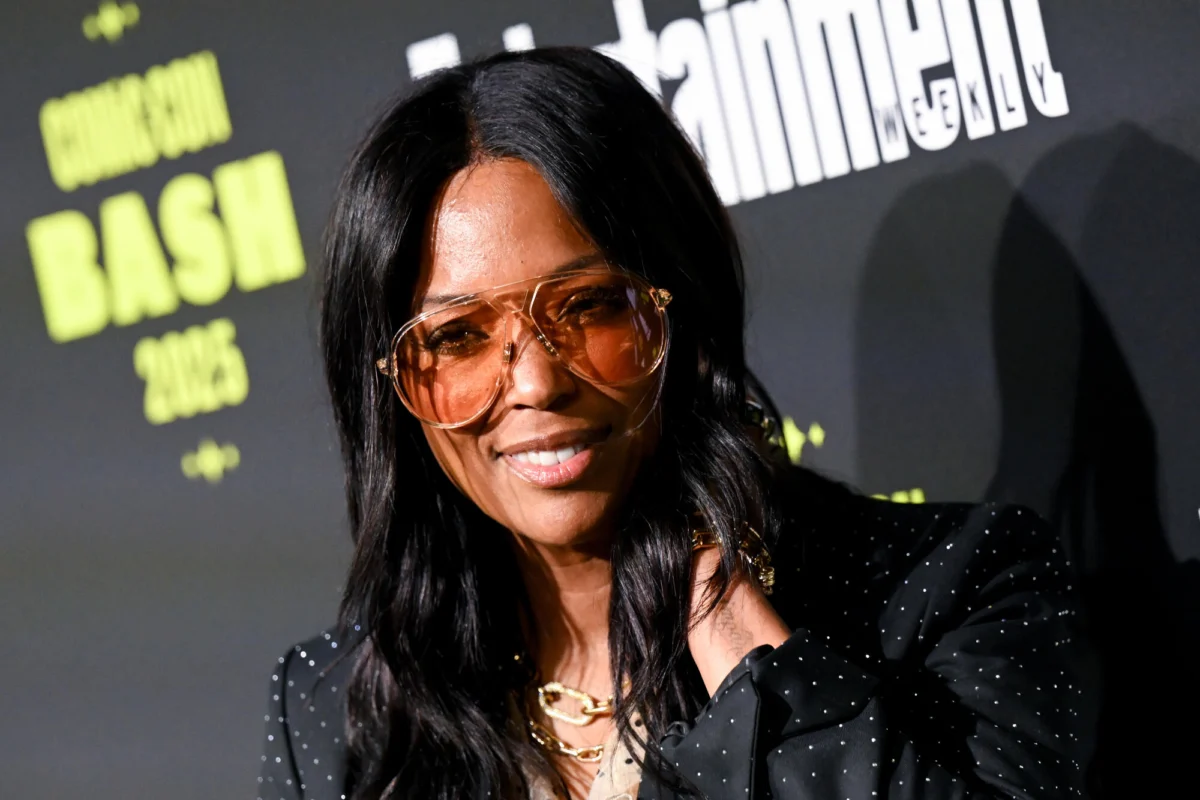
LOS ANGELES — Amid the gleaming lights, designer gowns, and industry back-slapping of the 2026 Emmys red carpet, Criminal Minds: Evolution stars Aisha Tyler and Kirsten Vangsness paused to deliver a stark diagnosis of contemporary Hollywood. In an expansive, impassioned joint interview with IndieWire, the two actors and multi-hyphenate creatives argued that the traditional studio system—plagued by corporate consolidation, algorithmic risk aversion, and an existential fear of artificial intelligence—is no longer a reliable vehicle for authentic artistic expression.
Instead, the duo believes the industry stands on the precipice of a seismic shift: a grassroots, fiercely independent creative renaissance that bypasses traditional gatekeepers entirely.
Main Facts: The Blueprint for a New Independent Era
The core thesis of Tyler and Vangsness’s red-carpet manifesto is simple: creators can no longer afford to wait for permission from corporate executives in "gilded offices" to bring art into the world. As the entertainment landscape faces unprecedented disruption from corporate mergers, cost-cutting measures, and the encroaching shadow of generative AI, the actors contend that true artistic autonomy lies in self-reliance.
- The Speakers: Aisha Tyler, an established television director (Criminal Minds, The Walking Dead, Elsbeth) and independent filmmaker, alongside Kirsten Vangsness, a veteran stage and screen actor currently touring her solo play Outdated.
- The Setting: The 2026 Emmys carpet, where the actors reflected on their decade-spanning tenure on Paramount+’s Criminal Minds: Evolution.
- The Call to Action: Both artists urged creators grappling with industry anxiety to stop waiting for greenlights from risk-averse studio systems and begin producing their own work independently.
- The Anti-Corporate Stance: Vangsness prominently sported a badge referencing historian Timothy Snyder, a subtle yet pointed nod of opposition to the mega-media mergers currently reshaping the corporate entertainment landscape.
Chronology: From Studio System Stalwarts to Independent Advocates
To understand the urgency behind Tyler and Vangsness’s declarations, one must look at their respective trajectories within the entertainment industry—a journey defined by navigating institutional frameworks while carving out independent pathways.
Years Within the Machine
Both actors have spent significant portions of their careers embedded within long-running network and streaming hits. Vangsness has charmed audiences as Penelope Garcia across various iterations of Criminal Minds for two decades, while Tyler has balanced her acting career with a prolific episodic directing portfolio across major franchises like The Walking Dead, Fear the Walking Dead, Evil, and Elsbeth.
Yet, working within these massive corporate machinery structures has not shielded them from the industry’s systemic anxieties. Vangsness humorously characterized her relationship with studio employment as "fancy indentured servitude," acknowledging the financial security of network television while underscoring the creative limitations inherent to corporate pipelines.
Venturing Beyond the Gatekeepers
As the studio landscape tightened its purse strings in the mid-2020s, both women turned aggressively toward independent mediums.
- 2017: Tyler made her feature directorial debut with the crowdfunded independent psychological drama Axis, proving that stories could bypass traditional studio distribution pipelines.
- Present Day: Tyler is deep in preparation for her third independent feature film, the psychological thriller I Hope We Can Still Be Friends. Concurrently, Vangsness has taken her creative destiny into her own hands by touring her play Outdated, reinforcing the idea that live performance and independent theater offer sanctuaries from studio interference.
Supporting Data & Industry Context: The Rise of "Intelligent Revolution"
The warnings voiced by Tyler and Vangsness arrive at a critical juncture for Hollywood. Over the past several years, the entertainment economy has contracted sharply. Following the dual 2023 Writers Guild of America and SAG-AFTRA strikes, the post-pandemic streaming correction, and widespread corporate mergers, greenlights for mid-budget, character-driven projects have plummeted. Studio slates are increasingly dominated by safe intellectual property (IP), algorithmic trend-chasing, and tentative explorations of generative AI.

It is against this backdrop that Tyler coined a provocative new term for the next wave of independent filmmaking: the "Intelligent Revolution."
+-----------------------------------------------------------------+
|             THE EVOLUTION OF INDEPENDENT FILMMAKING             |
+-----------------------------------------------------------------+
| 1st Wave: 1990s Sundance Boom                                   |
|           - Rise of specialty divisions (Miramax, Fine Line)    |
|           - Focus on edgy, low-budget auteur cinema             |
+-----------------------------------------------------------------+
| 2nd Wave: Digital & Micro-Budget Era (Late 2000s–2010s)         |
|           - Democratization of cameras and editing software     |
|           - Rise of crowd-funding and direct-to-VOD platforms   |
+-----------------------------------------------------------------+
| 3rd Wave: The "Intelligent Revolution" (Present / Future)       |
|           - Rejection of corporate IP and algorithmic content   |
|           - Pushback against generative AI ("robot feelings")   |
|           - Radical grassroots funding and direct-to-consumer   |
+-----------------------------------------------------------------+
"I actually think that we’re about to embark on a third independent film revolution, specifically an ‘Intelligent Revolution,’ which we need because people don’t want to watch robots mimic human experience," Tyler explained. "They want to see real experience with real humans."
Tyler noted that the previous independent film waves fundamentally altered the business of cinema, but she anticipates this upcoming iteration will be far more vigorous, aggressive, and necessary. She pointed to a growing consumer fatigue with homogenized, assembly-line corporate content. When studio gatekeepers reject bold ideas with a dismissive "I don’t get it," Tyler argues that history repeatedly proves those same executives eventually circle back, claiming they "always knew it was going to be a big hit" once an independent creator takes the risk and proves the concept.
Official Responses and Personal Anecdotes
The conversation on the carpet also illuminated how collaborative ecosystems can still spark magic when artists refuse to wait for corporate permission.
Vangsness shared a striking behind-the-scenes anecdote involving the legendary, late actor Tim Curry. Having spotted Curry at a local gym, Vangsness didn’t wait for a traditional casting director or studio executive to orchestrate a high-profile guest star arc. Instead, she took matters into her own hands.
"I didn’t even work that day," Vangsness recalled. "I drove to work, and I busted open an editing bay at the time we were editing, and I said, ‘Tim Curry wants to be on our show.’ Because I wanted to say I did it. I didn’t want casting to be able to claim it."
Curry’s subsequent, chilling portrayal of serial killer Billy Flynn in the Season 5 finale and subsequent episodes of Criminal Minds remains one of the most celebrated guest turns in the series’ history. For Tyler, stories like this highlight the spontaneous brilliance that occurs when artists operate with agency rather than bureaucratic hesitation.
Beyond creative autonomy, Tyler reflected deeply on the systemic responsibilities she carries as one of the few Black women regularly directing episodic television. Her commitment to stepping behind the camera is driven not just by personal passion, but by a desire to rectify historical representation gaps in Hollywood’s directing ranks.

"There are so few Black female directors," Tyler shared. "I love directing, but I also do it because I had so few people to look up to. I hope that I can be a woman and a woman of color in the directing space that can inspire other people to step into it."
Implications: What This Means for the Future of Entertainment
The warnings and rallying cries issued by Aisha Tyler and Kirsten Vangsness point to a broader ideological schism within the entertainment community. As traditional studios grapple with declining linear revenues, unstable streaming profitability, and the moral and aesthetic dilemmas posed by artificial intelligence, artists are drawing a hard line in the sand.
1. Rejection of Algorithmic Homogenization
When studios rely on data analytics to dictate narrative choices, storytelling tends to flatten into safe, recognizable tropes. Tyler and Vangsness’s advocacy for "rugged, independent, intimate stuff" suggests that audiences are increasingly hungry for rough edges, idiosyncratic viewpoints, and raw human emotional friction—elements that cannot be synthesized by machine learning algorithms.
2. Decentralization of Power
The democratization of production technology means that creators no longer require multimillion-dollar studio backlots to execute compelling narratives. By taking pages out of the independent theater playbook (like Vangsness touring Outdated) or self-financing micro-budget features (like Tyler’s indie slate), talent is effectively divesting from the traditional gatekeeper model.
3. Redefining Career Success
Perhaps most importantly, Vangsness’s reminder that "the job doesn’t make you happy; your creative endeavors make you happy" reframes how artists view longevity in the industry. Financial stability within a corporate structure is valuable, but it should not come at the cost of creative soul.
As Hollywood navigates an era of acute economic and technological anxiety, the prescription offered by Tyler and Vangsness is strikingly straightforward. For creators sitting on sidelined scripts, unproduced plays, or visionary film concepts, the message from the Emmys carpet echoes clear:
Stop waiting for permission. Just make your stuff. Keep making your stuff.