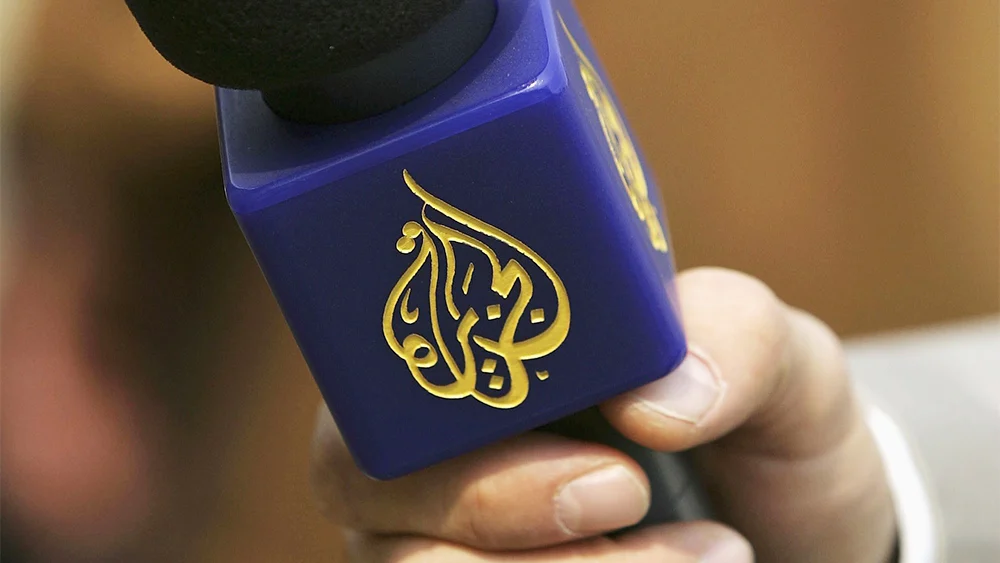
In a dramatic opening act that underscored the volatility of the American cable news landscape, Al Jazeera America (AJAM) launched its operations not with a celebration, but with a high-stakes legal filing. On the very day the network was slated to replace Current TV on major cable and satellite lineups, the Qatar-based media giant found itself in a courtroom, seeking an emergency injunction against telecommunications behemoth AT&T.
The conflict, centered on the sudden removal of the channel from AT&T’s U-verse platform, cast a long shadow over the network’s ambitions to establish a foothold in the competitive U.S. media market. As the legal battle unfolded in the Delaware Chancery Court, it became clear that the challenges facing the new venture were far more complex than simply winning over viewers; they involved entrenched corporate interests, contractual technicalities, and the precarious nature of cable distribution agreements.
The Chronology of a Conflict: From Current TV to the Courtroom
To understand the friction between Al Jazeera and AT&T, one must look back at the acquisition of Current TV, the liberal-leaning network co-founded by former Vice President Al Gore. In early 2013, Al Jazeera announced its purchase of the network, a strategic move designed to secure immediate distribution across tens of millions of American homes.
The transition was intended to be seamless. However, as the August launch date approached, the relationship between the new owners and their distributors began to fray. According to industry observers, the transition from the "Current TV" brand to "Al Jazeera America" triggered a series of reassessments by providers regarding the value and compatibility of the new channel.
On the morning of the scheduled launch, U-verse customers—who had previously enjoyed access to Current TV—found the channel missing from their programming guides. AT&T’s decision was immediate and, in the eyes of Al Jazeera, a direct violation of the existing carriage agreement. By mid-afternoon, Al Jazeera had filed a lawsuit in Delaware, alleging that AT&T’s unilateral removal of the signal was a "willful and knowing" breach of contract, leaving the network in an "untenable" position just as it attempted to introduce its brand to the American public.
The Legal Arguments: Breach of Contract and Distribution Rights
The core of the litigation revolves around the interpretation of the affiliation agreement originally signed by Current TV. Al Jazeera’s legal team argued that as the successor to Current TV, they held the rights to the distribution slots previously held by the legacy network.
The Plaintiff’s Position
Al Jazeera America maintained that the carriage agreement was legally binding and that the network’s editorial independence and "fact-based, in-depth" programming model did not constitute a breach of the operational standards set out in the original contract. Their legal filings emphasized:
Wrongful Termination: The argument that AT&T failed to provide adequate notice or justification for the termination of the signal.
Contractual Obligation: The assertion that AT&T was contractually bound to carry the network’s signal, regardless of the change in ownership or branding.
Financial Impact: The immediate loss of a significant segment of the target audience, which threatened the network’s initial launch metrics and advertising revenue projections.
The Defendant’s Position
AT&T, for its part, countered that the transition to Al Jazeera America was not merely a change in name, but a fundamental change in the nature of the programming being delivered. Their defense rested on several key pillars:
Failure to Reach New Terms: AT&T claimed that the transition period necessitated a new round of negotiations, during which they and Al Jazeera were unable to come to a mutually beneficial financial agreement.
Specific Breaches: AT&T alluded to "certain breaches" by Al Jazeera regarding the existing agreement, though they were initially vague about the specific technical or editorial clauses that were allegedly violated.
Discretionary Carriage: AT&T maintained that, as a service provider, it retained the right to curate its channel lineups based on viewer demand, contractual adherence, and the suitability of the content for its specific customer base.
Supporting Data: The Landscape of Cable Carriage Disputes
The dispute between Al Jazeera and AT&T is far from an isolated incident. The history of American cable television is littered with similar carriage disputes, which often serve as a proxy for larger battles over carriage fees and market power.
Historically, carriage disputes have become more frequent as cable providers (MVPDs) attempt to manage rising content costs. According to industry data, the average cable subscriber costs for networks have seen an annual increase, leading to a "carriage war" dynamic. When a major network is dropped, it is rarely just about the content; it is almost always about the "per-subscriber fee"—the amount of money the cable company pays the network per household per month.
In the case of Al Jazeera, the network entered the market with deep financial backing from the Qatari government, which allowed it to bypass some of the traditional advertising-dependent revenue models that burden startups. However, this same backing also created a political and public relations hurdle, as the network struggled to shed perceptions of being a foreign-funded entity, despite its heavy investment in U.S.-based newsrooms and veteran journalistic talent.
Official Responses: A War of Words
The public discourse surrounding the lawsuit was marked by carefully crafted statements from both parties, each attempting to frame the narrative in their favor.
Al Jazeera America’s official statement noted:
"Al Jazeera America’s strong hope is to resolve this matter quickly so that AT&T’s customers will have access to our unbiased, fact-based and in-depth coverage of the news that is important to Americans. Unfortunately, AT&T’s decision to unilaterally delete Al Jazeera America presented us with circumstances that were untenable."
AT&T’s retort was equally sharp:
"As a result of our inability to come to terms on a new agreement and due to certain breaches by Al Jazeera of the existing agreement, we have decided not to carry [the network] on U-verse."
The contrast in these statements reflects the underlying tension: Al Jazeera framed the issue as a service to the public and a defense of journalistic integrity, while AT&T framed it as a standard business negotiation that had failed due to the network’s own inability to satisfy contractual requirements.
Implications for the Media Industry
The fallout from this dispute holds significant implications for the future of media distribution in the United States.
1. The Power of Gatekeepers
The incident serves as a stark reminder of the immense power held by cable and satellite providers. Even with massive financial backing and a high-profile brand, a network can be effectively silenced in millions of homes overnight if the distributor decides to pull the plug. This reality continues to drive the industry toward "cord-cutting" and the shift to Over-the-Top (OTT) streaming platforms, where networks can bypass traditional cable gatekeepers entirely.
2. Editorial Independence vs. Corporate Strategy
For Al Jazeera, the challenge was to convince the American public that its journalism was independent of its foreign funding. By launching with a high-profile lawsuit, the network inadvertently drew attention to its corporate identity rather than its editorial product. The struggle to get back onto U-verse became a test of whether the network could be perceived as a legitimate "American" news entity, or if it would remain tethered to the geopolitical controversies of its parent company.
3. The Future of Small-to-Midsize Networks
This case highlights the fragility of new networks entering the cable ecosystem. Without the protection of large media conglomerates—such as those behind CNN, MSNBC, or Fox News—smaller networks are highly vulnerable to the whims of providers. The reliance on legacy distribution agreements, as seen with the Current TV purchase, proved to be a risky strategy for Al Jazeera, as it invited legal scrutiny regarding the transferability of those contracts.
Conclusion: A Cautionary Tale
The Al Jazeera America and AT&T U-verse dispute remains a quintessential example of the complexities inherent in modern media distribution. While the legal battle was ostensibly about a breach of contract, it was fundamentally a clash between a global entity seeking a new market and a domestic infrastructure provider protecting its bottom line and its own internal standards.
As the industry continues to evolve toward digital-first distribution, the reliance on traditional cable carriage will likely continue to wane. However, for those players still entrenched in the cable world, the lessons of this dispute are clear: market entry is not just about producing content, but about navigating the intricate, often litigious, web of corporate agreements that dictate what millions of Americans see on their screens every day. The debut of Al Jazeera America was supposed to be a day of transition; instead, it became a lesson in the hard, unforgiving reality of the American media business.