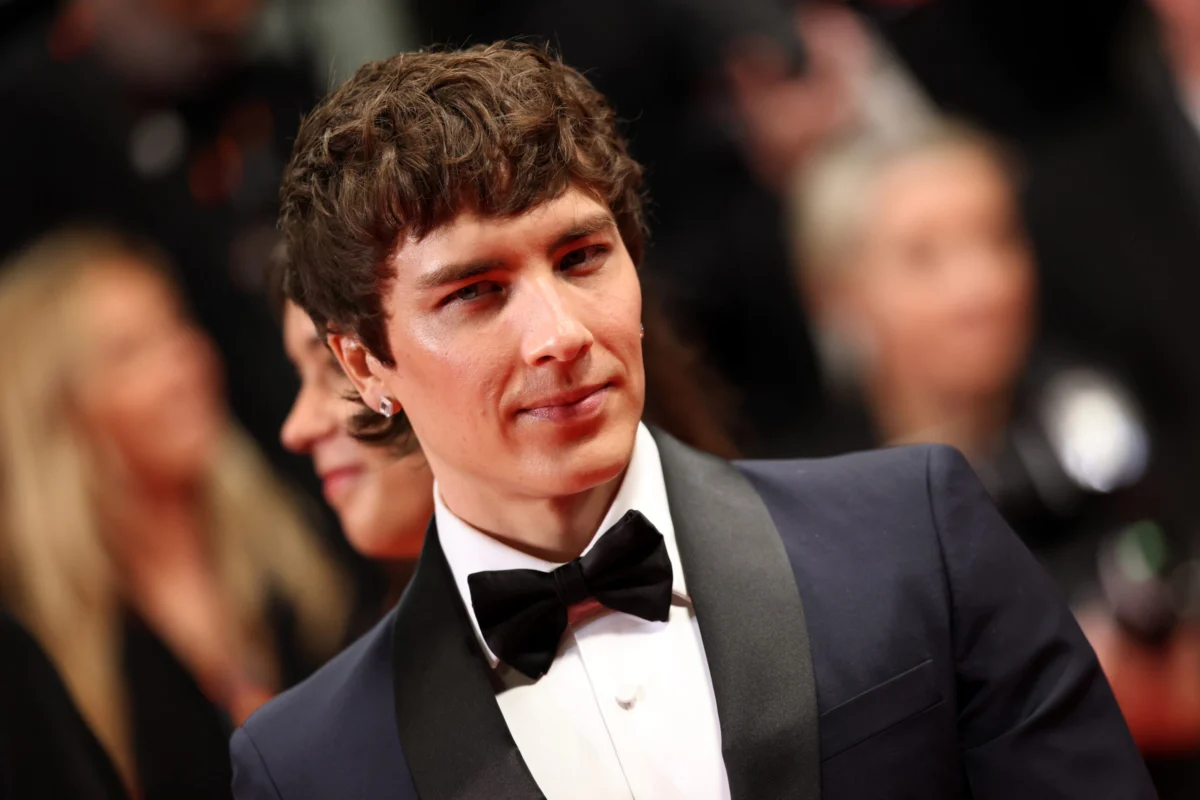
From the Antichrist to the Director’s Chair: Cody Fern Unpacks the Deeply Personal Origins of His Feature Debut, ‘Closing Night’
TORONTO — When actor Cody Fern first crossed paths with Sarah Paulson on the set of FX’s American Horror Story: Apocalypse—where she played an all-powerful supreme witch and he embodied the chilling, immaculate Antichrist—it took mere seconds for the two performers to recognize an unshakeable, almost uncanny creative synergy.
“Sarah is one of the great loves of my life,” Fern reflects, sitting down for an interview just a week ahead of the 2026 Toronto International Film Festival (TIFF). “From the very first moment, it was the zenith. It was clear I had to do everything in my power to work with this woman again.”
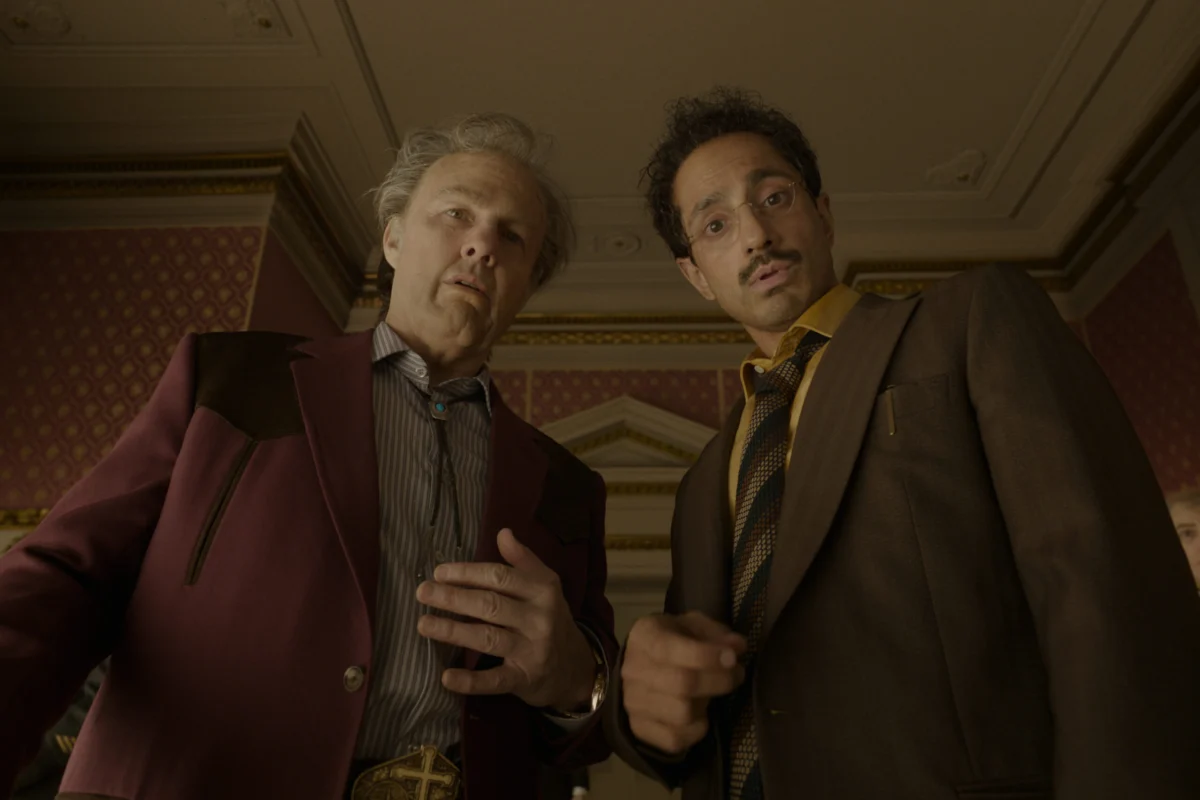
That initial spark has now culminated in Closing Night, a razor-sharp, emotionally lacerating family drama that serves as Fern’s feature-length directorial debut. Co-written with his longtime friend and frequent collaborator Devon Bostick, the film boasts a powerhouse ensemble cast led by Paulson, Naomi Watts, Dianne Wiest, Toby Wallace, and Odessa A’zion. Ahead of its world premiere on September 12 at TIFF, Closing Night is already generating substantial industry buzz as a bold, actor-forward exploration of multi-generational trauma, complex motherhood, and the heavy mythology we construct around the people who raise us.
Main Facts: A Star-Studded, Emotionally Charged Portrait of Family Dynamics
At its narrative core, Closing Night revolves around Sandra (Paulson), an acclaimed, high-profile actress who, after years of absolute estrangement, mysteriously reaches out to her family. She invites her outspoken, heavy-drinking mother, Diane (played by two-time Academy Award winner Dianne Wiest), and her tightly wound, mousy sister, April (Naomi Watts), to New York City for the premiere of her prestigious new Broadway show.
Upon arrival in Manhattan, April discovers that her affable son, Thoe (Toby Wallace), and his sharp-witted girlfriend, Lucy (Odessa A’zion), have already established a secret rapport with Sandra behind her back. As the fragile family unit attempts to navigate old grievances and unfamiliar territory under one roof, Sandra receives a devastating, ominous health diagnosis. This medical crisis threatens to tear down the carefully constructed facades of all involved, dragging long-buried secrets, bitter resentments, and unspoken sacrifices out into the open.
While the plot mechanics are deeply dramatic, Fern insists that the film’s true resonance stems from its emotional authenticity. Describing the project as “emotionally biographical, but narratively fictional,” the writer-director has crafted a searing character study that examines the institution of motherhood across three distinct generations.

Chronology: From a Sudden Creative Impulse to a TIFF Premiere
The genesis of Closing Night reads like a masterclass in creative urgency. According to Fern, the writing process was swift and visceral, likening the experience to “giving birth to something” rather than carefully plotting out a standard screenplay.
The Genesis and Writing Process
Working alongside Bostick, Fern discovered that the narrative poured out of him with very little conscious oversight. “It just came upon me,” he recalls. “I didn’t really have much control over it. I needed to figure out my life, my family, and my place in the world.”
Miraculously, the final shooting script barely deviated from the initial draft. However, the emotional underpinnings of the story had been quietly brewing in Fern’s psyche for years, fueled by profound real-life reconciliations. While writing the script, Fern reconnected with his biological mother after a seven-year estrangement following a difficult medical diagnosis of her own. Confronted head-on by the harsh realities of human mortality, Fern realized he could no longer postpone the deep psychological excavation required to understand his own origins.
Assembling the Dream Cast
With a finished script in hand, Fern systematically built his dream ensemble, leveraging industry relationships and personal friendships:
- Sarah Paulson: Having written the lead role of Sandra explicitly with Paulson in mind, Fern handed her the script with a clear vision. Fresh off working with Naomi Watts on Ryan Murphy’s upcoming series All’s Fair, Paulson herself requested that Watts be cast as her on-screen sister, April.
- Naomi Watts & Toby Wallace: Watts swiftly boarded the project alongside her All’s Fair co-star. Meanwhile, Fern tapped his longtime friend, occasional roommate, and fellow Australian Toby Wallace to portray Thoe.
- Dianne Wiest: Securing Hollywood royalty Dianne Wiest to play family matriarch Diane was a career milestone for the first-time director. Fern famously admits he broke down in tears over Zoom during their initial meeting, later describing Wiest’s presence on set as a “shining light on the hill.”
- Odessa A’zion: Proving to be the most fiercely contested casting choice, breakout star Odessa A’zion (I Love LA, Marty Supreme) caught Fern’s eye at a social gathering. Despite initial pushback from financiers arguing for a more established box-office name, Fern stood his ground, demanding the role of Lucy be rewritten specifically for A’zion.
Principal photography commenced under Fern’s immersive, actor-centric direction, culminating in a swift post-production cycle that landed the film a coveted premiere slot at the 2026 Toronto International Film Festival.
Supporting Data & Production Insights: The Anatomy of a Physical Director
For Fern, transitioning from acting—frequently under the lens of prolific creators like Ryan Murphy—to directing meant rethinking how stories are visually and physically told.

Rejecting Television’s "Loss of Muscularity"
Drawing from his extensive television background, Fern was acutely aware of the visual fatigue plaguing modern prestige series. “When I work in TV, there’s a loss of muscularity,” Fern explains. “You lose your body because nobody wants to use it. Everything is emotional close-up, emotional close-up, shot, counter-shot. It’s predictable.”
To combat this, Fern actively pushed his cast to inhabit their physical spaces. He banned the traditional “video village” setup, choosing instead to remain right beside his actors in the trenches. “You’re the best friend, the kid brother, the scolding father, and the coaxing therapist,” he notes of his hands-on directorial style. “I’m right there. I can’t help myself. I laugh in takes. I cry all the time. We’re having an experience together.”
Directing a "Bugatti"
Fern’s deep professional admiration for Sarah Paulson translated into a fearless dynamic on set. Comparing the Emmy-winning actress to a luxury sports car, Fern didn’t hold back in demanding her absolute best. “She’s like a Bugatti,” he says. “You tap the accelerator, and it’s 300 miles per hour.”
He notes with a hint of critique that while television has historically given Paulson extraordinary material, the film industry has occasionally lagged behind in offering her cinematic roles worthy of her staggering range. Closing Night aims to rectify that oversight entirely.
Official Responses & Personal Revelations
Beneath the glittering surface of a high-profile TIFF premiere lies a deeply vulnerable narrative about Fern’s own upbringing. The film serves as a direct artistic exploration of the two mothers who shaped his life: his biological mother and his stepmother.
Growing up, Fern carried the heavy knowledge that his biological mother had been legally denied an abortion while pregnant with him. For a self-described “staunch feminist,” this historical fact presented a profound emotional paradox.

“That’s a piece of information that has really influenced how I feel about my life,” Fern shares candidly. “But there was this whole life [my mom] could have led. What would it have been like? What sacrifices did she make to give me the life I had, even as a system denied her the right to choose?”
This complicated narrative is counterbalanced in the film by the presence of his stepmother, whom Fern describes as a woman who “was very much fighting to be my mom through love, will, and perseverance.”
By confronting mortality during his mother’s illness and subsequently writing Closing Night, Fern found a path toward radical empathy. “What relationship was I going to have with my mom? What is it to be a mother? By understanding them, I came to understand the context of my life.”
Implications: A New Voice in Cinematic Drama and Feminist Discourse
As Closing Night prepares to meet audiences and critics in Toronto, its implications extend far beyond a successful feature debut for Cody Fern.
First, the film arrives at a critical cultural juncture regarding bodily autonomy, reproductive rights, and generational trauma. By tackling the complex psychological fallout of denied reproductive choice through a deeply human, non-didactic lens, Fern avoids easy moralizing. As he emphasizes, “Many topics don’t have clean answers, and we wanted the audience to look at each character individually. None of them are wholly right or wholly wrong. The truth shifts with perspective.”
Second, the film highlights a growing shift among television-bred auteurs who are utilizing indie cinema to reclaim physical, grounded storytelling. By prioritizing body language, somatic performance, and theatrical ensemble dynamics over algorithmic close-ups, Fern demonstrates a mature visual grammar that signals a promising long-term career behind the camera.

For Sarah Paulson, Dianne Wiest, Naomi Watts, and the rest of the ensemble, Closing Night offers a masterclass in dramatic restraint and emotional demolition—proving that when actors are given space to take massive, unvarnished risks, the cinematic rewards are immeasurable.
“Closing Night” holds its world premiere at the 2026 Toronto International Film Festival on September 12.