The Hero’s Journey at the Box Office: Christopher Nolan’s ‘The Odyssey’ Shatters Expectations
Sing in me, Muse, of an epic story and a legendary filmmaker who are currently taking the global box office by storm. A full year after advance tickets first became available to a feverish public, director Christopher Nolan’s The Odyssey has finally arrived in theaters, and the cinematic landscape may never be the same.
The Greek epic, which serves as Nolan’s highly anticipated follow-up to his Academy Award-winning Oppenheimer, has stormed out of the gate with a staggering $17.6 million in preview screenings. This figure represents the highest-grossing preview performance of the year, narrowly edging out the $17.5 million netted by the animated juggernaut Toy Story 5. As audiences flock to witness the trials of Odysseus, industry analysts are already recalibrating their projections, suggesting that the film’s initial performance is merely the opening chapter of a record-breaking theatrical run.
The Chronology of a Cinematic Odyssey
The journey to bring Homer’s ancient tale to the big screen has been as arduous and storied as the voyage of Odysseus himself. The project was officially announced shortly after the monumental success of Oppenheimer, which not only swept the Oscars but fundamentally altered the cultural zeitgeist through the "Barbenheimer" phenomenon.
For twelve months, Christopher Nolan and his team at Syncopy, in collaboration with Universal Pictures, carefully curated a marketing campaign that leaned into the director’s reputation for technical perfection. Unlike modern blockbusters that rely on heavy CGI, The Odyssey was marketed as a tactile, visceral experience. When advance tickets went on sale exactly one year ago, the demand was unprecedented, causing ticketing platforms to crash across North America.
Throughout the past year, the film’s production cycle was marked by a veil of secrecy, punctuated only by snippets of interviews regarding Nolan’s decision to film the entire project using IMAX-native cameras. This technical choice—a first in cinematic history—became the cornerstone of the film’s narrative, turning the movie into a "must-see" event for premium large-format enthusiasts. By the time the world premiere arrived, the anticipation had reached a fever pitch, with fans traveling across state lines and booking 2 a.m. screenings just to be among the first to witness the perilous trek back to Ithaca.
Supporting Data: By the Numbers
The financial implications of The Odyssey are as massive as the film’s scope. With a production budget of $250 million and an additional $125 million committed to global marketing, the film stands as the most expensive R-rated production in motion picture history.
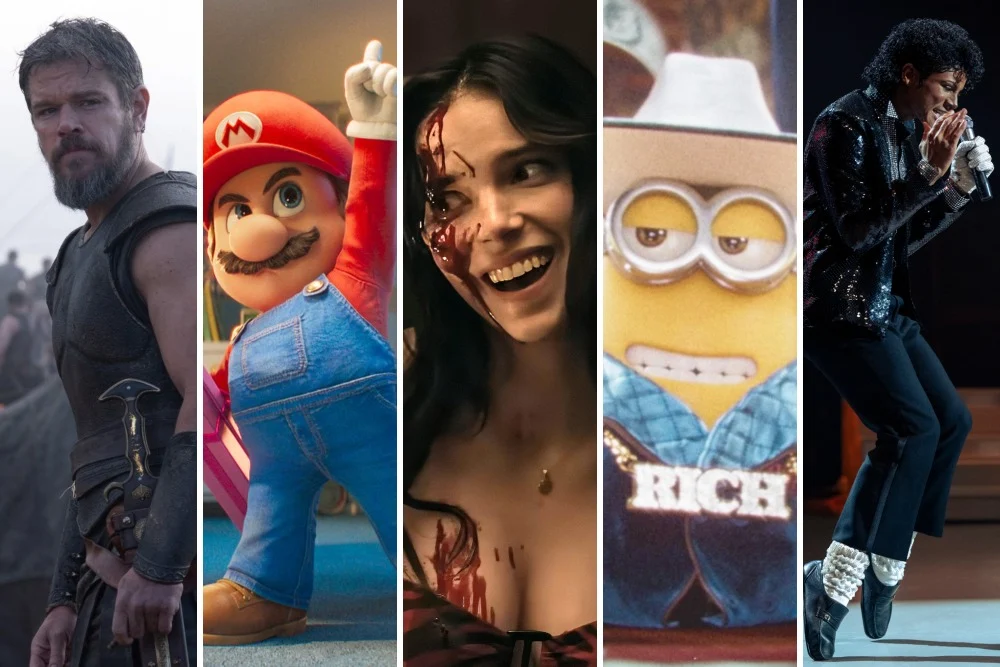
Current tracking data indicates that The Odyssey is on pace to earn between $90 million and $100 million in its domestic opening weekend. However, given the strength of the $17.6 million preview haul, many analysts now suggest those figures are conservative. If the film lands on the higher end of the spectrum, it will become only the third film this year to breach the $100 million mark in its debut, joining Toy Story 5 ($159 million) and The Super Mario Galaxy Movie ($131 million).
For comparison, Nolan’s previous work, Oppenheimer, secured $10.5 million in previews before going on to earn $82 million in its opening weekend. That film eventually grossed $975 million worldwide, fueled by long-term word-of-mouth and a sustained interest in premium formats. The Odyssey appears to be tracking even higher, bolstered by a 96% "fresh" rating on Rotten Tomatoes. Critics have lauded the film’s practical effects, the sweeping score, and the "raw, human intensity" of the performances.
The Cast: A Pantheon of Modern Stars
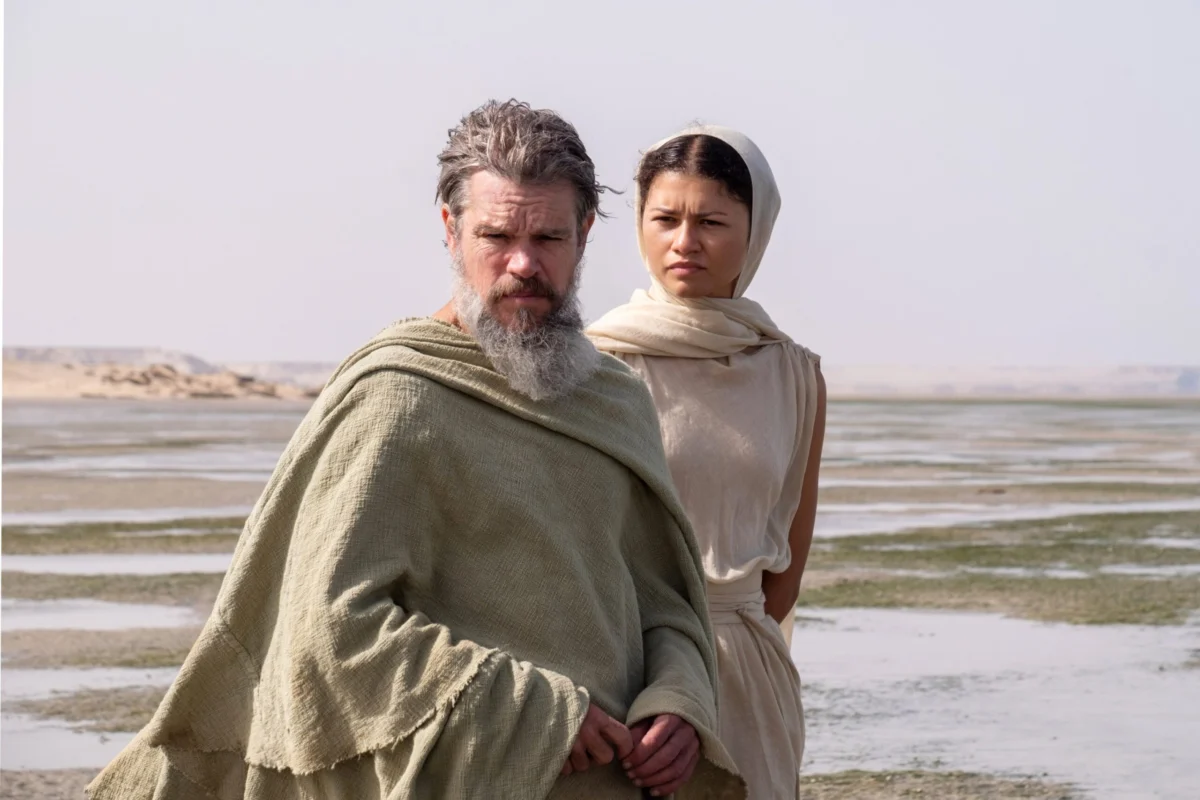
Christopher Nolan is known for his loyalty to his collaborators, and The Odyssey reflects this, blending familiar faces with new, high-profile talent. Leading the ensemble is Matt Damon, who reunites with Nolan following his pivotal role in Oppenheimer. Damon portrays Odysseus with a weary, grounded gravitas that has been the subject of early Oscar buzz.
The supporting cast is nothing short of a modern pantheon:
- Tom Holland as Telemachus, bringing a desperate urgency to the search for his father.
- Anne Hathaway as the cunning and ethereal Athena.
- Zendaya in a haunting turn as the sorceress Circe.
- Lupita Nyong’o as Penelope, anchoring the emotional stakes of the film.
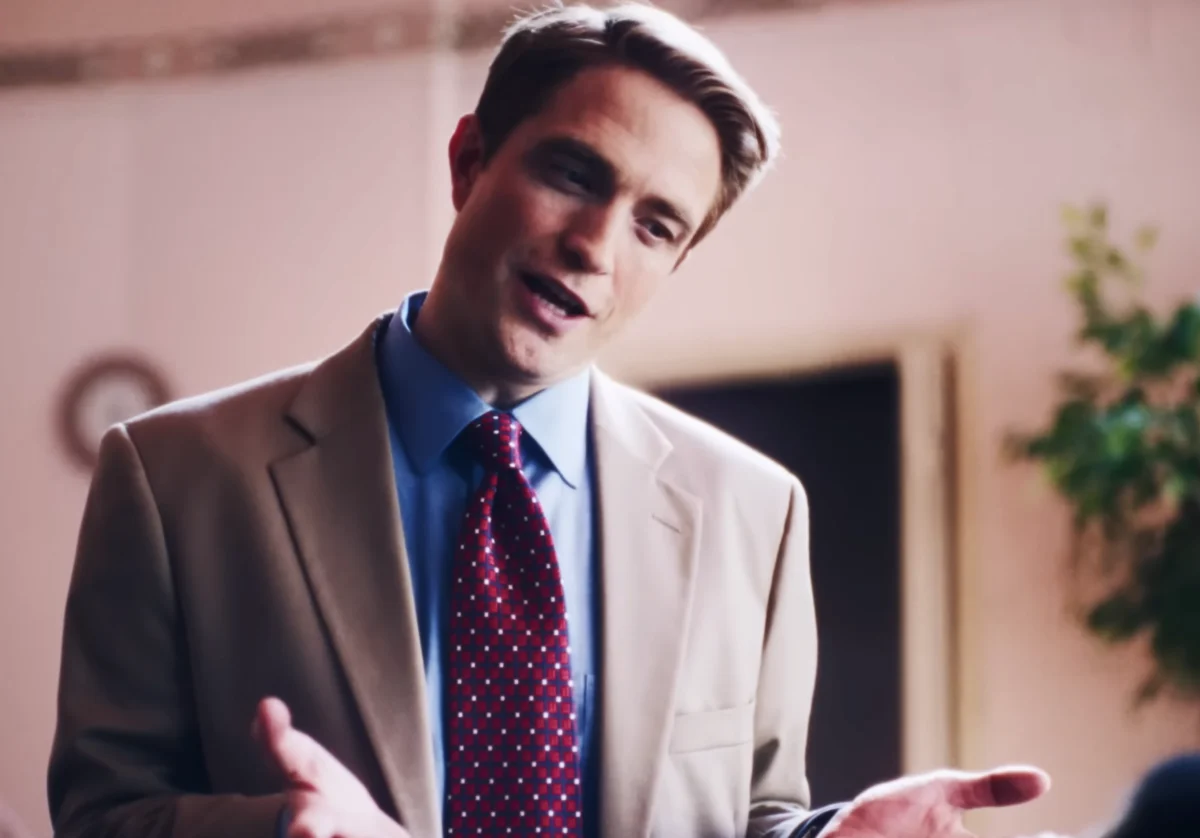
- Robert Pattinson, Charlize Theron, and Jon Bernthal rounding out a cast that represents some of the most sought-after talent in Hollywood today.
The synergy between these performers and Nolan’s rigorous direction has been cited by reviewers as a primary driver for the film’s critical success.
Official Responses and Industry Implications
The industry reaction to The Odyssey has been one of cautious optimism bordering on euphoria. Executives at theater chains, struggling to fill seats in a post-pandemic world, view the film as a potential savior for the fall box office.
"What Nolan has achieved here is a testament to the power of the theatrical experience," says veteran analyst Marcus Thorne. "When you provide a product that simply cannot be replicated on a home television—especially with this level of technical fidelity—audiences will show up. They will cross state lines, they will stay up until dawn, and they will pay for the premium IMAX ticket."
The "IMAX factor" cannot be overstated. By filming entirely in the format, Nolan has forced the exhibition industry to prioritize premium screens. IMAX Corporation reported a surge in stock value following the first weekend of ticket sales, as the company struggled to accommodate the sheer volume of requests for 70mm screenings.
However, the film’s R-rating and its substantial $375 million total investment mean that it must have "legs." To achieve true profitability, The Odyssey will need to maintain a strong presence in theaters for the next two months, competing against a crowded holiday slate. Despite this, the early consensus is that the film’s quality will ensure it remains a cultural touchstone well into the awards season.
The Cultural Impact: Why Now?
Beyond the spreadsheets and the box office receipts, The Odyssey is tapping into something deeper in the cultural consciousness. In an era dominated by rapid-fire content and fleeting digital trends, Nolan’s commitment to a three-hour, slow-burn epic—a story that has defined Western literature for millennia—feels like an act of defiance.
Fans have described the experience of watching the film as "transcendent." Social media discourse is currently filled with discussions regarding the film’s depiction of the gods, the brutal reality of the sea, and the thematic parallels between Odysseus’s struggle and the modern human condition. By stripping away the irony often found in modern blockbusters, Nolan has treated the Greek source material with a sincerity that has resonated deeply with audiences.
As the first weekend concludes, the question is no longer whether The Odyssey will be a hit, but rather how high it will climb in the pantheon of cinema history. For Christopher Nolan, it is yet another victory in a career defined by pushing boundaries. For the audience, it is a reminder that even after thousands of years, the greatest stories ever told still have the power to bring us together, one screen at a time.
The Muse has sung, the tickets have been bought, and the journey has begun. Whether the film reaches the dizzying heights of the billion-dollar club remains to be seen, but for now, The Odyssey stands as a titan at the box office, proving that epic storytelling is not just alive—it is thriving.