A Legacy Etched in Animation: Kyoto Animation Commemorates Victims of 2019 Arson Tragedy
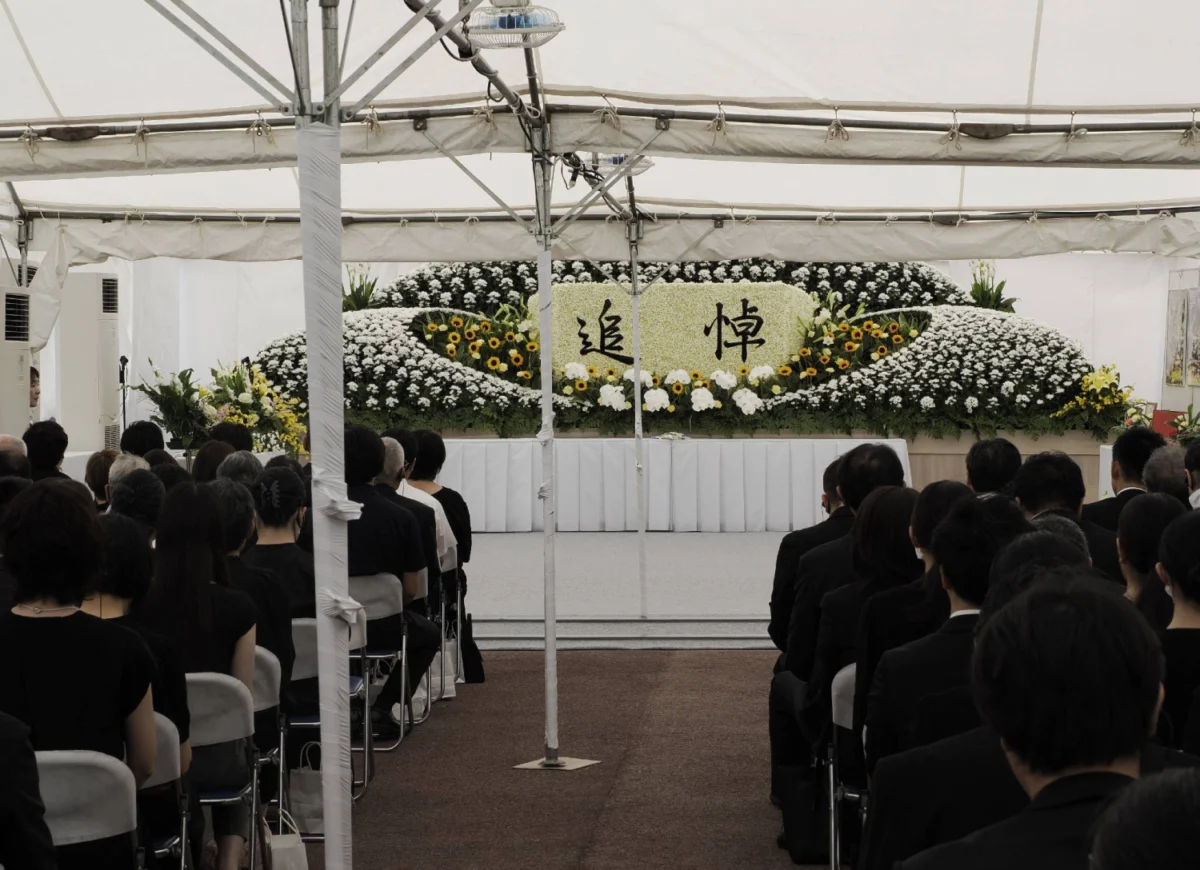
KYOTO — On a somber Saturday morning, the air in Kyoto was thick with the weight of memory. Under a grey, contemplative sky, approximately 140 individuals—bereaved family members, company executives, and dedicated staff—gathered at the site of the former Kyoto Animation No. 1 studio. The occasion was a private memorial service, an annual ritual of grief and resilience marking the anniversary of one of the deadliest mass-casualty events in modern Japanese history.
Five years have passed since the morning of July 18, 2019, when a deliberate act of arson turned a sanctuary of creativity into a scene of unimaginable horror. As the industry and the global anime community continue to process the loss of 36 brilliant lives, the ceremony served as a poignant reminder that while the physical studio may be gone, the spirit of "KyoAni"—as the studio is affectionately known—remains steadfast in its commitment to the legacy of those who were lost.
The Chronology of a Tragedy
To understand the gravity of the recent memorial, one must look back at the timeline of the catastrophe that shook the foundations of the global animation industry.
The Attack (July 18, 2019)
At approximately 10:30 a.m., a man entered the studio’s ground floor, doused the area with gasoline, and ignited it. The fire spread with terrifying speed, exacerbated by the building’s open spiral staircase, which acted as a chimney for the toxic smoke. Within minutes, the three-story structure was engulfed. Of the 70 people inside at the time, 36 perished, and 32 others sustained varying degrees of injury. It was the deadliest act of arson in Japan since the 2001 Myojo 56 building fire in Tokyo.
The Aftermath and Legal Reckoning
The perpetrator, Shinji Aoba, was apprehended at the scene with severe burns and spent months in intensive care before undergoing a lengthy trial process. In January 2024, the Kyoto District Court sentenced Aoba to death, citing the "unfathomable" cruelty and "no room for leniency" regarding his actions. The conclusion of the trial provided a measure of judicial closure, but for the families and the studio, the emotional journey remains ongoing.
The Path to Memorialization (2019–2024)
Following the fire, the studio was demolished, leaving a vacant lot that has since become a site of pilgrimage for fans worldwide. The company has navigated the difficult transition of mourning while continuing to produce world-class animation, a testament to the resilience of the survivors and the new talent that has since joined the firm.
Supporting Data: The Human Cost of the Fire
The statistics surrounding the July 18 incident speak to a loss that transcends mere numbers. The 36 victims were not just employees; they were key animators, directors, character designers, and colorists responsible for some of the most beloved works in the medium, including Violet Evergarden, Clannad, and Sound! Euphonium.
- Casualty Count: 36 deceased, 32 injured.
- Demographics: The victims were predominantly young, talented artists at the height of their creative powers.
- Industry Impact: The loss of such a concentrated group of high-level talent sent shockwaves through the animation sector, leading to a nationwide re-evaluation of fire safety codes in commercial buildings, particularly those with complex floor plans like the studio’s.
- Support Initiatives: In the months following the attack, Kyoto Animation received over 3.3 billion yen ($30 million at the time) in donations from fans across the globe, providing critical financial support for the victims’ families and the reconstruction of the company.
Official Responses and Voices of Remembrance
The memorial service held this Saturday was characterized by a profound sense of continuity. The ceremony, which began at 10:35 a.m., allowed participants to offer silent prayers and flowers, creating a space where the past and future could coexist.
The Families’ Perspective
A representative of the bereaved families delivered a moving address that echoed the sentiments of many who lost loved ones. "Even if your names disappear from the end credits, we will meet you again in the works through your skills, passion, and dedication passed on to us," the representative stated. This sentiment underscores the philosophy of the studio: that an animator’s life force is permanently encoded into the movement of every character they draw.
The New Generation
A newer employee, who joined the company after the tragedy, offered a reflection that bridged the gap between the studio’s past and its future. "I wish I could have seen with my own eyes and felt how all of you dedicated yourselves to your work," the employee remarked. "I hope you’ll watch over us as we sincerely work on creating great works."
Leadership and Continuity
Shinichiro Hatta, the son of the late president Hideaki Hatta, addressed the attendees with a focus on institutional legacy. "We’ll keep moving forward with sincerity while cherishing and preserving the philosophy and approach to production established by our predecessors," he said.
The mention of the late Hideaki Hatta, who passed away in February at the age of 76, added another layer of solemnity to this year’s service. Having led the company since its establishment in 1985, his death marked the end of an era, leaving his son to steward the company through its most difficult chapter.
The Monument: A Future Site of Reflection
One of the most significant topics discussed during the memorial process has been the construction of a permanent monument on the site of the former studio. Since 2022, Kyoto Animation has held 25 separate meetings with the bereaved families to discuss the design, intent, and placement of a memorial.
The project, however, has faced delays. The company cited rising construction costs as a primary hurdle, though it stressed that the financial aspect is secondary to the need for "appropriate judgment." The goal is not merely to erect a structure, but to create a space that respects the privacy of the families while acknowledging the impact of the tragedy on the local Kyoto community.
"We hope to install the monument as soon as possible," a company spokesperson confirmed. The delay is indicative of the studio’s cautious, respectful approach—they are unwilling to rush a project that carries such profound emotional weight.
Implications: The Enduring Legacy of KyoAni
The tragedy of 2019 did not break Kyoto Animation; instead, it transformed the company into a symbol of collective healing.
Shifts in Industry Culture
The event forced the anime industry to confront the vulnerability of its studios. Beyond fire safety, there has been an increased focus on mental health support for staff and the importance of community in the workplace. KyoAni has become a beacon for these values, proving that a company can prioritize the well-being of its artists while maintaining the highest artistic standards.
The "KyoAni Style" as a Living Entity
The studio’s recent works demonstrate that the aesthetic and emotional depth—often referred to as the "KyoAni Style"—remains intact. By focusing on themes of grief, memory, and the passage of time in their post-2019 works, the studio has managed to turn its art into a form of public mourning and celebration of life.
A Global Connection
The outpouring of support from international fans proved that Kyoto Animation’s impact is global. The "No. 1 studio" was a place where people from different cultures felt a deep, personal connection to the characters and stories produced there. The memorial service serves as a reminder to this global audience that while the tragedy was local, the legacy of the victims belongs to the world.
Conclusion
As the sun set over Kyoto this past Saturday, the site of the No. 1 studio remained quiet. The flowers left by the families served as a vibrant contrast to the void left by the building’s absence. Kyoto Animation is a company defined by its ability to breathe life into still images, and in doing so, it has ensured that the 36 individuals lost in the fire are never truly gone.
Through the ongoing development of the monument and the studio’s commitment to "moving forward with sincerity," the company is doing more than just recovering; it is redefining what it means to be a creative institution in the face of tragedy. The victims’ names may not always be in the spotlight, but their dedication—the very soul of the studio—is present in every frame that Kyoto Animation produces today. They remain, as the families noted, in the work itself.