Cannes 2026: Mid-Festival Dispatches and the Search for New Cinematic Frontiers
The 2026 Cannes Film Festival has reached its midpoint, and the atmosphere on the Croisette is one of frantic, high-stakes intellectual inquiry. As the red carpets roll out for the latest works by masters like Pedro Almodóvar, Valeska Grisebach, James Gray, and Paweł Pawlikowski, the critical community finds itself grappling with a slate of films that seem intent on redefining the boundaries of genre, documentary, and the “out-of-body” cinematic experience.
In the latest installment of the Film Comment podcast, Editor Devika Girish convened with critics and programmers Jordan Cronk, Adam Piron, and Ruun Nuur to cut through the noise of the festival. Their discussion serves as a vital map for navigating a program that has proven to be as challenging as it is star-studded.
The State of the Festival: A Mid-Term Report
Cannes 2026 arrived with immense expectations. Following a few years of industry consolidation, the festival has re-asserted its position as the singular arbiter of global cinematic prestige. The current selection, characterized by a mix of returning auteurs and daring newcomers, has turned the Palais des Festivals into a pressure cooker of debate.
For attendees, the sheer volume of premieres can be overwhelming. Film Comment’s on-the-ground coverage—which includes a dedicated Cannes Critics’ Grid and a rapid-fire series of dispatches—aims to synthesize the diverse reactions from the press corps. The consensus so far? We are witnessing a transition in global filmmaking, where the traditional lines between documentary and fiction are blurring, and where the “thriller” is being reinvented through sensory, almost visceral, formal experimentation.
Chronology of Highlights: From Gray to Harari
The Film Comment team’s fifth podcast episode provides a granular look at the films that have dominated the conversation since the festival’s opening gala.
Paper Tiger (James Gray) – [03:15]
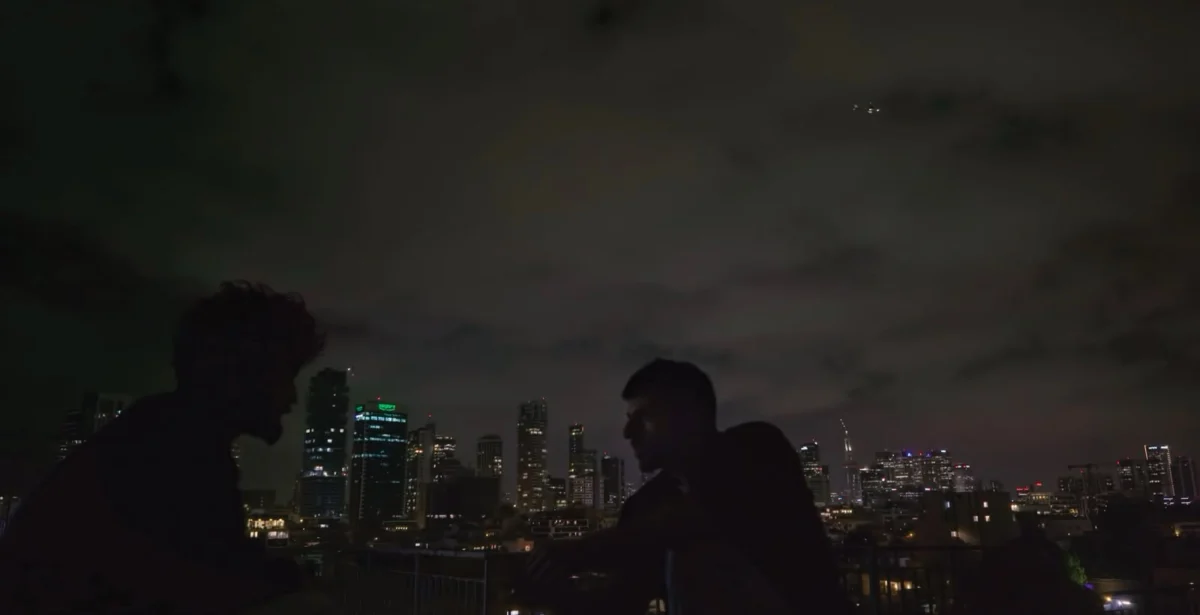
James Gray, long considered a master of the American urban drama, has brought Paper Tiger to the festival, a film that immediately became the subject of intense scrutiny. The panel analyzed how Gray navigates the conventions of the crime drama while imbuing it with a melancholic, existential weight. Unlike his more sweeping historical epics, Paper Tiger operates with a claustrophobic intensity, challenging audiences to find moral clarity in a landscape of shifting loyalties.
9 Temples to Heaven (Sompot Chidgasornpongse) – [11:08]
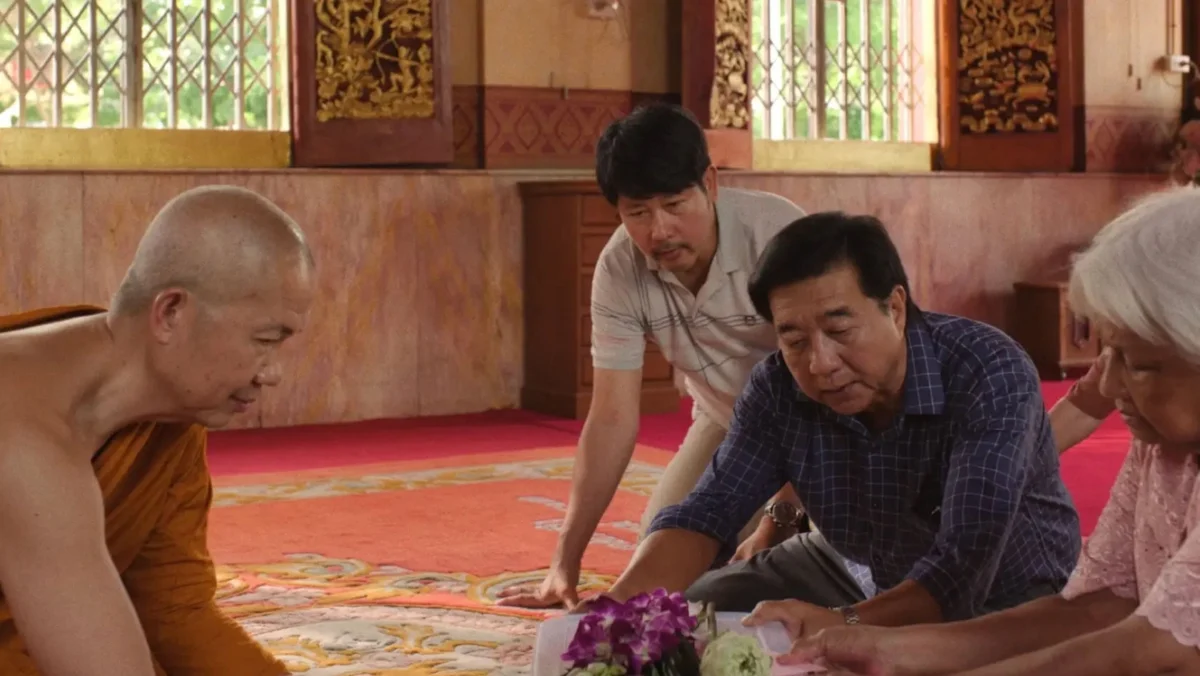
Perhaps the most surprising entry discussed was Sompot Chidgasornpongse’s 9 Temples to Heaven. A family road movie that deviates from the conventional tropes of the genre, the film offers a meditative, observational look at spiritual pilgrimage. The critics highlighted the film’s unique temporal pacing, which forces the viewer to sit with the characters in a way that feels both intimate and expansive.
The Documentary Renaissance – [22:00]
The festival’s documentary section has been particularly robust this year. The panel touched upon a trio of films—Gabin, The Match, and The Story of Documentary Film—that reflect a broader trend toward reflexive filmmaking. These documentaries are not merely pedagogical; they are investigations into the nature of the image itself. The Story of Documentary Film, in particular, was noted for its meta-commentary on the medium’s evolution, positioning itself as both a tribute and a critique.
The Unknown (Arthur Harari) – [34:15]
Rounding out the discussion was Arthur Harari’s The Unknown, described by the panelists as an “out-of-body experience.” Harari, whose previous work has shown a knack for building tension, here leans into pure atmosphere. The film is being hailed as a triumph of sound design and cinematography, creating a psychological space that lingers long after the credits roll.
Supporting Data: The Critics’ Grid and Industry Metrics
The Film Comment Cannes Critics’ Grid remains a cornerstone of the festival experience. By aggregating the star ratings from a rotating panel of international critics, the grid provides a real-time pulse of the competition.
Mid-festival data indicates a highly polarized field. Films like Paper Tiger have received high marks for technical craft, while experimental works have seen wide variance in scores, reflecting a healthy disagreement among the global critical community. This diversity of opinion is essential to the festival’s identity; it prevents the formation of a monolithic "Cannes consensus" and ensures that smaller, more radical films receive the attention they deserve.

Official Responses and The Auteur Pivot
The inclusion of veterans like Pedro Almodóvar and Paweł Pawlikowski serves as a reminder of the festival’s commitment to the "Auteur" model. However, in press conferences throughout the week, these filmmakers have echoed a similar sentiment: the need to adapt to a changing media landscape.
During the Q&A sessions for the premiere of their respective works, both directors emphasized the necessity of the theatrical experience. Their responses suggest that while streaming platforms offer reach, the "Cannes experience"—the collective silence of a thousand people in the Grand Théâtre Lumière—remains the gold standard for artistic validation.
Implications: The Future of Global Cinema
What do these mid-festival highlights tell us about the trajectory of cinema?
First, there is a clear move toward sensory storytelling. Whether it is the meditative road journey in 9 Temples to Heaven or the disorienting thrills of The Unknown, directors are prioritizing the "feeling" of a film over traditional narrative linearity.
Second, the blurring of documentary and narrative is accelerating. Audiences are increasingly comfortable with films that abandon the artifice of traditional scripts in favor of a "captured" reality. This shift presents a challenge for distributors but an opportunity for filmmakers to experiment with form in ways previously reserved for the gallery space.
Finally, the economic implications for independent cinema are becoming clear. Cannes 2026 is functioning as a laboratory for what might succeed in a post-saturation market. Films that offer a distinct, uncopyable aesthetic experience—the kind that requires a communal viewing to fully appreciate—are finding the most success with both critics and international buyers.
Conclusion: Looking Ahead to the Closing Ceremony
As the festival moves into its second week, the conversation will likely shift from the films themselves to the awards, particularly the Palme d’Or. However, for the team at Film Comment, the goal remains the same: to document the ephemeral.
The coverage provided by the Film Comment podcast and their ongoing dispatches serves as a vital archive for a festival that is constantly changing. Whether it is the crime-laden streets of James Gray’s world or the spiritual landscapes of Chidgasornpongse, the 2026 edition of Cannes is proving that cinema, while under constant pressure, remains an essential site of human inquiry.
For those looking to keep pace with the final days of the festival, subscribing to the Film Comment newsletter remains the most reliable way to stay informed. As the final reels unspool and the juries begin their deliberations, one thing is certain: the films of 2026 have already left an indelible mark on the history of the medium.
This story is part of the Summer 2026 issue of Film Comment. To stay up-to-date with all our Cannes 2026 coverage, subscribe to The Film Comment Letter today.