Elemental Ambitions: The Strategic Theatrical Run of Avatar Aang: The Last Airbender
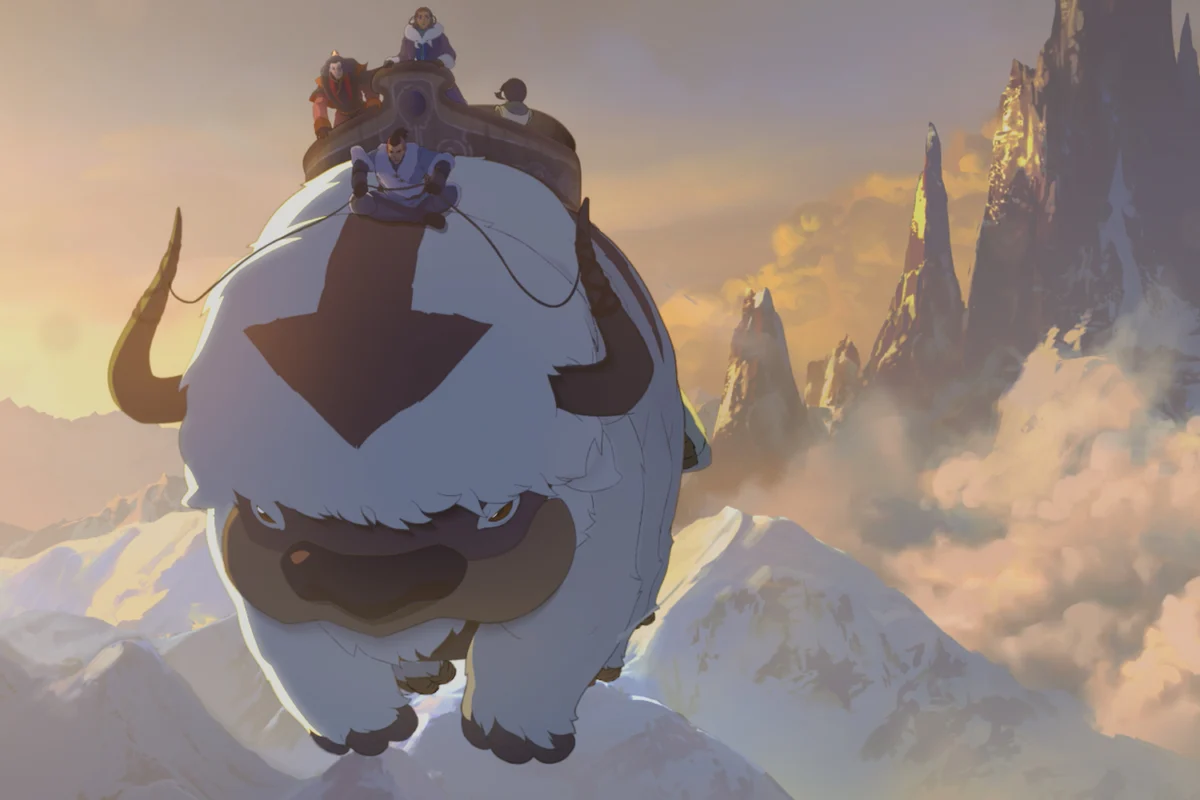
For fans of the groundbreaking animated saga that defined a generation of television, the wait is nearly over—but the opportunity to experience it in a traditional cinematic setting will be as fleeting as a gust of wind. Paramount Pictures has announced a highly exclusive, one-week theatrical engagement for the upcoming feature film Avatar Aang: The Last Airbender. While the film is slated for a broader digital release shortly thereafter, this strategic rollout is far more than a simple fan service; it is a calculated maneuver in the high-stakes arena of awards season campaigning.
The Main Facts: A Limited Cinematic Event
Beginning July 24 and running through July 30, Avatar Aang: The Last Airbender will grace the silver screen in two of the most influential film markets in the United States. Residents of New York City and Los Angeles will have the opportunity to secure tickets for three daily screenings at the AMC Empire 25 in Manhattan and the AMC Burbank Town Center 6 in Los Angeles, respectively.
For the dedicated legion of fans who have followed the journey of the Avatar since the original Nickelodeon series premiered in 2005, this represents a rare chance to see the animation, sound design, and sweeping orchestral scores intended for a theater-grade sound system. Furthermore, an additional screening event is scheduled for July 24 at San Diego Comic-Con, providing a high-profile platform for the film to debut in front of the most concentrated audience of genre enthusiasts in the world.
A Chronology of the Avatar Legacy
To understand the significance of this film, one must appreciate the complex narrative architecture of the Avatar universe. The story of Aang is not merely a standalone adventure; it serves as a crucial bridge in the franchise’s history.
- The Original Series (2005–2008): The foundational series introduced the world to Aang, the last surviving member of the Air Nomads, who must master the four elements to defeat the Fire Nation and restore balance to a world torn apart by imperial conquest.
- The Interstitial Era: Avatar Aang: The Last Airbender fills the critical gap between the conclusion of the original series and the rise of the next Avatar, Korra. It serves as a sophisticated narrative bridge, exploring the immediate aftermath of the Hundred Year War and the challenges of rebuilding a fractured global society.
- The Future: Following its theatrical window, the film will transition to Paramount Plus on July 25, allowing for global access that the limited theatrical run cannot provide.
This film is positioned as both a love letter to the original creators, Michael Dante DiMartino and Bryan Konietzko, and a definitive expansion of the lore that has since birthed a massive multimedia franchise.
The Narrative Stakes: Saving a Culture
The synopsis provided by the studio suggests a tone that balances high-stakes political intrigue with the series’ signature focus on personal growth. The film follows Aang as he discovers the existence of an ancient, latent power. This discovery is not merely a plot device; it is framed as the potential salvation of his culture from total extinction.
The narrative thrust—a global quest to secure this power before it falls into the hands of those who would use it to undermine the fragile peace established at the end of the Hundred Year War—echoes the thematic depth of the original series. It promises to explore the cost of peace and the burden of legacy, themes that have historically resonated with both critics and audiences, elevating the material above standard Saturday-morning fare.
Supporting Data: The Voice Cast and Creative Team
The scale of this production is underscored by its A-list voice cast, which blends veteran voice actors with major Hollywood talent.
- The Lead: Eric Nam takes on the mantle of Aang, a role that requires balancing the character’s inherent playfulness with the profound gravity of his responsibilities.
- The Supporting Ensemble: The cast includes Dave Bautista as Tagah, Jessica Matten as Katara, Román Zaragoza as Sokka, Steven Yeun as Zuko, and Dionne Quan as Toph.
- Supporting Voices: The production has also secured an impressive roster of additional talent, including Freida Pinto, Ke Huy Quan, Taika Waititi, Geraldine Viswanathan, Ronny Chieng, and Ken Jeong.
- The Guardians of Lore: Notably, Dee Bradley Baker returns to provide the iconic vocal effects for Appa and Momo, ensuring a vital link to the original series’ aesthetic.
Behind the scenes, the film is led by director Lauren Montgomery, with co-directors Steve Ahn and William Mata. Their combined experience in the animation industry suggests a commitment to maintaining the visual language of the original series while utilizing modern, high-definition animation techniques to render the world of the Four Nations with newfound scale and detail.
Official Responses and Strategic Implications
The decision to limit the theatrical run to two major cities for a single week is a classic "Oscar-qualifying run." In the world of film distribution, to be eligible for the Academy Award for Best Animated Feature, a film must meet specific theatrical exhibition requirements. By securing screen time in New York and Los Angeles, Paramount is signaling its intent to aggressively campaign Avatar Aang: The Last Airbender for next year’s awards cycle.
Industry analysts note that studios frequently employ this strategy to generate "prestige" for animated films. In an era where streaming platforms dominate the consumption of animation, a theatrical release—however brief—serves as a marker of quality. It tells the Academy, and the public, that this film is a cinematic event worthy of critical consideration, rather than simply content designed to populate a streaming library.
The Broader Implications for the Franchise
The implications of this move extend far beyond a single award season. By treating the Avatar property with the level of prestige typically reserved for theatrical blockbusters, Paramount is signaling a long-term commitment to the brand. If the film performs well critically—and if the campaign for accolades proves successful—it could pave the way for more feature-length entries in the Avatar universe.
Furthermore, this release model acknowledges the changing landscape of media consumption. By providing a "premium" experience for those in major cities while ensuring the film is widely available to the global audience on Paramount Plus the very next day, the studio is effectively catering to two different segments of the fanbase. The hardcore enthusiasts get the "event" experience, while the wider audience receives immediate access, maximizing both prestige and reach.
Final Reflections
As July 24 approaches, the excitement among the Avatar community is palpable. The blend of a nostalgic return to Aang’s journey and the introduction of a new, complex threat promises to satisfy those who grew up with the show while inviting new viewers into the fold.
Whether or not the film secures an Oscar nomination, the move represents a significant evolution in how legacy animated franchises are handled. By elevating the Avatar story to the big screen, even for a short time, Paramount is validating the cultural impact of Aang’s journey and ensuring that the legend of the last Airbender continues to captivate new generations. Fans are encouraged to book their tickets immediately, as the limited nature of the run—combined with the high demand for a franchise of this magnitude—guarantees that these seats will vanish as quickly as an air-bender in the heat of battle.