The Film Comment Podcast: Venice 2026 #2: Print the Legend | Film Comment
VENICE, ITALY — As the morning mist lifts off the picturesque, storied shores of the Lido, the 2026 Venice Film Festival is firmly in full swing, delivering a staggering lineup of cinematic heavyweights. This year’s edition of the world’s oldest film festival has transformed the historic Italian island into a bustling nexus for global cinephilia, playing host to eagerly anticipated new works from cinematic titans such as Werner Herzog, Tsai Ming-liang, and a host of other legendary auteurs.
Amidst this whirlwind of red-carpet premieres, high-stakes press conferences, and midnight screenings, Film Comment has set up its temporary newsroom on the Adriatic coast to bring daily dispatches to cinephiles worldwide. For the latest installment of the Film Comment Podcast, Co-Editor Devika Girish sat down with two of the industry’s most perceptive and respected critics—Bilge Ebiri of New York Magazine and Vulture, and Guy Lodge of Variety. Together, the trio dove deep into the festival’s vibrant programming, offering sharp, analytical reactions to three of the most talked-about titles occupying the festival’s prestigious Competition and Horizons sidebars: Danny Boyle’s explosive Ink, Lee Chang-dong’s emotionally resonant Possible Love, and Robert Greene’s boundary-pushing documentary Too Much Sugar.
Main Facts: The Venice 2026 Landscape and Podcast Highlights
The 2026 Venice Film Festival stands as one of the most competitive and diverse showcases in recent memory, bridging the gap between Hollywood spectacles and masterclasses in international art-house cinema. The Film Comment podcast episode centers on three distinct films that capture the thematic breadth of the festival:
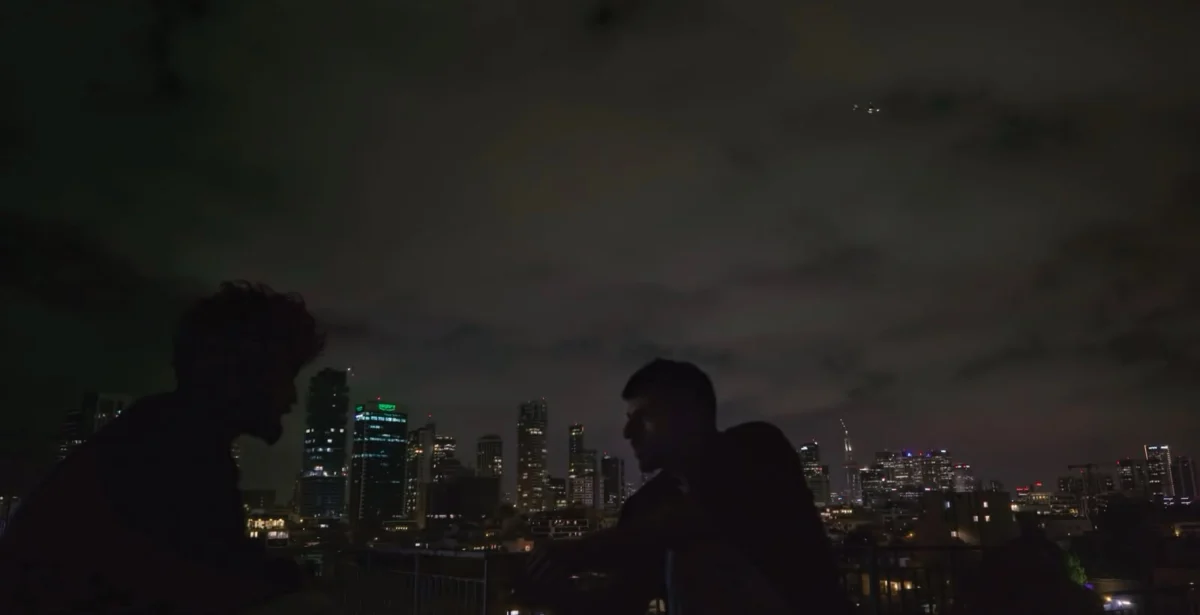
- Danny Boyle’s Ink (Competition): Discussed at the 2:28 mark of the podcast, Boyle’s latest narrative feature brings his signature kinetic energy and visual hyper-stylization back to the Lido, generating intense debate among critics regarding its narrative ambitions and formal execution.
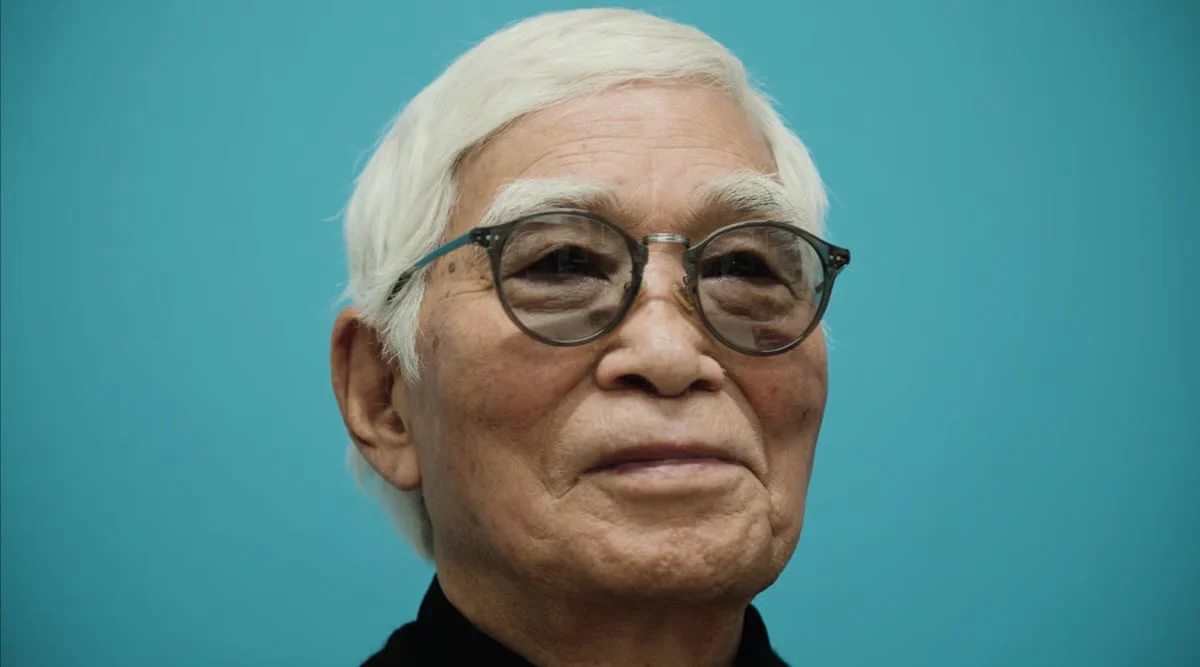
- Lee Chang-dong’s Possible Love (Competition): Analyzed starting at 12:05, the master South Korean filmmaker’s return to the director’s chair has emerged as an early emotional anchor of the main Competition, exploring the intricate, often agonizing nuances of human connection and memory.
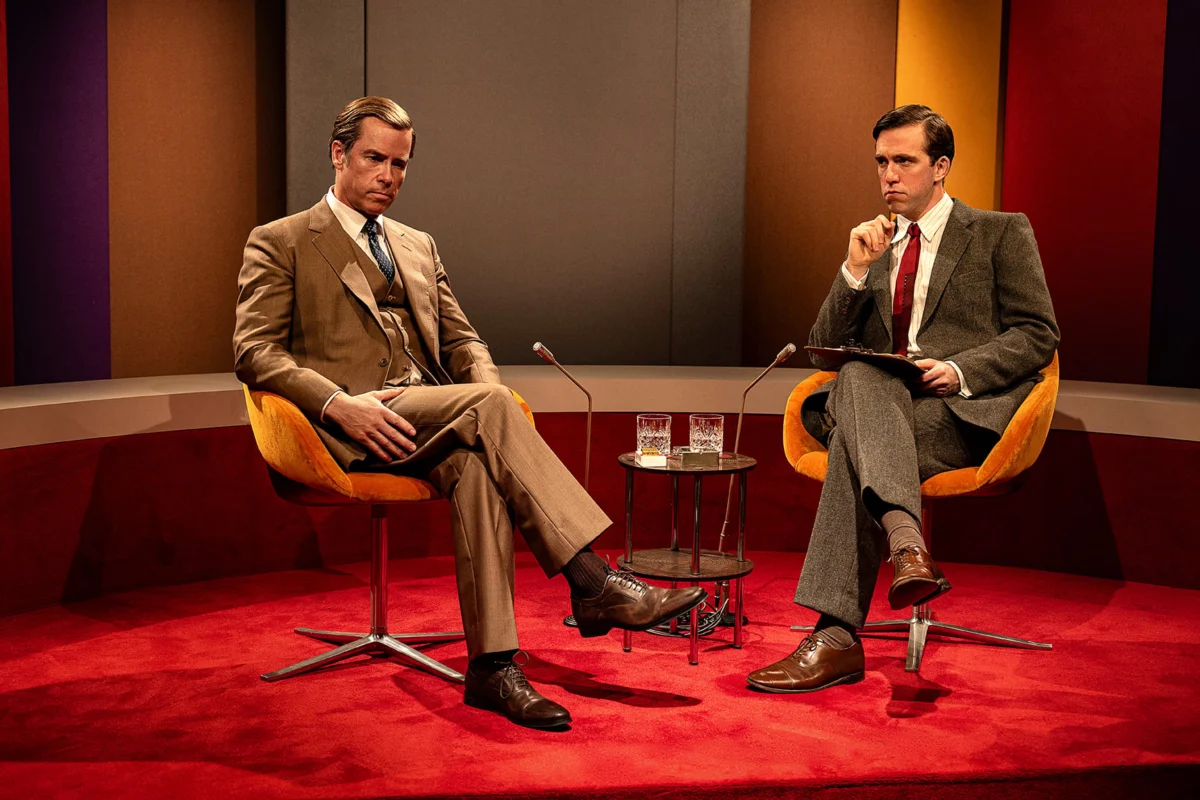
- Robert Greene’s Too Much Sugar (Horizons): Featured at the 27:30 mark, Greene’s innovative non-fiction project in the Horizons sidebar challenges the traditional boundaries of documentary filmmaking, blending meta-narrative structures with profound emotional intimacy.
Chronology: A Day-by-Day Journey on the Lido
To understand the weight of these cinematic offerings, one must trace the chronological rhythm of the festival week, where high-profile galas bleed into late-night critical debates over espresso and prosecco on the terrace.
Early Days: The Arrival on the Lido
As the festival kicked off earlier in the week, anticipation reached a fever pitch for the return of veteran directors. The Lido transformed into a red-carpet labyrinth, welcoming international press corps, studio executives, and thousands of passionate film fans. The climate on the ground was electric, set against the backdrop of the iconic Palazzo del Cinema. Critics and festival-goers spent the initial days navigating the sprawling screening schedules, attempting to balance major Hollywood contenders with the rigorous, esoteric selections of the Horizons and Orizzonti sections.
Mid-Festival Peak: The Unveiling of Ink and Possible Love
Midway through the week, the Competition section delivered a massive one-two punch with the back-to-back premieres of Danny Boyle’s Ink and Lee Chang-dong’s Possible Love.
- Danny Boyle’s Ink arrived with an aura of unpredictable excitement. Known for his ability to inject adrenaline into disparate genres—from the gritty realism of Trainspotting to the sweeping romance of Slumdog Millionaire—Boyle’s latest effort immediately sparked divided, passionate discourse on the press shuttle.
- Shortly thereafter, the emotional temperature of the festival shifted dramatically with the premiere of Lee Chang-dong’s Possible Love. Lee, revered for his meticulous pacing and devastating emotional clarity (Burning, Poetry), offered audiences a masterclass in cinematic restraint and psychological depth, providing a stark, contemplative counterweight to Boyle’s visual pyrotechnics.
Expanding Horizons: Robert Greene’s Too Much Sugar
Shifting focus away from the main Competition arena, the conversation later turned toward the Horizons sidebar—a section dedicated to showcasing aesthetic and expressive innovation in contemporary cinema. Here, Robert Greene’s Too Much Sugar made its splash. Known for pushing the envelope of non-fiction cinema through hybrid forms of reenactment and psychological excavation (Bisbee ’17, Procession), Greene’s new film invited audiences to question the very nature of truth, performance, and documentary ethics.
Supporting Data: Critical Reception and Festival Metrics
While box office returns and official awards will not be determined until the festival’s closing night, early critical consensus and industry metrics provide a clear picture of how these three films are performing in the court of public and critical opinion.
| Film Title | Director | Festival Section | Key Themes | Critical Consensus / Early Buzz |
|---|---|---|---|---|
| Ink | Danny Boyle | Main Competition | Visual velocity, modern media, kinetic storytelling | Divisive yet electrifying; praised for sheer technical audacity, debated for narrative cohesion. |
| Possible Love | Lee Chang-dong | Main Competition | Memory, interpersonal dynamics, emotional excavation | Universally lauded as an early masterclass in subtlety and profound human empathy. |
| Too Much Sugar | Robert Greene | Horizons (Orizzonti) | Documentary hybridity, performance, collective memory | Acclaimed as a bold, formally daring expansion of Greene’s signature non-fiction methodology. |
The Critical Roundtable Breakdown
During the podcast, Devika Girish guided Ebiri and Lodge through a rigorous unpacking of these metrics.
- Bilge Ebiri noted that Boyle’s Ink demonstrates a relentless commitment to visual experimentation, pushing the medium to its sensorial limits even when the narrative threatens to outrun its emotional anchor.
- Guy Lodge emphasized the staggering grace of Lee Chang-dong’s Possible Love, pointing out how the South Korean auteur continues to effortlessly outpace younger filmmakers in his ability to render complex interior psychological states visible on screen.
- Turning to the Horizons sidebar, the panel agreed that Robert Greene’s Too Much Sugar proves that non-fiction filmmaking remains the most fertile ground for formal risk-taking in contemporary cinema.
Official Responses and Press Reactions
The red-carpet premieres and subsequent press conferences for Ink, Possible Love, and Too Much Sugar generated significant media coverage and official commentary from the creative teams involved.

Danny Boyle on Ink
During the packed press conference for Ink, director Danny Boyle spoke candidly about his motivation to continually disrupt his own creative process. When asked about the frantic pacing and visual texture of the film, Boyle remarked that cinema in the digital age demands a language that mirrors the fragmented, sensory-overloaded reality of modern existence. "We aren’t here to comfort audiences with predictable formulas," Boyle stated to a packed room of international journalists. "We are here to capture the pulse of the current moment, even if that pulse is erratic and overwhelming."
Lee Chang-dong’s Quiet Presence
In stark contrast to Hollywood-style bombast, Lee Chang-dong approached the press rollout for Possible Love with characteristic humility and philosophical reflection. Speaking through an interpreter, Lee discussed the immense difficulty of capturing genuine human emotion in a world saturated with artificial images. "To make a film about love and memory today is to acknowledge how fragile those concepts have become," Lee explained. "We must look past the surface noise to find the quiet, painful truths that tie us together as human beings."
Robert Greene on Documentary Boundaries
Robert Greene, a fixture of adventurous American non-fiction filmmaking, addressed the meta-narrative complexities of Too Much Sugar during the Horizons panel discussions. Greene emphasized that the documentary form must continuously evolve to reflect the constructed nature of our memories and lives. "We live in a world where performance is ubiquitous," Greene noted. "By leaning into the artificiality and the theatricality within documentary, we aren’t falsifying reality—we are finding a truer way to express it."
Implications: What These Films Mean for the Future of Cinema
As the Venice Film Festival moves past its halfway point, the cultural and industrial implications of these three works extend far beyond the idyllic shores of the Lido. They serve as barometers for where global cinema is heading in late 2026 and beyond.
1. The Survival of Bold Auteurism in Studio Spaces
Danny Boyle’s Ink represents a crucial test case for auteur-driven spectacle within an increasingly risk-averse global distribution market. By continuing to champion high-wire visual style and unconventional narrative structures, directors of Boyle’s caliber remind the industry that big-budget and mid-budget filmmaking can still retain an unmistakable artistic signature. The polarized yet enthusiastic critical response suggests that audiences are still hungry for cinematic experiments that refuse to play it safe.
2. The Universal Resonance of East Asian Art-House Cinema
Lee Chang-dong’s continued dominance on the international festival circuit underscores the enduring global appetite for emotionally rigorous, culturally specific storytelling. Possible Love reinforces the idea that quiet, deeply internalized character studies can transcend linguistic and geographical borders to resonate profoundly with international juries and audiences alike. As streaming platforms and traditional distributors vie for prestige content, Lee’s work stands as a gold standard for enduring artistic integrity.
3. The Ever-Expanding Boundaries of Non-Fiction
Robert Greene’s Too Much Sugar highlights the vital, revolutionary health of the documentary format. By refusing to adhere to outdated notions of objective observation, hybrid documentaries are opening up new pathways for emotional and social exploration. The success of Greene’s film in the Horizons sidebar signals to programmers, funders, and creators that the future of non-fiction lies in radical formal invention coupled with profound ethical and psychological inquiry.
Stay Tuned for More Venice Dispatches
As the awards buzz intensifies and the race for the coveted Golden Lion heats up, Film Comment remains your premier source for comprehensive, critical coverage from the front lines of the Venice Film Festival.
To ensure you don’t miss a single review, podcast episode, or exclusive interview from the Lido, make sure to subscribe to Film Comment and sign up for The Film Comment Letter for free daily updates delivered straight to your inbox. Dive deeper into the Summer 2026 issue of Film Comment to explore more essays, dispatches, and critical deep-dives from the year’s most essential cinematic gatherings.