Diplomatic Standoff: South Korea Boycotts Sado Mine Memorial Over Historical Interpretation Disputes
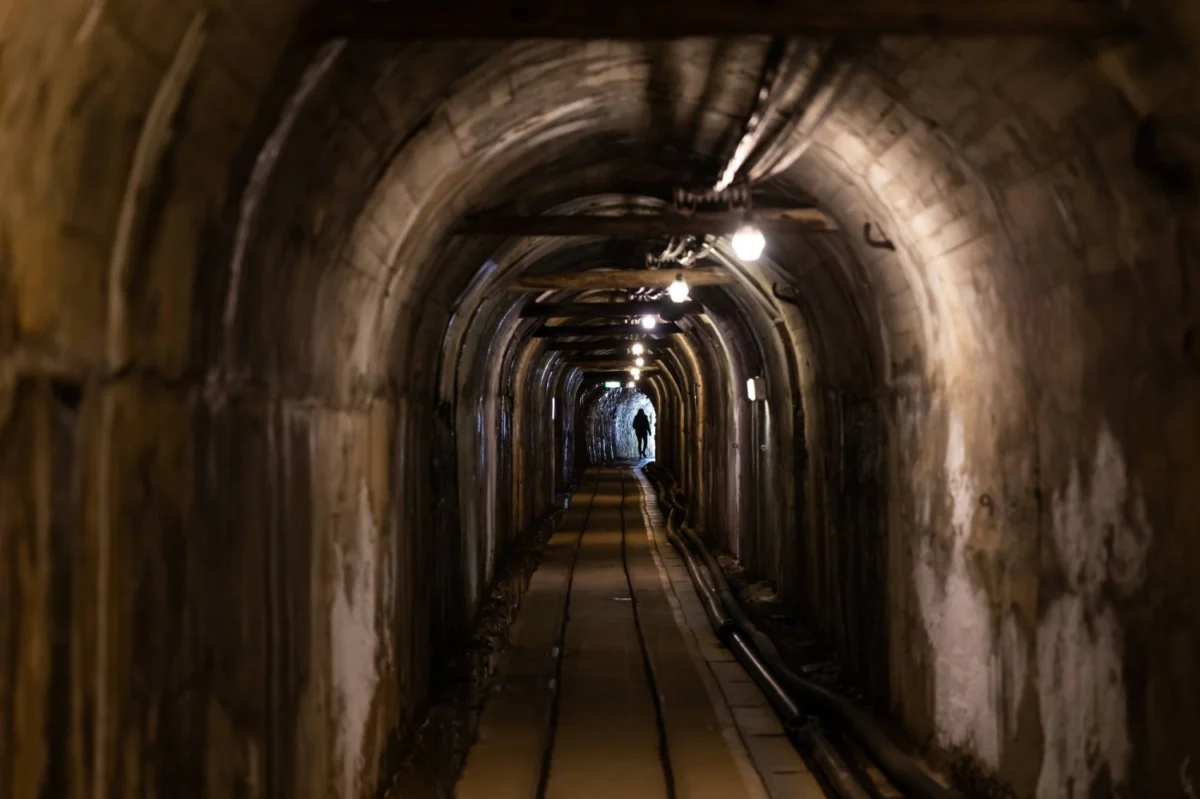
SEOUL – In a move that underscores the lingering fragility of bilateral relations between Seoul and Tokyo, the South Korean government announced on Wednesday that it will decline to send official representatives to the upcoming memorial service at the Sado Island Gold Mines. The ceremony, scheduled for this Saturday in Niigata Prefecture, is intended to honor the laborers who worked at the now-defunct mining complex.
This absence marks the third consecutive year that South Korea has boycotted the event. Despite months of high-level consultations aimed at bridging the gap between the two nations, the core issue remains a volatile point of contention: the historical characterization of laborers brought from the Korean Peninsula during Japan’s 1910–1945 colonial rule.
The Core Conflict: A Question of "Forced" Labor
The disagreement centers on the terminology used to describe the conditions of the Korean laborers who toiled in the Sado mines. Seoul maintains that many of these individuals were subjected to forced labor under the mobilization policies of Imperial Japan. Conversely, the Japanese government has historically been reluctant to explicitly use the term "forced labor," often preferring more neutral language that emphasizes the broader context of wartime labor mobilization.
For the South Korean government, the nomenclature is not merely a linguistic preference but a moral and legal imperative. To accept the Japanese framing is, in the eyes of many South Korean officials and citizens, to sanitize the hardships suffered by victims of colonial-era exploitation. A government source speaking on the condition of anonymity confirmed that while serious negotiations were held leading up to this Saturday’s service, the two sides could not reach a consensus on how the history of the laborers should be represented and honored.
Chronology of the Sado Mine Dispute
The path to the current stalemate is marked by years of intense diplomatic maneuvering and international oversight.
- 1910–1945: The period of Japanese colonial rule over the Korean Peninsula, during which thousands of Koreans were mobilized to work in mines and factories across the Japanese archipelago.
- 2022–2023: South Korea initiates a policy of non-attendance at the Sado memorial services, citing concerns that the event fails to adequately acknowledge the forced nature of the labor involved.
- July 2024: The Sado Gold Mines are officially added to the UNESCO World Cultural Heritage list. This achievement was only possible after Tokyo secured Seoul’s consent, which was granted following a Japanese pledge to hold an annual memorial service for all workers at the site.
- July 2024 (Concurrent): The UNESCO World Heritage Committee adopts a resolution explicitly calling for improvements to the site’s exhibits. The committee mandated that Japan provide a "comprehensive view" of the history of mining on Sado, ensuring that the experiences of all laborers are represented accurately.
- November 2024: The current impasse is finalized as South Korea declines the invitation to the upcoming Saturday service, opting instead to hold its own, separate memorial ceremony.
UNESCO’s Mandate: The Requirement for Comprehensive History
The UNESCO World Heritage Committee’s decision in July to include the Sado mines was a landmark moment, but it came with significant caveats. The Committee recognized that the site possesses "outstanding universal value" due to its pre-modern mining techniques. However, the international body also acknowledged the site’s complex and painful history during the 20th century.
The resolution adopted by the Committee acts as a roadmap for how the site should be managed. It explicitly calls for Japan to enhance its on-site exhibits to reflect the full history of the island’s mining operations. For South Korea, this is the gold standard for compliance. The Seoul government has signaled that its participation in future events is contingent upon Japan’s adherence to this resolution "fully and in good faith."
South Korean officials have expressed concern that the current narrative at the Sado site remains skewed, focusing on the technological advancements of the mines while downplaying the suffering of those who were coerced into labor.
Official Responses and Diplomatic Friction
The decision to skip the ceremony is a clear signal from the Yoon Suk-yeol administration that it will not compromise on historical justice, even as it seeks to normalize security and economic ties with Prime Minister Shigeru Ishiba’s government.
"We held serious consultations with the Japanese side," the South Korean government source stated. "However, we could not reach an agreement on key disputed points." This indicates that despite the "thaw" in relations seen over the past year—often attributed to shared concerns over regional security threats from North Korea—the "History Issue" remains a potent roadblock.
From the Japanese perspective, the memorial service is intended to be a solemn, inclusive event that honors the deceased without inviting the political acrimony that has plagued other historical sites. However, Tokyo’s refusal to label the labor as "forced" has effectively alienated the very neighbor whose consent was vital for the site’s UNESCO designation.
Implications for Future Relations
The ongoing boycott has broader implications for the long-term sustainability of the South Korea-Japan rapprochement.
1. The Domestic Political Tightrope
Both the Yoon administration in Seoul and the government in Tokyo face significant domestic pressure. In South Korea, historical grievances against Japan are deeply embedded in the national consciousness. A perception that the government is being too lenient on Tokyo could lead to significant political backlash. Similarly, the Japanese government faces nationalist factions that are deeply sensitive to any perceived admission of wrongdoing regarding the colonial era.
2. The Credibility of UNESCO Commitments
The Sado mine case is becoming a litmus test for the integrity of the UNESCO World Heritage process. If Japan fails to satisfy the Committee’s requirements for a "comprehensive view," it may invite further scrutiny from international human rights organizations and potentially jeopardize the site’s status in the future. The international community is watching to see if Japan treats the UNESCO resolution as a binding obligation or merely as a procedural formality.
3. The "Two-Track" Diplomatic Strategy
South Korea is currently attempting to balance two conflicting strategies: deepening cooperation with Japan on regional security and economic issues, while maintaining a firm stance on historical issues. The Sado mine situation proves that this "two-track" approach is increasingly difficult to maintain. When history and geopolitics collide, the domestic political weight of history often forces a return to a more defensive, confrontational posture.
Conclusion: The Need for a New Paradigm
As Saturday approaches, the site at Sado Island will be the venue for a ceremony that fails to achieve the reconciliation it was ostensibly designed to foster. By holding a separate memorial, South Korea is ensuring that its own historical narrative is preserved, but it is also cementing the divide between the two nations.
The path forward, according to experts, requires a more nuanced approach to historical representation. A "comprehensive view" of history—as demanded by UNESCO—does not require one nation to capitulate to the other’s worldview, but rather mandates the inclusion of all perspectives. Unless Japan can find a way to honor the laborers in a manner that explicitly recognizes the historical reality of the colonial period, the Sado mines may remain a symbol of division rather than a bridge to reconciliation.
As the international community watches, the onus remains on both Seoul and Tokyo to demonstrate that they can transcend the traumas of the past. For now, however, the Sado Gold Mines remain a silent witness to a history that neither side has yet found a way to share.