
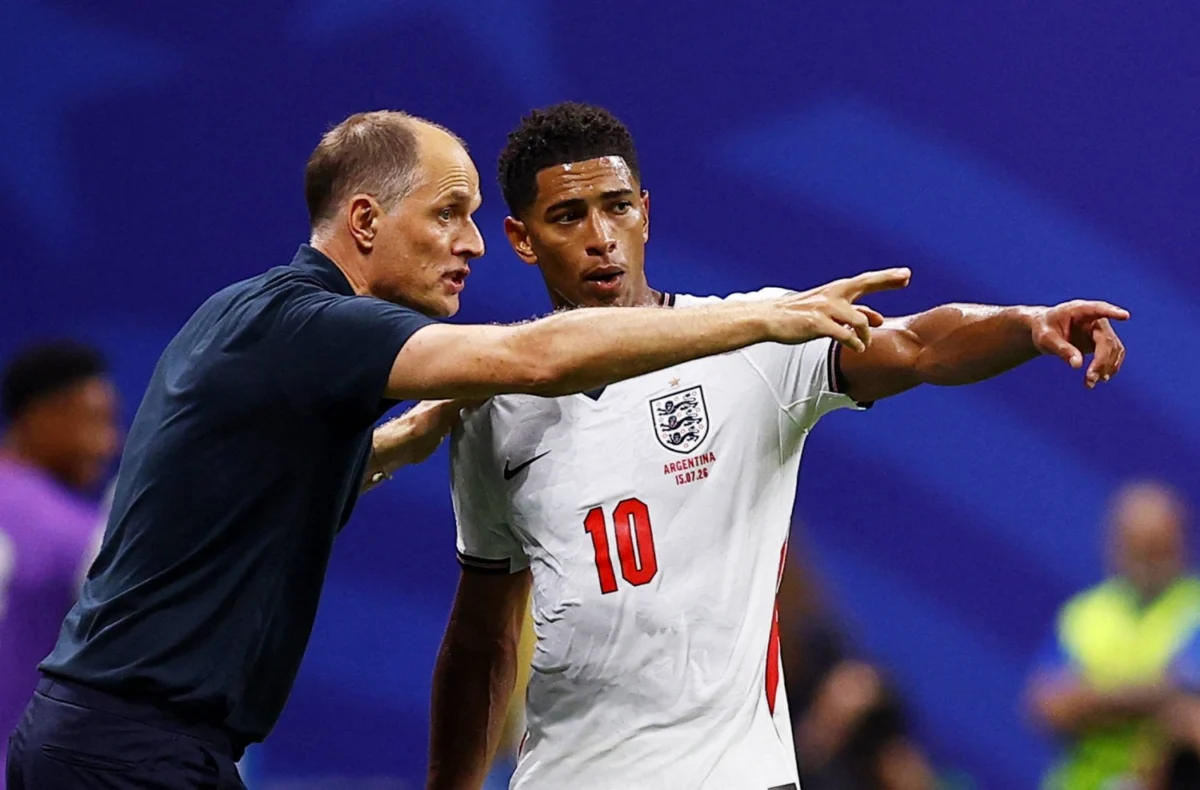
The Heartbreak in Atlanta: England’s World Cup Dream Crumbles Against Argentina
By Sports Correspondent
The weight of 60 years of history proved too heavy to lift in Atlanta on Wednesday night. England’s quest to reclaim the pinnacle of global football ended in gut-wrenching fashion, as a late-game tactical collapse against defending champions Argentina saw the Three Lions fall 2-1 in the World Cup semi-final.
For manager Thomas Tuchel, the defeat was not a manifestation of the "English curse" that has haunted the nation since 1966, but rather a cold, analytical failure of execution in the dying embers of a match that appeared destined for a different outcome.
The Atlanta Heartbreak: A Match of Two Halves
The atmosphere inside the Atlanta stadium was electric, a cauldron of noise and expectation. For 80 minutes, England played with the tactical discipline and clinical precision that Tuchel has instilled in the squad since his arrival. Jude Bellingham, deployed as the heartbeat of the midfield, orchestrated the play with a maturity that belied his age, allowing England to control the tempo against a technically gifted Argentine side.
England took the lead midway through the first half, a moment that felt like the turning point for a nation desperate to end its six-decade drought. The defensive line held firm, repelling wave after wave of Argentine attacks. However, the final ten minutes proved to be a masterclass in volatility. As fatigue began to permeate the English ranks, Argentina’s world-class attacking core—spearheaded by an relentless transition game—capitalized on two moments of hesitation. The resulting goals were swift, surgical, and ultimately, fatal to England’s championship aspirations.
Chronology: The 90 Minutes That Changed Everything
The match unfolded in three distinct phases, each defining the trajectory of the result:
1. The Tactical Standoff (0’–45’):
The opening half was a chess match. Tuchel’s instructions were clear: neutralize the flanks and force Argentina to play through the center, where England’s physicality could thrive. England’s opening goal came from a set-piece transition, a testament to the coaching staff’s meticulous preparation.
2. The Sustained Pressure (46’–80’):
Argentina emerged from the break with increased intensity. The second half saw England drop deeper, a strategic choice that eventually invited too much pressure. Bellingham remained the focal point, linking defense to attack, but the space behind England’s midfield began to widen as the clock ticked toward the final whistle.
3. The Collapse (81’–90’+):
The final ten minutes were chaotic. An equalizer in the 82nd minute shattered the defensive structure, leading to a panicked scramble. Four minutes later, Argentina exploited a gap in the defensive transition to secure the winner. England’s late-game attempts to force an equalizer were desperate, lacking the composure required to breach a hardened Argentine defense.
Beyond the "Curse": The Tuchel Philosophy
In the post-match press conference, Thomas Tuchel was pressed on the psychological toll of England’s recurring failures at the semi-final stage. The narrative of an "English curse" has been a staple of the national media for decades, suggesting a mental block that prevents the team from crossing the finish line in major tournaments.
Tuchel, ever the pragmatist, dismissed the sentiment entirely.

"I love to see these things in a football matter and not through football curses," Tuchel told reporters, his voice steady despite the obvious disappointment. "I don’t believe so much in an English thing and in a curse or whatever, history repeating itself in these moments. We played two separate games tonight—the one we controlled, and the one we let slip. The result is a consequence of tactical margins, not historical ghosts."
Tuchel’s insistence on keeping the discourse focused on technical execution reflects his tenure as manager. He views the game through the lens of probabilities, space management, and individual accountability. By rejecting the narrative of the curse, he is attempting to shield his players from the paralyzing weight of expectation that has hindered previous generations of England squads.
Supporting Data: Why England Came Up Short
While the emotional narrative focuses on heartbreak, the statistical reality reveals a more nuanced story. England’s performance metrics in this tournament have been among the best in the world, but the semi-final loss highlighted a persistent vulnerability in "game management" during the final quarter of play.
- Possession and Control: England maintained a 54% possession rate throughout the match, a strong showing against a team of Argentina’s caliber.
- Defensive Efficiency: Until the 80th minute, England had allowed only 0.4 expected goals (xG). The late collapse resulted in an xG spike that proved insurmountable.
- The Bellingham Factor: Jude Bellingham logged 12 kilometers in the match, completing 88% of his passes. However, his influence waned in the final ten minutes as he was forced to cover more ground defensively, blunting his attacking impact.
The data suggests that England is not lacking in talent or system, but perhaps in the ability to "kill off" games against elite opposition when holding a lead. This is a common hurdle for emerging squads, and it remains the primary objective for Tuchel’s coaching staff as they look toward the next cycle of qualification.
Implications: What Lies Ahead?
The immediate fallout of this defeat will be intense. The English media will inevitably question whether the current squad, while talented, possesses the "killer instinct" required to win a major tournament.
The Future of the Squad
Tuchel is unlikely to face calls for his resignation; his tactical overhaul of the national team has been widely praised, and the progress from previous tournaments is undeniable. However, he will face pressure to evolve the squad’s leadership core. Players who were central to this campaign will need to demonstrate that they can process the trauma of the Atlanta defeat and return with renewed vigor for the upcoming Nations League and World Cup qualifying matches.
The Argentine Juggernaut
For Argentina, the victory serves as a statement of intent. Defeating a high-caliber side like England in a semi-final confirms their status as the team to beat. Their ability to remain composed under pressure—even when trailing—remains their greatest asset as they move toward the final.
The "English Way"
The debate over the "English style" of play will reignite. Should England continue to prioritize control and structure, or should they embrace a more high-risk, high-reward attacking philosophy? Tuchel has clearly opted for the former, and despite the heartbreak in Atlanta, there is a strong argument that his methodology is the only way to elevate England to the level of perennial winners.
Conclusion: A Turning Point, Not an End
The silence in the locker room after the final whistle spoke volumes. For a generation of players, this was supposed to be the moment. Instead, it serves as a brutal reminder of the razor-thin margins that define professional football.
As the team departs Atlanta, they leave behind not just the tournament, but a lesson. The "curse" may be a myth, but the challenge of winning remains a reality. Whether England can transform this pain into the fuel for future success will be the defining narrative of the next few years. For now, the dream of 1966 remains a lonely pinnacle, and the long road to the next attempt begins tomorrow.
Quality journalism requires deep reporting and a commitment to the truth. By supporting independent outlets, you ensure that the complex stories behind the scorelines are told with accuracy and depth. Subscribe today to stay informed.