The Last Gasp of the Old World: Filmmaker Alexandra Pechman Revisits the Pre-#MeToo Literary Scene in Her Debut Feature, ‘Magazine’
Main Facts
As the COVID-19 pandemic forced the world into lockdown in March 2020, journalist-turned-filmmaker Alexandra Pechman found herself—like millions of others—retreating into the comforting, albeit complicated, corridors of nostalgia. Rummaging through old journals, reading past diaries, and reconnecting with ghosts of her professional past, Pechman began examining the genesis of her own career in the glitzy, high-stakes, and notoriously insular New York magazine publishing world of the late 2000s and early 2010s.
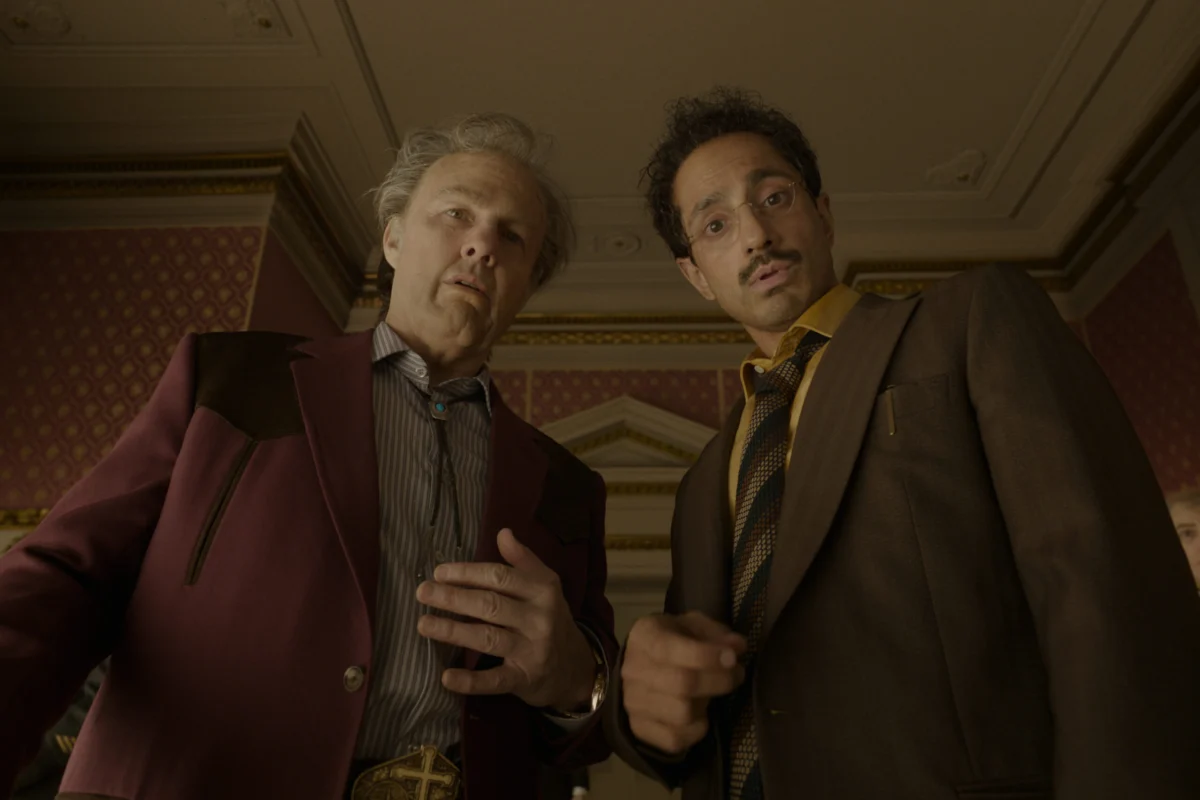
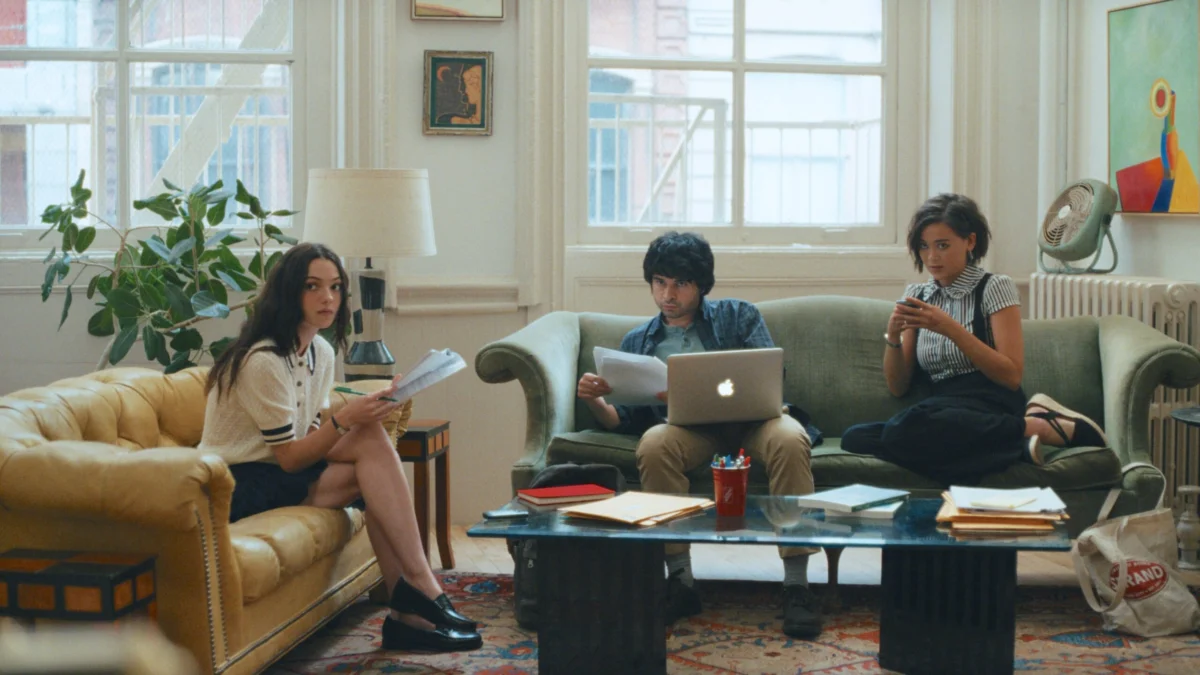
Those reflections crystallized into Magazine, a witty, piercing, and visually meticulous coming-of-age feature making its world premiere in the Discovery section at the Toronto International Film Festival (TIFF). Set in the summer of 2011, the film follows a starry-eyed young poet named Nora (Lily McInerny) who lands a coveted, grueling internship at the fictional, prestigious literary journal Platen. There, she navigates an intricate web of ambitious peers, complicated romances with older staff members, and the intoxicating, pre-#MeToo professional ecosystem that defined an era of media right before the digital age completely fractured the landscape.
The film boasts a robust ensemble cast featuring Lukita Maxwell, Ruby Cruz, Daniel Zolghadri, and Joshuah Melnick, alongside supporting turns from Iris Apatow, Jake Lacy, AnnaSophia Robb, and Delaney Rowe. Far from a biting, humorless exposé, Magazine opts for a buoyant, warm-hearted, and sharply observant look at female youth, institutional dysfunction, and the enduring power of platonic female friendship. Currently seeking U.S. distribution following its high-profile festival debut, the project marks a significant transition for Pechman, who previously directed horror shorts Thumb and Sleep after building a writing portfolio at prestige outlets including Vogue, The New York Times, Vanity Fair, The New Yorker, The Paris Review, Aperture, and W magazine.
Chronology
From the Newsroom to the Writer’s Room
Pechman’s journey to the director’s chair spans over a decade of navigating the print media landscape during its twilight years. As a young writer in the late aughts, she experienced firsthand the frantic energy, the unyielding hierarchy, and the casual boundary-pushing that characterized legacy publishing before digital disruption and the subsequent reckoning of the #MeToo movement reshaped office cultures.
By 2019, Pechman had successfully sold her first screenplay, earned admission into the Writers Guild of America (WGA), and made the conscious mental shift that her days as a full-time journalist were drawing to a close. However, the sudden onset of the global pandemic in 2020 catalyzed a deeper reckoning with her past. Unable to look forward during a period of profound global stillness, she began writing the script that would become Magazine.

Having already penned several scripts for external projects, Pechman quickly realized this story belonged strictly to her vision. "I had already been writing for other people when I started writing this, and it was the first thing that I had written where I thought to myself, I really couldn’t ever give this to someone else because no one would know this world as well as I do," Pechman shared in an interview.
Casting and Production
With the script finalized, pre-production moved rapidly toward a summer 2025 shoot in New York City. Pechman prioritized authentic chemistry above all else during casting, insisting that prospective actors participate in "chem reads" to ensure the interpersonal dynamics among the interns felt entirely genuine.
Lily McInerny secured the lead role of Nora after her agents connected her with Pechman. Simultaneously, Lukita Maxwell traveled from Vancouver to New York straight off wrapping Kane Parsons’ Backrooms to play Tabitha, while Daniel Zolghadri and Ruby Cruz joined to round out the core ensemble. Through Zoom readings, table sessions, and impromptu on-set bonding, the young cast forged a tight-knit camaraderie that mirrored the on-screen evolution from wary competitors to inseparable allies.
Supporting Data and Production Details
Magazine operates as a semi-autobiographical tapestry rather than a direct chronological memoir. Pechman describes her personal experiences not as a rigid blueprint, but as a foundational bass line layered with anecdotes, observations, and stylistic flourishes collected across ten years of working across multiple publications.
Crafting a Fictional Universe
Rather than setting the film at a recognizable real-world publication—which might saddle the narrative with pre-existing public perceptions—Pechman deliberately created the fictional literary magazine Platen. This creative choice allows audiences to enter the narrative alongside Nora, learning the unspoken rules, cultural nuances, and hidden traps of the institution in real time.

The production design leant heavily into tactile nostalgia to evoke New York City circa 2011. Pechman and her department heads utilized platforms like The Real Real and eBay to source period-accurate wardrobe staples—including Peter Pan collars, Blackberries, and iPod Nanos. To preserve authenticity, every single book prop visible in the Platen office was handpicked by Pechman, sourced through loans, donations, and discounts from her personal network of writer and editor friends. Artwork was contributed by artist Math Bass, while various apartments and social spaces utilized in the film belonged directly to the filmmaker’s creative community.
Character Design and Pop-Cultural Easter Eggs
The film’s attention to detail extends into its characterizations and specific narrative beats, some of which are lifted directly from real-world absurdity. For instance, Joshuah Melnick—who plays the toxic young editor Thomas—revealed that a bizarre scene involving his character ordering a boxed apple juice on a date with Nora was pulled straight from Pechman’s personal dating history involving a past suitor who drank milk during a romantic outing.
Melnick also leaned into method-adjacent research, studying interviews of legendary editor Graydon Carter and discovering his signature cologne, Eight & Bob. Melnick purchased a bottled version housed in book-themed packaging for his preparation, a serendipitous coincidence that later aided him when he was subsequently cast to play John F. Kennedy in the upcoming miniseries Kennedy.
Official Responses and Cast Perspectives
The creative team behind Magazine has been vocal about the unique balancing act required to address systemic workplace power dynamics without sacrificing the film’s buoyant, energetic tone.
Lead actress Lily McInerny noted how the script captured the precarious psychological tightrope walked by young women trying to establish themselves in professional environments devoid of institutional protections. "We really talked about toeing this line of sexuality as a young woman in a workplace environment especially, but everywhere you go, there is this very sort of fine line of behavior that is deemed attractive enough to gravitate toward, but pious enough and guarded enough to always be unattainable and respected," McInerny explained.

At the same time, McInerny expressed enthusiasm for showcasing a lighter, more comedic, and vulnerable side of her acting range—a stark departure from the somber tones of her previous works, such as Palm Trees and Power Lines and Bonjour Tristesse.
Pechman praised her cast for elevating the material far beyond the written page, noting that the performers intuitively understood the psychological underpinnings of their roles. "I only take half the credit for writing and directing, but they really brought these characters to life," Pechman said. "I think all of them had a really strong understanding of who they were."
Actor Daniel Zolghadri viewed the project through the lens of a classic office drama. "You start to read it with a group of people, and everyone just sort of uses their imagination to come up with their own backstory and what it should be," Zolghadri noted, emphasizing that the script’s sharp tonal clarity made stepping into the character effortless.
Ruby Cruz, who played the vibrant and intimidating Greer, echoed sentiments of profound collaboration. "She’s so clear about what she wants. The way she communicates it is very clear, but there’s still room for you to interpret it and for you to try things and for us to play," Cruz said.
Implications
Magazine arrives at a cultural inflection point, offering a retrospective lens on an era of media that preceded the modern reckoning over workplace harassment, power imbalances, and unpaid or underpaid internship culture. By choosing to frame this transitional period through the rose-colored, albeit bruised, glasses of early-twenties nostalgia, Pechman avoids heavy-handed didacticism, opting instead for an emotionally resonant exploration of identity formation.

The film’s nuanced handling of antagonists like Thomas—framed not as a mustache-twirling villain, but as the tragic, insecure "mascot" of a toxic corporate culture—suggests a maturation in how cinema addresses pre-#MeToo environments. Rather than dismissing the past as entirely irredeemable, Magazine validates the genuine joy, intellectual passion, and lifelong bonds forged within those crucible environments, while keeping clear-eyed about the structural flaws that demanded reform.
As Magazine embarks on its festival run at TIFF, its reception will likely test the appetite for smart, mid-budget indie cinema that balances sociological critique with crowd-pleasing warmth. For Alexandra Pechman, the transition from journalist and horror short director to feature filmmaker marks the arrival of a distinctive new voice—one capable of weaponizing memory to illuminate both the warmth of youth and the shadows of the institutions that tried to shape it.