Typhoon Bavi Approaches Okinawa: A Region Braces for Potential Catastrophe
ISHIGAKI, OKINAWA PREF. — Residents across the Sakishima Islands, a remote and vulnerable chain situated near the southwestern edge of Japan’s archipelago, are bracing for a direct confrontation with the elements as Typhoon Bavi tracks toward the region. With maximum sustained winds reaching 162 kilometers per hour, the storm is being monitored closely by meteorological agencies, which have characterized it as a potentially record-breaking weather event for the area.
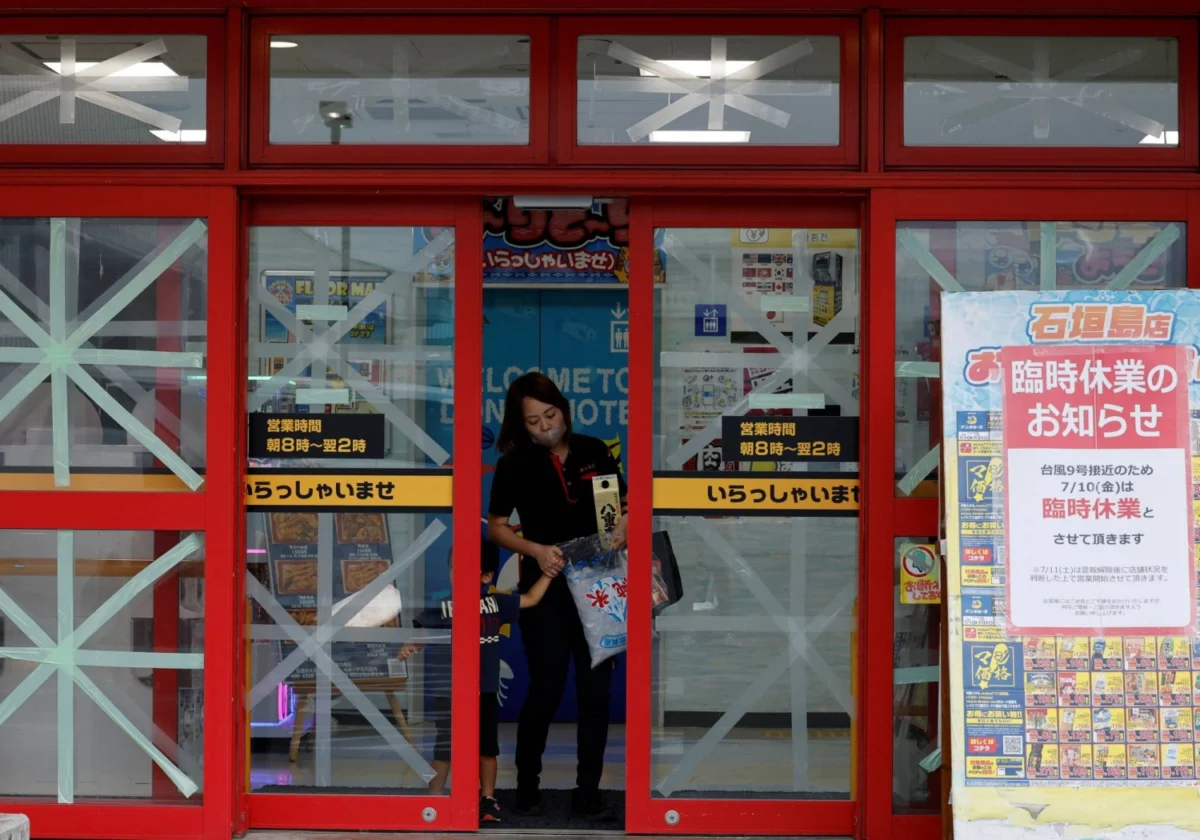
As of Friday, the atmosphere in Ishigaki—the primary island in the chain—was marked by a tense, quiet urgency. Residents have spent the day fortifying their properties, taping glass windows to prevent shattering, and securing heavy outdoor equipment with windproof netting. The storm, which has already left a trail of tragedy in its wake in the Philippines, is projected to make its closest pass to the Sakishima Islands early Saturday morning.
The Chronology of a Developing Crisis
The trajectory of Typhoon Bavi has been one of escalating concern for regional disaster management agencies. While the storm’s path began over the open waters of the Pacific, its intensification occurred rapidly as it moved toward the Philippine Sea.
The Tragedy in Mindanao
Before its pivot toward Japan, Bavi wreaked havoc in the Philippines. On the southern island of Mindanao, the storm’s outer rain bands dumped record amounts of precipitation, triggering a series of landslides in mountainous terrain. According to local disaster management officials, the catastrophic mudslides buried residential areas, resulting in the confirmed deaths of at least 15 individuals. As of Friday morning, search and rescue teams were continuing to comb through the debris in hopes of finding six individuals who remained officially listed as missing. This initial devastation has served as a grim indicator of the typhoon’s destructive capacity, prompting Japanese authorities to elevate their own alert levels significantly.
The Approach toward Japan
By Wednesday, the Japan Meteorological Agency (JMA) began issuing formal warnings regarding the storm’s tightening pressure gradient and increasing wind speeds. By Thursday, local businesses in Ishigaki and Miyakojima began the process of "locking down." The sight of shopkeepers crisscrossing windows with industrial-grade duct tape became a ubiquitous image across the region, a traditional defensive measure meant to minimize damage from flying debris and severe pressure fluctuations.
As of Friday, the typhoon was classified as a high-intensity system. Meteorologists warn that as Bavi makes its closest approach on Saturday, the combination of high tides and the storm’s low-pressure center could lead to significant storm surges, potentially inundating low-lying coastal roads and infrastructure.
Supporting Data and Meteorological Context
To understand the severity of Typhoon Bavi, one must look at the specific meteorological indicators currently being tracked by the JMA and international forecasting centers.
- Wind Velocity: Sustained winds of 162 km/h place Bavi in a high-risk category. When gusts are factored in, these speeds can easily strip shingles from roofs, uproot mature trees, and disrupt power transmission lines across the islands.
- Barometric Pressure: The central pressure of the storm is indicative of its intensity. A lower pressure reading generally signals a more organized and destructive storm. Bavi’s current pressure profile suggests a tightly wound system capable of generating localized "mini-tornadoes" within the eyewall.
- Precipitation Estimates: Meteorological models suggest that the Sakishima Islands could receive upwards of 300 to 500 millimeters of rain within a 24-hour window. Given the rugged, hilly topography of many islands in the chain, the saturation of soil poses an immediate risk of landslides, mirroring the disasters seen in the Philippines.
Official Responses and Public Safety Protocols
The response from the Okinawan prefectural government has been swift, characterized by a proactive stance designed to prevent the loss of life. Governor and local municipal heads have issued evacuation advisories for citizens residing in "high-risk zones"—areas prone to flooding or those situated at the base of slopes vulnerable to landslides.
The Role of Local Government
Municipal shelters have been activated across Ishigaki and the neighboring islands. Local officials have explicitly urged the elderly and those with limited mobility to relocate to these hardened facilities well before the onset of the storm’s most violent phase. Furthermore, public transportation services, including ferry links between the outer islands and the main island of Okinawa, have been suspended indefinitely. Airports in the region have also announced the cancellation of all incoming and outgoing flights, effectively isolating the archipelago until the system clears.

Public Awareness and Self-Protection
The JMA has emphasized that "maximum caution" is required. In a public statement, a spokesperson for the agency noted that residents should not rely solely on the strength of their buildings. "Even structures that have withstood previous typhoons may be compromised by the duration and intensity of the wind-driven rain," the statement read. The focus has been on "triple-checking" emergency kits, which include non-perishable food, flashlights, power banks for communication devices, and essential medication.
Broader Implications: A Climate in Flux
The arrival of Typhoon Bavi serves as a stark reminder of the escalating risks posed by extreme weather events in the Asia-Pacific region. Scientists and climate experts have noted a trend in recent years where typhoons are not only becoming more intense but also more unpredictable in their formation and speed.
Infrastructure Vulnerability
The Sakishima Islands, while accustomed to annual typhoon seasons, face a unique set of challenges. Their geographical isolation means that recovery efforts after a major storm can be delayed by days or even weeks if ports and runways are damaged. The vulnerability of the power grid, which relies on long-distance transmission from centralized plants, is a recurring concern. If the storm leads to a prolonged blackout, the impact on healthcare facilities and the cold chain for food supplies could be severe.
Economic and Societal Impact
Beyond the immediate physical danger, the economic toll of such storms is significant. The islands rely heavily on tourism and agriculture—specifically sugar cane and pineapple production. A severe storm can destroy a full year’s harvest in a matter of hours. For a local economy already struggling with the broader economic pressures of the post-pandemic era, the financial recovery from a catastrophic weather event represents a long-term burden that is difficult to shoulder without substantial national intervention.
Looking Ahead: The Post-Storm Reality
As the residents of the Sakishima Islands wait for the eye of the storm to pass, the focus remains on the immediate survival of the next 24 to 48 hours. Once the typhoon moves into the East China Sea and toward the Korean Peninsula, the focus will shift to the damage assessment and recovery phase.
The tragedy in Mindanao remains a somber prologue to the current situation. It serves as a reminder that the boundary between a manageable weather event and a human tragedy is often measured in inches of rainfall and the speed of response. As Japan watches the trajectory of Bavi, the collective hope is that the extensive preparations made by the citizens of Ishigaki—the taping of windows, the clearing of drains, and the timely evacuations—will be sufficient to mitigate the worst of the storm’s impact.
In an era where information is abundant but clarity is often scarce, the reliance on verified meteorological data and government-issued guidance remains the most vital tool in the kit of any citizen facing the fury of nature. The story of Typhoon Bavi is not just a report of wind and rain; it is a narrative of resilience, community preparedness, and the ongoing human struggle to adapt to an increasingly volatile climate.
For the latest updates on Typhoon Bavi and regional safety advisories, residents are encouraged to monitor local municipal broadcasts and the official Japan Meteorological Agency website.