The He-Man Gamble: Prime Video’s Strategic Streaming Play for Masters of the Universe
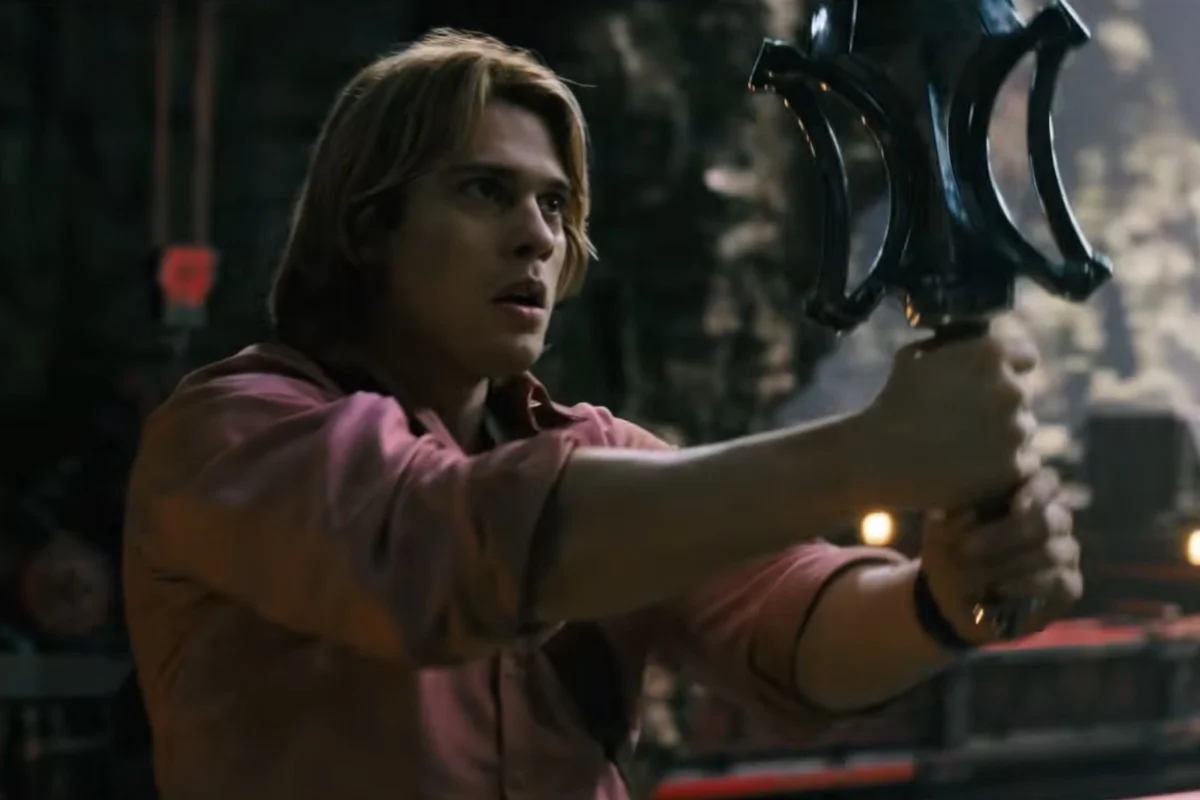
Despite a rocky tenure at the global box office, the live-action adaptation of the iconic 1980s franchise Masters of the Universe is poised for a significant second act. Directed by Travis Knight, the film is scheduled to make its home media debut on Amazon Prime Video on July 22. This rapid transition from the cinema to the living room highlights a shifting paradigm in how major studios manage high-budget intellectual property in an era where theatrical exclusivity is no longer the sole arbiter of success.
Main Facts: A Contentious Theatrical Run
The Masters of the Universe reboot, a project that spent years in development hell before finally reaching the screen, entered the theatrical marketplace with immense expectations. With a reported production budget of $175 million—excluding the substantial costs associated with global marketing and distribution—the film was positioned as a tentpole release.
However, the reality of its box office performance was sobering. Upon its theatrical release, the film struggled to gain traction with general audiences, ultimately grossing just over $110 million worldwide. In the rigid world of traditional film economics, a return that fails to recoup the production budget—let alone the marketing spend—is typically classified as a "flop." Yet, the narrative surrounding this specific film is far more nuanced. Amazon, which has integrated its studio operations with its massive subscription ecosystem, appears to be viewing the theatrical run not as the final verdict, but as a high-visibility marketing campaign for the film’s primary home on Prime Video.
A Brief Chronology: From Development to Digital Debut
The journey of this adaptation has been characterized by fits and starts. After several iterations and high-profile creative departures over the last decade, Travis Knight (known for Bumblebee) was brought on board to provide a grounded yet epic vision for Eternia.
- Pre-Production: After years of shifting through different studios and creative teams, Amazon MGM Studios finalized the production greenlight, aiming to capitalize on the deep nostalgia surrounding the He-Man property.
- Theatrical Launch: The film hit global cinemas to significant fanfare but faced stiff competition and a polarized critical response.
- The "Gap" Period: The window between the theatrical release and the streaming arrival is approximately seven weeks. In the pre-pandemic era, a 90-day window was the industry standard. This seven-week turnaround signifies a move toward "accelerated digital release," a strategy used to minimize the decay of marketing awareness while pivoting to a platform where the film can generate subscriber value rather than just ticket sales.
- July 22 Streaming Debut: The film hits Prime Video, marking the beginning of its "long tail" lifecycle, where it will likely remain a fixture of the platform’s library for years.
Supporting Data: The Economics of Modern Distribution
To understand why Amazon is seemingly unfazed by the $65 million deficit in box office gross versus production budget, one must look at the shift from "box office-first" metrics to "subscriber-first" metrics.
Traditional cinema metrics are binary: Did the movie make money or lose money? However, for a streamer like Amazon, a film serves multiple functions:
- Customer Acquisition: A big-budget fantasy film draws new users to the Prime ecosystem.
- Churn Reduction: By providing high-profile content, the platform gives existing subscribers a reason to renew their memberships.
- Cross-Platform Synergy: The film can be bundled with merchandising, legacy animated series on the platform, and future franchise installments, creating a cumulative value that a single ticket sale cannot capture.
While the $110 million figure is disappointing, it represents a massive global audience that paid to see the film in theaters. Those viewers represent a base of "brand ambassadors" who have already been primed for the film’s streaming arrival.
Critical Reception: A Mixed Bag
The reception of Masters of the Universe was, at best, a study in contrasts. Critics were divided, with many praising the visual ambition and Knight’s direction, while simultaneously noting a lack of narrative cohesion.
Common critiques focused on the film’s "tonal dissonance." Some sequences were lauded for their high-fantasy aesthetic and heart, while others felt burdened by the necessity of world-building and franchise setup. As noted in industry reviews, the film often struggled to decide whether it wanted to be a sincere, operatic fantasy or a self-aware, modern action spectacle.
Despite these shortcomings, the film’s streaming debut offers a valuable opportunity for re-evaluation. Often, films that feel "messy" in the high-pressure environment of a theatrical release find a more forgiving and appreciative audience in the home environment, where viewers can pause, reflect, and enjoy the technical craftsmanship that might have been overshadowed by the weight of expectations.
Official Responses and Strategic Outlook
Shortly after the box office results became clear, internal sources at Amazon indicated that the studio remained calm. In a climate where major studios are increasingly risk-averse, Amazon’s executive team has communicated that the theatrical release was merely one component of a "bigger release strategy."
This language is telling. It suggests that the theatrical failure was baked into the risk assessment. If the movie were to be a massive hit, it would be a bonus; if it were a miss, it would still serve as a "billboard" for the Prime Video launch. By keeping the budget and marketing spend integrated into the broader Prime membership model, Amazon insulates itself from the volatility of opening weekend box office numbers.
Implications: Is a Sequel on the Horizon?
Perhaps the most intriguing development is the ongoing discussion regarding a potential sequel. While it may seem counterintuitive to greenlight a follow-up to a film that lost money in theaters, the decision will likely be governed by "Total Audience Engagement" (TAE).
If Masters of the Universe achieves high viewership hours, repeat viewings, and strong completion rates on Prime Video, the internal data may reveal that the brand remains a viable asset. Amazon has a history of investing in franchises that don’t immediately hit home runs, provided they can build a dedicated fan base.
If fans want a sequel, the July 22 streaming debut is the most critical window. Streaming platforms track "completion rates" and "time spent" with surgical precision. A strong showing on the platform will demonstrate to the studio that the demand for more Eternia is real, regardless of the box office receipts.
The Future of the Franchise
The Masters of the Universe film acts as a microcosm of the modern Hollywood struggle: balancing the massive financial requirements of tentpole filmmaking with the fragmented, digital-first habits of the modern audience.
For the fans, the film’s arrival on Prime Video is a second chance to engage with a beloved property. For the industry, it is a test case. Can a film that "bombs" in the theater be resurrected through the power of a subscription library? If the answer is yes, we may see a significant shift in how studios view theatrical releases, moving away from "must-be-a-hit" pressure and toward a more patient, ecosystem-based approach to content management.
Whether this film is viewed as a misstep or a foundation for a larger cinematic universe will ultimately be decided by the viewers at home. On July 22, the sword of Power will be in their hands. Whether they choose to wield it or let it fall will define the fate of this franchise for years to come.