Inherited Horrors: Mad Cave Studios Unveils the Chilling Descent of Filthy Lambs
Every family has its skeletons, but for the Grimaldis, the secrets are far more visceral—and they are kept strictly in the basement. As the leaves begin to turn and the air grows thin this coming October, Mad Cave Studios is set to unleash a new gothic nightmare that explores the toxic intersection of generational wealth and infernal pacts. Filthy Lambs, a harrowing new comic book series, promises a deep, blood-soaked dive into the costs of legacy, privilege, and the terrifying reality of monsters that refuse to stay hidden.
The Genesis of a Nightmare: Main Facts
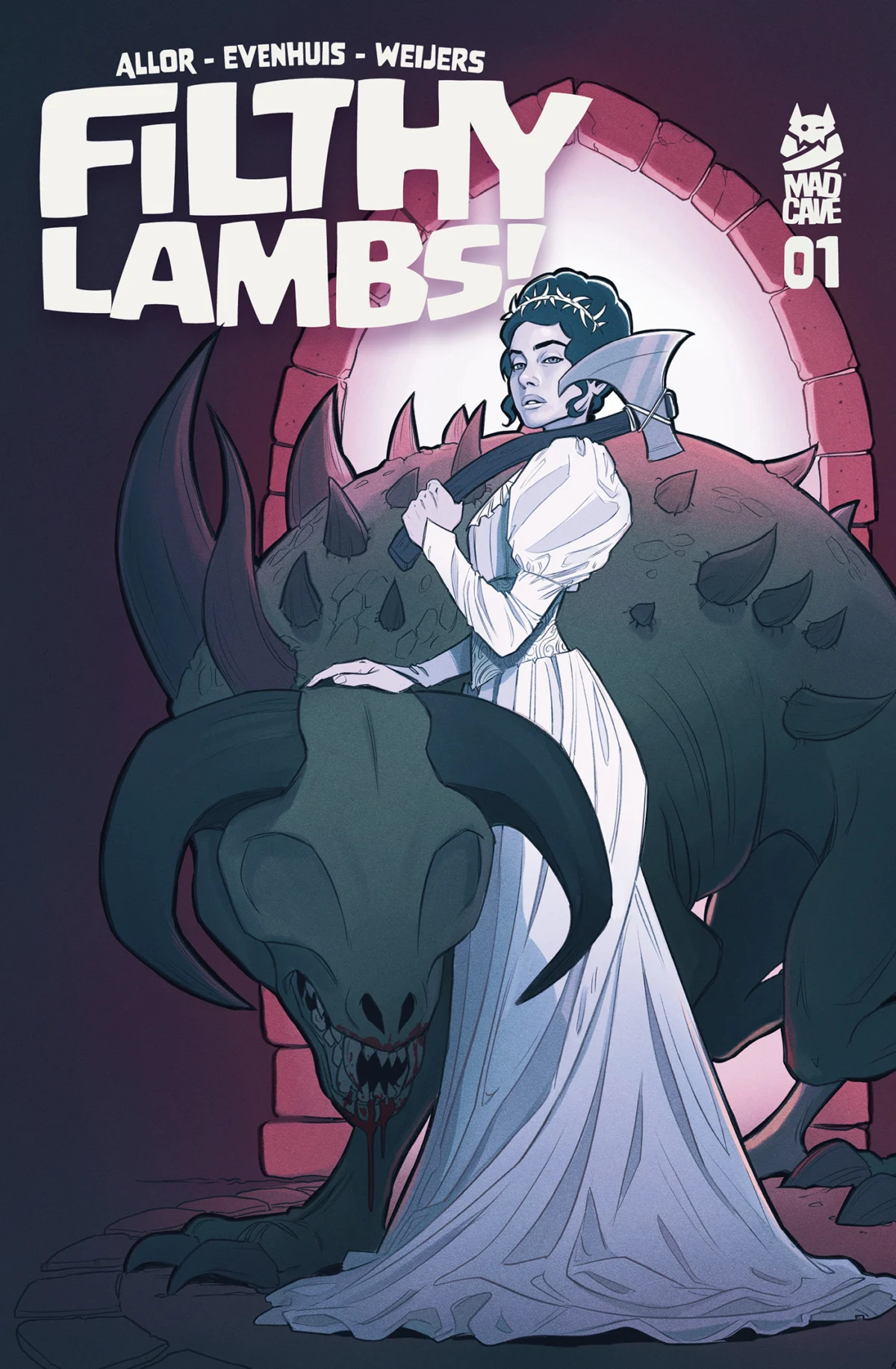
Filthy Lambs is the latest flagship horror title from Mad Cave Studios, a publisher increasingly known for pushing the boundaries of genre fiction. Written and lettered by Pallie Paul Allor, with atmospheric, haunting artwork by Chris Evenhuis and vibrant, unnerving colors by Sjan Weijers, the series positions itself as a modern exploration of the "haunted house" trope—with a cynical, contemporary twist.
The premise is deceptively simple: The Grimaldi family, a dynasty defined by their immense wealth and influence, is held together by a contract with "Their Lord Below." For generations, the family has traded morality and blood for a life of prestige. However, as the series begins, the cracks in this unholy foundation are widening. The narrative operates as a critique of generational trauma, using supernatural horror as a mirror for the way families pass down sins alongside inheritances. The first issue is scheduled to hit comic book shelves on October 21st, perfectly timed for the Halloween season.
A Descent into Darkness: The Narrative Chronology
The story begins with a brutal inciting incident within the confines of the Grimaldi Manor. The family patriarch, a man burdened by the weight of his ancestors’ decisions, initiates a ritualistic prayer that culminates in a self-inflicted, throat-slitting sacrifice. This act of violence is not an end, but a catalyst; the blood spilled in the basement is intended to satisfy the demon that watches over the estate.
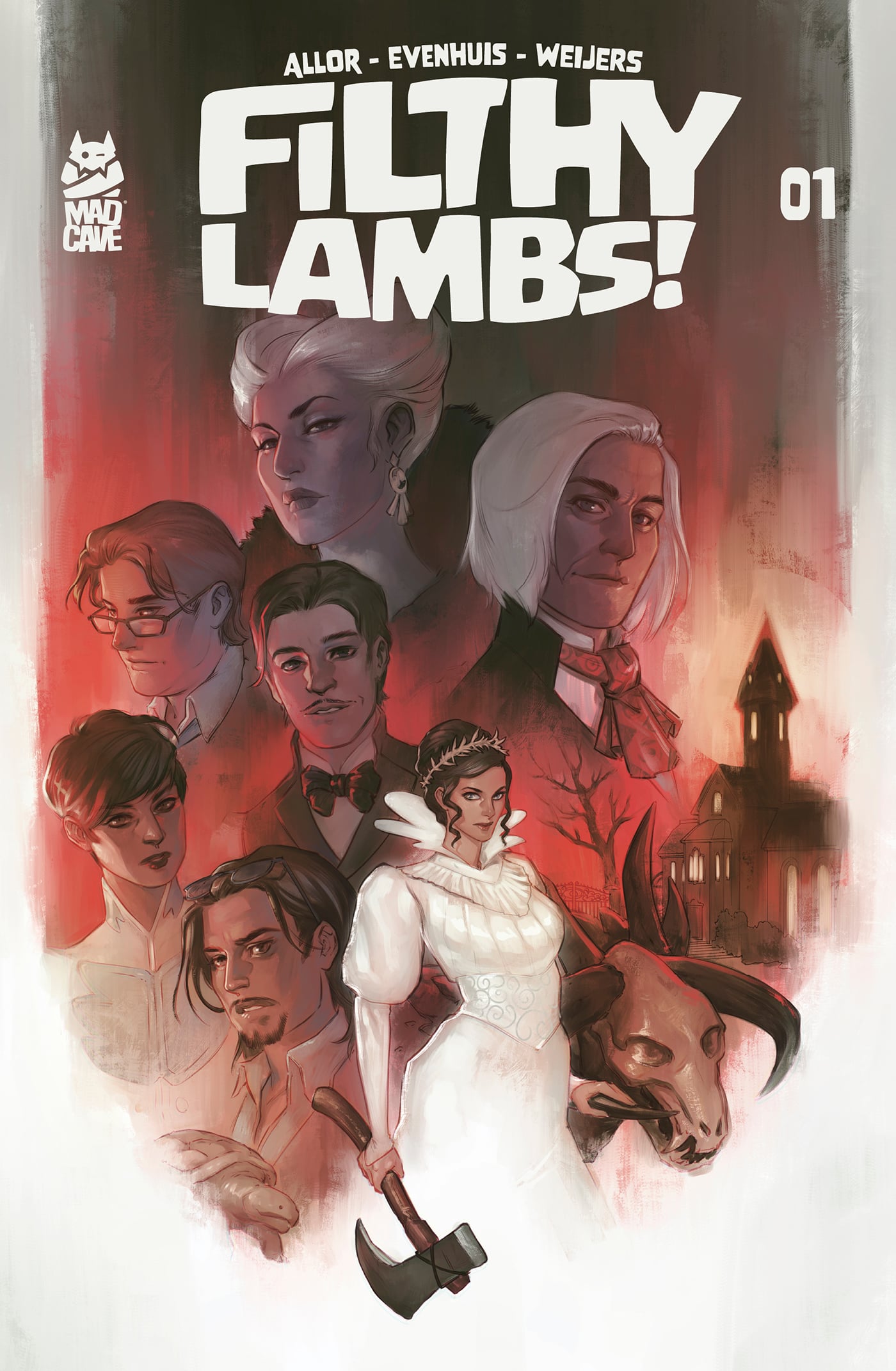
While the darkness festers below ground, the upper floors of the manor present a starkly different tableau. Three generations of Grimaldis, accompanied by the odd presence of a pet snapping turtle, live a life of "unfulfilled promise and joyful childhood shrieks." The juxtaposition of the domestic, seemingly idyllic life of the wealthy heirs against the literal torture occurring beneath their feet forms the core tension of the series.
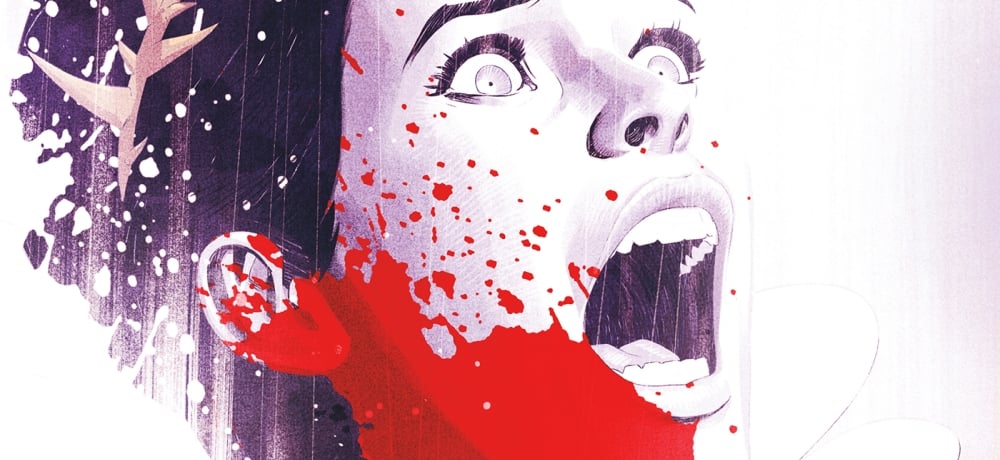
The narrative arc explores the expiration of their ten-year contract with the infernal forces they serve. As the deadline for the "prodigious wealth and glory" nears, the family realizes that contracts, like people, can sour. The monsters they have nurtured in the dark are becoming restless, and the "filthy little lamb"—a metaphor for the youngest, most innocent, or perhaps the most corrupted member of the lineage—begins to show its teeth.
The Creative Vision: Supporting Data and Perspectives
The creative team behind Filthy Lambs has been vocal about the thematic weight they aimed to carry with this project. For writer Pallie Paul Allor, the story was born from a haunting question regarding the nature of silence and complicity.
"Writing Filthy Lambs, I wondered if the woman in the basement could hear the children laughing," Allor noted in a recent exclusive statement. "I knew she could smell the candles burning and feel the rope digging into her wrists. But could she hear the children? The birds screeching in the conservatory? Could she hear the family matriarch telling her children that the family is blessed? The family is not blessed. The family is haunted, not by ghosts, but by a contract forged in hell. They’re haunted by every warm and comfortable night they’ve spent in a house splattered by decades of blood."
Artist Chris Evenhuis brings a visceral, multi-layered aesthetic to the page. By his own admission, the book is designed to evoke a specific lineage of horror, blending the grand, gothic architecture of Hammer Horror with the surrealist, dream-logic tension of David Lynch and the vibrant, stylistic flourishes of Giallo cinema.
"This night’s unholy ceremony will not be for the faint of heart," Evenhuis stated. "We’re skipping dinner… Or are we? Get ready to squirm, jump, run, scream, and burst out laughing—only to soon regret having laughed. What is wrong with you? Our latest gothic horror offering is a book very close to my heart. Perhaps that’s because I, too, have ferocious creatures stalking the hallways of our ancient family manor."
The Business of Horror: Implications and Logistics
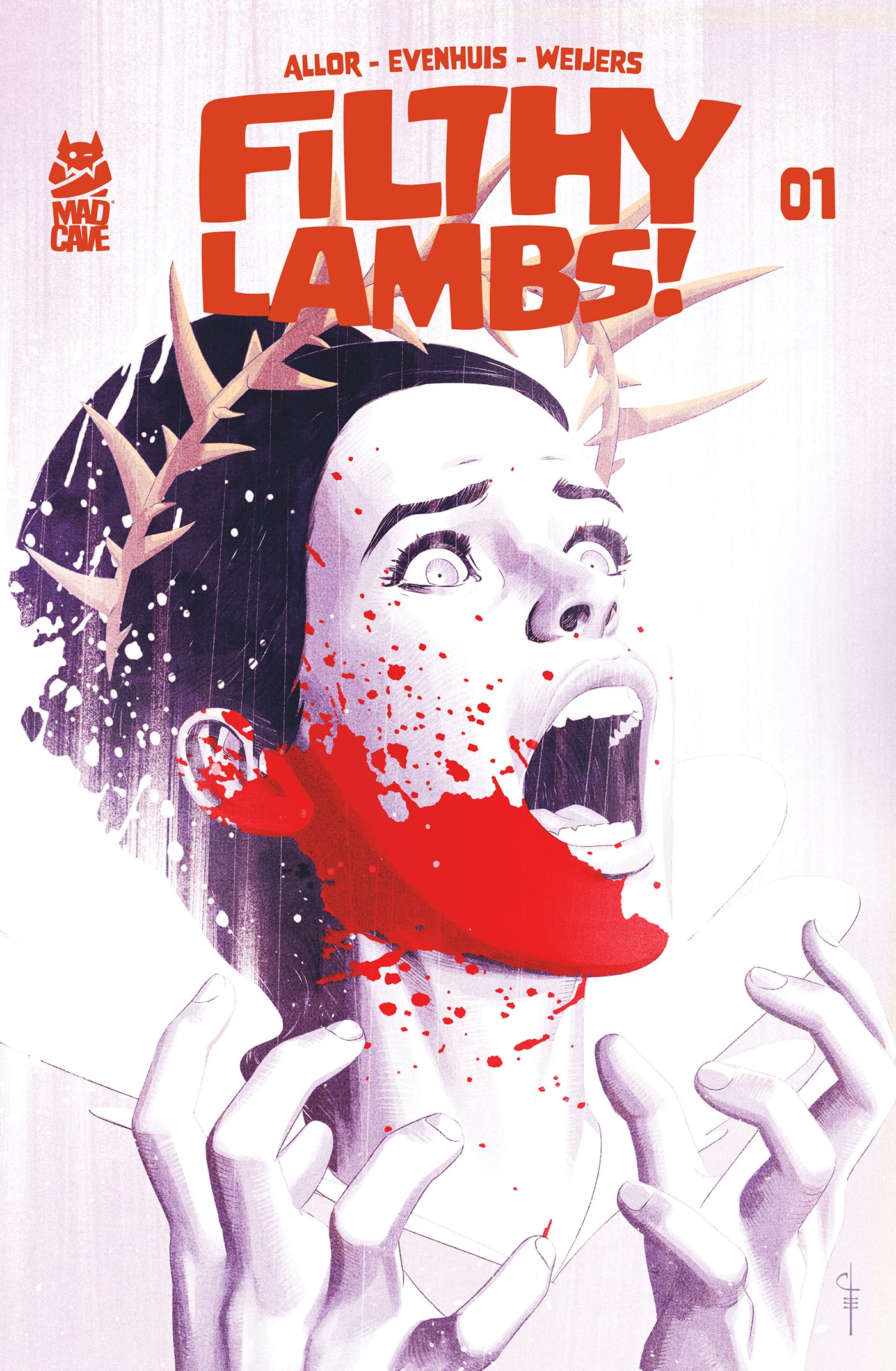
For the comic book industry, Filthy Lambs represents a significant push by Mad Cave Studios into the high-end horror market. With three distinct covers—Cover A by Chris Evenhuis, Cover B by Meghan Hetrick, and Cover C by Caitlin Yarsky—the publisher is clearly aiming to capture the collector’s market while appealing to readers of sophisticated, literary-leaning horror comics.
Critical Deadlines
Retailers and fans are advised to note the Final Order Cut-Off (FOC) date of September 28th. This is the hard deadline for comic shops to finalize their orders to ensure stock availability. Given the high anticipation surrounding the title and the prestige of the creative team, pre-ordering through a local comic shop or the official Mad Cave Studios website is highly recommended to avoid disappointment.
Public Engagement
Mad Cave Studios is utilizing the 2026 San Diego Comic-Con (SDCC) as a launchpad for the title. Attendees at the convention (July 23-26) can visit Booth #2806 to get a firsthand look at promotional materials, meet with representatives, and perhaps catch a glimpse of the early interior pages that are already generating buzz within the industry.
Thematic Implications: Why Filthy Lambs Matters
The success of Filthy Lambs will likely hinge on its ability to balance the "pitch-black humor" it promises with the genuine, stomach-churning dread of its premise. Modern horror in comic form has seen a renaissance, with titles that move away from traditional "slasher" tropes in favor of deep-seated psychological and systemic rot.
By framing the supernatural threat as a consequence of "inherited privilege," Allor and Evenhuis are tapping into a zeitgeist that is increasingly fascinated by the dark side of generational wealth. The Grimaldis are not just villains; they are representatives of a system that requires a constant supply of blood to keep the lights on and the champagne flowing.
The inclusion of the "filthy little lamb" as a central motif suggests that the series will focus heavily on the cycle of abuse. Does the child grow up to be the victim, or the executioner? The tension between the "joyful childhood shrieks" mentioned in the synopsis and the horrific reality of the basement suggests that the series will be a harrowing examination of how children are groomed into the dark practices of their predecessors.
Conclusion: A New Standard for Gothic Horror
As October approaches, Filthy Lambs stands as one of the most anticipated horror releases of the year. With its blend of Giallo-inspired visuals, a Lynchian atmosphere, and a story that strikes at the heart of familial complicity, it is poised to become a staple of modern horror literature.
Whether you are a fan of traditional gothic horror or are looking for something that challenges the boundaries of the genre, the Grimaldi Manor is a destination worth visiting—if you have the stomach for what lurks in the basement. Mark your calendars for October 21st, and ensure your pre-orders are in before the September 28th deadline. The Grimaldis are waiting, and the contract is coming due.