Unpacking the Slasher Fever Dream: Jane Schoenbrun Returns with Teenage Sex and Death at Camp Miasma
Main Facts
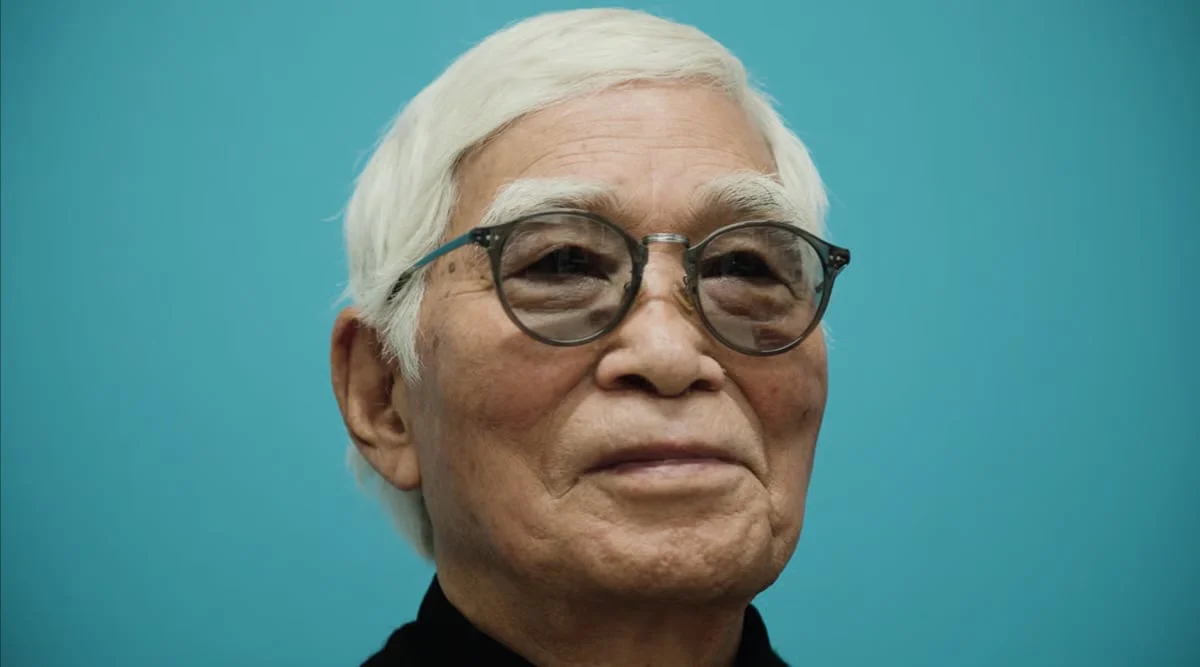
As the summer 2026 cinema season hits its stride, independent and horror spheres are electric with the release of Teenage Sex and Death at Camp Miasma. Marking the third narrative feature from visionary filmmaker Jane Schoenbrun—widely celebrated for their uncanny ability to capture alienation, obsession, and identity through a contemporary lens—the film arrives in theaters with immense anticipation. Distributed by MUBI, the feature is a dizzyingly meta-textual, deliciously campy plunge into the dark heart of genre filmmaking, fandom, and queer desire.
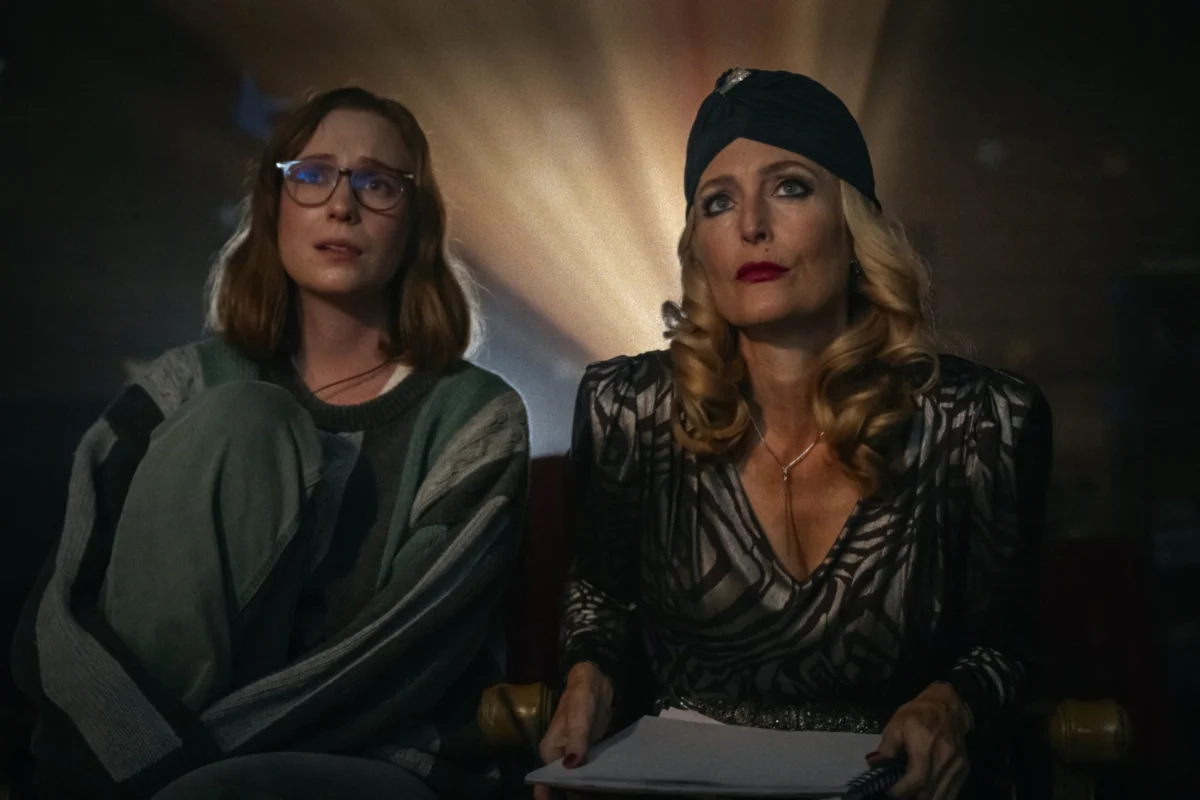
The film stars Hannah Einbinder (Hacks) as an emerging queer filmmaker who finds herself handed a major career opportunity: directing a high-profile reboot of a legendary, fictional 1980s slasher franchise also titled Camp Miasma. Seeking authenticity and a fresh angle for her studio masters, Einbinder’s character tracks down the original film’s "final girl," now an eccentric, middle-aged recluse living in self-imposed isolation on the very campgrounds where the original low-budget slasher was shot decades prior. This enigmatic anchor of the original movie is brought to life with thrilling eccentricity by Gillian Anderson (The X-Files, Sex Education).
What begins as a standard creative pilgrimage quickly spirals into a surreal, high-concept psychological descent. As described by Film Comment critic Nathan Lee, the feature is a "gore-soaked, titty-bouncing, sexploitation fever dream girded by real conceptual brio." Seamlessly balancing pitch-perfect horror theatrics with laugh-out-loud, razor-sharp comedy, Teenage Sex and Death at Camp Miasma investigates the perverse riddles of desire, the rich queer subtexts historically embedded within the slasher genre, and the strange, intimate forms of identification forged between spectators and their silver-screen idols.
In conjunction with the theatrical release, Film Comment Editor Devika Girish sat down with Schoenbrun for an extensive podcast conversation featured in the Summer 2026 issue of the publication, peeling back the intricate layers of a film that purposefully refuses to be pinned down by dry academic analysis.
Chronology: The Evolution of Jane Schoenbrun’s Vision
To fully understand the cultural weight of Teenage Sex and Death at Camp Miasma, it is vital to trace the trajectory of Jane Schoenbrun’s burgeoning cinematic universe. Schoenbrun first captured the collective imagination of the independent film community with their transgressive documentary work and online-native aesthetics, cementing a distinct artistic signature with their breakout narrative features.
The timeline of Schoenbrun’s creative ascent illuminates how Camp Miasma represents both a departure and a logical evolution:
- The Early Explorations: Schoenbrun initially made waves with multimedia and documentary-adjacent projects that interrogated the intersection of internet culture, fandom, and identity, establishing an aesthetic rooted in late-night flickering screens, VHS nostalgia, and deeply felt psychological isolation.
- The Breakthrough: Their narrative features established them as a vital voice in contemporary queer cinema, capturing the terror and euphoria of youth subcultures with a distinct, genre-adjacent sensibility that resonated deeply with millennial and Gen Z audiences.
- The Conception of Camp Miasma: Drawing on deep cinephilic roots and a lifelong fascination with the tropes, marketing, and subtexts of 1980s horror, Schoenbrun began developing a script that would satirize the modern reboot economy while simultaneously celebrating the flesh-and-blood audacity of vintage sexploitation cinema.
- Casting and Production: The casting of Hannah Einbinder introduced a sharp, contemporary comedic timing and millennial skepticism to the project, while Gillian Anderson’s attachment lent the production an instant, legendary gravitas. Filming on location utilized remote, densely wooded campgrounds to evoke the tangible, gritty atmosphere of classic summer-camp horror.
- The 2026 Release and Critical Rollout: Premiering to waves of enthusiastic critical acclaim, the film lands in theaters tomorrow under the MUBI banner, accompanied by deep-dive companion pieces in major film journals, including Film Comment’s Summer 2026 issue and accompanying podcast episodes.
Supporting Data and Critical Reception
The cultural footprint of Teenage Sex and Death at Camp Miasma is already expanding across box office projections, critical reviews, and specialized film journalism. As MUBI’s premier summer tentpole release, the film is positioned to capture both specialized art-house audiences and the ravenous demographic of modern horror enthusiasts.
- Critical Consensus: Early reviews place the film’s Rotten Tomatoes score firmly in the certified fresh tier, with critics praising its ability to juggle high-brow media theory with low-brow, blood-soaked entertainment.
- Thematic Architecture: Reviewers have noted that the film operates on at least three distinct narrative levels:
- The Satire: A biting critique of Hollywood’s current obsession with intellectual property mining, legacy sequels, and mandatory corporate sanitization of counter-cultural art.
- The Homage: A loving, tactile recreation of the grain, lighting, and practical effects of 1980s direct-to-video horror and sexploitation cycles.
- The Psychological Exploration: A sincere meditation on how marginalized viewers—particularly queer audiences—project their own identities onto monsters, victims, and survivors in horror narratives.
- Box Office and Distribution Context: MUBI’s strategic theatrical rollout targets major metropolitan markets before a targeted expansion, capitalizing on the summer counter-programming window where audiences actively seek out audacious, high-concept alternatives to traditional franchise blockbusters.
Official Responses and Insights: The Schoenbrun-Girish Dialogue
In the recent Film Comment podcast episode, Editor Devika Girish engaged Jane Schoenbrun in a sprawling, illuminating discussion regarding the dense textual layers of Camp Miasma. Rather than offering clean, easily digestible talking points, the conversation reflected the unruly spirit of the film itself.
When pressed by Girish to decode the manifold metaphors concerning queer identification and the horror genre, Schoenbrun emphasized an intuition-driven approach to viewing and filmmaking. A central takeaway from their conversation is a playful yet serious assertion: analysis is a boner-killer, and mystery is hot.
Schoenbrun elaborated on why they chose to lean into the campy, exploitative excesses of the genre rather than opting for a detached, overly intellectualized meta-commentary:
"When you deconstruct something too thoroughly—when you strip away the blood, the sweat, the cheap thrills, and the raw, sticky embarrassment of desire—you kill the very pulse that made you fall in love with movies in the first place," Schoenbrun noted during the podcast. "I didn’t want to make an essay disguised as a horror movie. I wanted to make something that feels dangerous, something that makes you squirm and laugh and feel slightly implicated in the dirtiness of the spectacle."
Girish and Schoenbrun also discussed the casting dynamic between Hannah Einbinder and Gillian Anderson. The friction between Einbinder’s anxious, overly analytical contemporary filmmaker and Anderson’s imposing, feral recluse serves as the emotional engine of the picture. According to Schoenbrun, Anderson embraced the camp elements of the role with zero irony, grounding the character’s absurdity in a genuine, lived-in tragedy that honors the forgotten women of horror history.
Implications: What Camp Miasma Means for Modern Horror and Queer Cinema
The release of Teenage Sex and Death at Camp Miasma arrives at a fascinating crossroads for contemporary filmmaking. As Hollywood continues to churn out safe, algorithmically validated reboots of beloved intellectual properties, Schoenbrun’s film subverts the trend by turning the reboot machine inside out, exposing its mechanical guts and splashing them across the screen in vibrant, glorious bad taste.
1. Redefining the "Legacy Sequel"
For years, the legacy sequel has been dominated by nostalgic pandering—bringing back aging stars to pass the torch to a younger generation in narratives defined by emotional closure and fan service. Schoenbrun shatters this mold. By placing a queer filmmaker in charge of a toxic franchise and introducing her to a feral, uncooperative final girl, Camp Miasma suggests that the past cannot be neatly packaged, updated for modern sensibilities, and sold back to audiences without a fight. The past is messy, haunted, and deeply perverse.
2. The Evolution of Queer Horror
Queer readings of horror films have a rich academic and fan-driven history, stretching from Susan Sontag’s foundational essays on camp to modern explorations of the "monster as queer icon." However, Camp Miasma moves past mere subtextual appreciation. By centering queer creators and characters within the mechanics of exploitation cinema, Schoenbrun claims the lurid, low-brow corners of the genre as a legitimate space for queer expression, joy, and catharsis. The film argues that queer audiences do not just see themselves in monsters; they own the spectacle of horror entirely.
3. The Rejection of Over-Explanation in Cinema
In an era dominated by online film discourse, explanatory YouTube video essays, and immediate thematic decoding, Camp Miasma pushes back against the demand for cinematic transparency. By prioritizing visceral sensation, ambiguity, and the charged atmosphere of the unknown over neat narrative resolutions, Schoenbrun issues a rallying cry for mystery in modern art. As viewers immerse themselves in the gore-soaked fever dream of Camp Miasma, they are reminded that the most potent cinematic experiences are those that refuse to explain themselves—leaving audiences to grapple with the delicious, unsettling heat of the unexplained long after the credits roll.