Venice Film Festival 2026 Opens: Film Comment Launches On-the-Ground Coverage with Major Auteur Premieres
Main Facts
The 2026 Venice Film Festival has officially commenced on the picturesque shores of the Lido, drawing cinephiles, industry titans, and international press to one of the world’s most prestigious cinematic showcases. Marking the arrival of the festival’s highly anticipated lineup, the venerable publication Film Comment has deployed its editorial team to the Italian coast to provide comprehensive reporting for its Summer 2026 issue.
To inaugurate this year’s coverage, Film Comment Co-Editor Devika Girish hosted a special podcast episode featuring prominent film critics Miriam Bale and Öykü Sofuoğlu. The discussion centered on a powerhouse slate of early festival premieres, breaking down new works by some of global cinema’s most revered and idiosyncratic auteurs.
The focal points of the inaugural podcast episode include:
- Martin McDonagh’s Wild Horse Nine (discussed at 2:45)
- Werner Herzog’s Bucking Fastard (discussed at 10:10)
- Paul Schrader’s The Basics of Philosophy (discussed at 22:06)
- Lance Oppenheim’s Primetime (discussed at 31:52)
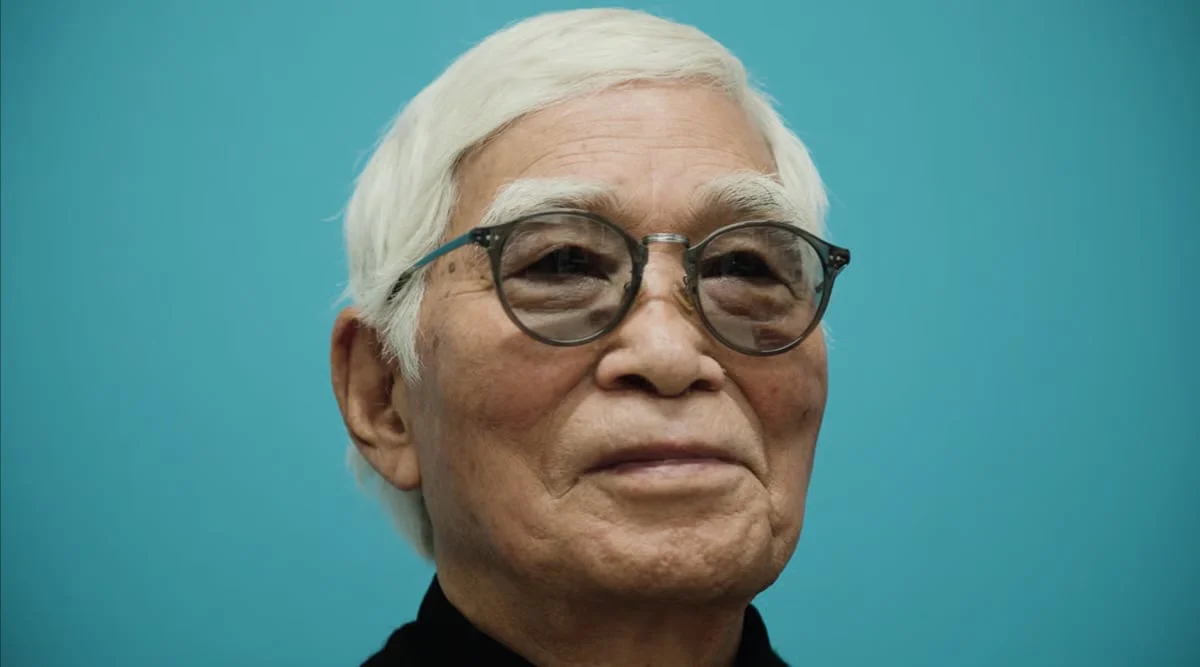
Beyond these specific titles, the 2026 Venice lineup boasts heavy-hitting contributions from international masters such as Lee Chang-dong and Tsai Ming-liang, signaling a vintage year for visionary, director-driven filmmaking on the global stage.
Chronology of the Festival Kickoff and Podcast Production
The rollout of Film Comment’s Venice 2026 coverage follows a tightly coordinated timeline designed to capture the immediate reactions to the festival’s most buzzed-about screenings:
- Pre-Festival Preparations (Late August 2026): Critics and editors assemble on the Lido as early screenings and press screenings are locked in. Anticipation mounts around the rare return of legendary documentary and fiction hybridizer Werner Herzog, alongside narrative heavyweights like Paul Schrader and Martin McDonagh.
- Opening Days of the Festival (Early September 2026): The red carpet rolls out on the Lido. The initial wave of competition and out-of-competition titles premieres to packed houses of international critics and festival delegates.
- Recording the Inaugural Podcast: In the immediate wake of the opening premieres, Co-Editor Devika Girish sits down in Venice with critics Miriam Bale and Öykü Sofuoğlu. The trio records a deep-dive analysis unpacking the stylistic and thematic triumphs—and potential misfires—of the festival’s opening salvo.
- Publication and Release: The podcast goes live to the public alongside digital dispatches, kicking off weeks of rolling coverage tied to the Summer 2026 print and online cycle of Film Comment.
Supporting Data and Festival Context
The 2026 edition of the Venice Film Festival continues a decades-long tradition of positioning the Lido as the ultimate launching pad for the global awards season and high-art international cinema.
- The Curatorial Scope: This year’s selection committee has curated a program heavily weighted toward master auteurs. Alongside Herzog, Schrader, and McDonagh, East Asian master filmmakers Lee Chang-dong and Tsai Ming-liang bring significant weight to the festival’s artistic gravity.
- Critical Roundtable Metrics: The opening Film Comment podcast covers four distinct features across roughly forty minutes of critical discourse, averaging approximately eight to ten minutes of granular analysis per film.
- Publication Integration: The on-the-ground reporting is being published as a cornerstone of Film Comment’s Summer 2026 issue, bridging the gap between fast-turnaround digital festival criticism and long-form print journalism. Readers are being funneled through subscription drives and newsletter sign-ups (The Film Comment Letter) to maintain continuous access to the daily dispatches from Italy.
Official Responses and Critical Perspectives
The early critical consensus coming out of the Lido, as articulated by Girish, Bale, and Sofuoğlu, points toward a festival defined by stylistic risk-taking and veteran directors operating at the height of their powers—or leaning thrillingly into late-career eccentricities.
Werner Herzog’s Bucking Fastard
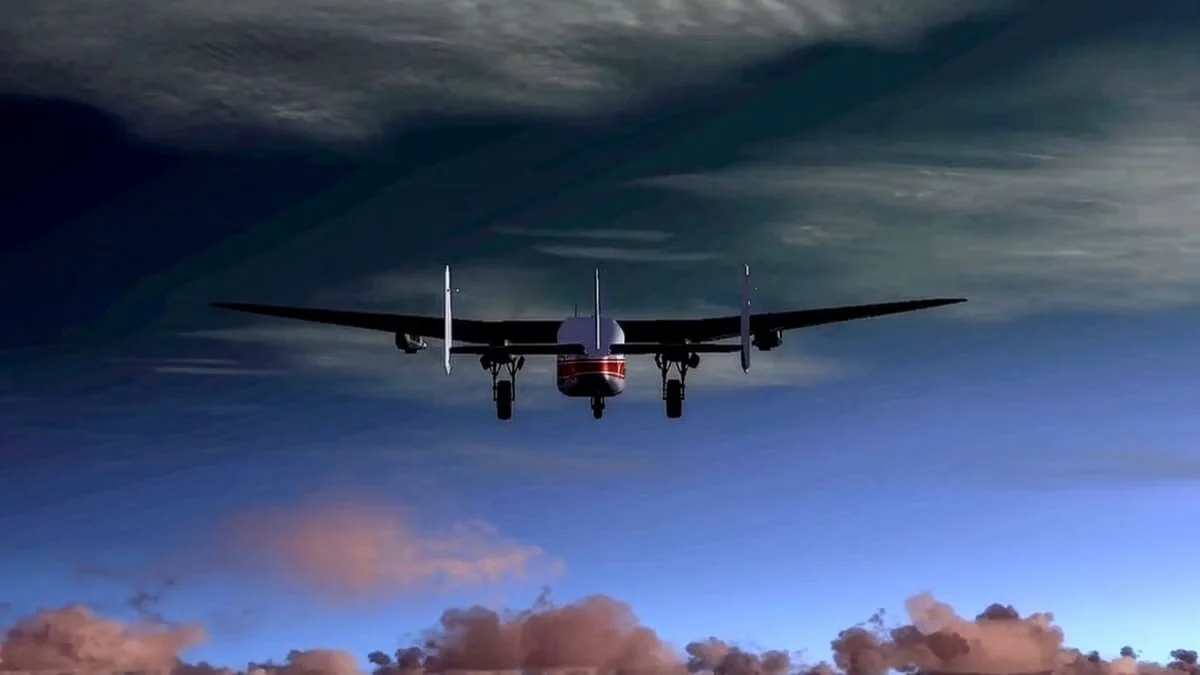
One of the most visually and conceptually arresting titles of the early festival is Werner Herzog’s Bucking Fastard (2026). True to the German iconoclast’s restless career, the film has already generated intense curiosity for its provocatively idiosyncratic title and its refusal to bow to conventional narrative expectations. Bale and Sofuoğlu spent considerable time on the podcast unpacking Herzog’s enduring fascination with the eccentricities of human behavior and the thin veil separating civilization from wildness.
Martin McDonagh’s Wild Horse Nine
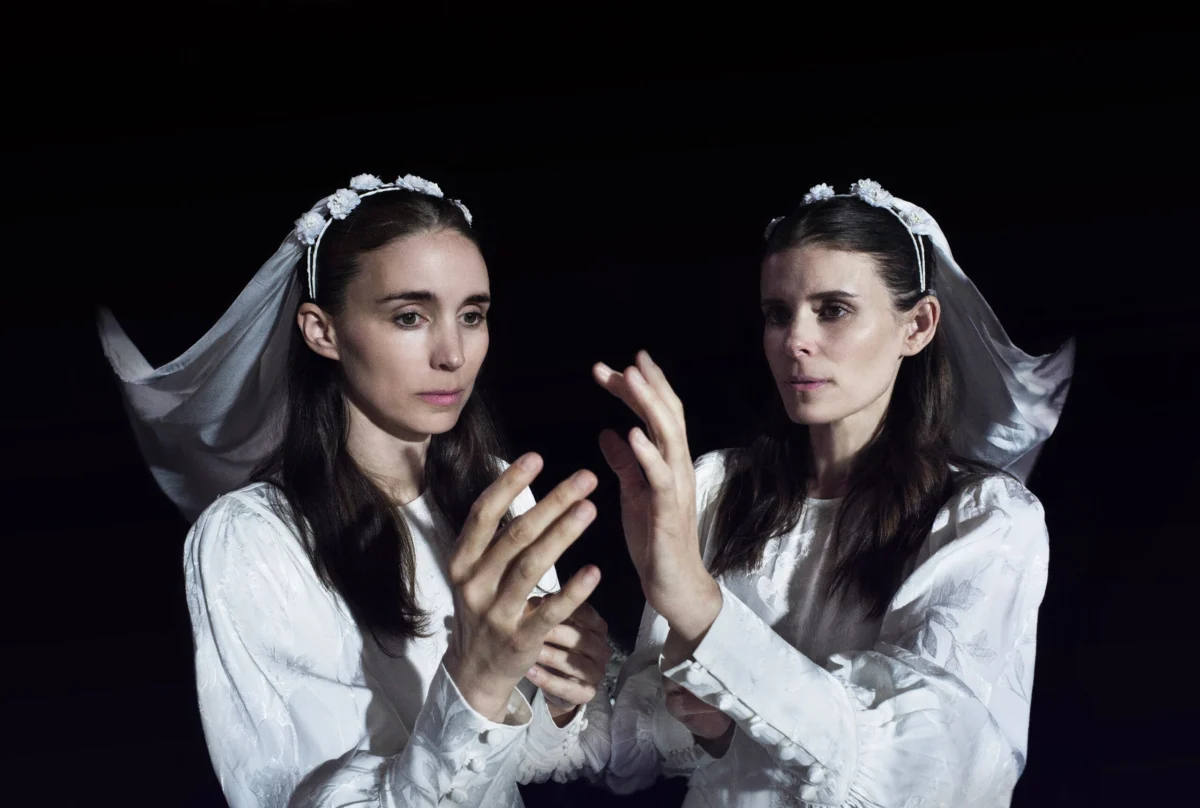
Following his string of acclaimed, darkly comedic dramas, Martin McDonagh returns with Wild Horse Nine. The critics analyzed how McDonagh balances his signature theatrical dialogue with expansive cinematic landscapes, noting how the film positions itself early on as a major player in the festival’s dramatic competition.
Paul Schrader’s The Basics of Philosophy
Never one to slow down in his prolific late career, Paul Schrader brings The Basics of Philosophy to the Lido. Schrader, known for his relentless cinematic explorations of lonely men in rooms wrestling with existential guilt and moral frameworks, appears to have delivered another intellectually rigorous text. The podcast panel engaged in a lively debate over how this new work fits into the broader thematic continuum of Schrader’s filmography, which stretches from Taxi Driver to his recent "man in a room" trilogy (First Reformed, The Card Counter, Master Gardener).
Lance Oppenheim’s Primetime
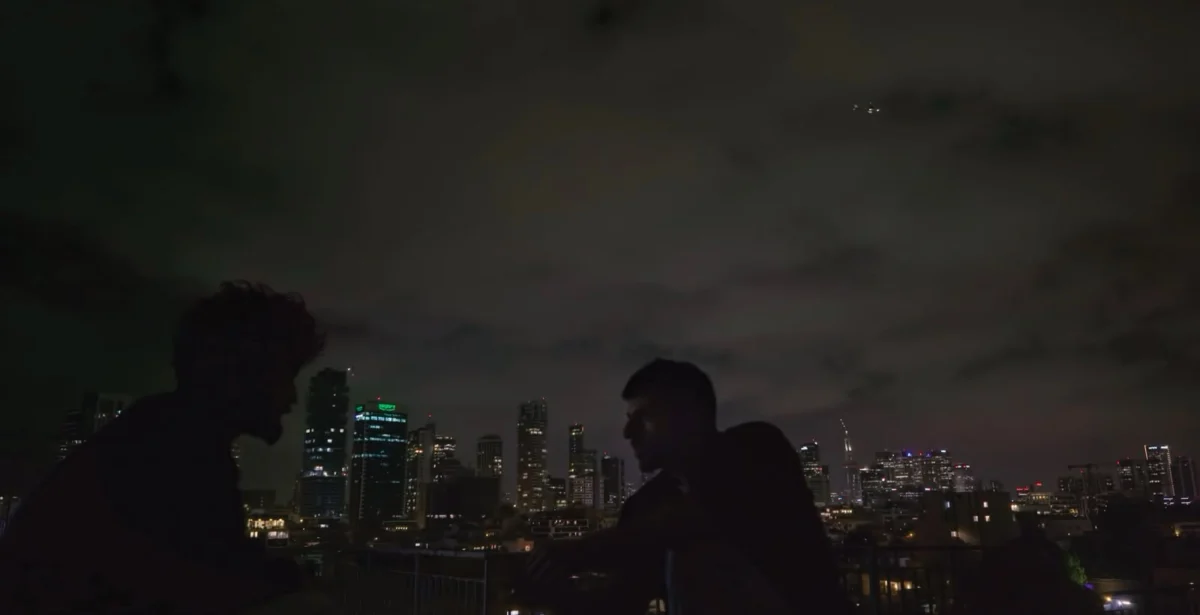
Representing a vital bridge to younger American filmmaking voices, Lance Oppenheim’s Primetime earned a spot among the opening days’ essential discussions. Known for his uncanny knack for exploring hyper-specific, eccentric American subcultures (as seen in Some Kind of Heaven), Oppenheim’s latest feature drew praise from the critics for its sharp eye and formal audacity.
Implications for the 2026 Film Industry and Awards Season
The early dispatches from Venice 2026 carry significant weight for the remainder of the cinematic calendar:
- The Venice-to-Oscars Pipeline: While Venice has increasingly become a showcase for challenging international art house fare (curated by directors like Tsai Ming-liang and Lee Chang-dong), it remains a crucial launching pad for American prestige pictures. Works by auteurs like McDonagh and Schrader are bound to face immediate awards-season scrutiny.
- The Health of Auteur Cinema: The heavy presence of established masters in the 2026 lineup reassures an industry often anxious about commercial homogenization. By platforming uncompromising visions from Herzog, Schrader, and international giants, the festival reinforces the economic and cultural viability of director-driven cinema.
- The Evolution of Film Journalism: Initiatives like Film Comment’s on-the-ground podcasting demonstrate how modern cultural criticism adapts to festival environments. By delivering instantaneous, conversational, yet deeply analytical audio commentary directly from the Lido, publications can capture the volatile, exciting atmosphere of a world-class film festival in real-time, engaging global audiences long before films hit local theaters or streaming platforms.
To stay fully up-to-date with daily reporting, reviews, and insider dispatches from the Lido throughout the festival, readers can subscribe to Film Comment and sign up for The Film Comment Letter.