The Ultimate Cinematic Ambush: How Telluride Pulled Off the Most Secretive, Jaw-Dropping Screening of the Year
Main Facts: The Setup and the Secret
It all began with a text message that sent a quiet shockwave through the upper echelons of independent cinema. Three simple words flashed on a screen: "Can we talk?"
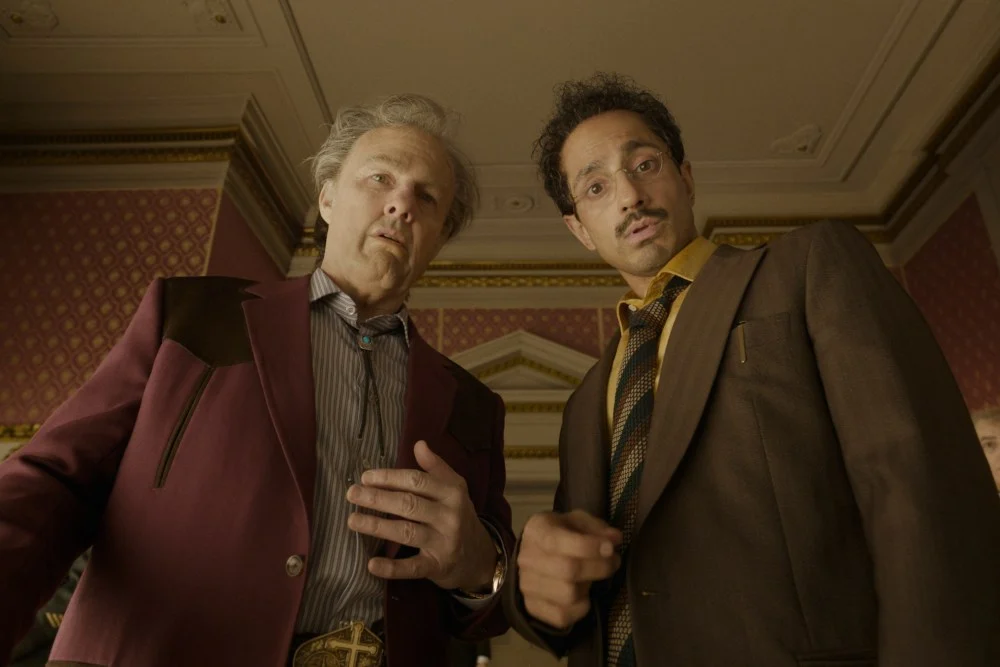
Those words, received by Telluride Film Festival Director Julie Huntsinger, were the genesis of what would instantly become the most discussed, fiercely guarded, and widely celebrated cinematic event of the 2026 competitive film circuit. The message came from A24, the studio behind an aggressively confidential new documentary directed by Nathan Fielder and co-director Lance Oppenheim focusing on corporate titan and disgraced Theranos founder Elizabeth Holmes. Titled You Can See Everything, the feature immediately catapulted Telluride into the epicenter of the global entertainment conversation.
Teaming up with A24, Huntsinger helped orchestrate a clandestine ambush on the festival’s attendees. In an era where hyper-connected social media feeds and online sleuths routinely spoil casting news, plot twists, and secret screenings months in advance, the team managed to execute an airtight operation. Only four people within Huntsinger’s entire personal and professional circle knew the truth about what was coming. Even her best friend was left in the dark, pleading for details right up until the festival’s opening days, only to be hit with a brick wall of absolute silence.
When the lights finally went down in the Werner Herzog Theater and the film unspooled without warning, the strategy paid off. Early reviewers and shocked festivalgoers emerged searching for superlatives, calling the documentary "jaw-dropping," "triumphant," and "like nothing you’ve ever seen."
Chronology: From a Mysterious Text to Viral Infamy
The timeline of the coup reads like a Hollywood espionage thriller, marked by deliberate pacing, extreme discretion, and a calculated rollout strategy that left traditional studio marketing playbooks in the dust.

- The Mysterious Ping: The collaboration began when A24 reached out to Huntsinger. Because the studio already had two other high-profile projects slated for the festival—The Debut and Club Kid—Huntsinger initially feared logistical trouble. "I thought, ‘Oh no, maybe they want to pull something,’" she recalls.
- The Top-Secret Briefing: After two days of radio silence due to scheduling hurdles, the truth finally dropped over a private call. A24 revealed they were sitting on a project so volatile and unconventional that standard festival submission protocols were out of the question. It required a blind drop.
- The Lockdown: Determined to preserve the raw, unadulterated shock value for the audience, Huntsinger enacted a strict zero-leak policy. Just four internal staffers shared the secret. Rumors swirled in the alpine air of Colorado, but the ironclad boundary held.
- The Blind Premiere: On the night of the screening, audiences filed into the theater expecting a standard slot in the program. Instead, they were hit with You Can See Everything. As the layers of Fielder and Oppenheim’s unconventional documentary unfolded, featuring Holmes herself in a capacity that fundamentally recontextualized the narrative, the room erupted into audible gasps.
- The Aftermath: Following its explosive debut, the film immediately secured a secondary high-profile slot at the New York Film Festival (NYFF), cementing its trajectory as a major autumn awards contender ahead of its wide theatrical release on October 16.
Supporting Data: A Deep Dive into the 2026 Slate
While the Nathan Fielder-Elizabeth Holmes collaboration unquestionably commanded the lion’s share of the oxygen in Telluride, the 2026 festival boasted a remarkably deep and resilient lineup across multiple categories. Industry analysts initially expressed quiet panic over a potentially barren year for major studio acquisitions, but the slate proved robust across both high-profile studio vehicles and quiet, humanist indie dramas.
Key entries driving the conversation included:
- The Liberation: Anchored by powerhouse performances from Carrie Coon, Tracy Letts, Bella Ramsey, Odessa Young, and Lily James, the film proved that character-driven dramas could still command intense critical devotion.
- Tenzing: Described by Huntsinger as a "beautiful, old-fashioned, gorgeous adventure movie," this crowd-pleasing throwback successfully found a passionate, vocal fan base.
- La Bola Negra: Despite its daunting runtime, this sprawling epic surprised organizers by captivating mainstream audiences, becoming a word-of-mouth favorite for casual attendees.
- Revivals and Restorations: Curated carefully under actress Rebecca Hall’s guest-director program, retrospective screenings continued to draw steady, appreciative crowds.
Furthermore, the festival navigated ongoing industry-wide anxieties regarding gender parity in programming. While many festivals face persistent criticism regarding the underrepresentation of women directors, Huntsinger emphasized that intentionality matters. By digging deeper into the international pool—highlighting unique international voices like a celebrated Polish director behind The Idiots alongside mainstream breakout talents like Aimee Lou Wood—Telluride demonstrated that a balanced, diverse lineup is achievable through active curation rather than passive selection.
Official Responses: Inside the Mind of Julie Huntsinger
Reflecting on the whirlwind weekend, Festival Director Julie Huntsinger sat down with Gold Derby to unpack the triumph, the panic, and the unforgettable human moments that defined the 2026 gathering.
Discussing the decision to keep the Fielder documentary completely under wraps, Huntsinger emphasized the sanctity of the theatrical experience. "The less you know going in, the better the experience is, and I really wanted to preserve that for our audience," she explained. "With each section of the film, your jaw drops a little more, to where at the end, we were shouting, hopping up and down, couldn’t believe it."

Huntsinger was quick to dismiss the project as a mere comedy, framing it instead as a sobering diagnostic of the modern era. "Nathan has a very specific kind of humor, and I was worried that some people might not really enjoy it. I wouldn’t even call it a comedy. It’s actually a shocking, horrible portrait of our time and of a person of this moment."
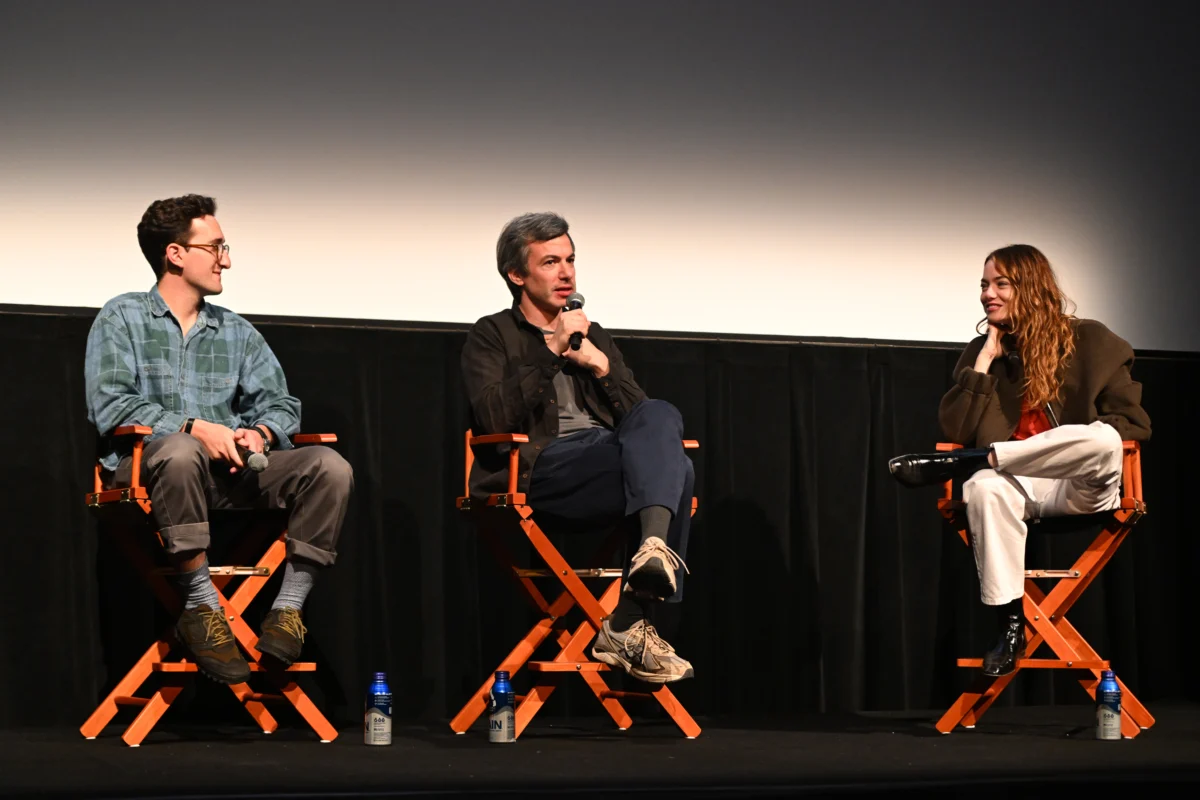
She also highlighted the lighter, unforgettable human highlights of the weekend—ranging from actor Kelvin Harrison Jr. nailing a surprise country-western karaoke rendition of Josh Turner’s "I’m Your Man" at an industry party, to Nathan Fielder’s deadpan, genius Q&A introduction: "For those of you who don’t know who we are—we’re sorry to disappoint you."
Implications: What the Success Means for the 2026–2027 Awards Season
The runaway success of the Telluride-A24 partnership carries significant implications for the broader film ecosystem, particularly as studios look toward the late-year awards corridor.
- Redefining Festival Marketing: The "blind drop" strategy executed with You Can See Everything proves that modern audiences—fatigued by over-marketed trailers and relentless media saturation—crave genuine surprise. Studios may look to emulate A24’s playbook, opting for hyper-concentrated, high-impact festival ambushes rather than grueling multi-city press tours.
- The Documentary Category Shakeup: By blending investigative non-fiction with Nathan Fielder’s signature metatextual subversion—and featuring Elizabeth Holmes in a shocking capacity—the film transcends traditional documentary boundaries. Industry insiders are already signaling that the project will force voters to reevaluate how experimental non-fiction competes in major competitive brackets, pushing past typical category constraints.
- Studio Confidence in Fall Circuits: Despite persistent anxiety regarding the economic viability of transporting high-cost titles to regional festivals, Huntsinger’s success serves as a clarion call to major players like Searchlight and Sony Pictures Classics. By selecting concise, potent exhibition windows—such as A24’s strategy to hold the film for a strategic mid-October theatrical rollout—distributors can maximize cultural momentum without exhausting a film’s public goodwill before it hits local theaters.
As the dust settles on the alpine town, the overriding sentiment from the 2026 festival is one of profound affirmation. In a media landscape frequently dominated by algorithmic fatigue and cyclical predictability, Telluride proved that the pure, unfiltered magic of shared cinematic discovery is still capable of stopping the world in its tracks.