
The Shaping of Terror: DC Studios’ ‘Clayface’ Marks a Bold Genre Pivot
The landscape of superhero cinema has long been dominated by spandex, capes, and grand-scale pyrotechnics. However, DC Studios is poised to pivot toward something far more visceral, intimate, and unsettling. With the upcoming release of Clayface, directed by the master of modern suspense James Watkins (The Woman in Black, Speak No Evil), the studio is venturing into the dark, uncharted territory of body horror and psychological thriller. Starring Tom Rhys Harries as the titular antagonist, Clayface promises to be a transformative experience, not just for the character, but for the DC brand itself.
The Genesis of a Monster: Main Facts
Set for a theatrical release on October 23, Clayface departs from the traditional comic book tropes of costumed vigilantism. Instead, the film functions as a character study of Basil Karlo, a man whose life is defined by the intersection of fleeting fame and monstrous instability.
The narrative centers on Karlo’s harrowing descent from a rising Hollywood star—a man clinging to the superficiality of the silver screen—to a vengeful, malleable force of nature. By focusing on the "loss of identity and humanity," director James Watkins aims to ground the fantastical elements of the character in the very real, very human fears of obsolescence and physical decay. This is not a film about a villain fighting Batman; it is a film about a man fighting the loss of his own soul, with the "Clayface" moniker serving as a metaphor for the masks we wear and the identities that ultimately consume us.
A Descent into the Mud: The Chronology of Production
The road to Clayface has been one of careful deliberation. DC Studios, under the stewardship of James Gunn and Peter Safran, has been vocal about its desire to explore "Elseworlds" style storytelling—narratives that exist outside the strict continuity of the primary DC Universe.
- Development (2024): Initial reports surfaced regarding a horror-centric project centered on a classic Batman rogue. Rumors suggested a "grounded, gritty" approach that leaned heavily into the psychological trauma of the source material.
- Director Attachment (Early 2025): James Watkins was officially tapped to helm the project. His track record in atmospheric horror made him the clear choice for a story that required both technical precision and a deep understanding of psychological dread.
- Casting (Mid-2025): Tom Rhys Harries was cast as Basil Karlo. Harries, known for his ability to convey profound interiority, was tasked with the daunting challenge of portraying a man who is literally losing his skin, both figuratively and physically.
- Production (Late 2025–Early 2026): Principal photography took place primarily in London and Vancouver, utilizing practical effects to bring the "clay" element to life, minimizing CGI to maintain the tactile, claustrophobic atmosphere Watkins is known for.
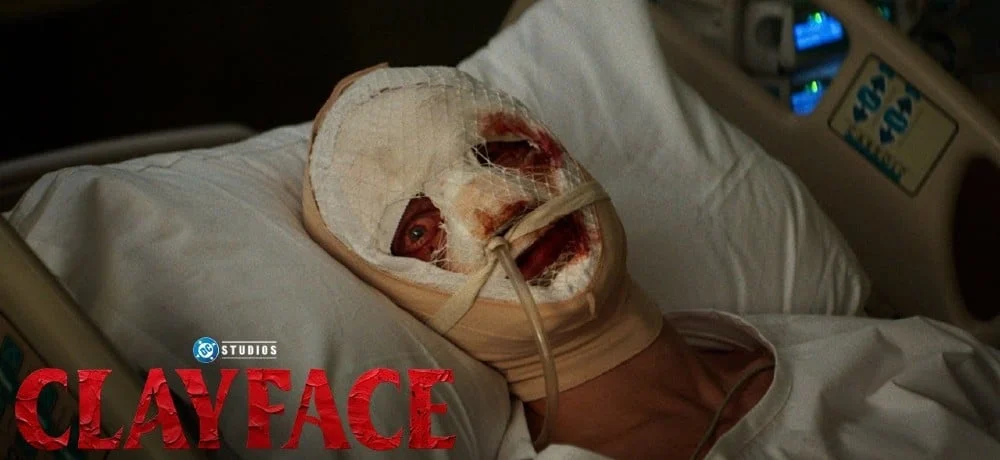
- The Reveal (April 2026): The first official marketing push, including the haunting promotional image of a fractured, mud-caked visage, signaled the film’s shift toward a R-rated, prestige horror aesthetic.
The Anatomy of Ambition: Supporting Data and Themes
At the heart of Clayface lies the "dark underbelly of scientific ambition." The film serves as a modern update to the classic tragic villain trope, drawing heavy inspiration from the Cronenbergian school of body horror.
In the DC comics lore, Basil Karlo is often an actor pushed to the brink of insanity. This adaptation leans into that history, utilizing the Hollywood setting to mirror the plasticity of the character. If one’s identity is merely a performance, what happens when the mask becomes permanent?
Thematic Pillars:
- Corrosive Love: The film explores the toxic relationships that tether Karlo to his former life, suggesting that his transformation is not merely biological but emotional—a reaction to betrayal and the cruelty of the entertainment industry.
- Identity as a Construct: By using the Clayface transformation as a visual representation of self-loss, Watkins forces the audience to confront the fluidity of the human form.
- The Scientific Cost: The narrative delves into the unethical experimentation that results in Karlo’s condition, positioning the film within the tradition of Frankenstein—the creator and the creation locked in a cycle of suffering.
Voices from the Abyss: Official Responses
The creative team behind the project has been vocal about their desire to challenge the audience’s perception of what a "DC movie" can be.
"We aren’t making a superhero movie," James Watkins stated in a recent press briefing. "We are making a film about a man who has been stripped of everything that made him human. It’s a tragedy, first and foremost. The horror is just the skin he’s forced to wear."
Tom Rhys Harries, who spent hours in makeup to achieve the look of the character, noted the psychological toll of the role: "You spend weeks focusing on the idea of your face as a prison. Basil wants to be seen, but the more he tries to shape himself for the world, the more the world rejects him. It’s a very lonely, very dark journey."
Studio executives have emphasized that Clayface is a cornerstone of their commitment to filmmaker-driven projects. By granting Watkins the creative freedom to lean into the R-rated horror space, DC Studios is signaling a departure from the "four-quadrant" mandate, opting instead for high-quality, genre-defying cinema that can stand on its own merits.
Implications for the Future: A New Era for DC
The release of Clayface is a litmus test for the future of DC’s intellectual property. If the film succeeds, it opens the door for a wider array of horror-inspired adaptations. DC’s rogues’ gallery is famously comprised of characters whose origins are steeped in trauma, madness, and obsession—all of which are perfect fodder for the horror genre.
Market Shift
By shifting toward horror, DC Studios is effectively capturing a demographic that has become fatigued by the "save the world" narrative. Horror audiences are notoriously loyal and prioritize tone, atmosphere, and character performance over brand recognition. If Clayface manages to translate this niche appeal into a box-office success, it will likely prompt the studio to greenlight other "villain-led" horror projects.
The Prestige Model
Clayface signals a strategic pivot toward "prestige genre" filmmaking. Following in the footsteps of films like Joker and The Batman, this project suggests that the studio is prioritizing artistic vision over shared-universe connectivity. This is a vital move; it ensures that even if a project is not part of a larger franchise, it remains a "must-see" event for film enthusiasts.
Impact on Character Perception
Historically, Clayface has been a character defined by his shape-shifting powers. By grounding him in a narrative of "corrosive love" and "scientific ambition," DC is elevating the character from a generic "monster of the week" to a tragic figure of high-stakes drama. This retrospective enrichment of the character will undoubtedly influence how he is written in future comic book runs and animated series.
Conclusion: Look Fear in the Face
As the October 23 release date approaches, the excitement surrounding Clayface continues to build. It is a bold, uncompromising, and deeply unsettling vision of one of Gotham’s most complex villains. By stripping away the capes and the grand battles, DC Studios is forcing us to confront a more intimate, terrifying reality: the idea that the greatest monsters are those who were once just like us.
James Watkins has crafted a film that asks us to look past the mud, the rot, and the horror, and see the man underneath. It is a cautionary tale of ambition, a lament for the lost, and, above all, a reminder that in the dark underbelly of Gotham, some secrets are better left buried.
When the lights go down in the theater this October, audiences won’t just be watching a villain’s origin story—they will be witnessing the slow, agonizing dissolution of a human identity. Clayface is not just a horror movie; it is the evolution of a brand that has finally realized its most compelling stories are the ones that keep us up at night.
Look fear in the face. #ClayfaceMovie only in theaters October 23.