The Unsanitized Nightmare: Why Eric LaRocca Argues Horror Fiction Must Shed Its Safety Net
In the landscape of modern literature, horror has undergone a profound metamorphosis. Once relegated to the dusty corners of paperback racks and dismissed as mere “pulp,” the genre has recently seen a meteoric rise in critical prestige and public consumption. Yet, as the genre reaches new heights of popularity, a persistent tension has emerged between commercial viability and artistic integrity.
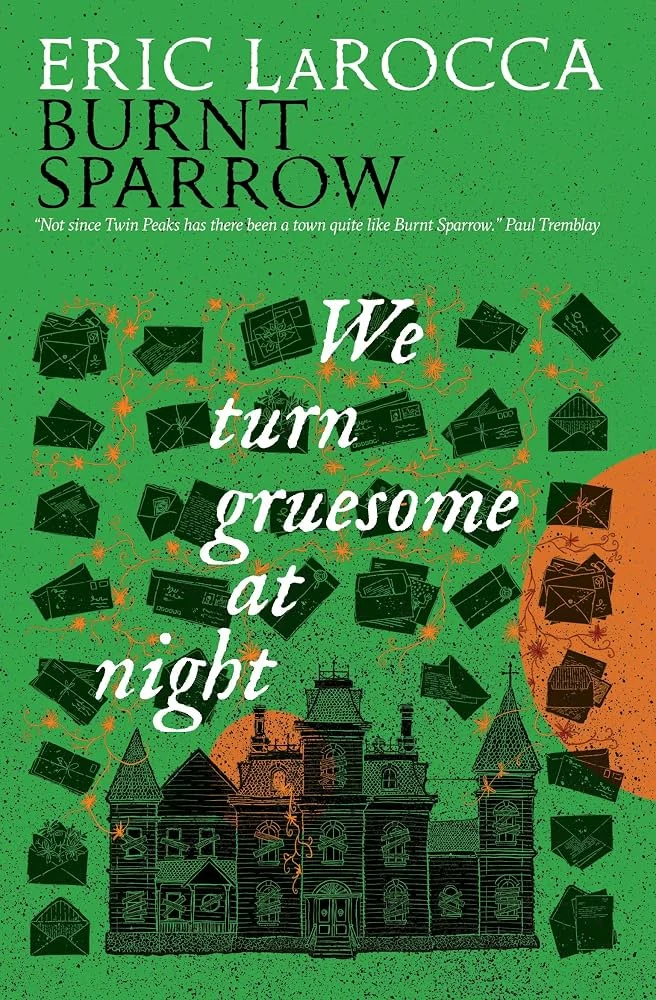
This week, with the release of We Turn Gruesome At Night—the visceral second installment of his latest queer horror trilogy—acclaimed author Eric LaRocca has issued a clarion call to the literary world. In an exclusive editorial for Daily Dead, the Bram Stoker Award finalist argues that the horror genre is suffering from an epidemic of caution, urging writers and publishers alike to abandon the sanitized, "antiseptic" approach to storytelling in favor of the messy, the forbidden, and the truly unhinged.
The State of the Genre: A Conflict of Vision
For years, horror has been touted as a mirror held up to society’s darkest impulses. While contemporary authors are successfully using the genre to dissect social anxieties, LaRocca posits that many modern offerings feel "neutered." The core of his critique lies in the pervasive fear of the "cancellation" culture that permeates major publishing houses.
The Rise of the "Safe" Scare
LaRocca observes a growing trend where manuscripts, even those marketed as "horror," seem designed to avoid provocation. He notes that when asked to review or blurb upcoming titles, he frequently encounters narratives that feel redacted or censored, as if the authors are walking on eggshells.
"Too much horror fiction published today feels disinfected and comfortable," LaRocca writes. He suggests that this is driven by a two-fold pressure: the fear of offending readers and, more significantly, the pressure from major book retailers to maintain a sanitized inventory that won’t trigger public backlash. This commercial filtering, he argues, strips the genre of its primary function: to disturb, to unsettle, and to confront.
Chronology of a Genre’s Evolution
To understand the current state of horror, one must look at the trajectory of the last decade:
- 2015–2018: The Literary Renaissance: Horror began shedding its B-movie stigma as academic interest grew. Publishers started taking "elevated" horror seriously, focusing on metaphor and psychological nuance.
- 2019–2021: The Pandemic Effect: As the world grew increasingly dark, horror fiction saw a massive spike in sales. However, this mainstreaming brought with it a surge of "market-friendly" horror that prioritized atmospheric dread over visceral transgression.
- 2022–2025: The Splatterpunk Resurgence: A counter-movement began to form, championed by indie presses and underground writers who sought to reclaim the "nasty" roots of the genre.
- 2026: The "We Turn Gruesome" Moment: With the release of his latest trilogy, LaRocca and his contemporaries are pushing back against the "sanitized" norm, demanding that the genre return to its roots of being genuinely dangerous and transgressive.
The Philosophy of Discomfort: Supporting Data and Perspectives
LaRocca’s argument is not merely a request for more gore; it is a plea for the return of psychological dread. He admits to being desensitized to standard "jump scares" or the type of horror that forces one to lock their doors at night. Instead, he craves the "pronounced feeling of uneasiness" that only truly bold, uncompromising fiction can provide.
Why Horror Should Never Feel Safe
The thrill of horror, in LaRocca’s view, comes from the reader feeling as though they have committed a transgression by simply engaging with the material. If a book feels safe, it has failed its primary objective. By sanitizing content, publishers are effectively removing the catharsis that comes from facing the "unthinkable."
The "Small Press" Sanctuary
LaRocca highlights a clear divide in the current publishing ecosystem:
- The Mainstream: Often characterized by sterilized narratives and an avoidance of the "messy" elements of the human condition.
- The Small Press: Where the "real" work is happening. LaRocca points to specific voices who are currently defining the cutting edge of the genre:
- Jess Hagemann: Praised for the deeply disturbing Mother-Eating.
- Emma E. Murray: Celebrated for Shoot Me in the Face on a Beautiful Day, a raw examination of obsession.
- Alison Rumfitt & Alex Gonzalez: Acknowledged as the rare "literary mavericks" working within larger presses to deliver genuinely grotesque and distasteful (in the best sense) narratives.
Official Responses and Industry Implications
While major publishing houses have remained largely silent on the specific critique of "sanitization," industry analysts suggest that the tension between LaRocca’s vision and commercial reality is at an all-time high.
The implication for the future of publishing is clear: there is a growing, underserved market of readers who are starving for content that pushes the boundaries of "acceptable" discourse. If major publishers continue to prioritize "safe" horror, they risk losing their relevance to a new generation of readers who are increasingly turning to small, independent presses for their fix of the transgressive and the taboo.
LaRocca’s own work serves as a testament to this demand. As a three-time Bram Stoker Award finalist and a Splatterpunk Award winner, he has built a loyal following specifically by refusing to compromise on his vision. His success proves that there is not only a space for "kinky little freaks" in literature, but a hungry audience waiting for it.
Conclusion: The Future of the Unhinged
As we look toward the future, LaRocca’s challenge to the literary community is a call to liberation. He hopes that artists will feel more empowered to explore the perverse, the problematic, and the unhinged corners of the human experience.
"Horror truly thrives when it feels forbidden or off-limits," he asserts. As he continues his Burnt Sparrow trilogy with We Turn Gruesome At Night, he sets the bar for what the genre should aspire to: a refusal to blink, a refusal to apologize, and a steadfast commitment to the kind of discomfort that changes the reader forever.
About the Author
Eric LaRocca (he/they) is a seminal figure in contemporary horror. Named by Esquire as a writer "Shaping Horror’s Next Golden Age," LaRocca’s body of work—including Things Have Gotten Worse Since We Last Spoke and Everything the Darkness Eats—has established him as one of the most unique and uncompromising voices in the industry. He currently resides in Boston, Massachusetts, where he continues to explore the boundaries of the grotesque.
For those seeking to engage with the kind of unflinching art LaRocca champions, his latest work, "We Turn Gruesome At Night," is available now, marking the second chapter in a trilogy that promises to be as provocative as it is unapologetically dark.