Beyond the Literal: Re-evaluating Tentang Dia as a Queer Landmark in Indonesian Cinema
Two decades after its initial release in 2005, Rudy Soedjarwo’s Tentang Dia continues to provoke debate. Recently, a viral TikTok discussion reignited interest in the film, positioning it not merely as a drama about friendship, but as a pioneer of sapphic or WLW (Women Loving Women) cinema in Indonesia. While many viewers expressed that they intuitively sensed a queer subtext during their childhood viewings, a segment of the audience remains staunchly defensive: "Rudi said herself she isn’t a lesbian! This is not a GL (Girl’s Love) film."
This tension between literal interpretation and subtextual analysis highlights a broader challenge in Indonesian media literacy. When a character explicitly denies an identity, a significant portion of the audience treats the dialogue as a final, immutable truth. However, cinema—like all art forms—rarely operates on such a binary. To understand Tentang Dia is to move beyond the spoken word and examine the silence, the visual language, and the sociopolitical climate of the post-Reformasi era.
The Chronology of a Cult Classic
Released in 2005, Tentang Dia arrived at a critical juncture in Indonesian cinema. The industry was experiencing a resurgence, experimenting with themes that were previously relegated to the shadows. Interestingly, the film was released in the same year as Detik Terakhir, a film that presented lesbianism with striking, explicit clarity.
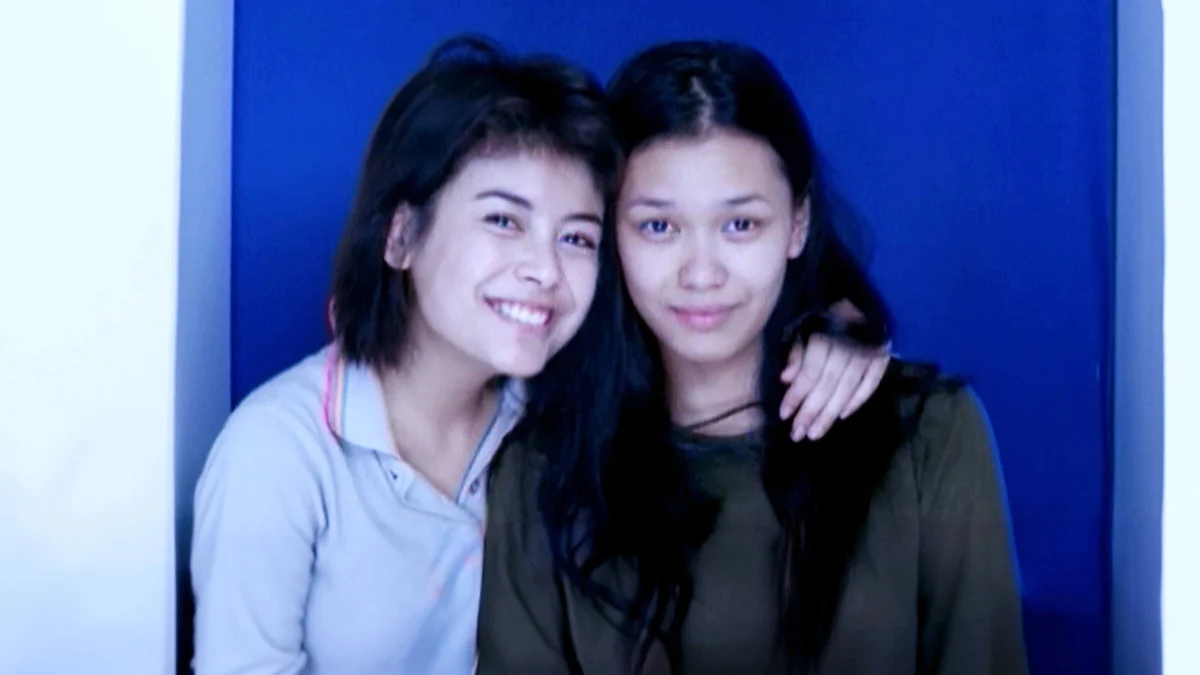
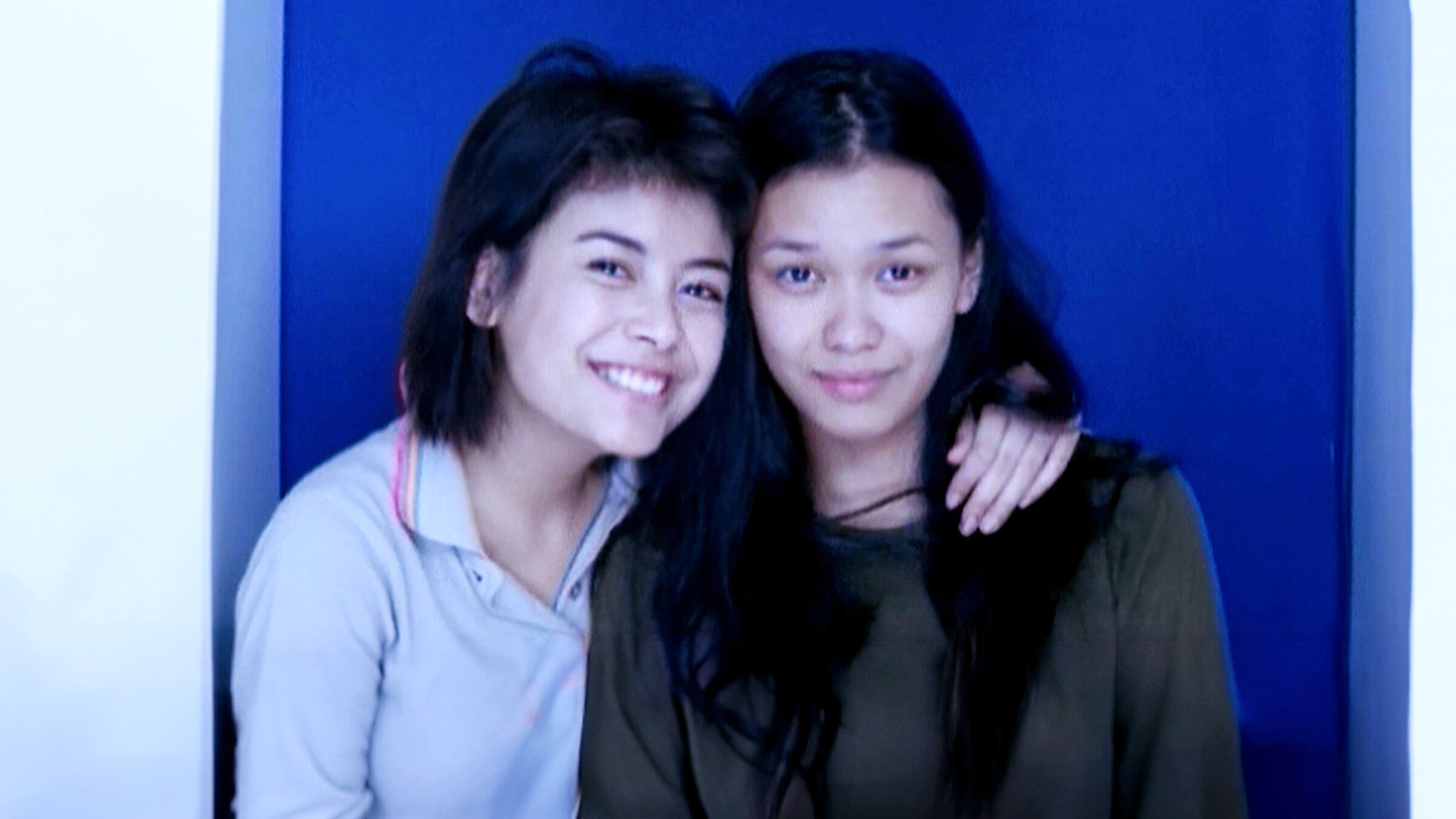
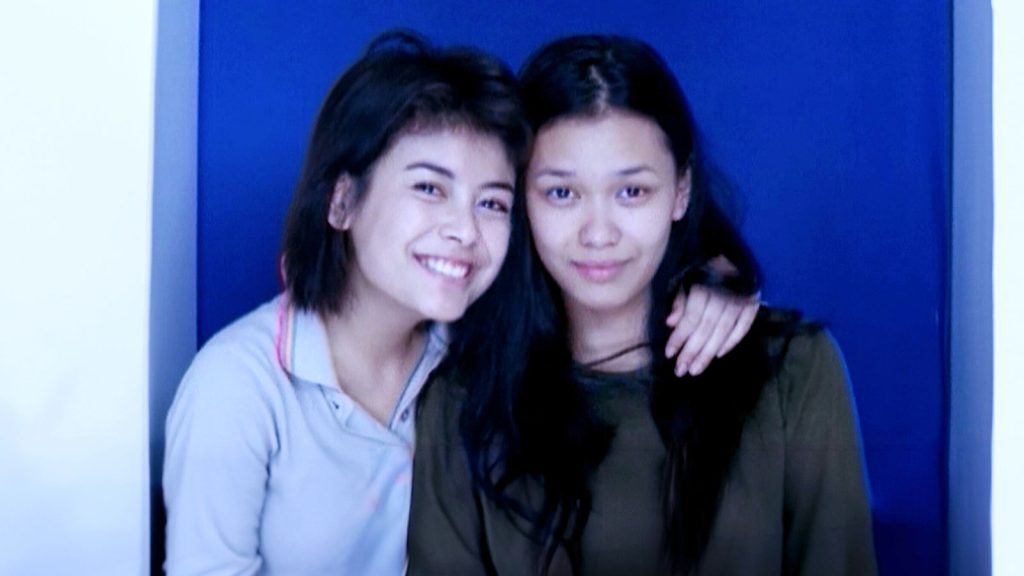
The contrast between these two films is telling. While Detik Terakhir opted for direct representation, Tentang Dia chose a path of subtlety, symbolism, and ambiguity. Adapted from a short story by Melly Goeslaw, the film follows Gadis (Sigi Wimala), a young woman reeling from the trauma of betrayal after her ex-boyfriend impregnates her best friend. She encounters Rudi (Adinia Wirasti), a tomboyish, street-smart individual whom she meets after a minor car accident. As their lives become intertwined, the narrative shifts from a chance encounter to a deepening, intense bond that challenges the boundaries of traditional friendship.
Supporting Data: Queerness in the Face of Repression
The skepticism surrounding the film’s queer identity is not accidental; it is a byproduct of the "moral panic" that characterized Indonesia in the early 2000s. In her study, Representasi Homoseksualitas dalam Film Indonesia Kontemporer, scholar Maimunah notes that Indonesian filmmakers frequently employed codes and ambiguity as strategic tools to bypass censorship and societal rejection.
Rudi’s denial of her own sexuality—"So you think I’m a lesbian and I’ve been hitting on you?"—is often cited by critics as a way to "normalize" the relationship and satisfy heteronormative standards. However, a retrospective analysis suggests this scene should be read as a survival mechanism. In a society that stigmatizes non-heterosexual identities, the act of labeling oneself is often the most dangerous thing a person can do. Rudi’s anger in that climactic rooftop scene is not necessarily a definitive statement of truth, but a defensive reaction to the exposure of a hidden, fragile vulnerability.
Visualizing Solitude: The Cinematographic Queer Code
The film’s queer coding extends far beyond dialogue. The directorial choices made by Soedjarwo emphasize the isolation of these characters from a world that refuses to accommodate them. A poignant example is the crane shot depicting Gadis running through the iconic, bustling Bundaran HI in Jakarta. By rendering the city center unnaturally empty, the film visually manifests the characters’ alienation. They exist in a void, disconnected from a society that has no space for their intimacy.
Furthermore, the film’s framing of the rooftop scenes is a masterclass in intimate storytelling. Soedjarwo frequently employs wide shots from behind, where Gadis and Rudi sit together, facing the city skyline. According to Per Persson’s theories on Variable Framing, these shots create a "private space" within the public sphere. By avoiding close-ups during these vulnerable confessions, the camera grants the characters privacy, acknowledging that their intimacy is not for public consumption.
The Significance of Identity and Naming
The most potent piece of evidence for the film’s queer coding lies in the character of Rudi herself. She chooses her own name—a traditionally masculine moniker—rejecting the feminine name she was given at birth. In queer communities globally, the act of choosing one’s name is a fundamental practice of autonomy and identity affirmation.
Rudi’s rejection of femininity and her role as a protector/provider in the relationship mirrors the classic "butch" archetype. The film purposefully plays with these dynamics: the "Rudi" who is experienced, hardened, and "masculine," versus the "Gadis" (meaning "maiden" or "virgin"), who represents innocence and societal expectations. By casting Adinia Wirasti—who had previously gained fame as the tomboyish Karmen in Ada Apa dengan Cinta?—Soedjarwo leaned into existing cultural archetypes to solidify Rudi’s identity without needing to spell it out for the censors.
Even the film’s soundtrack, specifically the song "Cinta" by Melly Goeslaw and Krisdayanti, reinforces this subtext. The accompanying music video, featuring the two singers in a state of high-tension, intimate proximity, created a cultural parallel that mirrored the relationship between the film’s leads, further cementing Tentang Dia as a work deeply engaged with queer aesthetics.
Official Responses and Societal Implications
The discourse surrounding Tentang Dia has evolved significantly over the last twenty years. In 2005, film critic Is Mujiarso argued in Kompas that the film’s explicit denial of lesbianism effectively closed the door on other interpretations. However, contemporary scholars like Rosalia Engchuan argue that this narrow reading fails to account for the political landscape of the time.
The implication of this debate is profound: it reveals that for many, a "queer film" only counts if it is loud, labeled, and explicit. By demanding that a film explicitly state its orientation, society forces queer narratives into a corner where they must either be fully "out" (and subsequently suppressed) or invisible. Tentang Dia chose the middle ground—a path of "queer coding" that allowed the story to exist, be distributed, and be felt by a generation of viewers who saw themselves in the silence.
Conclusion: The Persistence of Ambiguity
Two decades later, Tentang Dia remains available on streaming platforms like Netflix Indonesia, inviting new audiences to witness its quiet, defiant intimacy. Does it matter if the film never explicitly identifies as a "lesbian movie"?
The film’s endurance proves that the answer is "no." The power of Tentang Dia lies in its ability to operate in the realm of the unspoken. It captures the essence of queer existence in a restrictive environment: the fear of discovery, the reliance on chosen names, the reliance on intimate private spaces, and the inherent loneliness of being an "other" in a public landscape.
As we look back, we see that Tentang Dia was never just about a friendship between two girls. It was a study in human connection navigating the suffocating pressures of heteronormativity. Whether or not the characters use the label, the film remains an essential, albeit coded, pillar of Indonesian queer history—a reminder that in the face of systemic erasure, true intimacy often finds a way to exist in the spaces between the words.