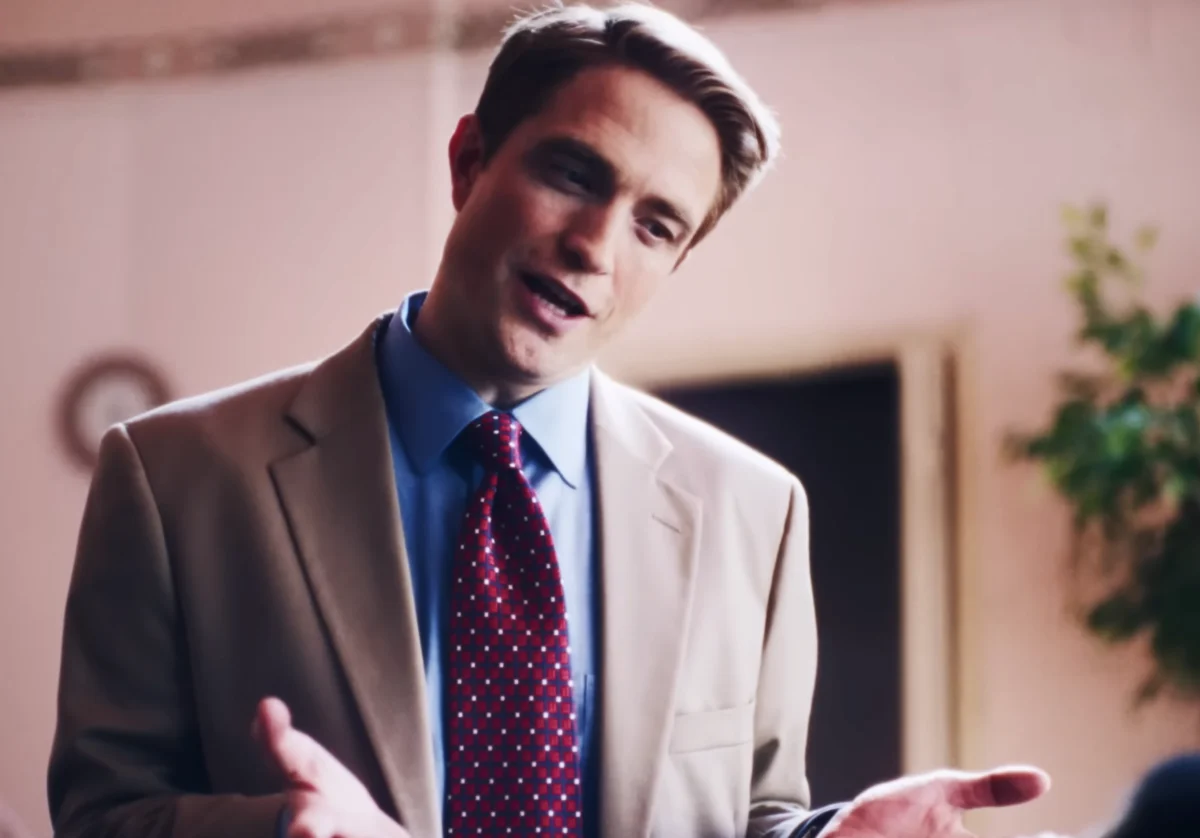
‘Resident Evil’ Slashes Box Office Records with a $55 Million Debut as Fall Horror Season Roars to Life
By Global Entertainment Desk
Updated: September 2025
Main Facts
With the arrival of crisp autumn air and the changing of the leaves comes Hollywood’s most lucrative seasonal tradition: the mass migration of audiences to cinemas in search of a good scare. Sony Pictures’ high-stakes zombie horror reboot, Resident Evil, has capitalized on this appetite with surgical precision, shattering franchise expectations and dominating the domestic box office in its opening weekend.
Based on Capcom’s legendary survival-horror video game franchise, the new film pulled off a staggering $26.3 million domestically across 3,684 theater screens on its opening day alone, establishing itself as the undisputed No. 1 new release of the week. Industry tracking and studio projections indicate that by Sunday evening, the film is expected to cap off its debut weekend with an impressive $55 million haul.
This figure not only obliterates previous franchise benchmarks but more than doubles the opening weekend record held by 2010’s Resident Evil: Afterlife, which previously reigned as the highest-grossing installment of the series with a $26 million opening frame.
Helmed by visionary horror auteur Zach Cregger—who previously terrified and captivated audiences with 2022’s sleeper hit Barbarian and 2025’s box office juggernaut Weapons—this latest iteration of Resident Evil represents a major tonal and narrative shift for the intellectual property. Rather than relying heavily on the legacy characters ingrained in the decades-long video game lore, Cregger and co-writer Shay Hatten crafted an entirely original storyline. The film follows Austin Abrams in a breakout lead performance as an ordinary medical courier tasked with navigating a catastrophic zombie outbreak while making a routine delivery to Raccoon City General Hospital.
Despite initial skepticism from purist fans regarding the omission of iconic protagonists like Jill Valentine and Leon S. Kennedy, early box office returns and overwhelmingly strong word-of-mouth suggest that Cregger’s gamble has paid off in dividends, breathing fresh, undead life into a cinematic universe long overdue for a reinvention.
Chronology
The path to this weekend’s record-breaking box office triumph has been years in the making, marked by strategic shifts in studio positioning, creative risk-taking, and shifting consumer preferences in the post-pandemic cinematic landscape.
- Late 2022: Director Zach Cregger captures the industry’s attention with Barbarian, proving that mid-budget, high-concept original horror can yield massive theatrical returns and spark viral cultural conversations.
- Early 2025: Cregger follows up his breakthrough with Weapons, which opens to a stellar $43 million and eventually cruises to an extraordinary $270 million global box office finish. Sony Pictures recognizes his rising star power and entrusts him with revitalizing the dormant Resident Evil film rights.
- Mid-2025: Initial casting announcements reveal Austin Abrams taking the central role as a medical courier, alongside the revelation that the script will chart an entirely new narrative course within the Raccoon City ecosystem rather than serving as a direct adaptation of any specific game title. This sparks intense debate across online fan communities.
- Friday, Opening Day: Resident Evil premieres across 3,684 domestic screens, immediately dominating ticket sales with a dominant $26.3 million single-day gross. Simultaneously, holdover features like Practical Magic 2, Spider-Man: Brand New Day, and The Odyssey maintain steady holds, while Vertical’s historical thriller The Weight and GKids’ animated feature Shaun the Sheep: The Beast of Mossy Bottom enter the marketplace.
- Sunday, Closing of Opening Weekend: Projections lock in at a historic $55 million domestic opening weekend, cementing it as the most successful launch in the history of the Resident Evil cinematic franchise.
Supporting Data
The broader box office landscape tells a story of both blockbuster endurance and successful mid-tier alternative programming, as studios fight for every dollar ahead of the crowded late-year holiday corridor.
Holding strong in the second-place position for the weekend is Warner Bros.’ witchy sequel, Practical Magic 2. Led by cinematic royalty Nicole Kidman and Sandra Bullock, the film added $3.1 million on Friday and is projected to pull in another $10.4 million over the weekend. This brings the supernatural sequel’s cumulative domestic gross to an impressive $48.2 million, proving that nostalgic, star-driven adult counter-programming remains a vital pillar of theatrical health.
Meanwhile, summer tentpoles continue to squeeze residual revenue out of the marketplace. Sony’s comic book behemoth Spider-Man: Brand New Day secured another $1.53 million on Friday, pushing its staggering domestic gross to a near-billion-dollar milestone at $944.15 million. Universal’s epic adaptation The Odyssey added $1.36 million to its coffers, landing in fourth place for the day and bringing its stellar domestic cume to $609.8 million.
Among the weekend’s other new releases, Vertical’s historical thriller The Weight established a respectable foothold. Directed by Padraic McKinley, the film debuted across 1,504 theaters, grossing $1.17 million on Friday and tracking toward a $2.3 million opening weekend. The gritty feature benefits from an elite pedigree, starring battle-scarred veteran Ethan Hawke alongside cinematic icon Russell Crowe as they navigate 100 miles of perilous wilderness with a fortune in gold.
On the family-friendly and animated front, GKids’ Shaun the Sheep: The Beast of Mossy Bottom opened across 2,173 theaters to a Friday gross of $540,000. Directed by Steve Cox and Matthew Walker, the Halloween-themed stop-motion/animation hybrid is pacing toward a $1.4 million weekend. The premise follows everyone’s favorite woolly protagonist (voiced by Justin Fletcher) attempting to fix a ruined pumpkin patch via amateur science experiments, inadvertently unleashing a mysterious wild beast into the local woods.
Official Responses
The massive financial triumph of Resident Evil has triggered widespread industry analysis and commentary from critics and studio executives alike, particularly regarding the creative direction helmed by Zach Cregger.
When the project was first announced, purists of the Capcom source material voiced anxieties regarding the decision to discard established game characters in favor of an original narrative centered around a lowly medical courier. However, these concerns have been largely quieted by the film’s execution and reception.
Film critics have responded with unexpected warmth toward a franchise that was historically written off as low-brow popcorn entertainment. In his review for Variety, chief film critic Owen Gleiberman offered a fascinating comparative analysis. While famously characterizing the previous Paul W.S. Anderson-led Resident Evil iterations as "hyperviolent, hyperkinetic video-game zombie sludge," Gleiberman praised Cregger’s fresh cinematic vision. He hailed the new film as a "sweetly executed piece of escapist trivia" that possesses an unexpected and endearing "quirky relatability."
Sony Pictures executives have yet to release a formal statement regarding sequel plans, but given that the film is on track to smash franchise records with a $55 million debut, conversations regarding the future of this newly minted horror continuity are undoubtedly already underway behind closed doors.
Implications
The runaway success of Resident Evil carries profound implications for both Sony Pictures and the broader horror genre moving forward.
First and foremost, the film’s triumph validates a bold thesis: intellectual properties tied to video games do not necessarily need to be literal, shot-for-shot translations of their source material to succeed. By hiring an auteur filmmaker with a distinct directorial voice—rather than a work-for-hire technician—Sony has proven that horror fans are more than willing to embrace stylistic experimentation, atmospheric dread, and original storytelling within established sandbox universes.
Furthermore, Zach Cregger’s back-to-back victories with Weapons and now Resident Evil firmly establish him as one of the most bankable and reliable commercial horror directors working today. Studios will undoubtedly line up to hand him blank checks and major IPs, recognizing that his unique brand of tension-building translates directly into massive opening weekends.
Finally, the box office results signal a robust and eager audience base heading into the traditional fall fright season. With Resident Evil leading the charge, supported by the staying power of adult-skewing hits like Practical Magic 2 and gritty historical dramas like The Weight, theater owners have ample reason to celebrate. As the industry looks toward the final quarter of the year, the message from moviegoers is clear: they are hungry for chills, thrills, and high-concept cinematic experiences done right.