The Minimalist Revolution: Redefining Fitness in the Age of Intelligent Hardware
In an era where the fitness industry is saturated with biometric sensors, invasive wearables, and "smart" apparel that borders on the absurd, the modern consumer is facing a crisis of choice. From bulky wrist-worn trackers that feel like shackles to body-conforming suits designed to record every microscopic muscle twitch—and even "smart hats" that attempt to measure cardiovascular data through the overheating scalp—the market has become cluttered.
For many, the threshold of digital fatigue has been breached. The prevailing narrative that exercise only "counts" if it is obsessively synced to a smartphone has created a barrier to entry for the casual athlete. It is time for a paradigm shift: a move toward subtraction. By curating a streamlined ecosystem of fitness technology, users can regain their focus, prioritize performance, and elevate their heart rate with both efficiency and style.
The Evolution of Fitness Tech: A Chronological Overview
The trajectory of health-focused technology has shifted rapidly over the past decade. Initially, fitness tracking was the domain of the elite athlete, requiring cumbersome chest straps and dedicated heart-rate monitors.
- The Early Days (2010–2013): The market saw the rise of the basic step-counter—simple, often inaccurate pedometers that lacked connectivity.
- The Connected Boom (2014–2016): As smartphones became ubiquitous, the "quantified self" movement took hold. Devices began syncing via Bluetooth, leading to the "bulky bracelet" era where users were tethered to their phones for GPS tracking and data logging.
- The Era of Autonomy (2016–Present): The current landscape is defined by "smart" independence. Devices are now shedding their dependence on smartphones, integrating onboard processing, GPS, and advanced biometric sensors that function autonomously.
This chronology represents a maturing market. We have moved past the gimmick-heavy phase and into a period where hardware must justify its existence through utility, durability, and seamless integration into the user’s daily life.
The Apple Watch Series 2: Untethering the Athlete
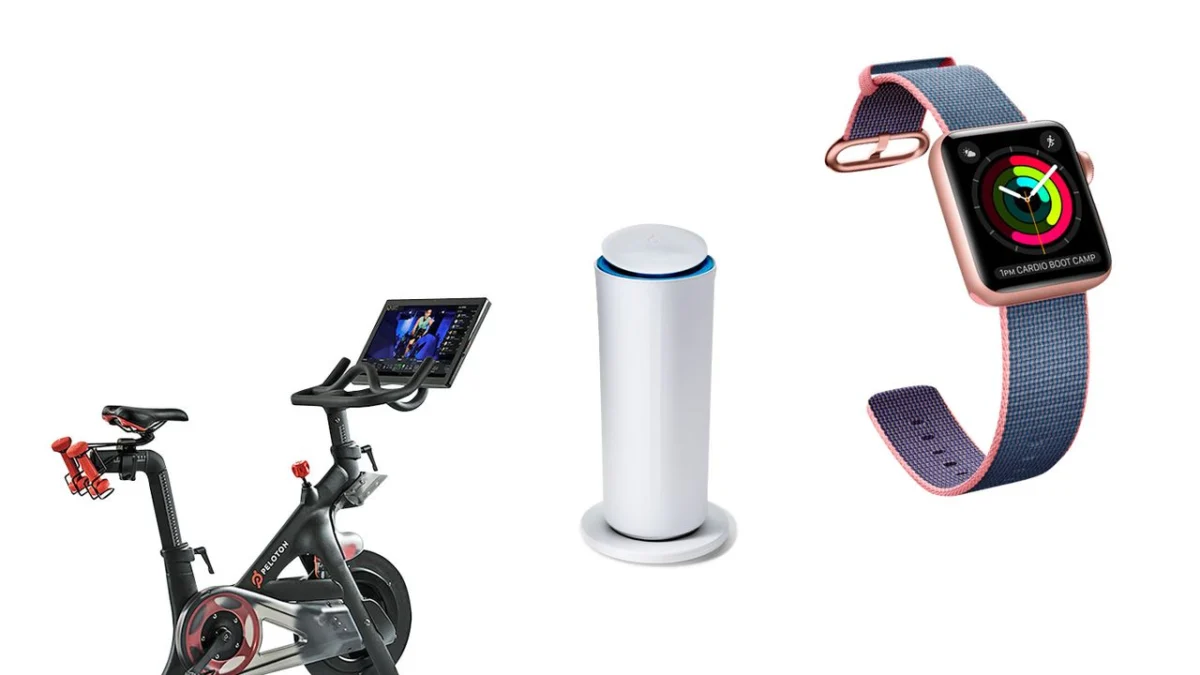
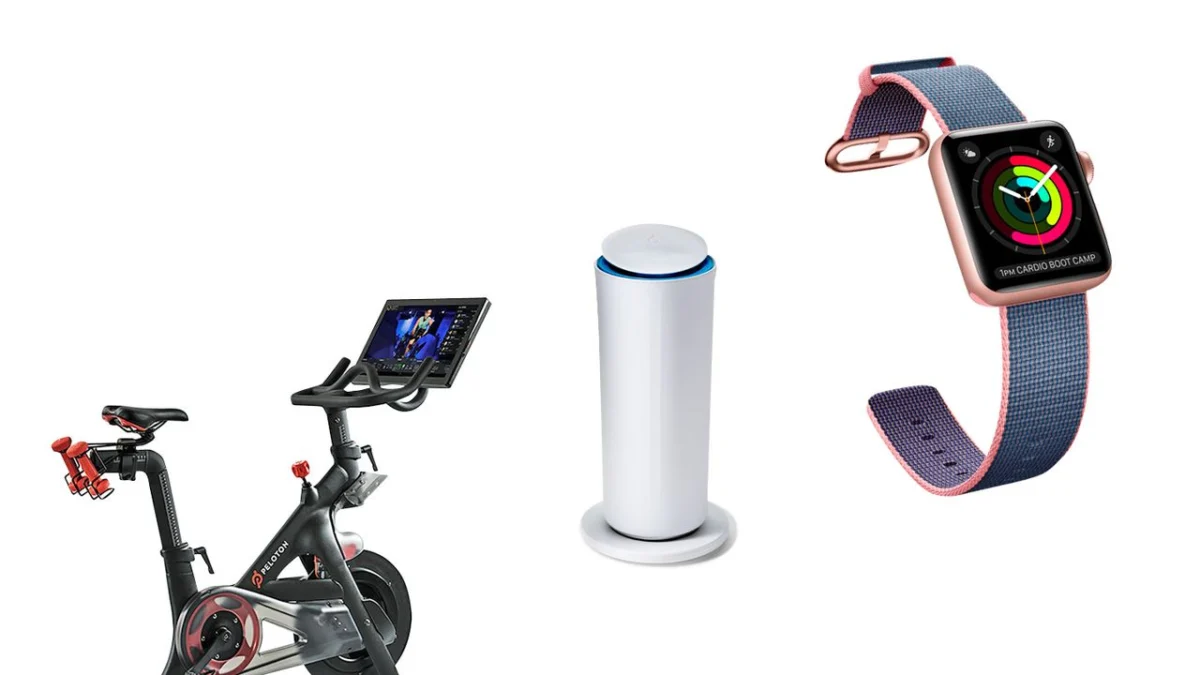
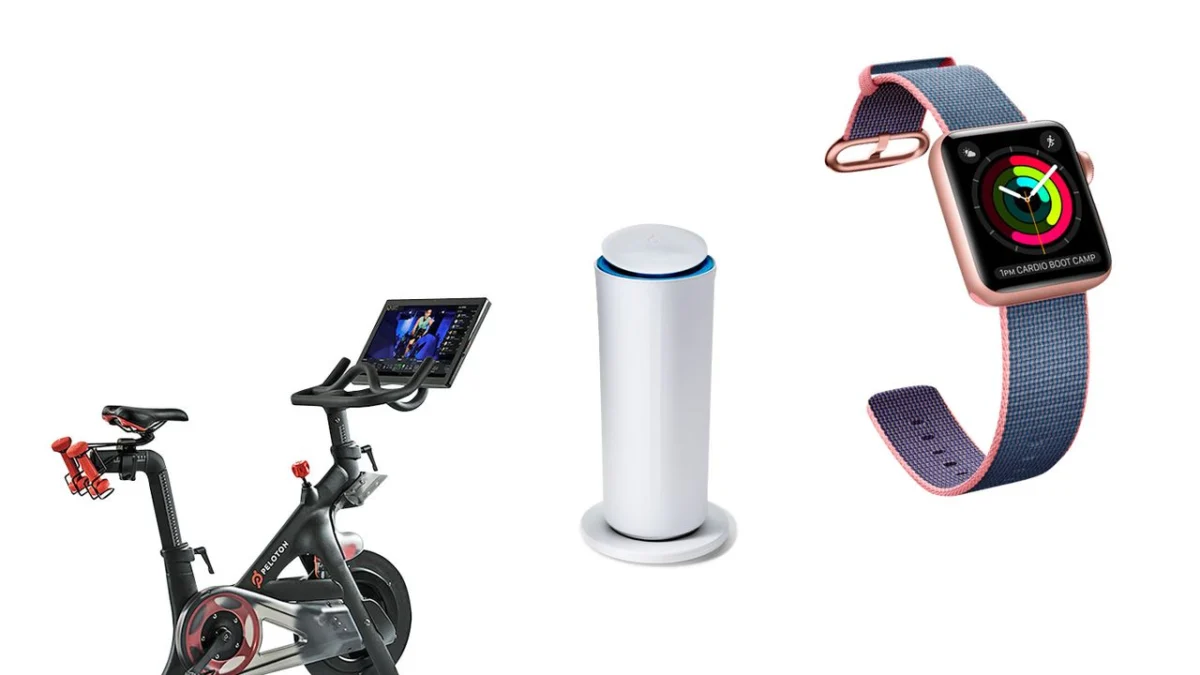
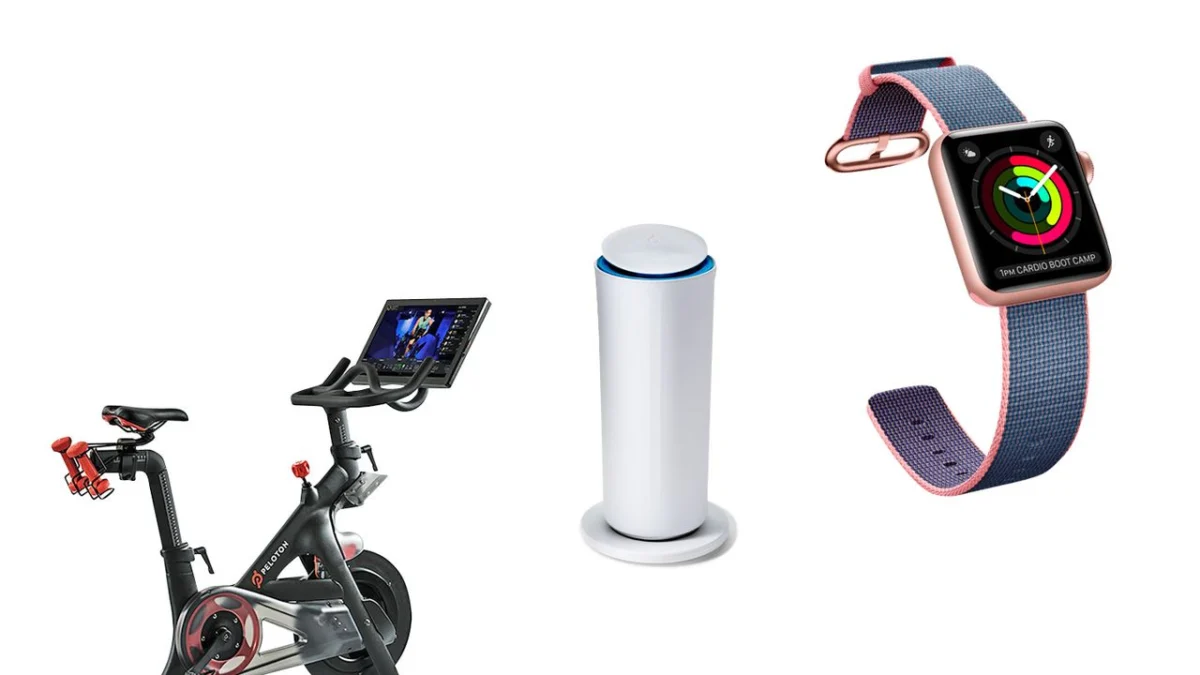
The Apple Watch Series 2 stands as a cornerstone of this minimalist philosophy. With a price point ranging from $369 to $1,299, it caters to both the fitness enthusiast and the luxury consumer. However, the true value of the device lies in its technological liberation: the integration of onboard GPS.
For the first time in the product’s history, the user is no longer required to carry a phone to track outdoor activities like running or cycling. This is a critical development for the "subtraction" philosophy—by removing the phone, Apple has removed a source of distraction and physical burden.
Official Data and Testing Methodology
Apple provided exclusive insight to Vanity Fair regarding the rigorous development process behind the Series 2’s water-resistance and swimming capabilities. The engineering team culled data from an internal pool of over 700 swimmers of varying skill levels. These participants logged a staggering 1,500 hours of testing across the four fundamental swimming strokes: freestyle, backstroke, breaststroke, and butterfly.
Beyond mere distance tracking, the device is unique in its ability to monitor both aerobic and anaerobic activity. While the majority of industry trackers focus exclusively on aerobic heart-rate zones, the Apple Watch Series 2 utilizes advanced algorithms to interpret anaerobic spikes, providing a more comprehensive profile of high-intensity interval training (HIIT) and explosive athletic performance.
The Indoor Experience: The Peloton Paradigm
If the Apple Watch represents mobile freedom, the Peloton indoor bike represents the perfection of the home-based sanctuary. Priced at $1,995, plus a $39 monthly subscription, the Peloton is not merely a piece of gym equipment; it is a platform.
The Engineering of Comfort
The company’s design philosophy hinges on the "anti-gym" sentiment. By bringing the high-intensity studio experience into the privacy of the home, Peloton removes the social anxiety often associated with public fitness centers—specifically, the pressure of a shouting instructor or the inconvenience of shared, unhygienic equipment.
The hardware itself is a testament to longevity. Peloton invested two years into the design and testing of the carbon-steel-and-aluminum frame. The goal was universal ergonomics: ensuring that riders of all heights, weights, and experience levels could maintain proper form.
The Software Ecosystem
The high-definition touch screen is the heart of the experience. It offers a "choose your own adventure" style of fitness. Users can access a massive library of themed courses—from 90s hip-hop spin sessions to "scenic" virtual jaunts through the French Alps. This diversity of content ensures that the bike remains a source of engagement rather than a static piece of furniture, addressing the common problem of fitness equipment falling into disuse.
Hydration Intelligence: The Pryme Vessyl
The final piece of the minimalist fitness puzzle is the Pryme Vessyl ($99), a smart water bottle that addresses the most overlooked aspect of physical performance: hydration.
In a world where we track every calorie and heartbeat, it seems incongruous to ignore fluid intake. The Pryme Vessyl functions as a data-driven companion. It is not designed to be a necessity, but rather a "smart" upgrade to a standard tumbler. It syncs with a dedicated app to determine the user’s optimal hydration level based on their body metrics and activity data.
The inclusion of a wireless charging coaster further exemplifies the design-first approach, ensuring that the bottle remains a seamless, tech-integrated part of the kitchen or office environment. By reminding the user to drink, the device removes the cognitive load of remembering to hydrate during a busy day.
Implications for the Future of Wellness
The shift toward these specific, high-utility tools signals a broader change in how we perceive fitness. We are moving away from the "more is better" mentality.
1. The Death of the "Gadget Trap"
Consumers are increasingly wary of wearable devices that require daily troubleshooting. The success of the Apple Watch Series 2 and Peloton demonstrates that consumers value devices that "just work." When a device functions autonomously, the user is more likely to form a sustainable habit.
2. The Privacy and Autonomy Frontier
As we continue to integrate these devices into our homes and onto our bodies, the focus is shifting toward data ownership. The move toward hardware that can operate without a phone implies a desire for greater privacy and a reduction in the "always-on" connectivity that defines modern life.
3. Sustainability in Design
The industry is beginning to recognize that fitness equipment must be aesthetically pleasing to be adopted. The move toward "stylish" design—swappable bands, sleek frames, and minimalist tumblers—proves that fitness tech is now viewed as an accessory, not just a medical instrument.
Conclusion: A New Standard for Performance
The modern fitness landscape is finally maturing. By rejecting the clutter of invasive sensors and embracing the utility of high-quality, autonomous hardware, we can redefine our relationship with exercise.
Whether it is the freedom of swimming with an Apple Watch, the intensity of a private Peloton session, or the quiet reminder to hydrate from a Pryme Vessyl, the objective remains clear: to strip away the distractions and focus on the work itself. We have reached a point where our tools are as sophisticated as our goals, allowing us to swim, sweat, and hydrate with precision. In the quest for health, sometimes the most important step is simply knowing when to stop adding more and start choosing better.