To Infinity and Beyond: ‘Toy Story 5’ Shatters Box Office Records as Woody and Buzz Face the Digital Frontier
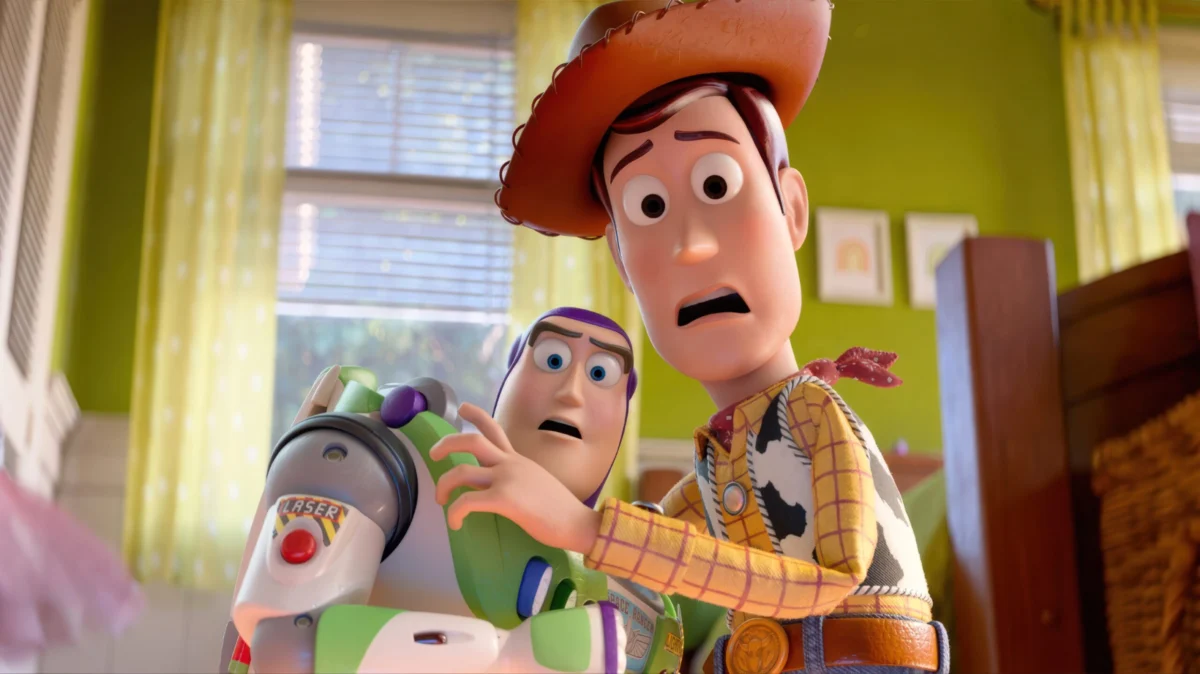
In a summer box office landscape defined by shifting consumer habits and the relentless evolution of digital entertainment, Disney and Pixar’s Toy Story 5 has emerged as the definitive cultural juggernaut of the year. The film, which explores the existential tension between traditional play and the allure of modern technology, has officially crossed the $800 million global threshold, cementing its status as a commercial powerhouse and proving that the 30-year-old franchise remains as potent as ever.
A Monumental Ascent: The Financial Breakdown
As of this weekend, Toy Story 5 has reached a staggering global tally of $808.6 million. This figure, achieved in just three weeks of theatrical release, represents a robust split between domestic and international markets. Domestically, the film has raked in $381 million, while international territories have contributed a further $427.3 million.
Industry analysts are currently recalibrating their projections, with the consensus leaning toward a near-certain ascent past the $1 billion mark. Should it maintain its current momentum, the film is poised to overtake the 2019 installment, Toy Story 4 ($1.07 billion), to become the highest-grossing film in the history of the franchise.
The film currently sits as the third-largest Hollywood release of the calendar year. It trails closely behind the $1.009 billion haul of The Super Mario Galaxy Movie and the $991 million generated by the Michael Jackson biopic Michael. However, with those titles having largely completed their primary theatrical runs, box office experts anticipate that Toy Story 5 will soon ascend to the top spot on the year-end charts, effectively claiming the crown for the highest-grossing cinematic event of the season.
Chronology of a Record-Breaking Run
The journey to these record-breaking numbers began in mid-June, when Toy Story 5 made its debut with an explosive $160 million opening weekend. This figure not only shattered the previous franchise record—held by Toy Story 4 with its $120 million opening—but also established the film as the second-largest animated opening in motion picture history. It currently sits behind only 2018’s Incredibles 2, which debuted with $182.7 million.
Despite the release of competing family-oriented content, such as the animated adventure Minions & Monsters, Toy Story 5 has demonstrated remarkable "legs." Its ability to retain its audience week-over-week is largely attributed to a combination of high-quality animation, favorable critical reception, and the deep-seated emotional investment that multiple generations of moviegoers have in the core characters of Woody, Buzz, and Jessie.
The Cost of Creativity: Budget and Retail Dominance
With a production budget estimated at a formidable $250 million, Toy Story 5 is one of the most expensive animated features ever produced. However, the film has already justified this investment through its theatrical performance alone.
It is vital to note that for a franchise as massive as Toy Story, the box office is only one facet of a much larger economic engine. The brand remains a retail titan, consistently generating over $1 billion annually in global consumer products, video games, and publishing. Even in years without a film release, the "Toy Story" intellectual property remains a primary pillar of Disney’s bottom line, proving that the characters have transcended their origins as cinematic figures to become permanent fixtures of the global toy and entertainment market.
The Narrative Conflict: Tech vs. Tradition
Directed by Pixar veteran Andrew Stanton—the visionary behind critical darlings Finding Nemo and Wall-E—Toy Story 5 takes a poignant look at the changing landscape of childhood. The plot centers on a dilemma that resonates with modern parents and children alike: the struggle of traditional toys to remain relevant in a world dominated by digital interfaces.
In the film, the central protagonists—Woody, Buzz, and the rest of the gang—face a crisis when their owner, Bonnie, begins to lose interest in physical play. Her attention is increasingly captured by "Lilypad," a fictional kiddie smart tablet. This narrative device allows Stanton to explore themes of obsolescence, the value of tactile experiences, and the evolution of human connection in the digital age. By grounding the high-stakes action in a relatable, contemporary social issue, the film has successfully bridged the gap between its legacy audience and the digital-native generation of today’s children.
Industry Implications and Future Prospects
The success of Toy Story 5 carries significant implications for the animation industry. For years, skeptics questioned whether a fifth installment in a franchise would suffer from diminishing returns. Instead, the film has reinvigorated the brand, proving that audiences are still hungry for stories that balance technological spectacle with heart-wrenching emotional stakes.
Furthermore, the film’s success reinforces the strategy of "legacy sequels." By bringing back beloved characters and placing them in a narrative context that reflects current social anxieties, Disney and Pixar have successfully avoided the trap of mere nostalgia.
Official Responses and Market Analysis
While Disney has kept official commentary limited during the ongoing theatrical window, the industry response has been one of collective awe. Market analysts point to the "Stanton touch" as a key differentiator. By trusting a director with a deep understanding of Pixar’s "DNA," the studio managed to navigate the tricky waters of continuing a story that many fans felt was already complete after the fourth film.
"The numbers speak for themselves," says industry consultant Marcus Thorne. "When you combine a $250 million investment with the brand loyalty of the Toy Story name, you have a massive opportunity. But the reason it’s hitting these heights isn’t just the name; it’s the fact that they actually had something new to say about the modern child. They didn’t just rehash the old toys-in-a-room dynamic; they pivoted to the Lilypad tablet conflict, which is a brilliant mirror of what’s happening in households globally."
Looking Ahead: The Billion-Dollar Milestone
As Toy Story 5 continues to dominate international markets, the question is no longer whether it will reach $1 billion, but how far beyond that it will climb. With limited competition in the coming weeks, the film is expected to dominate the family demographic throughout the remainder of the summer.
Beyond the box office, the success of the film is expected to ripple through Disney’s other divisions. The surge in character interest is likely to trigger a renewed focus on merchandise, potential theme park activations, and, inevitably, discussions about the future of the franchise. While the studio has yet to confirm a Toy Story 6, the sheer velocity of the current film’s performance ensures that the conversation will be a central part of Pixar’s strategic planning for years to come.
Ultimately, Toy Story 5 stands as a testament to the enduring power of high-quality storytelling. In a world where digital distractions are everywhere, Woody and his friends have managed to remind audiences of the enduring, irreplaceable value of the imagination—proving, once again, that there is always more to the story, and that there is always room to go to infinity and beyond.