The Karlovy Vary Chronicles: Dispatches from the 60th Anniversary Edition
Introduction: A Diamond Jubilee in the Spa Town
As the 60th Karlovy Vary International Film Festival (KVIFF) unfolds in the verdant, historic spa town of the Czech Republic, the atmosphere is one of both introspection and celebration. For six decades, this festival has stood as a unique bridge between the cinematic traditions of the East and the avant-garde sensibilities of the West. This year, under the stewardship of Film Comment Editor Clinton Krute, our reporting team has been on the ground to capture the pulse of a festival that refuses to rest on its laurels, balancing the prestige of the international circuit with the discovery of emerging global talent.
In our latest Film Comment podcast episode, Krute sat down with seasoned critic and FC veteran Robert Daniels of RogerEbert.com to dissect a slate of films that define the current moment in world cinema. From sprawling family sagas to intimate character studies of Hollywood legends, the festival’s Competition sections continue to prove why Karlovy Vary remains an essential destination for cinephiles and industry professionals alike.
The 60th Edition: A Historical Context
The Karlovy Vary International Film Festival has a storied history, one that dates back to its origins when it alternated locations with Moscow during the Cold War era. This biennial tradition, while complex in its geopolitical roots, ultimately forged a festival identity centered on resilience and cultural exchange.
For the 60th anniversary, the organizers have curated an extensive retrospective sidebar. This section of the program acts as a mirror, reflecting on the festival’s past while contextualizing its evolution into a major mid-summer hub for international cinema. Whether it is the storied spas or the Grandhotel Pupp, the setting itself provides a backdrop of elegance that contrasts sharply with the often raw, challenging, and experimental nature of the films showcased in the Competition.
Critical Conversations: Highlights from the Podcast
In the most recent episode of the Film Comment podcast, Krute and Daniels navigated the festival’s diverse programming, highlighting films that stood out for their narrative ambition and technical prowess.
Dao (Dir. Alain Gomis, 2026)
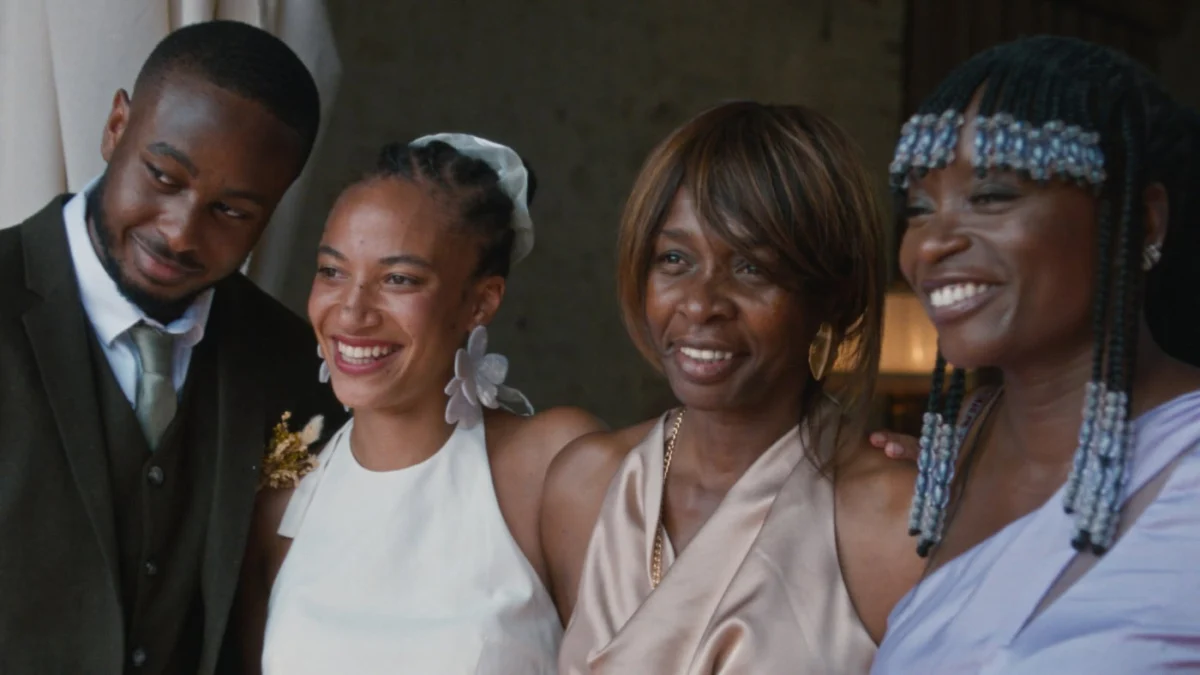
The conversation opened with a deep dive into Alain Gomis’s Dao, a film described as a true family epic. Gomis, known for his keen eye on the intricacies of human connection, has delivered a piece that anchors the festival’s competition. Daniels noted the film’s scope, emphasizing how Gomis manages to weave personal trauma with broader historical themes. Dao is not merely a portrait of a household; it is a meditation on the cyclical nature of memory and identity.
The Hanging of Stuart Cornfeld (Dir. Joan Bofill Amargós)
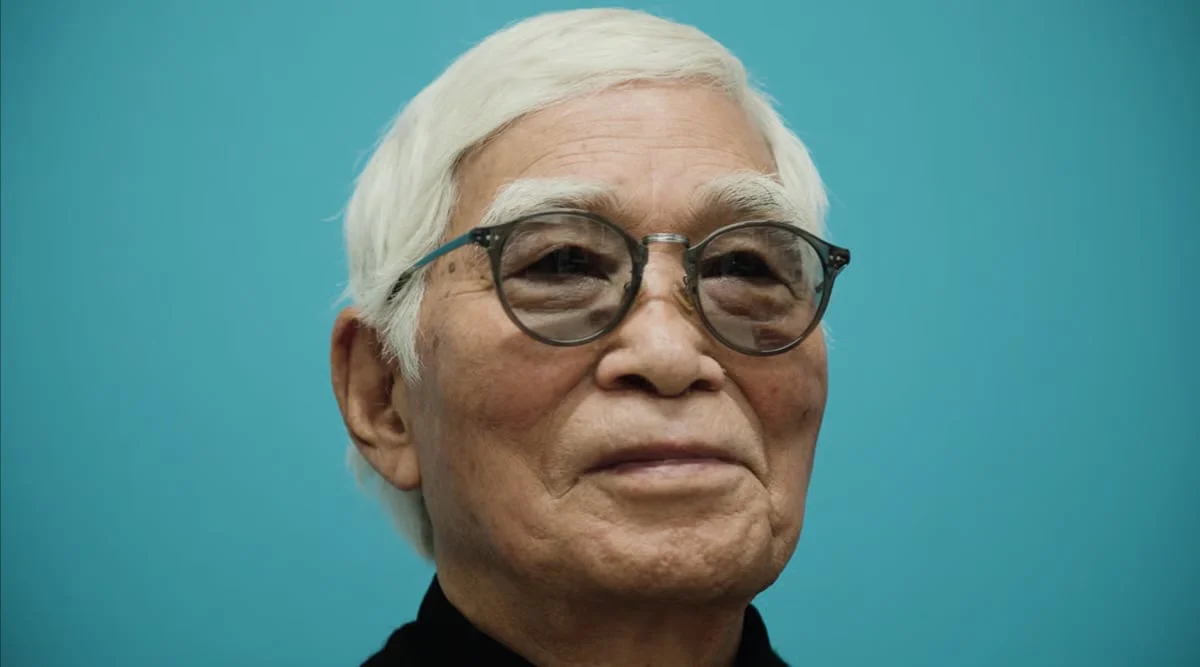
Transitioning from fiction to the documentary form, the duo discussed The Hanging of Stuart Cornfeld. This film serves as a rigorous, albeit poignant, portrait of the legendary Hollywood producer. Cornfeld, a figure who operated largely behind the scenes of some of the most influential films of the late 20th century, is given a complex treatment here. The film navigates the friction between the art of producing and the necessity of commercial survival, offering a masterclass in the documentary craft of "biographical excavation."
The Ink-Stained Hand and the Missing Thumb (Dir. Yashasvi Juyal)
Krute championed Yashasvi Juyal’s The Ink-Stained Hand and the Missing Thumb, a work of magical realism that has become a talking point among festival attendees. By grounding its surreal elements in a palpable, lived-in reality, Juyal has created a film that challenges the viewer’s perception of cause and effect. It is a hallmark of the KVIFF programming—a willingness to platform bold, genre-defying narratives that might struggle to find a home in more traditional, market-driven festivals.
3 Weeks After (Dir. Miroslav Terzić)
Finally, Robert Daniels turned his attention to Miroslav Terzić’s 3 Weeks After. The film is a harrowing, taut exploration of childhood bullying, eschewing melodrama in favor of psychological precision. Terzić’s direction forces the audience to confront the lingering, often invisible scars of adolescent cruelty. It is a testament to the festival’s commitment to social realism and its ability to spotlight regional voices that command universal resonance.
Supporting Data: The Festival Economy and Its Impact
While the creative output is the primary draw, the economic implications of the 60th KVIFF are equally significant. The festival acts as a primary economic engine for the Karlovy Vary region, drawing thousands of delegates, journalists, and tourists.

According to preliminary festival reports, this year’s attendance figures have surpassed the 55th-anniversary metrics, suggesting a robust recovery and growth in the post-pandemic festival circuit. The "Competition" sections, which showcase a mix of world premieres and festival circuit veterans, are key to this growth. For distributors, KVIFF is no longer just a "summer stopover"; it is a strategic launchpad for the fall festival season (Venice, Telluride, and Toronto). The presence of major international distributors confirms that the "hidden gems" identified by critics like Daniels are often the very films that go on to define the critical discourse of the following year.
Official Perspectives: The State of the Industry
The festival organizers have expressed a clear intent for this anniversary: to bridge the gap between "high art" and the changing landscape of global distribution. In various press briefings, KVIFF leadership has highlighted the necessity of maintaining the retrospective sidebars as a way to "educate the next generation of filmmakers on the lineage of the medium."
Furthermore, there is a recurring theme of "Digital Preservation and Access." As the festival looks toward its next 60 years, the emphasis is on how a traditional, location-specific festival can exist in a digital-first world. The partnership with Film Comment and other major outlets is part of this broader strategy to extend the festival’s footprint beyond the physical confines of the spa town.
Implications: The Future of Film Festivals
The success of films like Dao and 3 Weeks After at this year’s festival highlights a shifting trend in global cinema. There is an increasing appetite for films that function as both regional markers and universal stories.
The Decline of the "Mid-Budget" and the Rise of the "Festival Film"
We are currently witnessing a contraction in the traditional Hollywood mid-budget drama. As the studios move toward franchise-led models, the "prestige" film has found its natural habitat in the international festival circuit. Karlovy Vary serves as a vital clearinghouse for these projects. Without the curation provided by the KVIFF selection committee, many of the films discussed in the recent podcast would likely remain unseen by Western audiences.
The Critical Role of Independent Journalism
The dialogue between critics like Robert Daniels and publications like Film Comment is essential to this ecosystem. In an era dominated by algorithmic recommendations and ephemeral social media buzz, the deep-dive analysis provided in these podcasts offers a necessary corrective. By providing context—whether it’s the historical significance of a director’s career or the sociopolitical climate of a film’s setting—journalists help transform "content" back into "cinema."
Conclusion: Looking Ahead
As the 60th Karlovy Vary International Film Festival enters its final days, the consensus is clear: the spirit of independent, daring, and reflective cinema is alive and well. The films highlighted this week—Dao, The Hanging of Stuart Cornfeld, The Ink-Stained Hand and the Missing Thumb, and 3 Weeks After—are not just entries in a catalog; they are essential viewing for anyone interested in the trajectory of the medium.
For our readers and listeners, this coverage serves as a roadmap for the months ahead. As these films make their way to broader theatrical releases and streaming platforms, we encourage you to keep these conversations in mind. Subscribe to Film Comment to stay updated as we continue our coverage of the summer 2026 season, and join us in celebrating the enduring power of the festival experience.
The history of KVIFF is a history of cinema itself—resilient, ever-changing, and deeply committed to the idea that the right story, told in the right way, can change the world. We look forward to seeing what the next 60 years of this storied festival have in store.