The Art of the Undead: Inside the Technical and Narrative Alchemy of Interview with the Vampire Season 3
Editor’s Note: The following piece contains major spoilers for Season 3 of AMC’s "Interview with the Vampire," also known as "The Vampire Lestat."
Television production is, by its very nature, a gargantuan collaborative endeavor—a process defined as much by exhaustive logistics and departmental summits as it is by creative vision. However, few shows have pushed the boundaries of practical and visual storytelling quite like the third season of AMC’s Interview with the Vampire. Tasked with adapting the phantasmagorical, blood-soaked world of Anne Rice, the production team faced a unique challenge: how to translate the visceral, often surreal nature of the source material into a visual medium without losing the intimate, human heart of the characters.
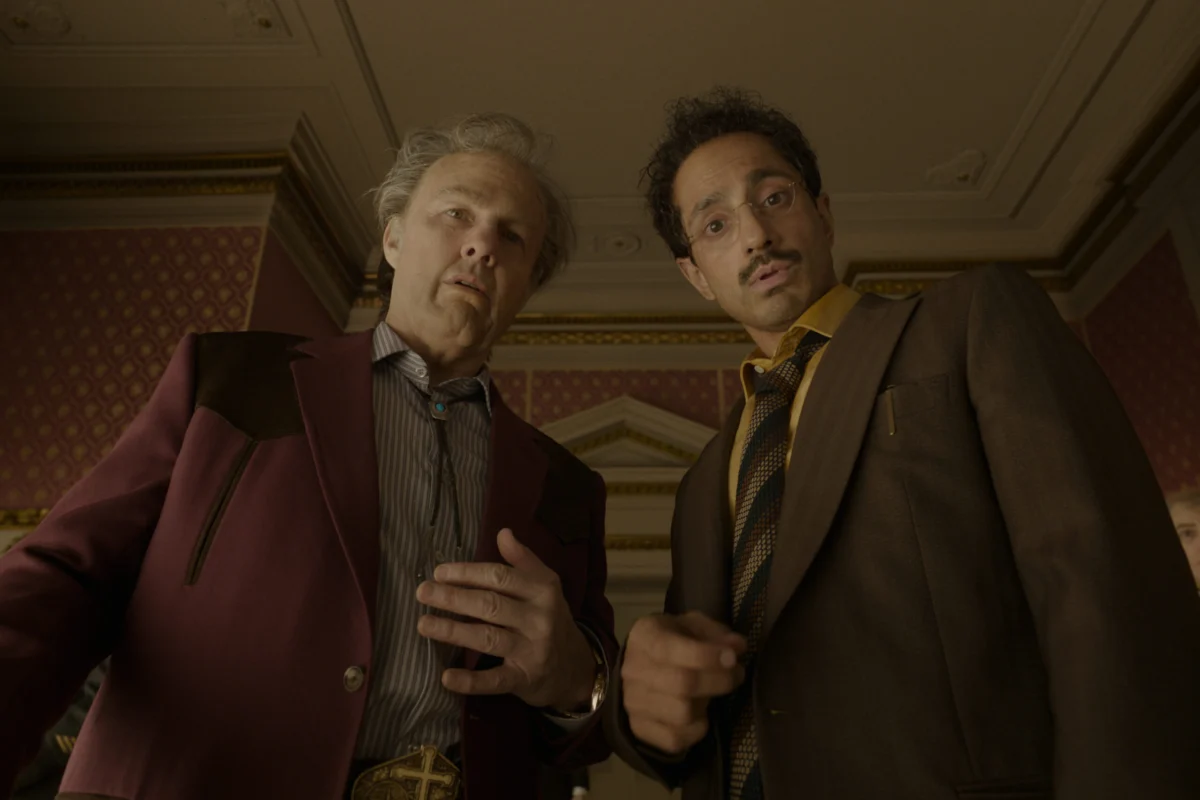
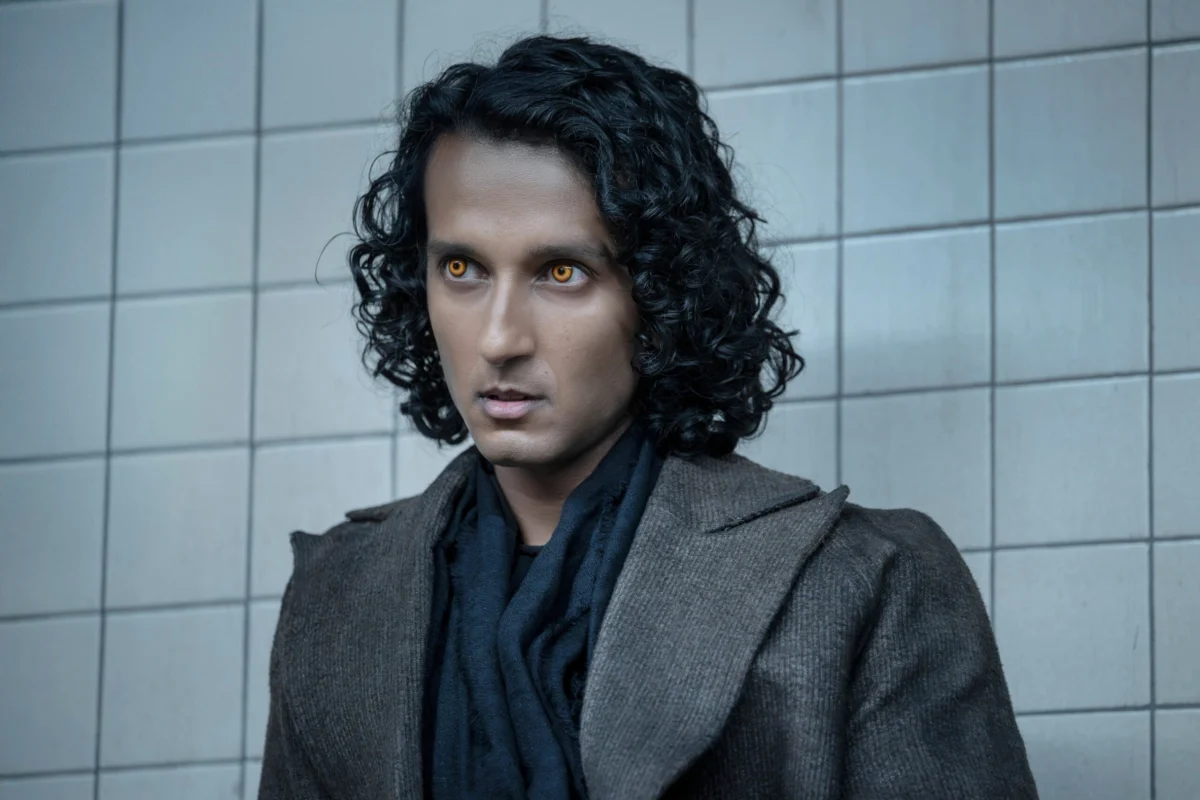
Nowhere was this challenge more apparent than in the penultimate episode, "The Failures." In a sequence that stands as a testament to the show’s technical ambition, showrunner Rolin James and his team orchestrated a scene of profound emotional weight that required a complex, multi-layered production approach: Louis de Pointe du Lac (Jacob Anderson), having been decapitated, remains undead, his head served on a platter. It was a bizarre, gruesome, and ultimately deeply moving setup, designed to force a final, unfiltered confrontation between Louis and his tormentor, Armand (Assad Zaman).
The Technical Marvel of "The Failures"
For the production team, the primary objective in the decapitation sequence was ensuring that the practical limitations of the scene did not supersede the performance. The "Louis head" was not merely a prop; it was a focal point for a scene that required both Anderson and Zaman to deliver raw, emotionally resonant work.

"Most of the conversation was about trying that off: How the table worked, how the green screen would work," showrunner Rolin James explained in a recent appearance on the Filmmaker Toolkit podcast. "It’s not the greatest puppet head in the world, but it’s not supposed to double as a real human. There was a lot of post-production work that went into it—but it was a very functional head, too. We had an articulated jaw, and it was able to do a lot of great things."
The production design team had to strike a delicate balance. The goal was to ensure the audience bought into the visual conceit of a severed, talking head just enough to remain immersed, without letting the "roux" of vampiric fantasy distract from the interpersonal tension. By optimizing the set and using the articulated head as a functional tool rather than a distraction, the team allowed Anderson and Zaman to interact as naturally as possible.
Chronology of a Masterpiece: From Page to Platter
The narrative arc of Season 3 has been marked by a departure from the traditional linear storytelling of previous seasons. "The Failures" serves as a culmination of several threads that have been teased throughout the season.
- The Setup: Throughout the season, Lestat (Sam Reid) has been narrating his story, a narrative framed by his own deteriorating psyche and impending doom. The "concert" that bookends the season is an internal performance for his victims, tracked by a literal, ticking iPhone timer—a jarring, modern touch that grounds the supernatural in the mundane anxiety of time running out.
- The Reveal: The sequence between Louis, Armand, and the arrival of Regina (Delainey Hayles)—who is revealed to be an agent of Armand, utilized for her physical resemblance to the vengeful spirit of Claudia—recontextualizes the entire season.
- The Transformation: The scene marks a definitive shift for Louis. No longer burdened by his body, the decapitated head becomes a metaphor for a character who has, at long last, stopped looking "up his own ass," as Jones put it. The shift from a desperate attempt to save Regina to a confrontation regarding his own autonomy and his history with Armand is the emotional anchor of the episode.
Supporting Data: Building a Visual Language
The production’s commitment to "painterly" storytelling has become a hallmark of the series. According to Jones, the editorial team, led by Mike Phillips, was given significant latitude to experiment with the footage from previous seasons to create a sense of continuity and evolution.

By pulling from alternate takes in Seasons 1 and 2 and manipulating the visual framing, the team was able to present past events from the specific, unreliable perspective of Lestat. This meta-narrative approach allows the audience to re-evaluate what they have seen across the entire series.
"I just started really freeing the editors to start painting, start manipulating, go back and remold the clay, knock something off, fuck with it," Jones said. "This is Lestat. The most exciting example, I don’t think anybody’s cracked it online, but when he has a breakdown for the first time on stage in Episode 1, if you freeze frame it, there’s a very interesting freeze frame there that so perfectly matches his face."
Official Perspectives on Narrative Complexity
The creative team behind Interview with the Vampire makes no apologies for the complexity of their work. They view the show as a piece of art intended for repeated viewings, where every frame is packed with subtext and visual clues that reward the observant viewer.
"It’s built for a rewatch and a third watch," Jones noted. "Our editors are always trying to turn TV into a painting, if you can do it, so that multiple viewings reveal stuff. And I’m not ashamed of that. I think it’s the right way to do it."

This philosophy extends to the characterization of Armand. For much of the season, fans have questioned Armand’s whereabouts and his motivations. The reveal in "The Failures" serves to show that he has been the puppet master all along. "If Regina is there, it’s him. If Alex is there, it’s him. He’s been creeping through this whole goddamn show," Jones added. The lighting, the camera angles, and the subtle editorial choices all work in concert to highlight his omnipresence.
Implications for the Future: "The Queen of the Damned"
As the show looks toward the future, the lessons learned from the technical and narrative experiments of Season 3 are already informing the development of the next installment. The success of the "mini-play" structure—where single-room, dialogue-heavy sequences are treated with cinematic grandeur—has proven that the show can thrive on intimacy as much as spectacle.
Looking ahead, the show will adapt the next volume in the Rice canon, The Queen of the Damned. Jones hints that the structure of the next season will likely shift to accommodate the unique narrative requirements of that book.
"The next book coming up has very strict point-of-view chapters, and that should be a clue to how we might be considering the next season," Jones teased.

The implication is clear: if Season 3 was about deconstructing the unreliable narrator through the eyes of Lestat, the next season will likely fracture that perspective further, utilizing the book’s multi-POV structure to expand the world of the vampires into something even more broken and complex.
For now, the audience is left with a season that has successfully balanced the grotesque with the beautiful, the practical with the ephemeral. Interview with the Vampire remains a rare example of a television series that treats its audience with the intelligence required to navigate its labyrinthine plots and its deep, often uncomfortable, emotional truths. As the credits roll on Season 3, it is evident that the show is not just telling a story; it is curating an experience—one that, like the vampires themselves, is designed to linger long after the lights have dimmed.
Interview with the Vampire Season 3 is currently streaming in its entirety on AMC+.