Political Gridlock in Tokyo: The High-Stakes Battle Over Japan’s "Backup Capital"
TOKYO — The Japanese political landscape is currently teetering on the edge of a constitutional crisis as the Diet remains paralyzed by a deeply polarizing legislative initiative: the creation of a "backup capital." As of Friday, negotiations between the ruling Liberal Democratic Party (LDP) and the opposition Constitutional Democratic Party of Japan (CDP) have reached an impasse, fueling speculation of a snap general election, a protracted parliamentary session, and a looming no-confidence motion against the administration of Prime Minister Sanae Takaichi.
The debate centers on the proposed "National Continuity and Administrative Redundancy Act," a bill designed to establish a secondary governmental hub capable of assuming core state functions in the event of a catastrophic disaster in Tokyo. While the stated goal is national security and resilience, the political theater surrounding the bill has transformed it into a litmus test for the Takaichi administration’s authority.
The Core Conflict: Security vs. Sovereignty
At the heart of the dispute is a fundamental disagreement over the scope and location of the proposed backup capital. Proponents within the LDP argue that Tokyo, situated near the high-risk Sagami Trough, is critically vulnerable to a "Big One" seismic event. They contend that without a pre-designated site—equipped with command centers, digital infrastructure, and housing for cabinet ministers—the Japanese state would effectively collapse in the aftermath of a massive earthquake.
However, the opposition led by the CDP views the bill as an overreach. Critics argue that the legislation lacks transparency regarding the selection process for the backup site and that the projected costs are exorbitant. More importantly, opposition leaders have voiced concerns that the "backup" could eventually become a "shadow capital," diluting the democratic oversight currently centralized in the Diet.
"This is not merely about disaster management; it is about the fundamental structure of our governance," said a senior CDP strategist during a briefing late Thursday. "The government is asking for a blank check to move administrative power away from the people’s representatives under the guise of emergency preparedness."
Chronology of the Legislative Standoff
The current crisis did not emerge in a vacuum; it is the culmination of months of simmering tensions within the Upper House.
- Early 2026: Initial feasibility studies on a "National Continuity Center" are leaked to the press, sparking public debate over the potential economic impact on the Kanto region.
- May 15, 2026: Prime Minister Takaichi officially introduces the backup capital bill to the Diet, framing it as the "crowning achievement of her national resilience strategy."
- June 10, 2026: The bill passes the Lower House with a slim majority, but meets fierce resistance in the Upper House, where the ruling coalition lacks a dominant mandate.
- July 22, 2026: A joint committee is formed to bridge the divide. Initial discussions are productive, but quickly devolve into partisan bickering over site selection.
- July 23, 2026: Tensions peak during a late-night session. Reports emerge of shouting matches in the corridors of the Diet building.
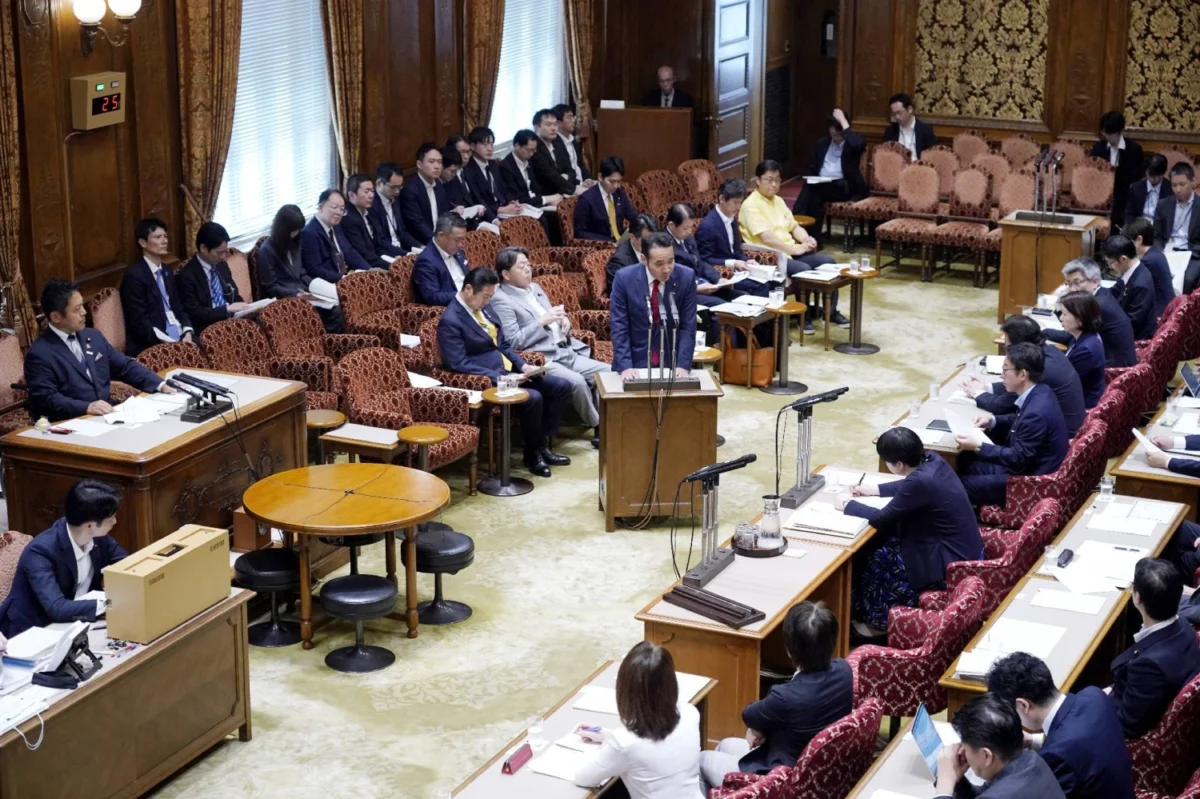
- July 24, 2026: The Upper House joint committee holds a high-stakes meeting. The session is characterized by a "closed-door" policy, with members emerging only to issue threats to the media.
- July 25, 2026: LDP parliamentary affairs chief Yoshihiko Isozaki meets with CDP counterpart Yoshitaka Saito. The meeting ends in total failure, with both sides signaling a readiness for a long-term standoff.
Economic and Strategic Implications
The implications of this legislative gridlock extend far beyond the walls of the Diet. Economists warn that the uncertainty surrounding the backup capital project is beginning to impact market confidence. Japan’s construction sector, which had priced in massive government spending for the project, is now facing a "wait-and-see" environment that threatens to stall regional development projects.
Furthermore, the international community is watching closely. Japan’s allies, particularly those in the Indo-Pacific, view the backup capital project as a vital component of Japan’s ability to remain a stable regional leader in the event of a national emergency. A failure to pass this bill could be interpreted as a sign of institutional fragility within the Japanese government.

Data Points: The Resilience Gap
- Projected Cost: Current estimates suggest the backup capital would require an initial investment of ¥4.5 trillion ($30 billion), with annual maintenance costs estimated at ¥150 billion.
- Seismic Risk Profile: Experts at the University of Tokyo estimate a 70% probability of a major Nankai Trough or Tokyo-inland earthquake within the next 30 years, highlighting the urgency that the LDP claims justifies the bill.
- Public Sentiment: Recent polls show a divided public, with 42% in favor of the project, 38% against, and 20% undecided—a margin too narrow to provide the Takaichi administration with a strong mandate.
Official Responses and Political Maneuvering
The atmosphere in Tokyo on Friday was described by political analysts as "volatile." Following the breakdown of talks, LDP Upper House parliamentary affairs chief Yoshihiko Isozaki did not mince words. Speaking to reporters, he stated, "There is no choice but to consider other options, including a (further) extension of parliament."
This statement is a clear signal that the ruling party is prepared to keep lawmakers in session throughout the summer—a move that would disrupt the vacation schedules of Diet members and significantly increase political tension.
Conversely, the opposition has signaled its readiness for a "scorched earth" policy. CDP leadership has hinted that if the LDP attempts to force the bill through via a committee-led "railroading" tactic, they will formally submit a no-confidence motion against Prime Minister Takaichi.
"If the Prime Minister prioritizes this flawed bill over the consensus of the people’s representatives, she loses the moral authority to lead," said a spokesperson for the CDP. "We are prepared to take the battle to the floor of the House."
The Path Ahead: A Takaichi Ultimatum?
As the weekend approaches, the pressure is squarely on Prime Minister Takaichi. Observers suggest that the Prime Minister has three primary options:
- The Compromise Route: Reopen negotiations with the CDP, likely agreeing to significant amendments such as an independent oversight committee for the project and a more transparent bidding process for the site.
- The "Railroad" Strategy: Use the LDP’s procedural advantages to force a vote in the joint committee, effectively bypassing the opposition. This would almost certainly trigger a no-confidence motion and could lead to a snap election.
- The Strategic Delay: Withdraw the bill for the current session to "re-evaluate" the proposal, thereby cooling tensions but risking a loss of political face.
For the Takaichi administration, the backup capital bill is more than just infrastructure; it is a manifestation of her vision for a "Resilient Japan." However, the growing resistance suggests that the public and the opposition are not yet convinced that the current proposal is the right way to achieve that vision.
"The Diet is currently in a state of suspended animation," says veteran political commentator Kenji Sato. "The LDP is acting as if the bill is a matter of national survival, while the CDP is acting as if it is a matter of democratic survival. When two sides believe they are fighting for the nation’s future, compromise is rarely found in the middle."
As Tokyo braces for a weekend of frantic back-channel negotiations, one thing remains clear: the fate of the backup capital is now inextricably linked to the fate of the current government. Whether this leads to a historic reform or a sudden political collapse remains to be seen in the coming days.