Cinematic Discoveries in the Spa Town: Reporting from the 60th Karlovy Vary International Film Festival
The 60th edition of the Karlovy Vary International Film Festival (KVIFF) has arrived, transforming the historic Czech spa town into a vibrant nexus of global cinema. Nestled in the verdant valleys of the Karlovy Vary region, the festival has long occupied a unique position in the international circuit: it is a place where high-profile festival darlings rub shoulders with obscure, experimental works that might otherwise go unnoticed.
In the latest installment of the Film Comment podcast, Editor Clinton Krute sat down with veteran critic Robert Daniels (RogerEbert.com) to dissect the festival’s most compelling offerings. From the sweeping, multi-generational scope of Alain Gomis’s Dao to the intimate, harrowing realities of childhood depicted in 3 Weeks After, the 2026 edition has proven that the festival remains a vital barometer for the health of global independent filmmaking.
The Karlovy Vary Legacy: A Historical Context
To understand the significance of this year’s 60th anniversary, one must look at the festival’s complex lineage. Founded in 1946, Karlovy Vary is one of the oldest film festivals in the world. Historically, it operated under a unique, politically charged mandate during the Cold War, alternating its location between Karlovy Vary and Moscow every other year.
This year’s retrospective sidebar serves as a poignant reminder of that history, offering a curated look at the films that defined the festival’s evolution from a state-sponsored showcase to a premier destination for world cinema. By bridging the gap between its bureaucratic past and its modern, cosmopolitan present, KVIFF 2026 reaffirms its status as a pillar of European cultural life. As Krute noted during the podcast, the atmosphere in the spa town—characterized by its grand architecture and thermal springs—provides a distinct "mid-summer" respite that encourages deep, focused engagement with the medium.
Key Highlights: A Deep Dive into the 2026 Competition
The conversation between Krute and Daniels focused heavily on the Competition sections, which this year appear particularly rich in narrative diversity.
Dao (Alain Gomis)
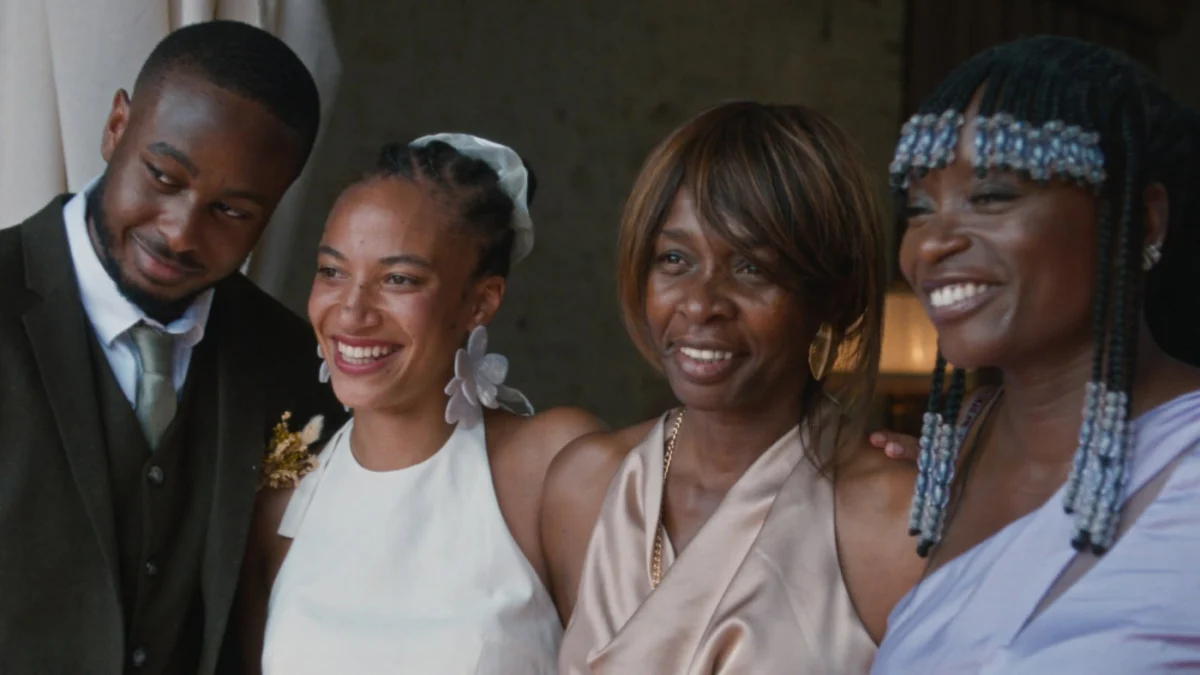
The primary focus of the discussion was Alain Gomis’s Dao. Described by the critics as a "family epic," the film marks a significant turn in Gomis’s career. The narrative structure, which spans generations and geographical boundaries, was praised for its ability to balance intimate domestic struggles with broader societal shifts. Gomis, known for his patient, observational style, brings a rhythmic quality to the film that anchors its sprawling plot. It is a work that demands patience, rewarding the viewer with a profound understanding of the interconnectedness of familial legacies.
The Hanging of Stuart Cornfeld (Joan Bofill Amargós)
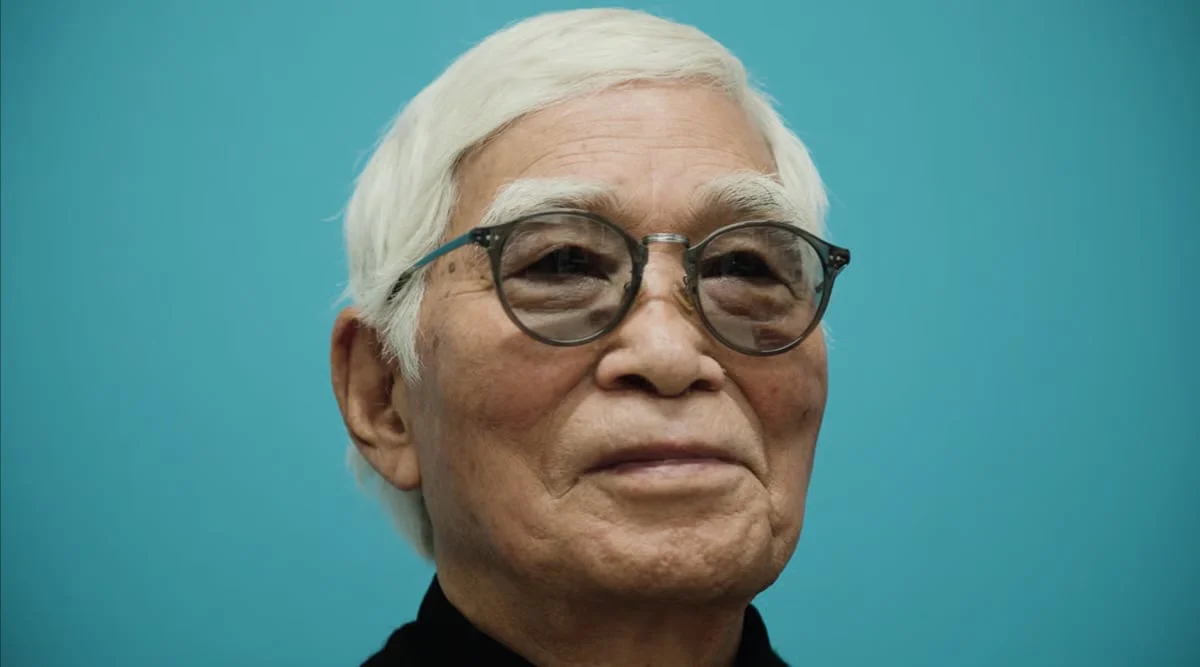
Shifting from the epic to the biographical, the podcast turned to The Hanging of Stuart Cornfeld, a documentary portrait of the legendary Hollywood producer. Cornfeld, a figure who operated largely in the shadows of the studio system, is given a complex, warts-and-all treatment by director Joan Bofill Amargós. The film does not merely serve as a tribute; it acts as an investigation into the machinery of American film production during the late 20th century. For those interested in the "how" of movie-making, the documentary offers a fascinating glimpse into the life of a man who facilitated the visions of some of cinema’s most idiosyncratic directors.
The Ink-Stained Hand and the Missing Thumb (Yashasvi Juyal)
Clinton Krute highlighted Yashasvi Juyal’s The Ink-Stained Hand and the Missing Thumb, a work of magical realism that has become a sleeper hit at the festival. In a landscape often dominated by gritty realism, Juyal’s film stands out for its whimsical, yet deeply felt, visual language. The film’s ability to weave the fantastic into the mundane serves as a testament to the power of subjective storytelling, proving that the festival is still a home for filmmakers willing to take significant stylistic risks.
3 Weeks After (Miroslav Terzić)
Rounding out the discussion, Robert Daniels championed Miroslav Terzić’s 3 Weeks After. This film serves as a stark, tense portrait of childhood bullying. Unlike many films that tackle this subject with a didactic or overly moralistic tone, 3 Weeks After is characterized by its psychological claustrophobia. The film’s power lies in its restraint; by focusing on the immediate aftermath of a traumatic event, Terzić creates an environment of mounting dread that is as uncomfortable as it is necessary.

The Economic and Cultural Implications
The 60th KVIFF arrives at a time of flux for the film industry. With the rise of streaming platforms and the shifting landscape of theatrical distribution, festivals have become more critical than ever as gatekeepers and curators. Karlovy Vary’s specific contribution is its ability to highlight regional cinema that might otherwise be eclipsed by the sheer volume of content produced in the West.
The inclusion of films from the Czech Republic, Serbia, and India in the main conversation illustrates the festival’s commitment to a truly global perspective. The financial support provided by the festival’s sponsors and the continued attendance of international buyers ensure that these films do not merely exist within the confines of a spa town but have a pathway to wider audiences.
Furthermore, the "Summer 2026" issue of Film Comment serves as a permanent record of these ephemeral experiences. By documenting the buzz surrounding these films, the magazine plays an essential role in canon-building. When a critic like Robert Daniels highlights a film like 3 Weeks After, it provides a signal boost that can translate into distribution deals, festival circuit longevity, and, ultimately, the survival of the auteur-driven film.
Challenges and Opportunities for the Future
Despite the celebratory tone of the 60th anniversary, the festival faces the ongoing challenge of maintaining its relevance in a post-pandemic era. The logistical difficulty of traveling to a remote town in the Czech Republic is offset by the quality of the programming, yet the competition from other major festivals remains fierce.
However, the consensus among attendees this year is that Karlovy Vary remains irreplaceable. The "hidden gems" mentioned by Krute are not just marketing fodder; they represent a genuine commitment to discovering talent. As the industry grapples with questions of AI-generated content and the potential homogenization of cinema, the human element—the specific, lived-in experience of filmmakers like Gomis and Terzić—becomes a premium commodity.
Conclusion: A Call to Continued Engagement
The 60th Karlovy Vary International Film Festival is more than a series of screenings; it is an act of cultural preservation. By providing a platform for voices as diverse as Juyal and Bofill Amargós, the festival ensures that the conversation around cinema remains inclusive and intellectually rigorous.
For those unable to attend the screenings in the Czech Republic, the Film Comment podcast and the accompanying "Summer 2026" issue offer an essential bridge to the experience. Whether one is a seasoned festival-goer or a curious cinephile, the insights shared by Clinton Krute and Robert Daniels provide a roadmap to the films that will likely define the discourse for the remainder of the year.
As the festival moves into its second half, the anticipation for the closing night awards continues to build. Yet, as the participants in the Film Comment podcast demonstrated, the true value of Karlovy Vary lies not in the trophies, but in the shared experience of discovery—the moment the lights go down in a century-old theater and the audience is transported to the worlds of Dao or the haunting corridors of 3 Weeks After.
To stay informed on the evolving festival landscape and to access in-depth critical analysis of the films discussed, readers are encouraged to subscribe to Film Comment. In an era of infinite content, the curated voice of the critic remains our most reliable guide to the cinematic landscape.