The Cannes 2026 Dispatches: Unpacking the Festival’s Opening Salvos
The 2026 Cannes Film Festival has officially descended upon the Croisette, transforming the French Riviera into the global epicenter of cinephilia. As the Film Comment team settles into the frantic, high-stakes atmosphere of the Palais des Festivals, the buzz surrounding this year’s competition slate is palpable. With a roster featuring titans of world cinema—including Ryūsuke Hamaguchi, Valeska Grisebach, James Gray, and Paweł Pawlikowski—the festival promises a rigorous exploration of contemporary human experience.
To navigate the deluge of premieres and the ensuing critical discourse, the Film Comment podcast has launched its daily series of dispatches. In the latest installment, Film Comment editor Devika Girish was joined by esteemed critics Katie McCabe (Sight and Sound) and Alison Willmore (New York Magazine, Vulture) to dissect the most polarizing and anticipated screenings of the early festival schedule.
The Cinematic Landscape: Main Highlights and Critical Reception
The core of the recent discussion centered on the weight of expectation. Cannes 2026 is not merely a showcase for established auteurs; it is a battleground for competing visions of what cinema can achieve in an increasingly fragmented cultural landscape.
Fatherland: The Pawlikowski Return
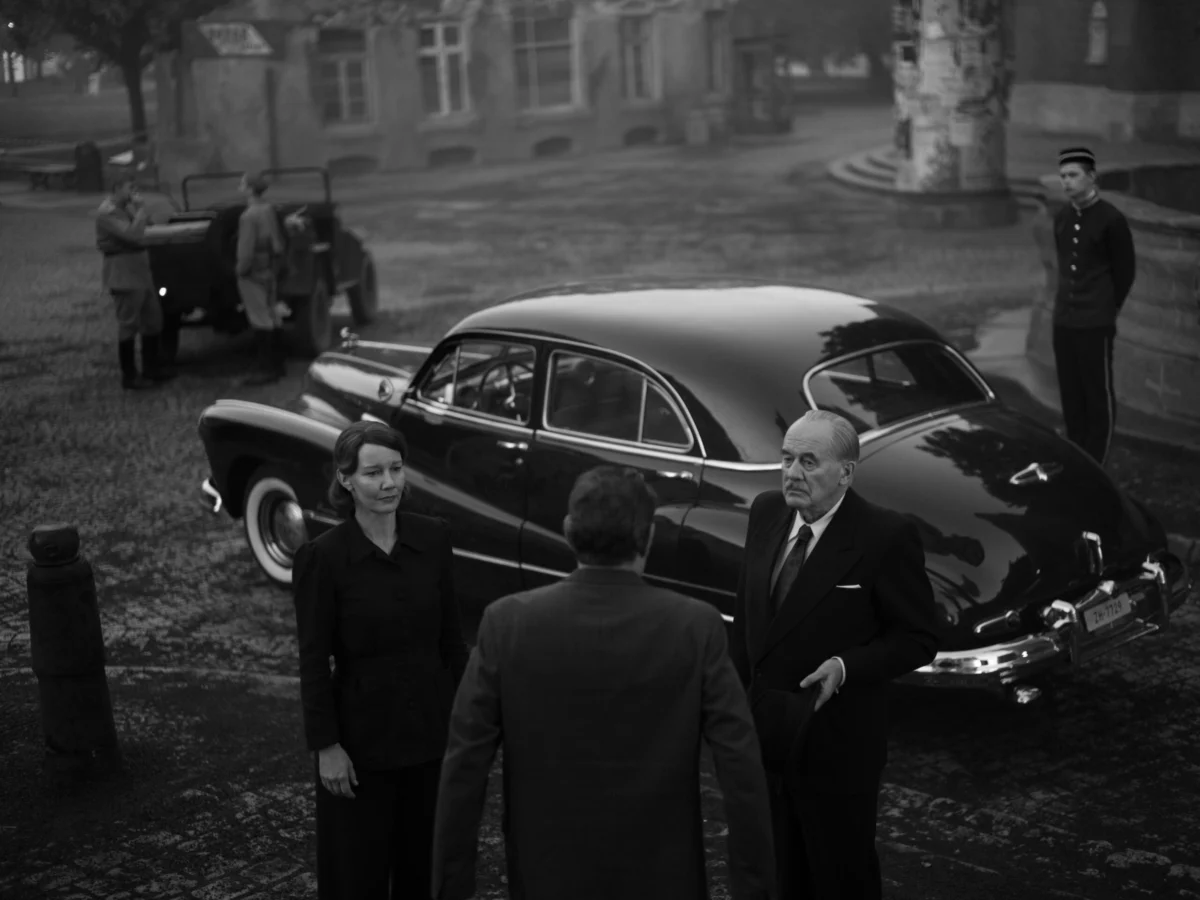
The conversation opened with Paweł Pawlikowski’s Fatherland, arguably the most discussed film of the festival’s opening days. Pawlikowski, known for his austere aesthetic and deep historical excavations, has returned to the spotlight with a film that challenges the viewer’s relationship with national identity and personal legacy. McCabe and Willmore engaged in a nuanced debate regarding the film’s visual language, noting that while Pawlikowski remains a master of framing, Fatherland suggests a departure toward a more elliptical, perhaps more challenging, narrative structure than his previous works.
Nagi Notes: Fukada’s Quiet Mastery
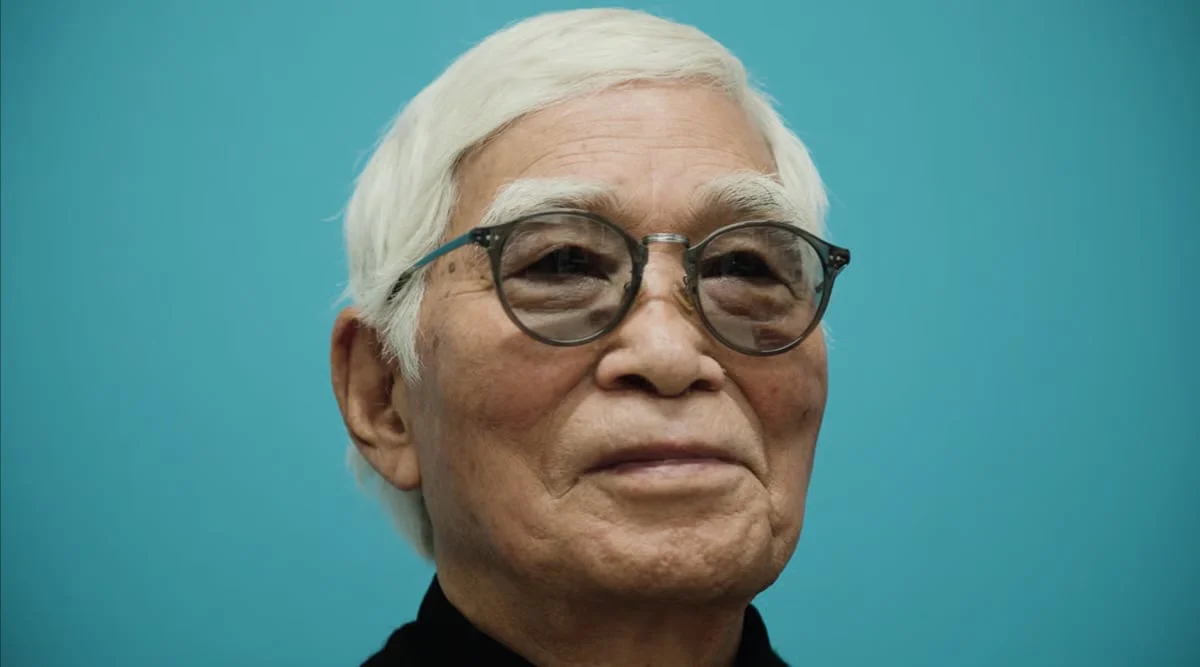
Transitioning from the grand scale of Pawlikowski, the critics turned their attention to Kōji Fukada’s Nagi Notes. If Fatherland represents the "event" cinema of Cannes, Nagi Notes serves as the essential counterweight—a subtle, character-driven piece that favors interiority over spectacle. Fukada, a festival favorite, continues to refine his ability to map the shifting tectonic plates of human relationships with minimal artifice.
Parallel Tales: The Farhadi Factor
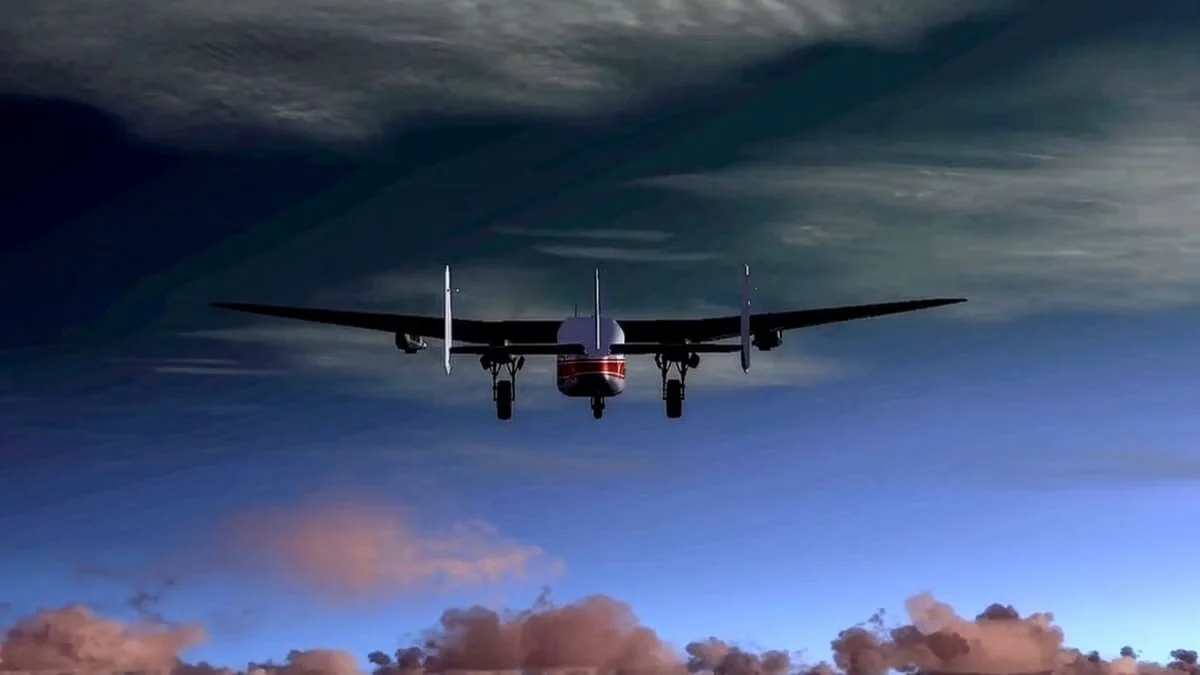
Perhaps the most surprising inclusion in the early discourse was Asghar Farhadi’s Parallel Tales. Farhadi, a director whose work is synonymous with social realism and moral complexity, appears to have pivoted toward a more heightened, almost "soapy" register. This shift prompted a lively debate among the critics regarding the efficacy of melodrama as a vehicle for the director’s signature thematic preoccupations—specifically, the friction between domestic obligation and social pressure.
Documentary Perspectives and Genre Experiments
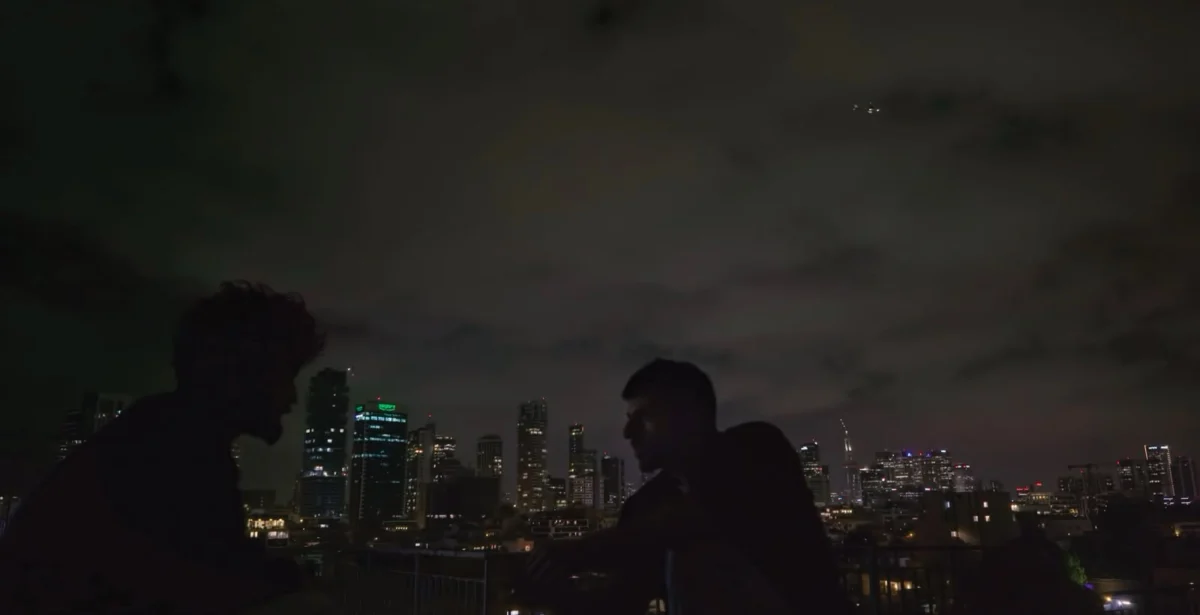
The podcast also cast a wide net, discussing Maxence Voiseux’s documentary Gabin, which provides a gritty, intimate look at observational filmmaking. To conclude, the group revisited Jane Schoenbrun’s Teenage Sex and Death at Camp Miasma. The film’s presence at Cannes underscores the festival’s evolving strategy to embrace genre-adjacent work that pushes the boundaries of independent cinema, particularly regarding the intersection of identity, trauma, and digital-age aesthetics.
Chronology of the 2026 Festival Experience
The rhythm of Cannes is defined by a rigid, yet often chaotic, daily cadence. For the Film Comment team, the experience is structured around the transition from the morning press screening to the late-night editorial synthesis.
- The Morning Rush: The festival begins each day at 8:30 AM with the first press screenings. This is where the initial consensus—or conflict—is born.
- The Midday Analysis: Following the screenings, journalists congregate in the press center or at nearby bistros to exchange notes. It is here that the early "hot takes" are refined into the critical analysis that will define the festival’s narrative.
- The Podcast Recording: Following the second or third major screening of the day, the Film Comment crew reconvenes to record their dispatches. This process is crucial for capturing the raw, immediate reaction to the films before the festival’s collective fatigue sets in.
- The Evening Premiere: The red carpet events, marked by high fashion and intense public scrutiny, serve as the formal bookend to the professional workday, often followed by the festival’s legendary late-night afterparties.
Supporting Data: Why Cannes 2026 Matters
The significance of the 2026 lineup cannot be overstated. According to early attendance figures and social media sentiment analysis, this year has seen a marked increase in international press participation compared to the 2025 iteration. The diversity of the selection—spanning from the return of Russian-born masters to the rise of young, genre-fluid filmmakers like Schoenbrun—suggests a concerted effort by the Cannes selection committee to broaden the festival’s reach.
Furthermore, the "Cannes Critics’ Grid," a fixture of the festival’s intellectual infrastructure, has already begun to reflect a wide dispersion of star ratings. This volatility in critical reception is indicative of a year where "consensus" may be impossible to reach, suggesting a festival defined by subjective, intense experiences rather than a singular, crowning masterpiece.
Official Responses and Industry Implications
The festival management has remained tight-lipped regarding the ongoing rumors of a potential industry shift toward shorter distribution windows, but the programming choices speak volumes. By platforming a mix of high-budget international co-productions and experimental, low-budget documentaries, the festival is effectively hedging its bets.
The industry at large is watching Cannes 2026 with bated breath. The implications of these premieres go beyond the red carpet. For distributors, the reception of films like Fatherland will dictate market appetite for auteur-driven dramas throughout the remainder of the year. For the directors, a favorable mention in the Film Comment dispatch or a high placement on the Critics’ Grid can provide the necessary momentum to carry a film through the awards season and into the consciousness of global audiences.
Implications for the Future of Cinephilia
The dialogue between Katie McCabe, Alison Willmore, and Devika Girish serves as a microcosm of the broader shifts in film criticism. We are witnessing a transition where the traditional "gatekeepers" of high culture are increasingly engaged in a dialogue with newer, more experimental modes of storytelling.
The inclusion of films like Teenage Sex and Death at Camp Miasma alongside the works of masters like Pawlikowski signifies that the definition of "prestige" is under renegotiation. The Cannes Film Festival is no longer merely a temple for the traditional canon; it is becoming a laboratory for the future of the medium.
As the festival moves into its second week, the questions raised by these early screenings will only intensify. Will the "soapy" elements of Farhadi’s work alienate his core base, or will they invite a broader audience to engage with his moral dilemmas? Can Pawlikowski’s Fatherland sustain its momentum to become the definitive film of the year? And, most importantly, how will the digital-first generation of filmmakers continue to reshape the festival’s identity?
For those following the festival from afar, the Film Comment dispatches remain an essential lifeline. By bridging the gap between the frantic energy of the Croisette and the thoughtful, measured analysis of professional criticism, these podcasts serve as the primary record of an event that, in its essence, is as ephemeral as the light on a cinema screen.
To stay fully immersed in the unfolding narrative of Cannes 2026, including the full roster of reviews, deep-dive interviews, and daily podcast updates, readers are encouraged to subscribe to the Film Comment letter. The summer 2026 issue of the publication will provide a comprehensive look at the films discussed here, cementing their place in the ongoing history of the world’s most vital film festival.