A Week of Sonic Excellence: High-Profile Premieres and Their Masterful Scores
As the streaming landscape continues to evolve, the intersection of narrative storytelling and musical composition has never been more vital. From the haunting echoes of ancient disasters to the frantic humor of modern comedies, this week’s release slate—stretching from July 22 to July 24, 2026—highlights a sophisticated range of musical talent. This report examines the upcoming premieres of four major projects, detailing the composers behind the soundscapes and the industry implications of these high-profile collaborations.
Chronology of Premieres
The coming days represent a significant convergence of platforms, including National Geographic, HBO Max, Netflix, and Apple TV. The following timeline tracks the arrival of these highly anticipated titles:
- Wednesday, July 22: Pompeii: Out of Time (National Geographic/Disney+/Hulu)
- Thursday, July 23: Stuart Fails to Save the Universe (HBO Max)
- Friday, July 24: 72 Hours (Netflix)
- Friday, July 24: The Dink (Apple TV)
I. Historical Gravity: Pompeii: Out of Time
The Narrative Scope
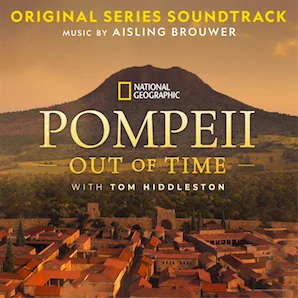
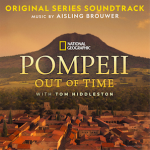
National Geographic’s Pompeii: Out of Time arrives as a flagship event series. Hosted by the acclaimed Tom Hiddleston, the three-part docudrama seeks to provide a definitive look at the final hours of the Roman city. Under the direction of Tom Barbor-Might, who also serves as showrunner alongside an executive team including Grant Mansfield and Kevin R. Wright, the series blends historical rigor with high-stakes dramatic reenactment.
The Musical Vision: Aisling Brouwer
The task of scoring this visceral historical journey falls to Aisling Brouwer. Known for her work on The Buccaneers and Lioness: The Nicola Adams Story, Brouwer brings a unique atmospheric sensibility to the project. Her score is designed to bridge the gap between the antiquity of the subject matter and the urgency of modern documentary storytelling.
Hollywood Records has announced a formal soundtrack release for the score on July 24, allowing listeners to experience Brouwer’s compositions as a standalone work. This highlights the growing trend of treating documentary scores with the same prestige as blockbuster feature film soundtracks.
II. The Comedy Vanguard: Stuart Fails to Save the Universe
A New Chapter in the Big Bang Universe
On July 23, HBO Max launches Stuart Fails to Save the Universe, a much-discussed spinoff of the The Big Bang Theory franchise. With a creative team spearheaded by comedy titans Chuck Lorre, Zak Penn, and Bill Prady, the series features Kevin Sussman reprising his role as Stuart, joined by an ensemble including Lauren Lapkus, Brian Posehn, and John Ross Bowie.
An Iconic Collaboration
The music for this series is a masterclass in industry pedigree. The original score is composed by the prolific Joseph LoDuca, whose career spans cult classics like The Evil Dead and Xena: Warrior Princess to modern hits like Chucky and The Librarians.
Perhaps most notably, the main title theme is provided by Danny Elfman. Bringing the legendary composer of Batman and The Nightmare Before Christmas onto a sitcom spinoff signals HBO Max’s intent to elevate the series with premium sonic branding. The marriage of LoDuca’s narrative-driven score and Elfman’s idiosyncratic title music provides a dual-layer musical identity that is rare for a television comedy.
III. Action and Athletics: 72 Hours and The Dink
Netflix’s High-Octane 72 Hours
Friday, July 24, brings a double dose of high-profile feature films. First, Netflix premieres 72 Hours, a new action-comedy directed by Tim Story. The film features a massive star-studded cast, including Kevin Hart, Teyana Taylor, and Andy Garcia.
The score is provided by Christopher Lennertz, a composer who has become synonymous with the "action-comedy" genre through his work on The Boys, Ride Along, and Sausage Party. Lennertz’s ability to balance rapid-fire comedic timing with high-stakes orchestral action is expected to be a driving force in the film’s pacing.
The Pickleball Phenomenon: The Dink
Rounding out the week on Apple TV is The Dink, a sports comedy directed by Josh Greenbaum. Given the massive cultural surge of pickleball, the film’s premise—bolstered by a cast that includes Ben Stiller, Ed Harris, and tennis legends John McEnroe and Andy Roddick—is positioned to capture a wide demographic.
Composer Dara Taylor has been tapped for the score. Following her acclaimed work on Ironheart and The Tender Bar, Taylor is gaining a reputation for crafting scores that are both character-focused and tonally distinct. For The Dink, her challenge lies in capturing the lighthearted, often absurd nature of the sport while maintaining the stakes of a competitive comedy.
Supporting Data: Composer Profiles
| Composer | Notable Project | Industry Impact |
|---|---|---|
| Aisling Brouwer | Pompeii: Out of Time | Renowned for atmospheric, immersive soundscapes. |
| Joseph LoDuca | Stuart Fails… | Veteran of genre-defining television scores. |
| Danny Elfman | Stuart Fails… | Iconic composer; adds prestige to the series’ branding. |
| Christopher Lennertz | 72 Hours | Expert in balancing comedy and high-octane action. |
| Dara Taylor | The Dink | Rising star known for versatile and emotional character scoring. |
Official Perspectives and Industry Implications
The Value of the "Prestige Documentary"
The decision by National Geographic to commission an original score for Pompeii: Out of Time and release it via Hollywood Records reflects a shift in how docudramas are perceived. In an era where audiences are inundated with content, high-quality production value—specifically in sound design—acts as a differentiator. By pairing a historical subject with a composer of Brouwer’s caliber, the network elevates the educational value into a cinematic experience.
Brand Extension Through Music
In the case of Stuart Fails to Save the Universe, the inclusion of Danny Elfman is a strategic move. Spinoffs of established intellectual property often rely on nostalgia; by hiring a legend like Elfman for the title theme, HBO Max bridges the gap between the "familiar" world of The Big Bang Theory and the "new" creative direction of the show. It is a clear example of using music as a marketing tool to signify quality and novelty simultaneously.
The "Star-Director-Composer" Ecosystem
The collaboration between Tim Story and Christopher Lennertz on 72 Hours is a classic example of established industry shorthand. When a director and composer have a history of successful projects, the post-production process becomes more efficient, allowing for a more cohesive final product. This "trusted partnership" model is increasingly favored by major streamers like Netflix to ensure that high-budget films meet tight release deadlines without sacrificing musical quality.
Implications for Future Programming
As we look toward the remainder of 2026, several trends are clear:
- Soundtrack Availability: The rise of simultaneous soundtrack drops (as seen with Pompeii) suggests that streamers and studios are increasingly viewing music as a valuable auxiliary revenue stream and a way to extend the "life" of a property post-release.
- Genre Blending: Composers are being asked to navigate more complex tonal shifts. Whether it is the tragedy of a volcanic eruption or the irony of a sitcom, the modern film composer must be a versatile polymath.
- Cross-Platform Competition: With content hitting Disney+, Hulu, HBO Max, Netflix, and Apple TV in the span of 48 hours, the competition for the "sonic ear" of the audience is fiercer than ever. The quality of the score is no longer just a background element; it is a vital component of the user interface—the first thing that sets the tone for a viewer deciding what to click on next.
In conclusion, the week of July 22, 2026, serves as a microcosm of the current entertainment industry. It is a landscape defined by massive investments in talent, the strategic use of music to build brand identity, and an unwavering commitment to high-production values across all genres. As these series and films debut, they will undoubtedly offer a masterclass in how modern music shapes the way we consume stories.