Cannes 2026: Dispatches from the Croisette as Auteurs Redefine the Cinematic Landscape
The 79th Cannes Film Festival has descended upon the French Riviera with a renewed sense of urgency. As the Film Comment editorial team navigates the bustling Palais des Festivals, the atmosphere is electric, charged by a slate of films that challenge the traditional boundaries of narrative and form. While the glitz and glamour of the red carpet provide the familiar aesthetic of Cannes, the intellectual heartbeat of the festival is found in the darkened screening rooms, where global masters are currently testing the limits of the medium.
In our latest podcast episode, Film Comment editor Devika Girish is joined by Sight and Sound’s Isabel Stevens and noted film scholar Neta Alexander. Together, they dissect the most polarizing and anticipated works from the Competition and sidebars, offering a critical roadmap through the deluge of 2026 premieres.
The Cinematic Pulse of Cannes 2026: A Chronology of Notable Premieres
The 2026 edition of Cannes is being hailed as a "Director’s Renaissance." The lineup boasts a staggering array of talent, including Ryūsuke Hamaguchi, Valeska Grisebach, James Gray, and Paweł Pawlikowski. However, the early discourse has been dominated by a specific quartet of films that suggest a thematic shift toward introspection, legal rigidity, and the visceral nature of the human experience.
The Competition Slate
The primary focus of this year’s festival has been the Competition titles, which have set a high bar for the Palme d’Or.
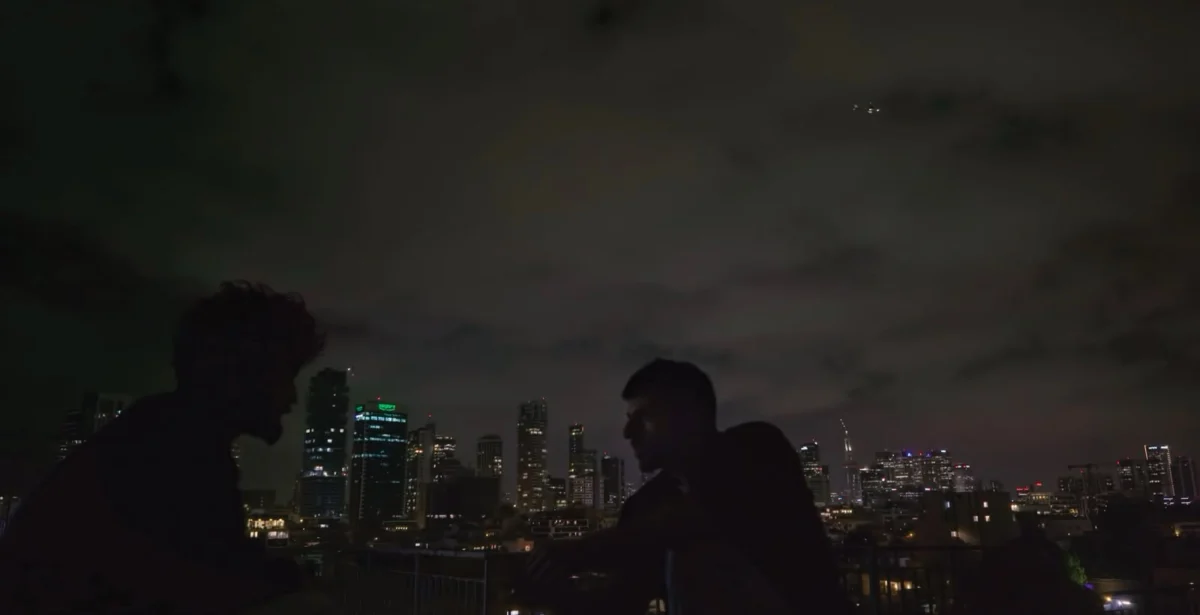
- Cristian Mungiu’s Fjord (3:15): The Romanian auteur returns to the festival with a film that pivots away from the social realism of his previous works toward a high-stakes legal thriller. Fjord is a clinical, icy exploration of justice in a fractured European landscape.
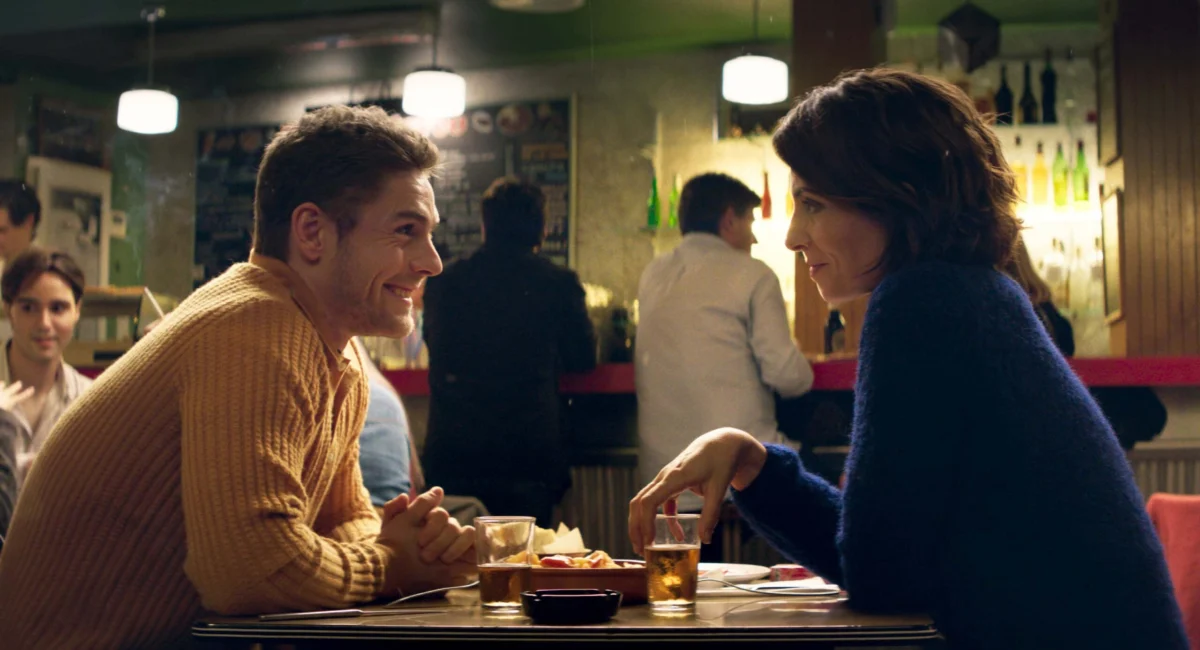
- Pedro Almodóvar’s Bitter Christmas (19:25): Perhaps the most buzzed-about title of the week, Almodóvar’s latest is a self-reflexive drama that mirrors his own career trajectory. It is a work of startling vulnerability, cementing his status as a filmmaker capable of reinventing himself even after decades of international acclaim.
The Innovation of Sidebars
Beyond the Competition, the Un Certain Regard and Directors’ Fortnight programs have provided essential counter-programming.
- Sandra Wollner’s Everytime (26:00): Premiering in Un Certain Regard, Wollner’s film serves as a haunting meditation on memory and the passage of time, showcasing her distinctively Austrian approach to atmospheric tension.
- Dominga Sotomayor’s La perra (32:50): Selected for the Directors’ Fortnight, this Chilean production has been praised for its raw, unflinching look at power dynamics and domestic entrapment.
Supporting Data: The Global Reach of the 2026 Selection
The selection process for Cannes 2026 reflects a concerted effort by festival organizers to diversify perspectives while maintaining the prestige of established European auteurs. Data from the festival’s program office indicates that while the "heavy hitters" occupy the prime slots, there has been a 15% increase in non-European language films in the sidebar categories compared to 2024.
The "Cannes Critics’ Grid"—a staple for industry professionals—currently shows Bitter Christmas leading in average star ratings, though Fjord remains the most debated film in the press offices. The divide between critical acclaim and audience reception highlights the growing friction between the "film festival aesthetic" and the broader, shifting demands of global audiences.
Official Responses and Critical Discourse
The feedback from the ground has been robust. During our podcast discussion, Isabel Stevens and Neta Alexander emphasized that the strength of this year’s festival lies in its refusal to offer easy answers.
"What we are seeing with Mungiu’s Fjord," notes Stevens, "is a filmmaker who is no longer interested in the obvious societal critique. He is looking at the architecture of the law itself as a character. It is sterile, it is frightening, and it is entirely necessary for the current cultural moment."
Conversely, Neta Alexander suggests that Almodóvar’s Bitter Christmas represents a shift in the director’s later-period style. "Almodóvar is looking at his own legacy, but he isn’t being sentimental. He’s being forensic. It’s a brilliant, difficult, and profoundly human piece of art."
When asked for comment, a representative from the festival’s programming board stated: "The 2026 lineup is a response to the uncertainty of the world. We are not looking for films that provide comfort; we are looking for films that provide a framework for understanding our current instability."
Implications for the Future of Independent Cinema
The films presented at Cannes 2026, particularly the works of Mungiu, Almodóvar, Wollner, and Sotomayor, signal a broader trend in the film industry: the retreat into the "Internal Thriller." As global politics become increasingly volatile, filmmakers are shifting their focus away from the macro-narratives of the state and toward the micro-narratives of the individual caught within institutional or personal machinery.
1. The Death of the "Easy" Drama
There is a palpable fatigue among the critical establishment regarding conventional biopics or straightforward historical dramas. The success of Bitter Christmas suggests that audiences—and indeed, festival voters—are craving meta-narrative complexity.
2. The Rise of Global Regionalism
The presence of filmmakers like Dominga Sotomayor indicates that the "Cannes label" is no longer the sole preserve of European or American directors. The international market is increasingly looking to South America and Southeast Asia for the next generation of stylistic innovators.
3. The Institutionalization of the Festival Experience
As streaming services continue to dominate the home-viewing market, the "Cannes experience" is being rebranded as an elite, physical necessity. The high production values and the scale of the films selected this year emphasize the importance of the theater as a space for collective processing, rather than individual consumption.
Conclusion: Navigating the Remainder of the Festival
As we reach the midpoint of the festival, the Film Comment team remains committed to providing the most rigorous analysis available. The trajectory of the festival suggests that the Palme d’Or race will likely remain a contest between the established masters and the bold, experimental newcomers who have successfully disrupted the festival’s traditional expectations.
For those tracking the festival from afar, the upcoming weeks will be critical. The conversations started by Fjord and Bitter Christmas are expected to echo through the remainder of the year, influencing the awards circuit and shaping the cultural discourse surrounding the future of the moving image.
To stay fully abreast of our ongoing analysis, including our deep dives into the technical craft of these films and our exclusive interviews with the filmmakers, subscribe to Film Comment and follow our daily dispatches from the Croisette. The 2026 festival is not just a showcase of film; it is a laboratory of the human experience, and we are here to document every discovery.
This story is part of the Summer 2026 issue of Film Comment. To read more exclusive content and support independent film journalism, sign up now for The Film Comment Letter.