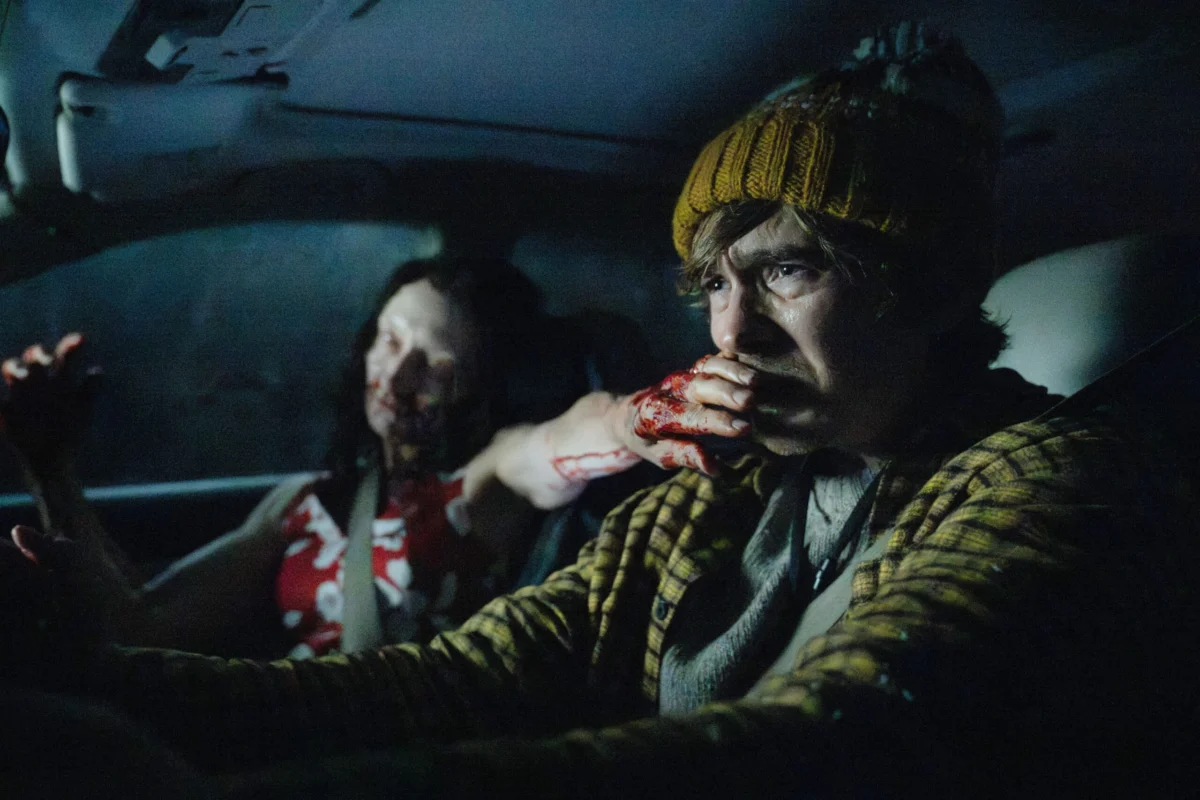
Box Office Resurrection: How Zach Cregger’s R-Rated ‘Resident Evil’ Reboot Is Set to Reanimate the Fall Movie Season
By the Entertainment Desk
Published: September 2026
Main Facts: A Much-Needed Shock to the Early Fall Box Office
Movie theater operators, facing a typically sluggish post-summer lull, are banking heavily on a terrifying dose of the undead to inject some life into the early fall box office. Sony Pictures’ bold horror-comedy reboot of the legendary zombie-infested Resident Evil property is tracking toward a muscular domestic debut, with projections targeting an opening weekend between $40 million and $50 million.
However, fueled by unexpectedly strong early reviews, enthusiastic critical reception, and glowing word-of-mouth metrics across social media, independent tracking services and rival studio executives believe those initial domestic ticket sales could comfortably surpass $50 million. Some optimistic box office analysts even suggest the film could near the $60 million mark by Sunday evening.
As the weekend’s singular major nationwide release, the movie will face virtually zero direct competition, easily securing the No. 1 spot on domestic charts. The film stands as a critical test for both the resilience of legacy video game adaptations and the commercial pull of its visionary director. Sony invested $75 million in the production budget for the movie—the second theatrical remake and the eighth overall installment in the expansive horror-action franchise. Exhibitors are particularly ecstatic because this fresh take on the property was helmed by Zach Cregger, a filmmaker whose stock has skyrocketed following his last cinematic outing.
Chronology: From 1996 Capcom Classic to Cregger’s 2026 Gorefest
To understand the monumental nature of this weekend’s box office tracking, one must trace the winding, multi-decade evolution of the Resident Evil franchise.
- 1996: Japanese gaming giant Capcom launches the original Resident Evil survival horror video game on the PlayStation, defining a genre and establishing a multi-billion-dollar multimedia powerhouse that would eventually span dozens of sequel games, novels, merchandise, and audiovisual adaptations.
- 2002: Director Paul W.S. Anderson brings the property to the big screen for the first time with Resident Evil, starring Milla Jovovich as Alice, a former corporate security specialist and covert operative battling the Umbrella Corporation.
- 2000s–2010s: Jovovich reprises her role as Alice across five high-grossing follow-up films. Together, this original hexalogy generates over $1 billion globally, holding the title of the highest-grossing film series based on video games for many years.
- 2010: Resident Evil: Afterlife, the fourth film in the series, establishes the franchise watermark by launching to $26 million domestically and racing to a massive $300 million worldwide theatrical finish.
- 2021: In an attempt to pivot closer to the source material’s horror roots, Sony releases Resident Evil: Welcome to Raccoon City, a lower-budget reboot directed by Johannes Roberts. It proves to be a critical and commercial misfire, grossing just $42 million worldwide against a $25 million production budget, which included a sluggish $5.3 million domestic opening.
- August 2025: Zach Cregger electrifies the late-summer box office with Weapons, an R-haired original thriller about students going missing overnight. Produced on a modest $38 million budget, it opens to $43 million, morphs into a massive sleeper hit, finishes its global run with $270 million, and earns an Academy Award for supporting actress Amy Madigan.
- Fall 2026: Sony positions Cregger’s newly minted Resident Evil reboot as the premier cinematic event of September, capitalizing on his burgeoning reputation as a master of modern horror and suspense.
Supporting Data: Franchise Comparisons and Box Office Metrics
A deeper dive into the numbers reveals just how unprecedented this weekend’s box office trajectory is for the Resident Evil brand. Historically, the property has been a reliable, mid-tier theatrical earner rather than a runaway domestic blockbuster.
- Franchise Openings: Every single installment of the original Milla Jovovich-led hexalogy opened domestically in the $20 million range (unadjusted for inflation).
- The Low Point: The 2021 reboot, Welcome to Raccoon City, severely damaged the brand’s theatrical momentum by stumbling out of the gate with a mere $5.3 million domestic debut.
- The New Peak: By tracking at $40 million to $60 million domestically, Cregger’s 2026 reboot is set to more than double the opening weekend of any previous film in the 24-year history of the cinematic franchise.
Comparing this project to Cregger’s previous triumph, Weapons, highlights the studio’s confidence. While Weapons was an original concept built on mystery and psychological dread, Resident Evil brings pre-existing intellectual property power combined with a larger $75 million budget. Yet, the DNA of both films shares a commitment to gritty, uncompromising R-rated thrills, practical creature effects, and tense, character-driven storytelling.
In the film, Cregger reunites with Weapons breakout star Austin Abrams. Abrams takes center stage as a resilient medical courier forced to fight his way through a catastrophic viral outbreak of ravenous, mutated monsters trapped inside the quarantine zone of Raccoon City.
Critical reception has leaned heavily positive. Writing for Variety, chief film critic Owen Gleiberman praised the picture, declaring it "different, and much better, than the other ‘Resident Evil’ movies." Critics have universally commended the movie’s practical effects, visceral pacing, and Cregger’s ability to inject genuine atmospheric terror into a corporate-owned cinematic universe.
Official Responses and Industry Commentary
Studio executives, theater owners, and independent analysts have all weighed in on what this box office surge means for the autumn slate.
Exhibitors, still nursing wounds from intermittent distribution gaps over the summer, are breathing a collective sigh of relief. Major theater chains have noted a surge in advanced ticket sales, particularly among younger demographics and gaming enthusiasts who felt alienated by the mid-2010s action-heavy sequels and the underwhelming 2021 reboot.
Sony Pictures distribution heads expressed cautious optimism leading into the weekend, though independent tracking firms have been the loudest voices predicting an upside surprise. "When you pair a historically sticky intellectual property with a director who has just proven he can capture the cultural zeitgeist like Zach Cregger did with Weapons, you get a lightning-in-a-bottle scenario," notes one prominent independent box office analyst. "Audiences are craving genuine thrills, and they trust Cregger not to talk down to them."
Meanwhile, other studios are adjusting their chessboard. While Resident Evil commands the cultural conversation this weekend, older holdovers are trying to carve out longevity. Warner Bros.’ Practical Magic 2 is attempting to stabilize after a rough opening frame, while late-summer heavyweights like Disney’s Spider-Man: Brand New Day and historical epic The Odyssey continue to pull in steady family and prestige demographics on giant-screen formats.
Implications: What This Means for the Fall Movie Season and Beyond
The success of the Resident Evil reboot carries significant ripple effects for the broader film industry as the autumn theatrical window unfurls.
1. The Validation of Video Game Adaptations
Following a string of massive television and film successes based on interactive media (ranging from The Last of Us to The Super Mario Bros. Movie), studios have grown increasingly aggressive in mining gaming catalogs. However, horror-centric game adaptations have historically struggled to achieve true prestige or box office dominance. If Cregger’s film hits or exceeds the $50 million mark, it proves that auteur-driven, high-concept horror can elevate video game properties far beyond nostalgic cash-grabs, opening the door for more directors with distinct stylistic visions to tackle established gaming universes.
2. Zach Cregger’s Ascendance as a Master of Modern Horror
With Weapons earning critical acclaim, awards recognition, and massive profitability, and now Resident Evil setting box office records for its franchise, Zach Cregger is officially cementing his status as one of Hollywood’s most reliable and exciting genre auteurs. Studios are likely to grant him unprecedented creative control over future original projects and high-profile adaptations alike.
3. A Crowded and Heating Fall Slate
While this weekend is dominated entirely by Cregger’s zombie-slaying epic, the rest of September and October are poised to accelerate rapidly. The coming weekend brings a fierce, three-pronged box office battle:
- Paramount Pictures’ high-stakes survival thriller Heart of the Beast, headlined by Brad Pitt.
- Universal Pictures and DreamWorks Animation’s family-oriented animated adventure Forgotten Island.
- A24’s gritty, ripped-from-the-headlines To Catch a Predator-inspired drama Primetime, starring Robert Pattinson.
Furthermore, Disney is capitalizing on the fall atmosphere by orchestrating a strategic theatrical re-release of Avengers: Endgame, bringing the historic Marvel milestone back to the big screen to whip up fan fervor ahead of December’s highly anticipated Avengers: Doomsday.
Ultimately, while the autumn calendar is packed with prestige dramas, family animations, and star-studded survival epics, it is the blood-soaked corridors of Raccoon City that are saving the day. For movie theater operators searching for a box office savior, Zach Cregger and his horde of infected monsters have arrived right on time.