The Analog Renaissance: Why Generation Z is Reviving Physical Media in a Digital World
By: Editorial Desk (Based on ANTARA reports)
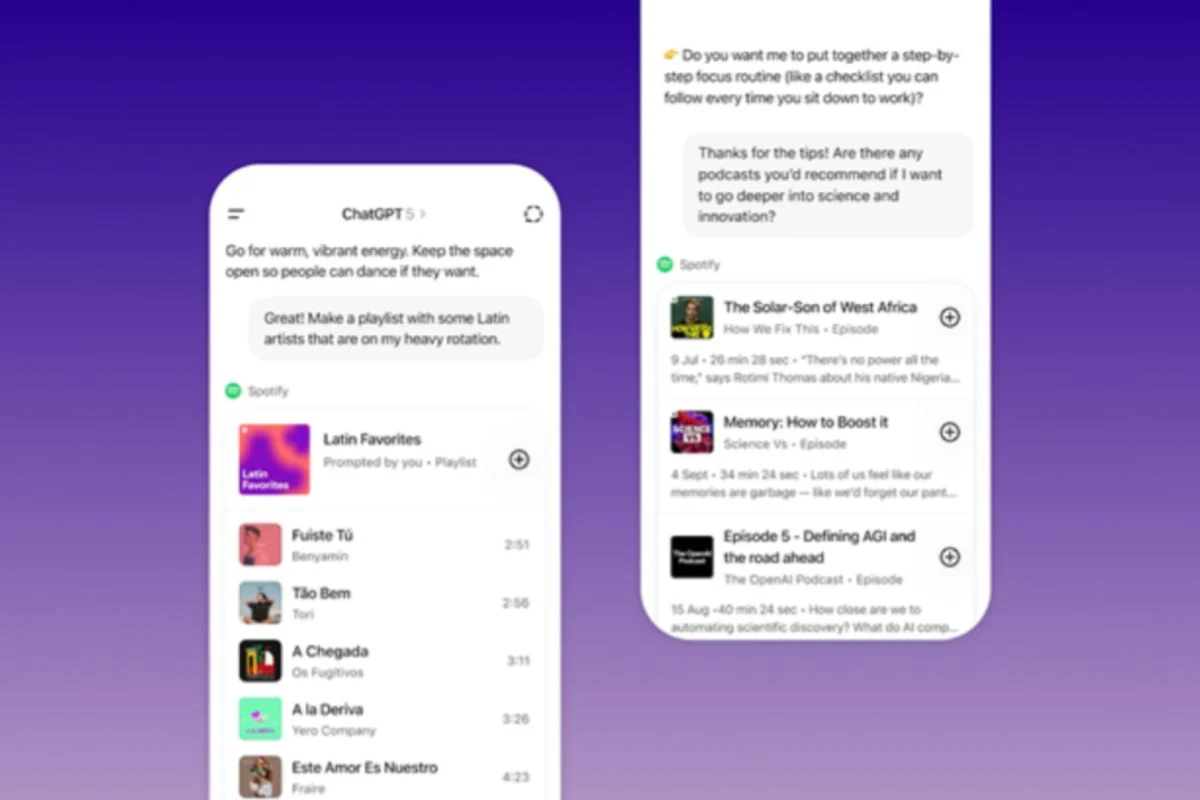
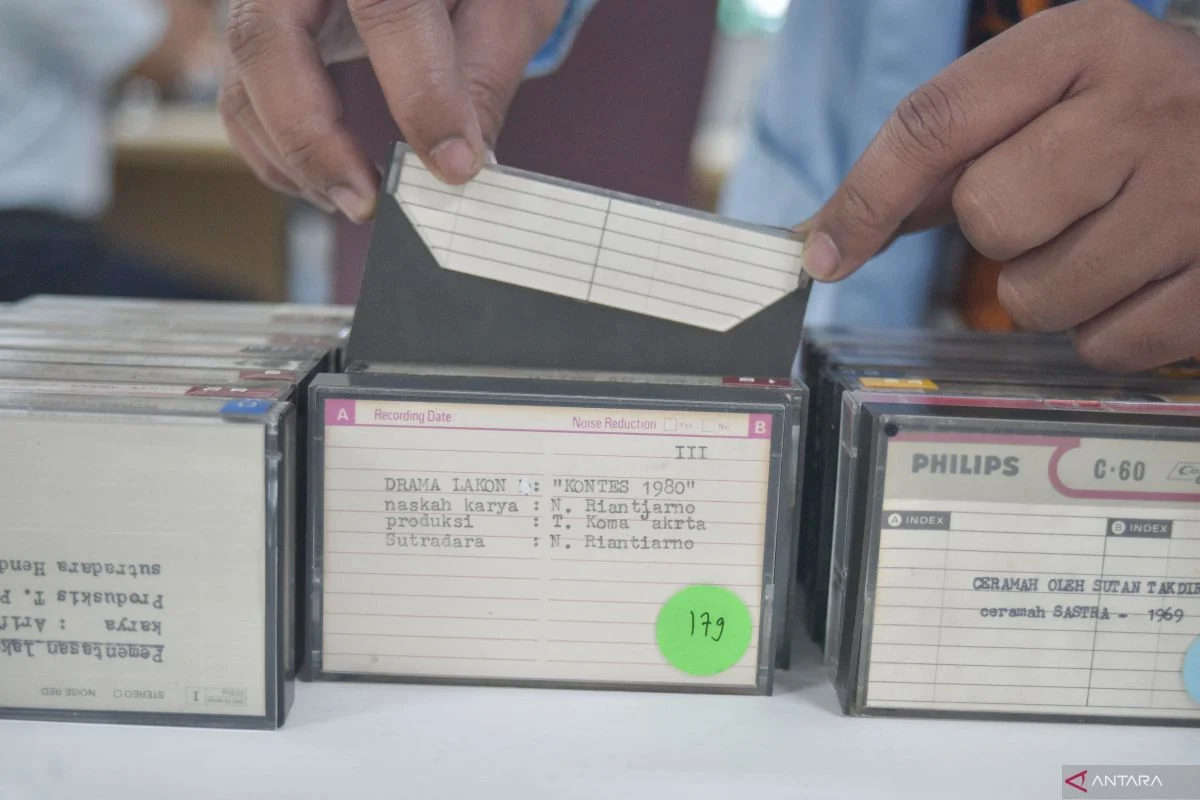
In an era defined by the infinite convenience of Spotify, Apple Music, and cloud-based streaming, a counter-intuitive trend has taken hold among the youth. Despite having the world’s music library in their pockets, Generation Z and younger Millennials are increasingly turning to the tactile, imperfect, and deliberate experience of physical media. From the hiss of a cassette tape to the deliberate spin of a vinyl record, analog technology is witnessing a remarkable resurgence.
This shift is not merely a niche hobby for audiophiles; it has become a significant economic movement. Data from the Recording Industry Association of America (RIAA) highlights that CD sales in the United States hit 17.5 million units in the first half of 2026, a substantial increase from the 12 million units recorded during the same period the previous year. While streaming remains the dominant revenue driver for the global music industry, the "other physical" category—encompassing cassettes and niche formats—has surged by over 70 percent, signaling that physical media is far from obsolete.
The Chronology of the Digital-Analog Hybrid Era
The path to this resurgence did not happen overnight. For years, the industry operated under the assumption that physical formats were destined for the museum. However, the mid-2020s marked a pivot point.
- 2020–2022: The Pandemic Catalyst: Lockdowns forced consumers to seek "tangible" comfort at home. The rise of "cottagecore" and retro-aesthetic movements on social media platforms like TikTok began normalizing the ownership of vintage gear.
- 2023–2024: The Aestheticification of Music: Music discovery began to merge with interior design. Albums were no longer just audio files; they became "shelf-worthy" decor.
- 2025–2026: The Mainstream Shift: Major labels began re-releasing classic albums alongside new content in cassette and CD formats. The success of K-pop physical sales, often bundled with exclusive photo cards and collectibles, pushed the market into the mainstream consciousness, proving that the physical product is an experience, not just a storage medium.
Supporting Data: By the Numbers
The RIAA figures provide a stark reality check to the "digital-only" narrative. While streaming services like Spotify and Tidal account for the vast majority of industry revenue, the growth rate of physical media is outpacing expectations.
- CD Sales Resilience: The 17.5 million units sold in H1 2026 demonstrate that the CD is enjoying a "nostalgia cycle" similar to the vinyl revival that preceded it.
- Cassette Growth: Once considered the "disposable" format, the 70% growth in the "other physical" category is largely driven by limited-edition indie releases and nostalgia-seeking collectors.
- The "No-Player" Phenomenon: Market surveys indicate that a significant percentage of young buyers do not even own a functional CD player or tape deck. This confirms that the primary value proposition has shifted from utility to identity.
The Psychology Behind the Analog Shift
Why would a generation raised on high-fidelity, instant-access digital streaming choose to pay for a clunky, fragile piece of plastic? The answer lies in seven key pillars of consumer behavior.
1. The Quest for Intentionality
Streaming is passive; it is background noise. In contrast, selecting a physical album from a shelf, inspecting the artwork, and physically inserting the media requires a conscious decision to listen. This ritual elevates music from a commodity to an event.
2. Physical Ownership as Identity
In a world of subscription services, you never truly "own" your music—you rent access to a license. Owning a physical copy provides a sense of permanent possession. Displaying these items acts as a curated "identity wall," allowing individuals to signal their musical tastes and subcultural affiliations to visitors.
3. Retro-Nostalgia for the Unexperienced
Interestingly, much of this trend is driven by youth who never lived through the "golden age" of tapes or CDs. For them, these objects are not memories of their past, but rather artifacts of a "cool" aesthetic. The buttons, the analog meters, and the tactile nature of the gear provide a sensory satisfaction that a flat, glass smartphone screen simply cannot replicate.
4. The "Digital Fatigue" Factor
Constant connectivity has led to widespread screen fatigue. The desire to "unplug" while still engaging with art is a major driver. Analog media offers a way to interact with technology that doesn’t ping, vibrate, or demand an update.
5. Aesthetic Value and "Instagrammability"
The physical object—the cover art, the booklet, the texture of the plastic—is a design piece. In the era of social media, having a visually striking collection is a form of social currency. The resurgence of 1990s and early 2000s transparent, colorful plastic designs has made these devices highly sought-after fashion accessories.
6. Supporting the Artist
Fans are increasingly aware of how little streaming services pay artists. Purchasing a physical release is often viewed as a "direct-to-artist" contribution. When artists include merchandise, signed inserts, or limited-edition artwork, the transaction feels like a meaningful exchange rather than a corporate tax.
7. The Thrill of the Hunt
The act of collecting—searching for a specific edition, discovering rare pressings, and maintaining a library—is a hobby in itself. It turns the passive consumption of music into an active, gamified pursuit.
Implications for the Industry and Culture
The implications of this trend are multifaceted, affecting how labels release music and how consumers define value.
The Hybrid Future
It is vital to note that this is not a binary choice. The industry is not moving backward; it is expanding. The future of music consumption is hybrid. Most fans who buy vinyl or CDs also maintain premium streaming subscriptions. They use streaming for discovery and convenience, and physical media for immersion and collection.
Sustainability and Innovation
The environmental impact of physical media is a point of ongoing debate. However, we are seeing innovation in this space. For instance, students and researchers are exploring ways to repurpose "dead" media, such as transforming old CDs into solar panels or other sustainable materials, proving that the lifecycle of these objects can extend far beyond their musical utility.
Economic Opportunities
For independent artists, the physical format has become a lifeline. A band like Sajama Cut or Waiting Room can leverage the physical format to create a "collector’s item" that justifies a higher price point than a digital stream, effectively stabilizing their income streams in a volatile market.
Conclusion: The Persistence of the Tangible
As we look toward the latter half of the decade, the "Analog Renaissance" serves as a reminder that human beings have a deep-seated need for the tangible. No matter how perfect, efficient, or high-resolution our digital lives become, there will always be a desire to hold our art in our hands.
The young people lining up to buy a CD in 2026 are not rejecting progress. They are simply reclaiming the experience of music. In a world that is increasingly intangible, ephemeral, and screen-bound, the act of holding a physical record is a profound statement of presence. It is a way to stop time, even if only for the duration of an album side.
The digital age promised us the world, but the analog revival is proving that sometimes, having just one thing—held firmly in your hand—is exactly what we need.