
Cinematic Soundscapes: A Deep Dive into This Weekend’s Theatrical Score Releases
The summer box office season continues to surge as a diverse slate of films hits theaters nationwide. While the visual spectacle of the big screen often takes center stage, the auditory experience—the film score—remains the heartbeat of cinematic storytelling. This weekend, audiences are treated to a trifecta of musical diversity, ranging from the high-stakes, epic orchestrations of a Christopher Nolan blockbuster to the intimate, character-driven melodies of indie comedy-drama and international prestige cinema.
This report explores the musical compositions behind three of this week’s most anticipated releases: The Odyssey, Horsegirls, and Reading Lolita in Tehran.
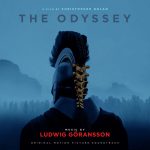
1. The Odyssey: A New Epic Scored by Ludwig Göransson
Perhaps the most significant musical event of the weekend is the arrival of The Odyssey, the latest action epic from visionary director Christopher Nolan. Starring an ensemble cast of industry heavyweights—including Matt Damon, Tom Holland, Anne Hathaway, Robert Pattinson, Zendaya, Jon Bernthal, Elliot Page, Lupita Nyong’o, John Leguizamo, and Charlize Theron—the film has been shrouded in secrecy and high expectations.
The Collaboration: Nolan and Göransson
Following their highly successful partnership on Oppenheimer and Tenet, Christopher Nolan has once again tapped Academy Award-winning composer Ludwig Göransson to craft the sonic identity of his latest project. Göransson’s work is characterized by its ability to blend avant-garde electronic textures with traditional orchestral motifs, creating a soundscape that feels both timeless and futuristic.
For The Odyssey, Göransson was tasked with capturing the sheer scale of a modern epic while maintaining the psychological complexity Nolan is known for. The soundtrack, released by Back Lot Music, is now available on all major streaming platforms. Furthermore, in a nod to the growing demand for physical media among audiophiles, Mutant has confirmed that a high-fidelity CD and vinyl edition will be released in the coming weeks.
Musical Implications
Göransson’s involvement suggests a score that pushes the boundaries of conventional action scoring. Given the film’s massive ensemble, the music must serve as a unifying thread, weaving together disparate narrative arcs. Critics who have previewed the soundtrack note the use of unconventional percussion and rhythmic tension that mirrors the narrative’s high-stakes nature.
2. Horsegirls: An Intimate Sonic Palette
Shifting from the bombast of the blockbuster to the nuanced world of indie cinema, Horsegirls—written and directed by Lauren Meyering—makes its debut in select theaters this weekend. The film, a comedy-drama, features a stellar cast including Gretchen Mol, Lillian Carrier, Jerod Haynes, Tony Hale, Iqbal Theba, and Matthew Schwab.
The Craft of Dan Romer
The original music for Horsegirls is composed by Dan Romer, a musician whose career is defined by his versatility across mediums. From the whimsical, vibrant colors of Luca to the gritty, emotional gravity of Beasts of No Nation, Romer has demonstrated a unique ability to find the "soul" of a film through subtle arrangements.
The project, which garnered significant buzz during its premiere at the Tribeca Film Festival last year, relies heavily on its score to bridge the gap between its comedic elements and its underlying dramatic weight. While no official soundtrack release has been announced by the studio, Sumerian Pictures—the film’s distributor—has emphasized the integral role the score plays in the character development of the film’s leads.
Chronology of the Score
The journey of Horsegirls from the festival circuit to wide release has been a measured one. Romer’s involvement was first announced in early 2025, allowing the composer ample time to refine the score in alignment with Meyering’s directorial vision. For fans of Romer’s previous work, such as Station Eleven or Superman & Lois, this film represents a return to his roots in character-focused storytelling.
3. Reading Lolita in Tehran: A Transnational Narrative
Finally, the Israeli/Italian drama Reading Lolita in Tehran, directed by Eran Riklis, expands its U.S. theatrical run this weekend. After an initial limited release in New York last week, the film is now arriving in Los Angeles, with plans for a broader rollout in domestic markets throughout the month.
The Riklis Connection
The score for this emotionally charged drama was composed by Yonatan Riklis. Known for his previous collaborations with Eran Riklis on Spider in the Web and A Borrowed Identity, Yonatan brings a deep understanding of the director’s visual language. The score acts as a bridge between the cultural complexities of the narrative and the universal themes of freedom, education, and resistance.
The soundtrack for Reading Lolita in Tehran was released by D-Music last year, coinciding with the film’s international premiere in Israel. It stands as a testament to the power of the film’s score to exist independently of the image, offering a melancholic yet hopeful suite of compositions that highlight the struggles of the characters played by Golshifteh Farahani, Zar Amir, and Mina Kavani.
Comparative Analysis: Trends in Modern Film Scoring
The Shift Toward Boutique Soundtrack Releases
A notable trend emerging from this weekend’s releases is the bifurcation of soundtrack distribution. While blockbuster films like The Odyssey continue to leverage traditional major label support (Back Lot Music) and physical merchandise (Mutant’s vinyl release), smaller, art-house films like Reading Lolita in Tehran often utilize independent distributors (D-Music) and digital-only formats.

This shift reflects a changing market where the "soundtrack album" is no longer just a promotional tool for the movie, but a standalone artistic statement. The inclusion of physical media—specifically the return of vinyl—indicates that composers like Göransson are being treated as modern-day auteurs, whose work is collected with the same fervor as a studio album by a pop star.
Official Perspectives and Distribution
Universal Pictures has invested heavily in the marketing campaign for The Odyssey, ensuring that the music is a central pillar of the film’s identity. In contrast, the quiet release of Horsegirls highlights a more grassroots approach. By focusing on the theatrical experience, Sumerian Pictures is betting on word-of-mouth, with the score acting as an atmospheric element rather than a commercial product.
Greenwich Entertainment, handling the stateside release of Reading Lolita in Tehran, has utilized a "platform release" strategy. Starting in key cultural hubs like New York and Los Angeles, the film builds a reputation before reaching wider audiences. This strategy is mirrored by the film’s score, which has already established a presence in international markets, providing a foundation of critical acclaim.
Implications for the Future of Film Music
As we look toward the remainder of 2026, the success of these three films will likely dictate how studios approach the relationship between sound and image.
- The "Composer as Brand" Effect: With the likes of Ludwig Göransson becoming household names, we can expect studios to feature the composer’s name more prominently in marketing materials, similar to how directors are credited.
- The Hybrid Scoring Model: The success of Horsegirls and Reading Lolita in Tehran suggests that audiences are increasingly drawn to films that utilize "hybrid" scoring—a mix of traditional instrumentation and unconventional, modern production techniques.
- The Longevity of the Soundtrack: The fact that the Reading Lolita in Tehran soundtrack is still being discussed a year after its initial release proves that a well-composed score can give a film a "second life" in the digital streaming era.
Final Thoughts
Whether you are headed to the multiplex for the high-octane excitement of The Odyssey, seeking the indie charm of Horsegirls, or looking for the profound, humanistic storytelling of Reading Lolita in Tehran, this weekend offers an exceptional opportunity to appreciate the craft of film scoring. Each of these composers—Göransson, Romer, and Riklis—brings a distinct voice to their respective projects, reminding us that while film is a visual medium, its impact is felt most deeply through the ears.
As you sit in the theater this weekend, pay close attention to the silence between the notes, the swell of the strings, and the pulse of the percussion. In those moments, you are hearing the very soul of the story being told.
Further Reading: