Cinematic Treasures in the Spa Town: Dispatches from the 60th Karlovy Vary International Film Festival
The 60th Karlovy Vary International Film Festival (KVIFF) has officially drawn to a close, marking a milestone anniversary for one of the oldest and most prestigious film gatherings in the world. Nestled in the historic, picturesque spa town of Karlovy Vary in the Czech Republic, the festival has long served as a vital cultural bridge, balancing the high-octane energy of the international festival circuit with the intimate, often understated discovery of “hidden gems” within its competitive sections.
In this concluding installment of our Film Comment podcast series, Editor Clinton Krute sat down with esteemed critics Robert Daniels (RogerEbert.com) and Guy Lodge (Variety) to synthesize the final days of the festival. Their conversation provides a comprehensive post-mortem of a year defined by bold regional storytelling and a reflective look at the festival’s storied, complex past.
The Karlovy Vary Legacy: A Historical Context
To understand the significance of this year’s 60th-anniversary edition, one must acknowledge the festival’s unique historical trajectory. Established in the late 1940s, KVIFF has endured shifting geopolitical landscapes, including the era when the festival alternated between Karlovy Vary and Moscow. This year, organizers took a deliberate, meta-textual approach by curating an excellent retrospective sidebar. This section of the program didn’t merely screen old films; it contextualized the evolution of Eastern and Central European cinema, tracing how the festival transitioned from a state-aligned cultural institution into the vibrant, independent-minded bastion of world cinema it is today.
As Krute noted, the town itself remains a character in the festival’s narrative. The grand architecture and thermal springs provide a sophisticated, almost operatic backdrop for the viewing of contemporary dramas. Yet, beneath the veneer of the spa town’s luxury lies a rigorous commitment to challenging, avant-garde, and politically resonant filmmaking.
Spotlight on the Balkans: A New Wave of Bulgarian Cinema
The primary focus of this final dispatch was the striking emergence of Bulgarian cinema. Both Daniels and Lodge pointed to a renaissance of sorts, noting that the films hailing from the region this year possessed a distinct, sharp-witted sensibility that stood out amidst the broader competition slate.
Black Money for White Nights (Kristina Grozeva and Petar Valchanov)
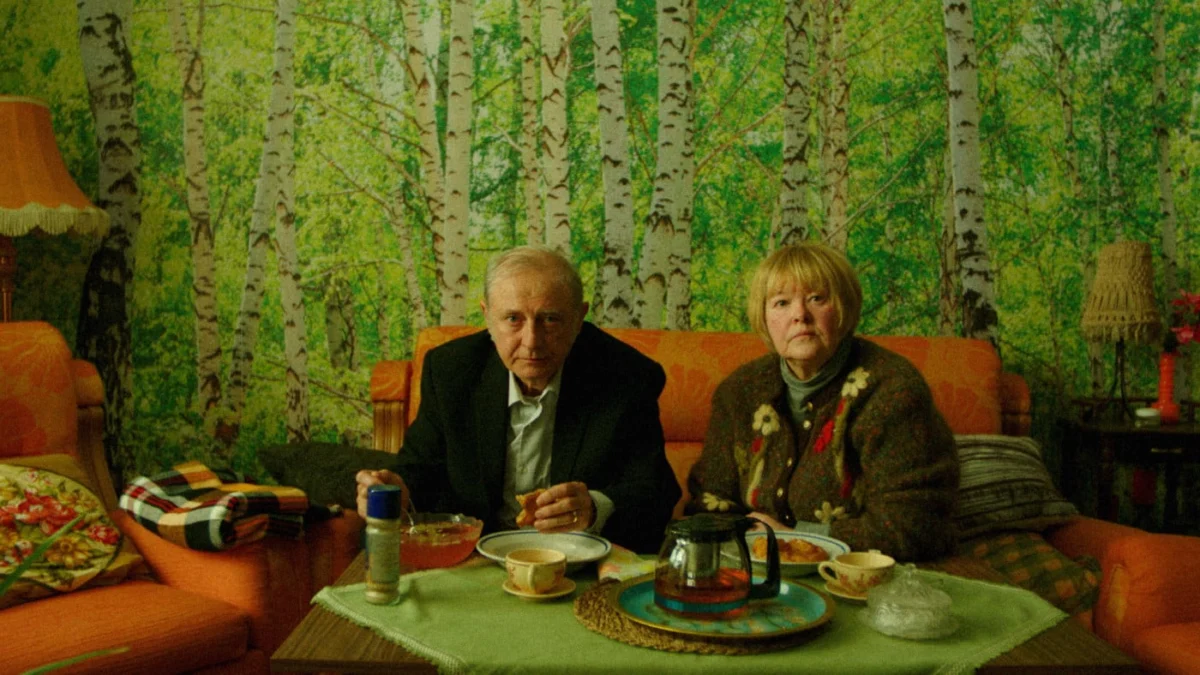
The discussion opened with an analysis of Black Money for White Nights, the latest feature from the directing duo Kristina Grozeva and Petar Valchanov. The film, a dark, cynical comedy, serves as a searing critique of socio-economic pressures in modern Bulgaria. Grozeva and Valchanov have built a career on exposing the absurdities of bureaucracy and the moral compromises forced upon individuals by systemic corruption.
In Black Money for White Nights, the directors maintain their trademark tension while introducing a levity that feels both dangerous and necessary. The critics agreed that the film’s strength lies in its refusal to offer easy moral resolutions, instead forcing the audience to sit with the discomfort of their characters’ choices. It is a work that feels quintessentially “Karlovy Vary”—unafraid to be difficult, yet undeniably engaging.
Lover, Not a Fighter (Martina Buchelová)
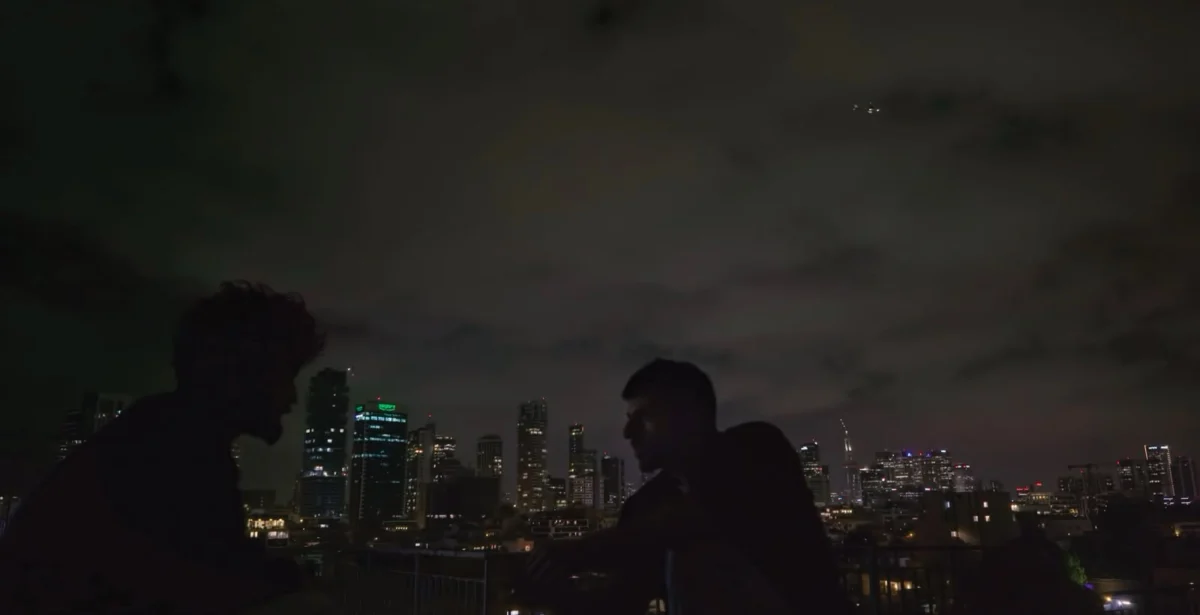
Perhaps the most celebrated discovery of the festival was Martina Buchelová’s debut feature, Lover, Not a Fighter. The film, which walked away with the prestigious Proxima Competition Grand Prix award, was praised by Lodge for its raw, kinetic energy and its nuanced handling of character interiority.
Buchelová’s approach to the coming-of-age narrative is stripped of the usual sentimentality. Instead, she offers a visceral exploration of conflict—both romantic and internal. The Proxima win is a significant endorsement for a first-time filmmaker, positioning Buchelová as a voice to watch in the coming decade. The consensus among the podcast panel was that Lover, Not a Fighter represents a shift toward a more introspective, character-driven style of regional filmmaking that prioritizes emotional honesty over aesthetic flourish.
International Perspectives: Global Stories and Collaborations
While the Bulgarian films provided a thematic anchor for the conversation, the discussion quickly pivoted to the broader international scope of the festival, highlighting how KVIFF continues to facilitate cross-border artistic collaborations.
Incinerator (Shuntaro Uchida)
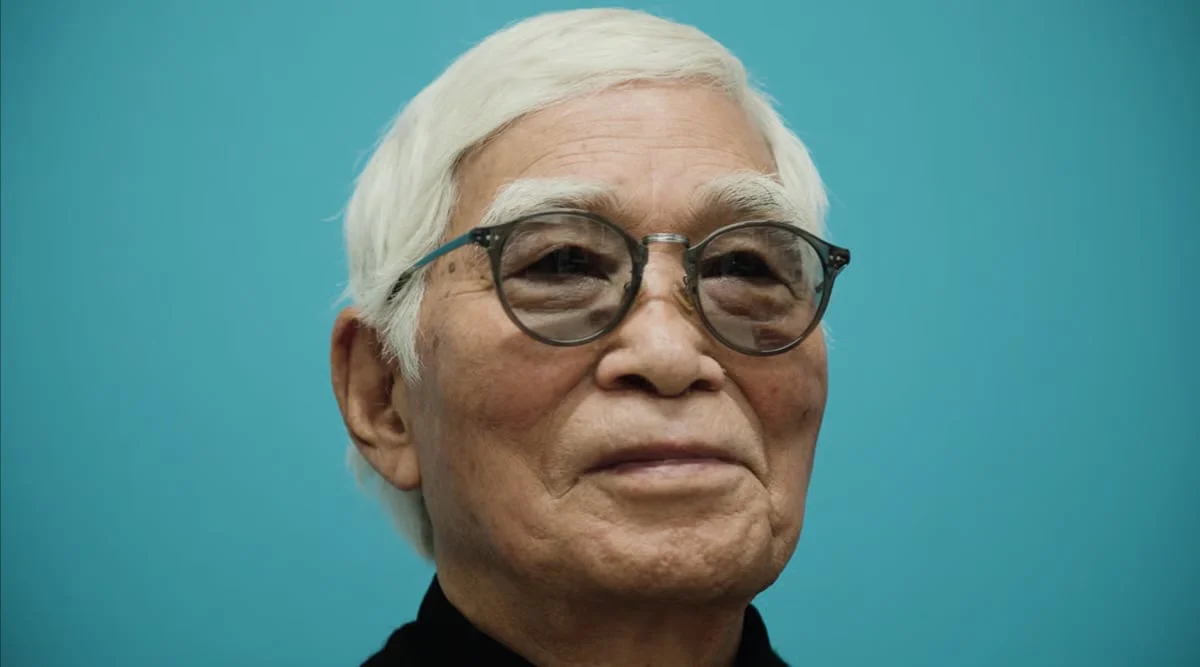
Robert Daniels brought to the table the Japanese drama Incinerator, directed by Shuntaro Uchida. The film serves as a somber meditation on grief and the physical manifestations of memory. Daniels highlighted Uchida’s meticulous framing and the film’s deliberate pacing, which demands a level of focus often absent in the frenetic pace of major festival premieres. Incinerator is a quiet film that lingers long after the credits roll, serving as a reminder that the festival remains a sanctuary for slow-burn, meditative cinema.
Hijamat (Nader Saeivar and Jafar Panahi)
The final highlight of the discussion was Hijamat, a film that generated significant buzz for its high-profile creative team. Directed by Nader Saeivar and edited by the legendary Jafar Panahi, the film is a masterclass in collaborative tension. Panahi’s influence is felt in the film’s structural rigor and its ability to weave complex political allegory into a seemingly domestic framework.
Guy Lodge remarked that the collaboration between Saeivar and Panahi is a testament to the resilience of Iranian cinema. Despite the immense pressure placed on filmmakers in the region, the output remains sophisticated, layered, and profoundly humanist. Hijamat explores the intersection of personal desire and social restriction with a deftness that is characteristic of Panahi’s best work, while Saeivar brings a fresh, urgent perspective to the narrative.
Implications for the Future of Festival Culture
The 60th Karlovy Vary International Film Festival has proven that there is still a vital role for the traditional, location-based film festival in an era dominated by streaming and digital distribution. By prioritizing deep-dive retrospectives alongside bold new voices like Buchelová and seasoned auteurs like Saeivar, KVIFF maintains a delicate, successful balance.
The implications for the industry are clear: audiences are hungry for curated, context-rich experiences. The success of the Proxima competition, in particular, suggests that festivals must continue to provide platforms for debut filmmakers if they wish to remain relevant. Furthermore, the focus on Eastern European and regional cinema serves as a reminder that the “international circuit” is not a monolith; it is a tapestry of local scenes that require dedicated, knowledgeable curation to thrive.
Conclusion: A Seasoned Perspective
As the sun sets on the 60th anniversary of the festival, the legacy of Karlovy Vary seems more secure than ever. It is a space where the past—represented by the fascinating retrospective sidebar—informs the future of the medium. For those interested in the evolution of global cinema, the insights provided by Daniels, Lodge, and Krute serve as an essential roadmap for the films that will undoubtedly shape the critical conversation for the remainder of the year.
As Film Comment continues its coverage, we invite our readers to subscribe to stay informed about these emerging talents and the enduring power of the films screened in the heart of the Czech Republic. The 60th KVIFF was not just a celebration of what has come before; it was a vibrant, messy, and brilliant assertion of what is yet to come.
This story is part of the Summer 2026 issue of Film Comment. To access our full archive of festival reports, interviews, and deep-dive critical essays, we encourage you to sign up for The Film Comment Letter.