Crafting the Sonic Universe of "Kpop Demon Hunters": Inside the Audio Masterclass of Netflix’s Animated Phenomenon
Main Facts
In the high-stakes world of animated feature films, sound design can easily become a casualty of its own ambition. When too many audio layers compete for space, a moment can quickly devolve into an indecipherable acoustic mess. Avoiding this "Icarus trap"—flying too close to the sun with excessive noise—required immense precision and an unconventional timeline for Netflix’s animated hit "Kpop Demon Hunters."
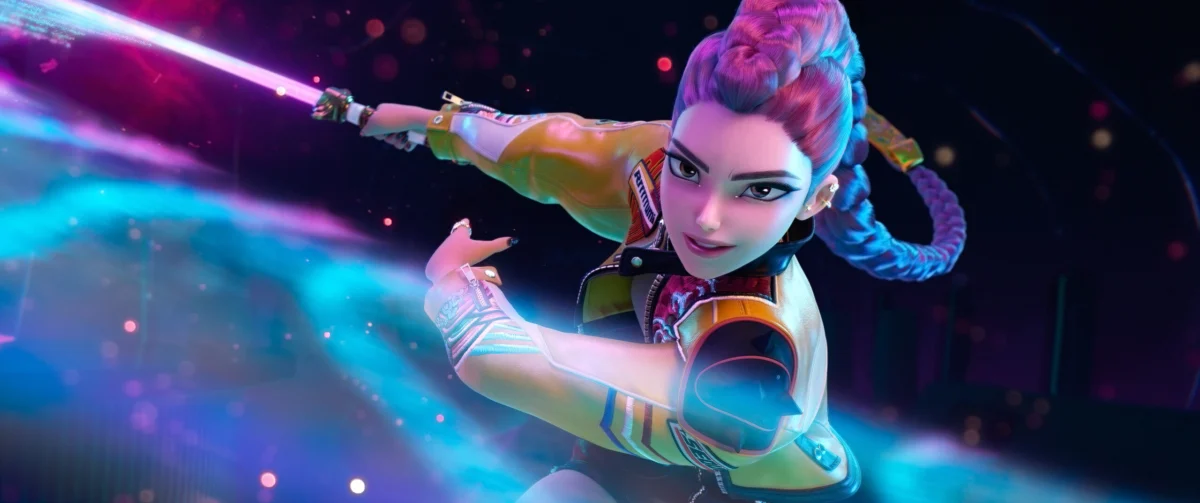
Directed by Chris Appelhans and Maggie Kang, the film follows the dual lives of global K-pop superstars Rumi (voiced by Arden Cho) and Ji-noo (voiced by Ahn Hyo-seop). When they aren’t selling out massive stadiums with their chart-topping tracks, they utilize secret identities as elite demon hunters protecting fans from supernatural threats. Their ultimate challenge arrives in the form of the Saja Boys, an irresistibly charming rival boy band hiding a sinister demonic secret.
To bridge the gap between bombastic musical numbers and cinematic storytelling, the filmmakers enlisted supervising sound editor and re-recording mixer Michael Babcock. Uniquely, Babcock’s involvement began long before the animation phase even commenced. Working alongside Appelhans and Kang from the conceptual ground up, the sound team focused heavily on shaping the demonic vocalizations of the Saja Boys, as well as mapping out how lead singer Rumi would audibly express herself during high-stress scenarios.
Drawing from his own background as a musician, Babcock immersed himself in the meticulously polished, intricate sonic landscape of contemporary K-pop and broader pop music. This deep dive birthed an imaginative audio palette that seamlessly blended high-concept fantasy with authentic musicality. From innovative vocal processing techniques to unconventional foley work—such as using Amazon-purchased tuning forks to craft magical weapons—the sound design of "Kpop Demon Hunters" became an intrinsic, beating heart of the movie itself.
Chronology: The Earliest Stages of Audio Conception
The journey to crafting the distinct auditory world of "Kpop Demon Hunters" began well before a single frame of animation was rendered. Recognizing the delicate symbiotic relationship between the film’s catchy musical numbers and its high-octane action sequences, directors Chris Appelhans and Maggie Kang brought Michael Babcock onto the project at the very inception of production.

During this pre-production phase, the primary objective was establishing character voices and signatures. Babcock began studying the production tricks of the K-pop industry, analyzing everything from vocal layering to advanced harmonies. Because harmony serves as a massive narrative and thematic anchor throughout the film, the sound department needed an approach that mirrored the pristine production values of real-world K-pop records while still serving a fantastical narrative.
As the production moved from conceptualization to storyboarding and animation, Babcock’s workflow evolved into a rhythm-first methodology. Instead of applying sound effects independently, every kinetic movement, weapon swing, and environmental impact was carefully synchronized to the underlying beats of the soundtrack.
The process culminated in the film’s sprawling final act—spanning from the Saja Boys’ performance of their track "My Idol" straight through to the emotional climax. For Babcock, mixing this sequence stood out as one of the most intensely rewarding and demanding phases of his career, requiring a delicate balancing act to ensure that heavy sound design elements could coexist peacefully with standalone musical tracks.
Supporting Data and Technical Craftsmanship: Building a Sonic World
Creating the audio identity of "Kpop Demon Hunters" demanded a blend of cutting-edge digital vocal processing and ingenious analog foley work. To formulate the terrifying yet alluring voices of the Saja Boys and map out Rumi’s stress responses, Babcock looked far and wide for inspiration. He drew stylistic cues from modern pop innovators like Billie Eilish and Imogen Heap, as well as computer-generated vocal manipulations.
"I took a lot of treatments, the jumping off points they use—everything from reverbs to how they layer voices, how they all do the harmony," Babcock explained in an interview with IndieWire. The demon voices received specialized treatment involving a strategic combination of reverb, delays, and chorusing effects—techniques heavily utilized in modern music production to give tracks an otherworldly sheen.

The Organic Genesis of Magical Weapons
While digital manipulation played a massive role in shaping the supernatural elements, Babcock was determined to maintain an organic, tactile foundation for physical props. This was especially true for the weapons wielded by HUNTR/X.
"I didn’t want them to sound too processed, for them to have some organic genesis to them," Babcock noted. To achieve a ring that felt magical yet grounded, he turned to an unconventional resource: "I went on Amazon and bought a bunch of tuning forks, and we manipulated those. They kind of sound like swords when they resonate."
The Challenge of Cuteness: Derpy and Sussie
Paradoxically, some of the most difficult sound design challenges in the film did not stem from terrifying demons or explosive action beats, but rather from the most adorable characters. Ji-noo utilizes mysterious spirit animal messengers—a tiger and a magpie inspired by traditional Korean folklore representing nobles and commoners—affectionately nicknamed "Derpy" and "Sussie" by the crew.
Because the animation emphasized the creatures’ endearing, harmless qualities, making them sound otherworldly without crossing into terrifying territory proved remarkably difficult.
"You can’t make that creature too scary. There’s a cuteness to how it was animated," Babcock said. "So it’s actually harder on the sound design side to make something cute than it is [to make it] scary. A lot of Derpy is animal sounds layered with me manipulating my voice to be able to get the character to emote."

Official Responses and Creative Insights
The success of the sound design in "Kpop Demon Hunters" ultimately rests on the tight collaboration between the directors and the sound department. By bringing Babcock into the fold before the animation pipeline began, Appelhans and Kang ensured that music, voice acting, and sound effects were treated as equal pillars of storytelling rather than isolated post-production additions.
Babcock has frequently highlighted the creative freedom afforded to him by the production team, noting that the project allowed him to push boundaries in ways traditional animated features rarely permit. By treating sound effects as musical notes, the audio team successfully snuck in a staggering amount of sonic detail without alienating viewers or altering how the core songs would sound if stripped for a standalone album release.
"There’s actually more sound design than I thought we’d get away with, and it doesn’t sound different than how you’d hear the songs on the album," Babcock reflected. He attributes this achievement to an overarching philosophy of restraint and precision: "It’s a combination of being exactly precise and, frankly, tasteful, between the music and anything else going on."
Implications for Future Animated Musicals
The meticulous approach employed in "Kpop Demon Hunters" sets a fascinating precedent for future animated features, particularly those operating within the burgeoning intersection of global pop culture, music, and fantasy. Traditionally, animated films develop their scores and sound effects in strictly sequential silos—animation is locked, the composer writes the score, and the sound designer fills in the sonic gaps afterward.
By integrating supervising sound editors at the very genesis of pre-production, projects like "Kpop Demon Hunters" demonstrate that sound design can actively inform visual rhythm and character emotional states. When sound effects are rhythmically locked to musical beats from day one, the barrier between "dialogue," "music," and "effects" (the classic DME tracks of mixing) begins to dissolve, resulting in a more cohesive, immersive cinematic experience.

Furthermore, the film highlights the viability of blending hyper-polished commercial music production styles with traditional Foley artistry. As audiences become increasingly sophisticated listeners—accustomed to the multi-layered vocal production of modern K-pop and pop genres—animation studios will face higher expectations for how music is integrated into narrative action.
Ultimately, "Kpop Demon Hunters" proves that when sound design respects the rhythm of its source material while retaining an organic, emotional core, it can elevate a genre film into a transcendent sensory experience. For Michael Babcock and his team, the gamble of flying close to the sun paid off: rather than melting in a mess of noise, their audio landscape shines brilliantly at the center of Netflix’s animated universe.