The Auteur of Absurdity: John Early on Deconstructing the Modern Influencer in Maddie’s Secret
For years, John Early has occupied a unique, glittering corner of the American comedy landscape. Whether as the anxious, scene-stealing Elliott in Search Party or as a performer whose stage presence often feels like a manic, high-definition broadcast from the heart of millennial neurosis, Early has established himself as a master of character study. Yet, with his directorial debut, Maddie’s Secret—which premiered to a buzz of critical intrigue at the Toronto International Film Festival—Early has pivoted from performer to architect.
In this sprawling, genre-defying satire, Early doesn’t just lampoon the culture of the internet; he inhabits its darkest, most caloric, and most hollow corners. As the film prepares for its theatrical release on June 19, 2026, it stands as a testament to the fact that the most effective way to critique our fractured digital reality is to lean into the chaos with total, uncompromising earnestness.
The Genesis of an Auteur: From Stage to Screen
To understand the DNA of Maddie’s Secret, one must first understand the trajectory of Early’s career. Long before he was directing feature films, Early was a staple of the New York comedy scene, known for his uncanny ability to blend genuine vulnerability with biting, high-camp irony. His public persona—famously anchored by a devoted, almost spiritual reverence for Toni Collette—has always suggested a performer obsessed with the boundaries between the "real" and the "performed."
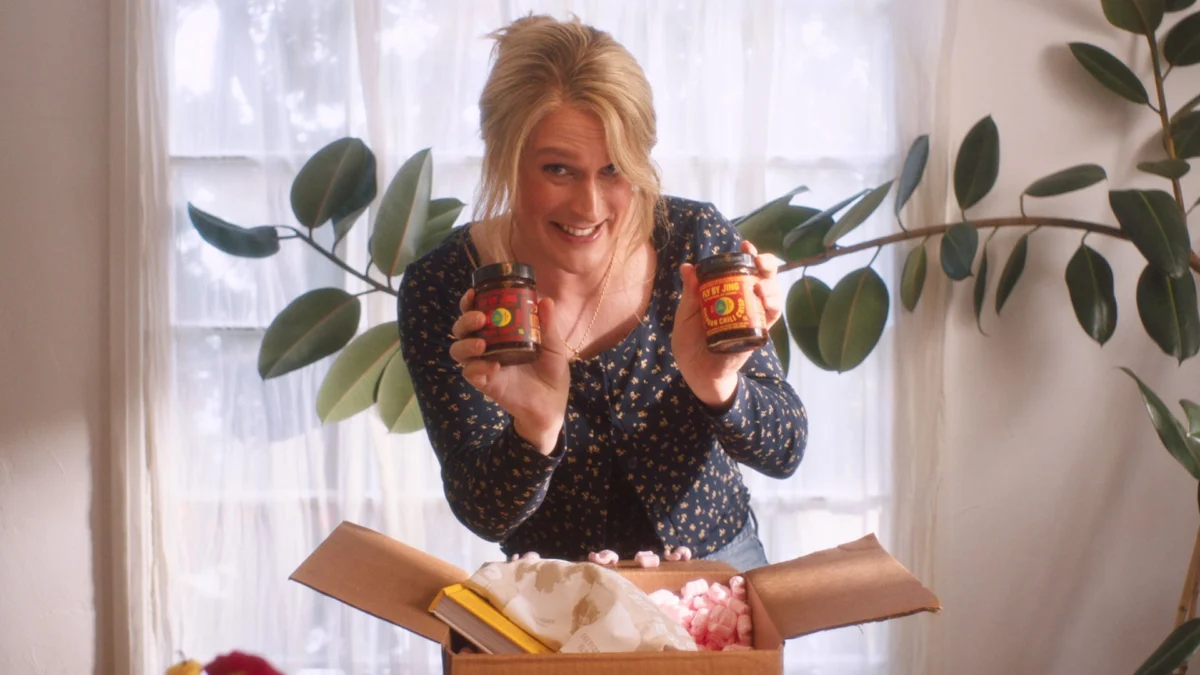
The transition to directing was not a pivot, but an evolution. During the production of the film, Early noted that he wanted to capture the specific "vertigo" of the modern influencer experience. By casting himself as the titular Maddie, a food influencer grappling with the complexities of an eating disorder, Early placed himself in the crosshairs of his own satire. It is a bold, risky choice that serves as the film’s heartbeat. By playing the role with sincere, unvarnished commitment, Early ensures that Maddie’s Secret never drifts into the realm of mean-spirited mockery. Instead, it becomes a tragedy wrapped in the aesthetic of a fever dream.
Chronology of a Cultural Critique
The journey of Maddie’s Secret from concept to the silver screen represents a specific moment in the evolution of "post-internet" cinema.
- Early Development (2023): Early begins drafting the screenplay, pulling from a collage of influences that range from the high-tension erotic thrillers of the 1990s to the garish, oversaturated lighting of daytime television PSAs.
- The Toronto Premiere (2025): The film makes its world debut at TIFF. Audiences are initially baffled by the film’s rapid-fire tonal shifts, only to be won over by the underlying emotional architecture.
- The Polishing Phase (Late 2025 – Early 2026): Early spends months in the edit suite, refining the film’s pacing to ensure that the "high-low" cultural references—ranging from Paul Verhoeven’s Showgirls to the ephemeral, fleeting nature of TikTok trends—cohere into a singular narrative.
- The Theatrical Rollout (June 19, 2026): The film is set for a wide release, positioning it as a summer counter-programming staple for audiences looking for something more cerebral than the typical seasonal blockbuster.
Deconstructing the Aesthetic: High-Low Cultural Touchstones
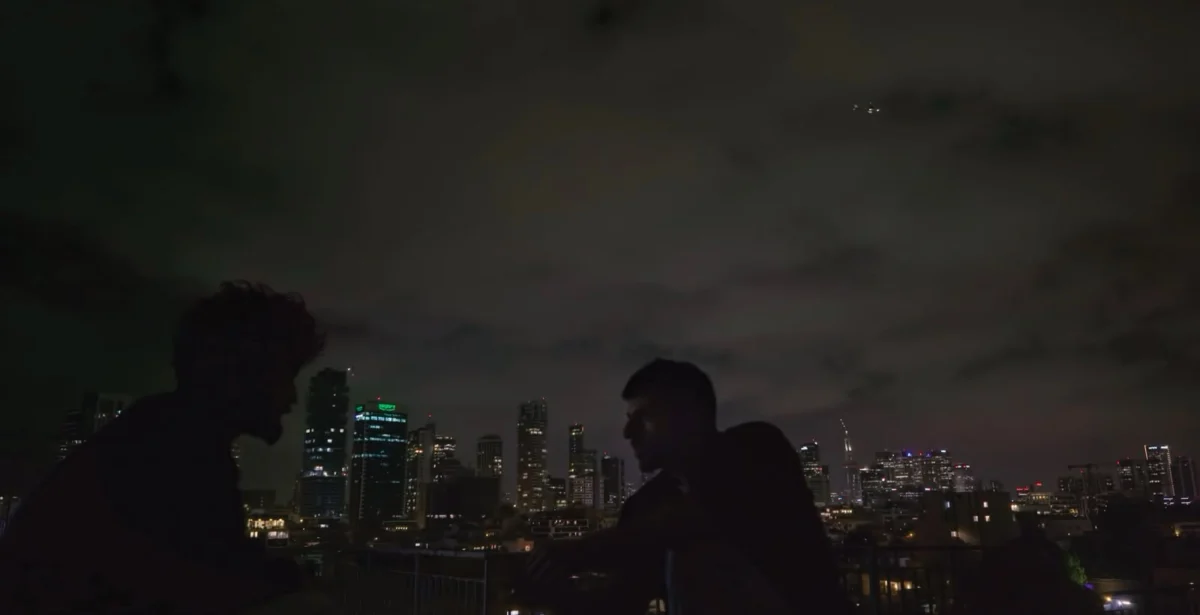
Maddie’s Secret is a film built on the ruins of 20th-century media, reassembled for the 21st-century feed. Early’s directorial eye is remarkably precise. The film’s visual language borrows heavily from the "erotic thriller" genre, utilizing dramatic, shadow-heavy lighting that suggests something sinister is happening just off-camera. Yet, this is juxtaposed against the hyper-lit, sterile environment of modern food blogging, where every avocado toast and artisanal latte is treated as a holy relic.
By threading the needle between these two aesthetics, Early highlights the inherent horror of the influencer economy. The "secret" in the title is not just a plot device; it is a commentary on the performance of health in a world that is fundamentally unwell. The film utilizes the "TV movie" structure—complete with its predictable beats and moralizing undertones—and subverts it, turning a medium traditionally associated with "guilty pleasure" into a vessel for profound empathy.
Official Responses and Critical Reception
Early’s pivot to directing has been met with a mix of curiosity and critical acclaim. The consensus among those who have seen the film is that Early possesses a singular voice that is unafraid of the "ugly" side of modern living.
"Early has managed to create a film that feels like a scream into the void of the algorithm, but one that is perfectly tuned to a pop-music hook," wrote one critic following the TIFF premiere. "It is, quite frankly, the most honest film about the internet ever made, because it understands that the internet is a place where we go to be both everything and nothing at all."
For his part, Early has remained humble about his directorial debut. In recent discussions regarding the film, he emphasized that his goal was never to judge the characters he created, but to reflect the dissonance of the modern age. "We are all living in a state of constant, low-level performance," Early remarked in an interview. "I wanted to see what happens when the performance becomes the only thing you have left."
Implications: The Future of "Influencer Cinema"
The release of Maddie’s Secret raises significant questions about the future of cinema in the age of the creator. As more performers transition into auteur-driven projects, we are seeing a shift in how media is consumed and produced.
1. The Death of the "Genuine" Persona
The film forces the audience to confront the fact that there is no such thing as a "real" person on a screen. By making his own persona the center of the film, Early highlights the fluidity of identity in the digital age. This has implications for how we view celebrity, suggesting that our obsession with "authenticity" is perhaps the most manufactured element of our culture.
2. The Genre-Fluidity of Modern Narrative
Maddie’s Secret does not fit neatly into a box. Is it a comedy? A drama? A psychological thriller? By refusing to commit to one, Early captures the fragmented nature of modern attention. The implications for the industry are clear: audiences are becoming increasingly adept at processing non-linear, multi-genre storytelling.
3. The Ethical Dimensions of Satire
Finally, the film invites a necessary conversation about the ethics of satire. How do we make fun of a culture that is already a parody of itself? By grounding the madness of the influencer lifestyle in the very real, very painful struggle of an eating disorder, Early provides a blueprint for how to balance humor with human decency.
A Call to Action: The Subscriber Advantage
As we look toward the June 19th release, it is clear that Maddie’s Secret is not merely a film to be watched—it is a film to be dissected. For those interested in the deeper, behind-the-scenes conversations that shaped this project, Film Comment is offering an exclusive, two-part deep dive into the production.
Part 2 of the conversation with John Early will be released exclusively to our subscribers. This upcoming installment will cover the technical challenges of shooting the film’s more surreal sequences, the process of collaborating with a cast that includes several of Early’s long-time comedy peers, and the philosophical implications of the film’s haunting, ambiguous ending.
The cultural impact of Maddie’s Secret will likely be debated for years to come. It is a film that challenges the viewer to look past the filters and the curated lives, and to find the humanity—and the hilarity—lurking beneath. Whether it changes the landscape of modern comedy remains to be seen, but one thing is certain: John Early has arrived as a director, and he has brought his entire, complex, and deeply funny world with him.
For more on the latest in contemporary cinema, read the full Summer 2026 issue of Film Comment, available now. Sign up for The Film Comment Letter to receive exclusive content, early access to interviews, and deep-dive analysis delivered directly to your inbox.