The Cinematic Ballot: Mapping the Future of Indonesian Film in the 2024 General Election
Cinema is never merely entertainment; it is an inherently political act. From the raw stages of production to the final flickering frames on a screen, film is inextricably linked to the strategic sectors of public life—ranging from the preservation of free expression and resource management to the fundamental needs of a creative workforce. In an ideal world, cinema represents the pinnacle of human imagination, empowered by technological advancement. In reality, it is a landscape shaped by rigid regulations, economic constraints, and shifting cultural policies.
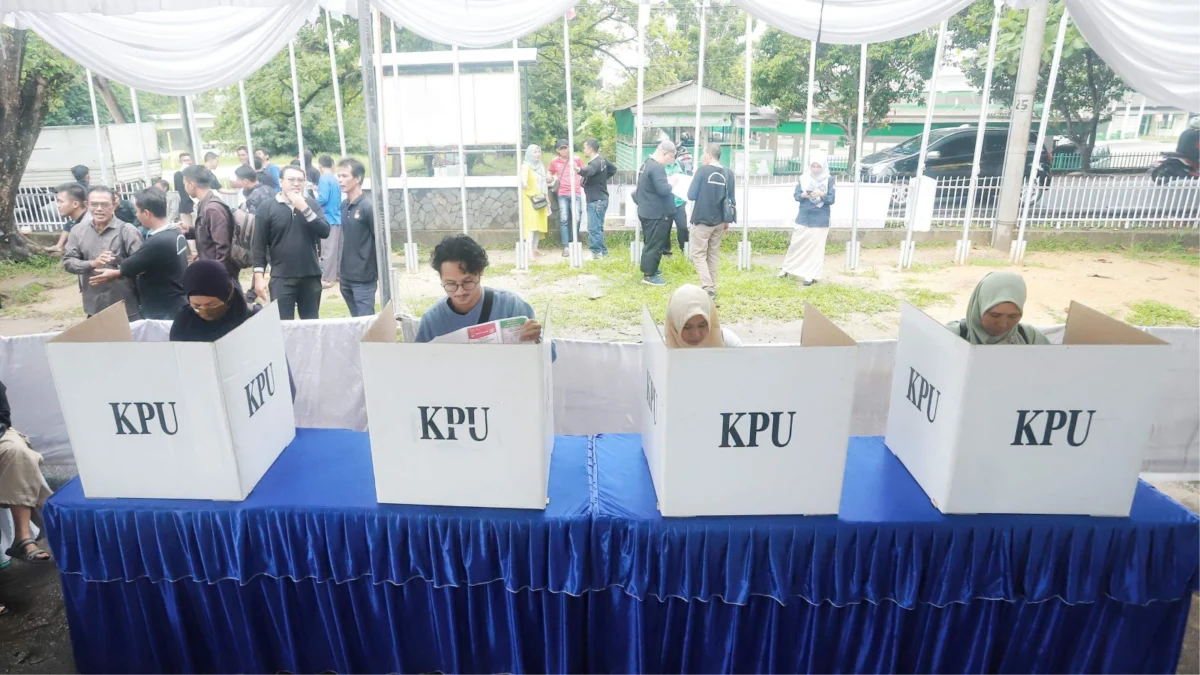
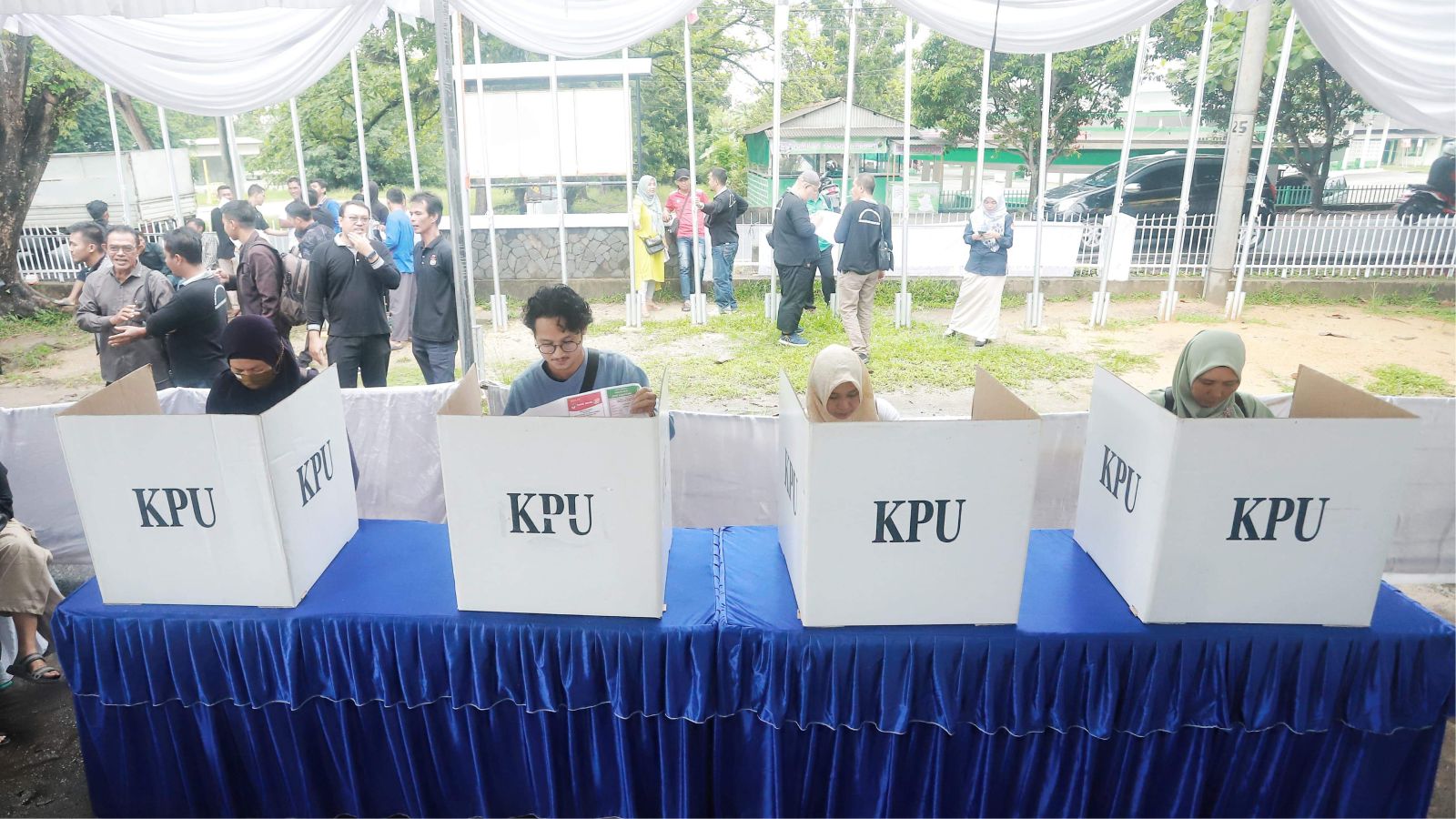
As Indonesia approaches the 2024 General Election, the political discourse surrounding the film industry has taken on a renewed, albeit fragmented, urgency. With the General Election Commission (KPU) estimating that 55% of the electorate—roughly 107 million people—falls within the 17–40 age demographic, the overlap between youth culture, the creative economy, and the film industry has become a significant pivot point for campaign strategies.
Main Facts: The Structural Fragility of a Growing Industry
The Indonesian film industry currently exists in a state of paradox: it is undergoing massive growth in production and streaming consumption, yet it remains anchored to the same systemic failures that have plagued it for over a decade.
The industry is dominated by an informal workforce. A staggering 64% turnover rate, as reported by the Indonesian Film Board (BPI), underscores the instability of the profession. Workers in production often face grueling schedules—sometimes reaching 14 hours a day—far removed from the "healthy" standards envisioned by the Mari Syuting Sehat (Shoot Healthy) campaign. While the 2009 Film Law remains the primary regulatory framework, it has failed to keep pace with the digital revolution, the rise of video-on-demand (VOD) services, and the evolving nature of global cultural diplomacy.

Chronology: A Decade of Policy and Practice
Over the past ten years, the trajectory of Indonesian cinema has been defined by two main government bodies: the Ministry of Education, Culture, Research, and Technology (Kemendikbudristek) and the Ministry of Tourism and Creative Economy (Kemenparekraf).
- 2014–2016: Under the leadership of then-Minister Anies Baswedan, the government established the Center for Film Development (Pusbangfilm) and introduced scholarships and educational initiatives like "Kelas Inspirasi Sinema."
- 2017: The passage of the Law on Cultural Advancement (UU No. 5/2017) laid the groundwork for state-funded cultural preservation.
- 2020: The introduction of Dana Indonesiana—the Cultural Endowment Fund—marked a significant shift in providing sustained financial support for festivals and independent filmmakers.
- 2022: The implementation of Government Regulation (PP) No. 24/2022 attempted to treat intellectual property (IP) as a collateral asset for bank financing, though its adoption by the banking sector remains largely theoretical and sluggish.
Supporting Data: The Infrastructure Gap
The disparity between film production and film exhibition is a critical bottleneck. As of 2023, Indonesia has only 2,145 cinema screens spread across 115 cities and regencies. Given that there are over 500 regencies/cities in the country, this leaves nearly 400 regions completely devoid of formal cinema infrastructure.

Furthermore, 47% of film production and exhibition communities operate as micro-enterprises with fewer than ten employees. These entities are the lifeblood of cultural diversity in film, yet they survive on social capital rather than fiscal stability. Research from the Apresiasi Film Indonesia program indicates that 70% of independent film screenings do not charge admission, reflecting a deep-seated lack of a sustainable business model for non-commercial cinema.
Official Agendas: The Three Contenders
As the presidential candidates finalize their platforms, the film industry has been largely subsumed under broader headings of "Creative Economy," "Culture," and "Human Development."

Anies Baswedan (Paslon 01)
Baswedan has proposed a "Five Chapters" plan to advance the industry: Talent Development, Production Support, Workforce Protection, Exhibition Expansion, and Data/Legal Reform. His focus on labor protection—specifically addressing work safety and sexual harassment—is the most explicit among the candidates. His supporters highlight his past role in creating the Pusbangfilm as a testament to his commitment to the sector.
Prabowo Subianto (Paslon 02)
The Prabowo-Gibran ticket emphasizes "Cultural Preservation" and the revitalization of "People’s Cinemas" (Bioskop Rakyat). Their agenda leans heavily on the idea of cinema as a tool for national identity and cultural legacy. While their focus on economic growth and creative hubs is robust, critics argue that their reliance on the "start-up" model and cooperative structures may overlook the unique, non-linear production cycles of the film industry.

Ganjar Pranowo (Paslon 03)
The Ganjar-Mahfud platform focuses on "Safe and Comfortable" conditions for artists. Their proposals include the optimization of the Film Censorship Board (LSF) for "character building"—a stance that has drawn skepticism from filmmakers who fear a return to state-sponsored artistic suppression. However, they also propose a specific 35% allocation of bank credit for creative industries and cooperatives, which, if implemented, could provide a much-needed liquidity boost.
Implications: The Need for a Strategic Framework
The central issue remains that none of the candidates have presented a comprehensive "Film Policy" that treats cinema as an integrated ecosystem rather than a collection of scattered creative projects.

- The Infrastructure Dilemma: Simply building "Creative Hubs" or "People’s Cinemas" is insufficient if the governance, management, and long-term funding models are not defined. Many past projects have stalled due to unclear land ownership and a lack of professional management.
- The Censorship Challenge: The shift from "Vertical Censorship" (state-driven) to "Horizontal Censorship" (society-driven/mob pressure) is a pressing threat to democracy. Candidates must address how they will guarantee the safety of filmmakers when community groups pressure authorities to ban screenings of films they deem controversial.
- The Financial Disconnect: The persistent attempt to treat films like consumer goods—or like software startups—ignores the reality of the film business. Film requires long-term investment, not just short-term credit.
Conclusion: The Unending Demand
As voters head to the polls, the cinematic community remains in a state of cautious observation. While the candidates offer grand promises of building infrastructure and boosting the creative economy, the practitioners of the industry—the writers, directors, technicians, and local exhibitors—are still waiting for the state to recognize the value of their daily labor.
The state extracts revenue through income tax, value-added taxes on equipment rentals, and entertainment taxes on cinema tickets. In return, the industry demands a seat at the policy table. Regardless of who occupies the presidential palace, the struggle for a sustainable, safe, and diverse film industry is not an election-cycle promise—it is an ongoing, daily necessity. The politicians’ favor is fleeting, but the demand for a flourishing, protected, and free cinematic landscape remains eternal.