The Echoes of 9/11 in Japanese Animation: A Quarter-Century of Trauma and Reflection
It has been exactly 25 years since the world shifted on its axis. For those in the United States, the morning of September 11, 2001, began as a typical Tuesday; for those in Japan, separated by a 13-hour time difference, the news arrived as a surreal, nocturnal intrusion. As the sun rose over Tokyo on September 12, 2001, the global landscape—and the psychological security of a generation—had been permanently altered.
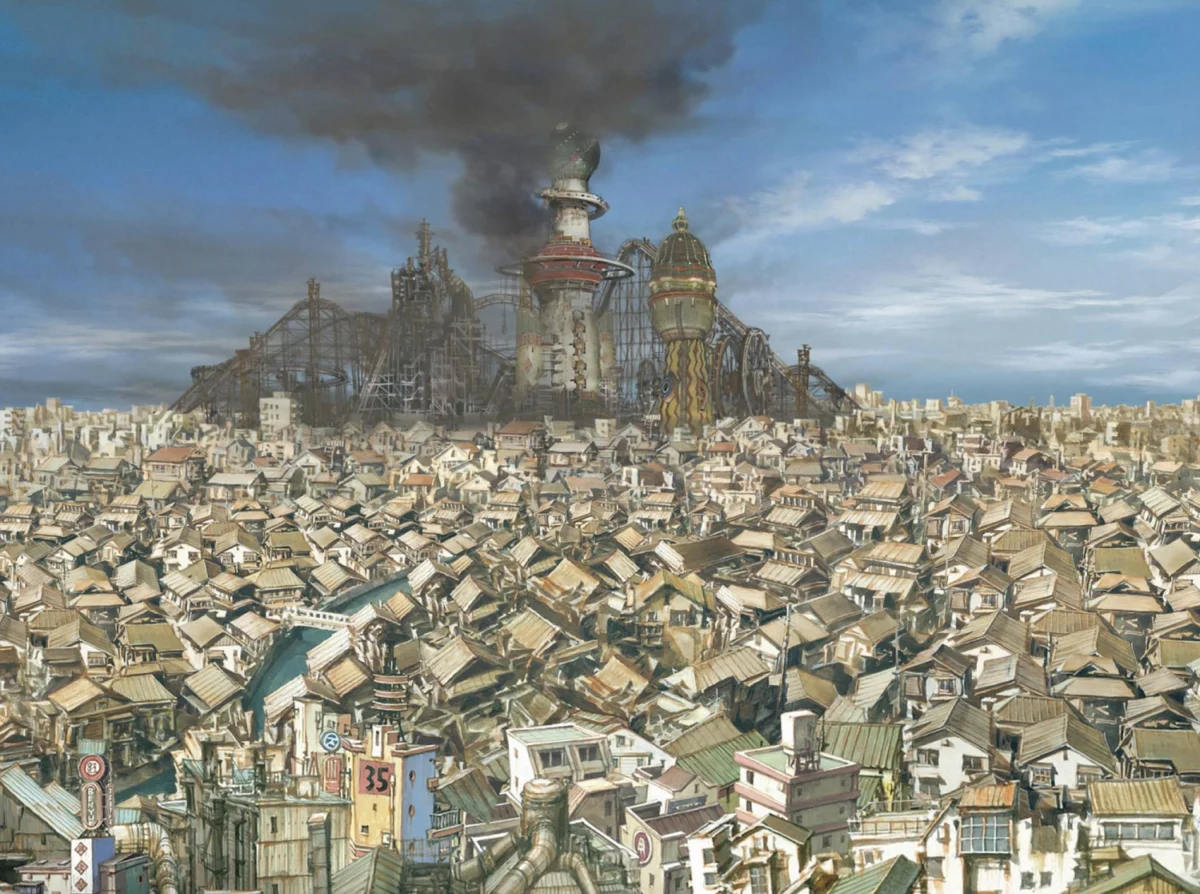
The image of the Kiddy Kastle in the cult-classic anime TekkonKinkreet, shrouded in smoke and pulverized into ruin, serves as a haunting visual shorthand for this collective trauma. It is a mirror held up to the devastation of the World Trade Center, reflecting how the vulnerability of global icons became a recurring motif in the cultural output of the post-9/11 era.
A Chronology of a Changed World
The events of September 11 were not merely an American tragedy; they were a global seismic event. In Japan, the unfolding news was broadcast throughout the night, with millions glued to NHK and other networks, watching the impossible happen in real-time.
- September 11, 2001 (US Time): Four commercial airliners are hijacked. Two strike the Twin Towers of the World Trade Center in New York City, one strikes the Pentagon, and the fourth crashes in a field in Pennsylvania.
- September 12, 2001 (Japan Time): As the dust settled in Manhattan, Japan awoke to a world defined by the "War on Terror." The sense of security, already fragile in the post-Cold War era, evaporated.
- The Immediate Aftermath: The Japanese government, under Prime Minister Junichiro Koizumi, moved quickly to align with the U.S. in the burgeoning global conflict, signaling a shift in Japan’s pacifist foreign policy stance.
- The Cultural Shift (2002–2006): As the geopolitical climate hardened, Japanese creators began to internalize the imagery of urban destruction. The "Kiddy Kastle" scenes in TekkonKinkreet represent a pivot point where anime began to mirror the anxieties of an era defined by sudden, spectacular violence.
The Intersection of Anime and Urban Trauma
In the years following the attacks, the perception of New York—once viewed by many as the indestructible "center of the world"—was fundamentally challenged. For a generation of anime fans and critics, the aesthetic of destruction became a tool for processing grief.
When returning to New York to cover the anime industry, one could not help but view seminal works like Akira, Grave of the Fireflies, and Neon Genesis Evangelion through a different lens. These stories, which had long dealt with the themes of societal collapse and the vulnerability of the modern metropolis, suddenly felt prophetic.
Akira, in particular, stands as the quintessential text on urban annihilation. Neo-Tokyo, a city built on the bones of a previous disaster, acts as a staging ground for the fears of a society teetering on the edge. While Akira was conceived long before 2001, its resonance post-9/11 was profound. It spoke to a world where the skyline could be erased in a heartbeat, and where the survivors are left to navigate the wreckage of their own history.
Supporting Data: The Shift in Global Perception
The impact of 9/11 on Japanese cultural production was not merely thematic; it was a shift in the collective unconscious. Studies on international relations and media consumption during the early 2000s show that Japanese audiences became increasingly preoccupied with narratives of "crisis management."

- Increased Demand for "Disaster Narrative": Market data from the mid-2000s indicated a surge in the popularity of manga and anime series featuring urban reconstruction and the psychological aftermath of societal collapse.
- Geopolitical Alignment: The Japanese government’s commitment to the Anti-Terrorism Special Measures Law in October 2001 marked the first time Japan provided logistical support for a U.S.-led war effort in a combat zone, a significant departure from post-WWII norms.
- Media Consumption Patterns: Post-2001, viewership metrics for news programs in Japan spiked, maintaining a higher-than-average baseline for international political coverage for the remainder of the decade.
Official Responses and Diplomatic Implications
The official response from Tokyo was swift and decisive. Prime Minister Koizumi’s administration sought to ensure that Japan was viewed as a committed ally in the fight against global terrorism. This involved:
- Financial Support: Japan pledged significant financial aid to the reconstruction of Afghanistan, totaling billions of dollars over the following years.
- Legislative Changes: The enactment of the Anti-Terrorism Special Measures Law allowed the Japan Self-Defense Forces to provide non-combat support to coalition forces, effectively expanding the role of the Japanese military on the world stage.
- Security Cooperation: Intelligence sharing between Tokyo and Washington reached unprecedented levels, setting a standard for security collaboration that persists today.
These policy shifts, while necessary from a diplomatic standpoint, sparked intense debate within Japan regarding the nation’s "Pacifist Constitution" (Article 9). The shadow of 9/11 forced a national reckoning: How could Japan balance its commitment to peace with the realities of a violent, interconnected world?
The Enduring Implications: A Legacy of Vulnerability
Twenty-five years later, the "chill" of that September morning remains. The skyline of any major city—whether it is New York, Tokyo, or London—is no longer viewed with the same naive sense of permanence.
The Evolution of the "Apocalyptic Aesthetic"
In contemporary anime, the influence of the post-9/11 era is less overt but more pervasive. It has moved from the depiction of smoking towers to the exploration of existential dread. Modern series often focus on the "slow violence" of climate change or digital surveillance, themes that are the spiritual successors to the immediate, kinetic trauma of 2001.
A Generation Shaped by Surveillance and Security
For those who were children or teenagers during the 9/11 attacks, the world has always been a place where "the center" is vulnerable. This reality has fostered a generation that is simultaneously more globally aware and more acutely aware of the fragility of human-made structures.
Conclusion: Remembering the Future
The image of the Kiddy Kastle in TekkonKinkreet is a poignant reminder that art does not exist in a vacuum. It absorbs the trauma of the society that creates it. By looking back at the last 25 years, we see a trajectory of growth—not just in the industry of Japanese animation, but in the global understanding of what it means to live in a world where the impossible can happen.
As we move further away from that Tuesday in September, the mission of journalism and creative storytelling remains the same: to document the wreckage, to understand the causes, and to ensure that we do not lose our humanity in the smoke that follows. The "center of the world" may have been disfigured, but the stories we tell about it are what allow us to rebuild.